How Personalization Evolves the Picture Book | StorytimeHero
Upload a photo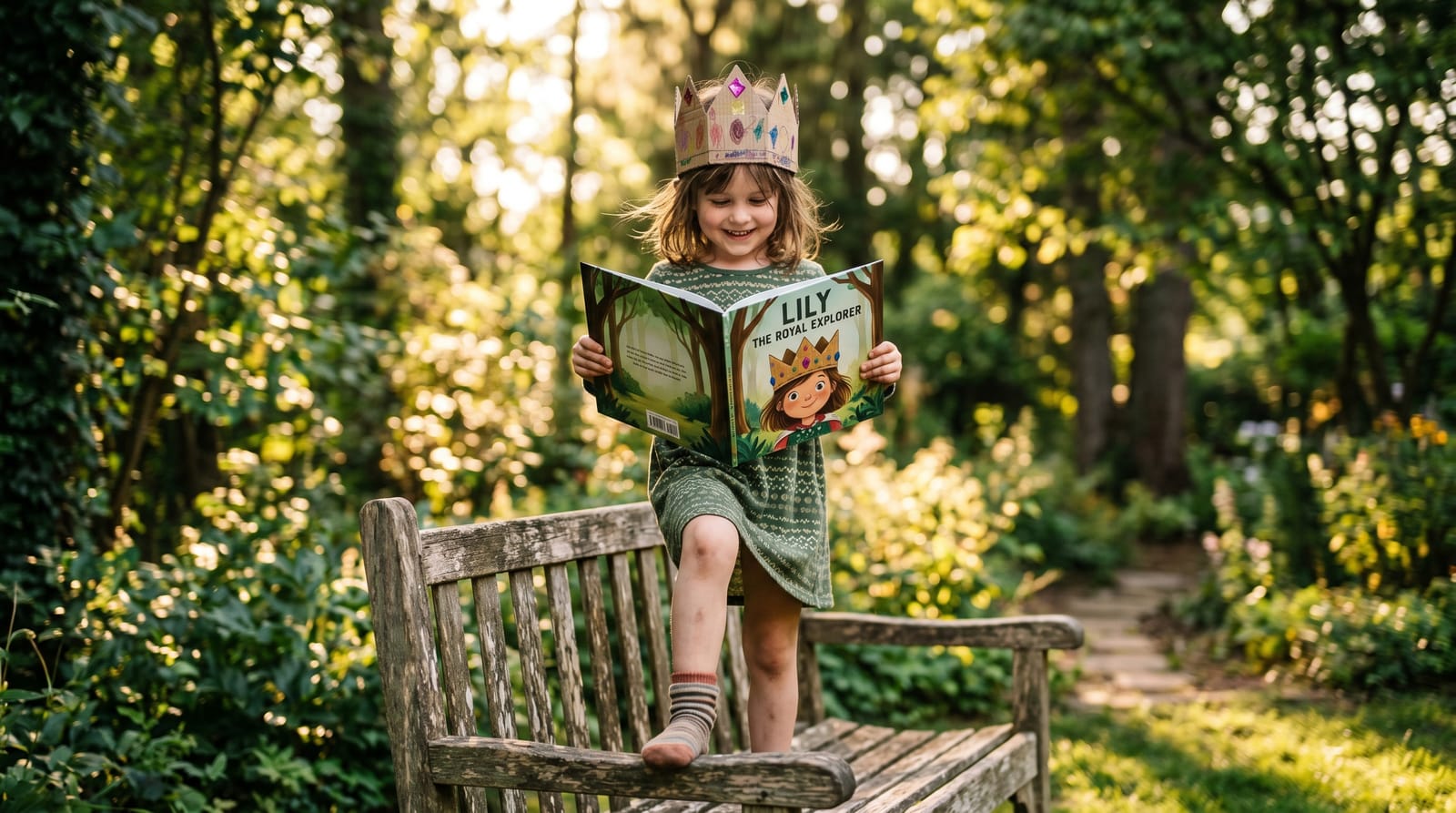
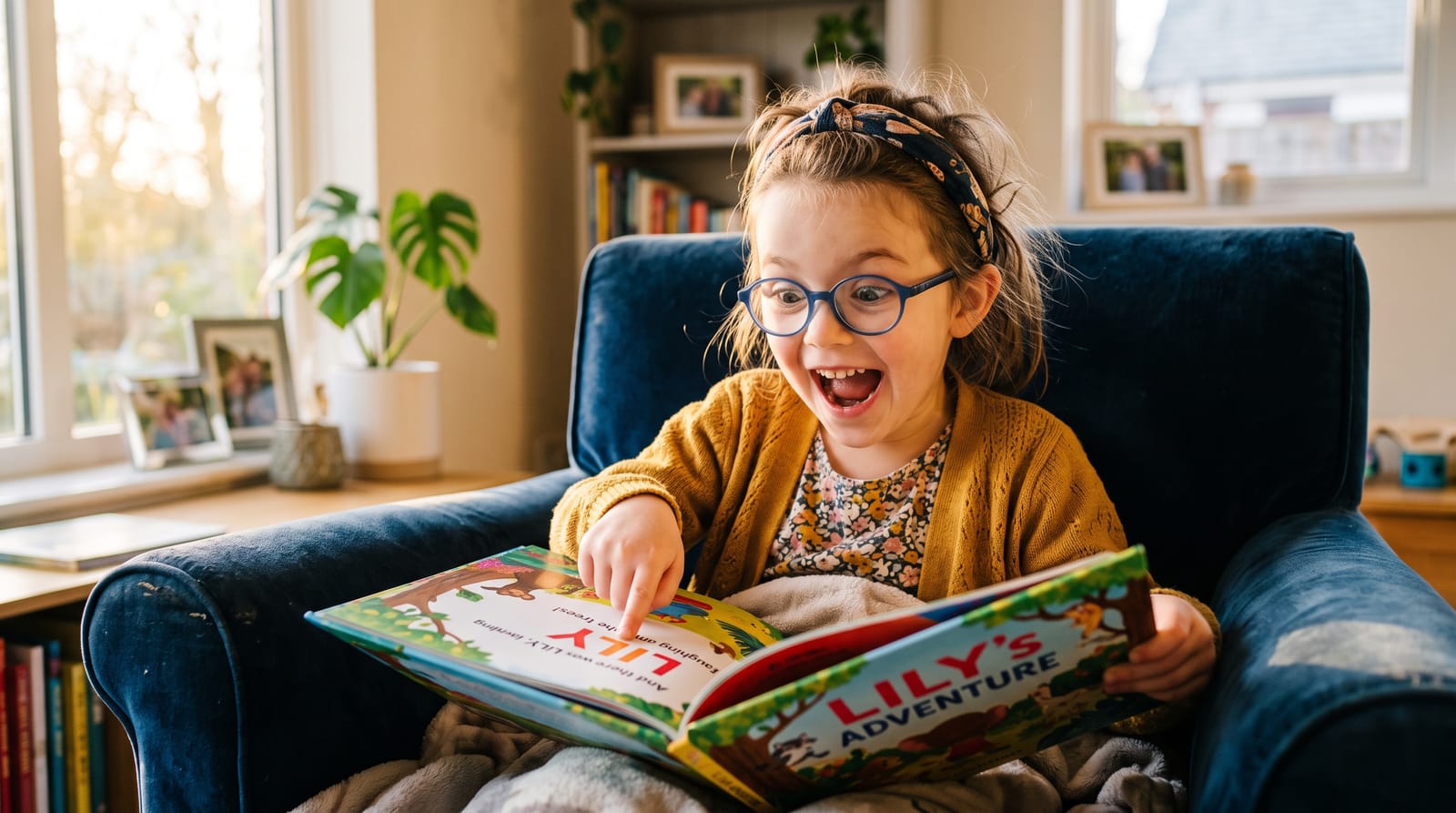
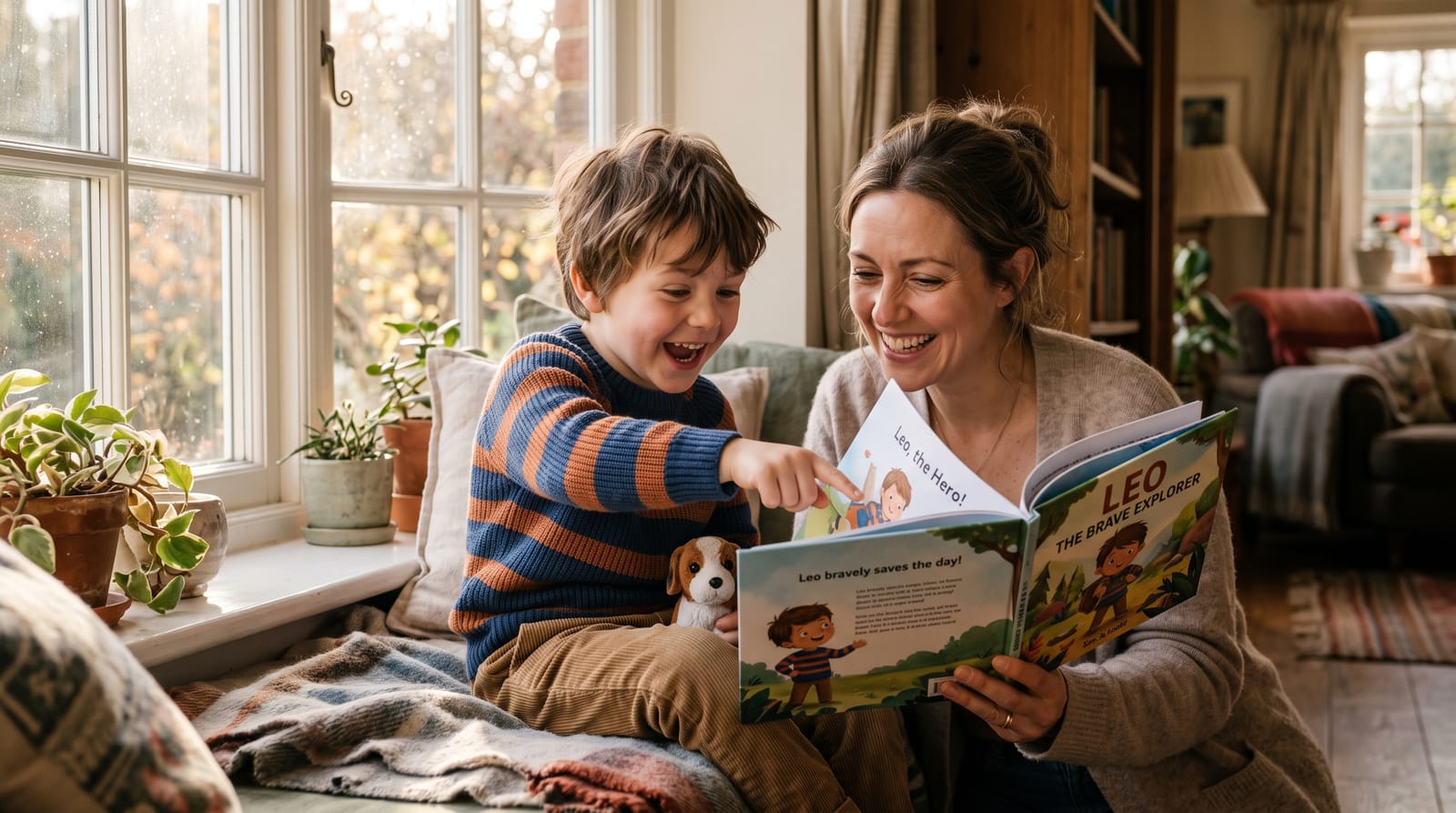
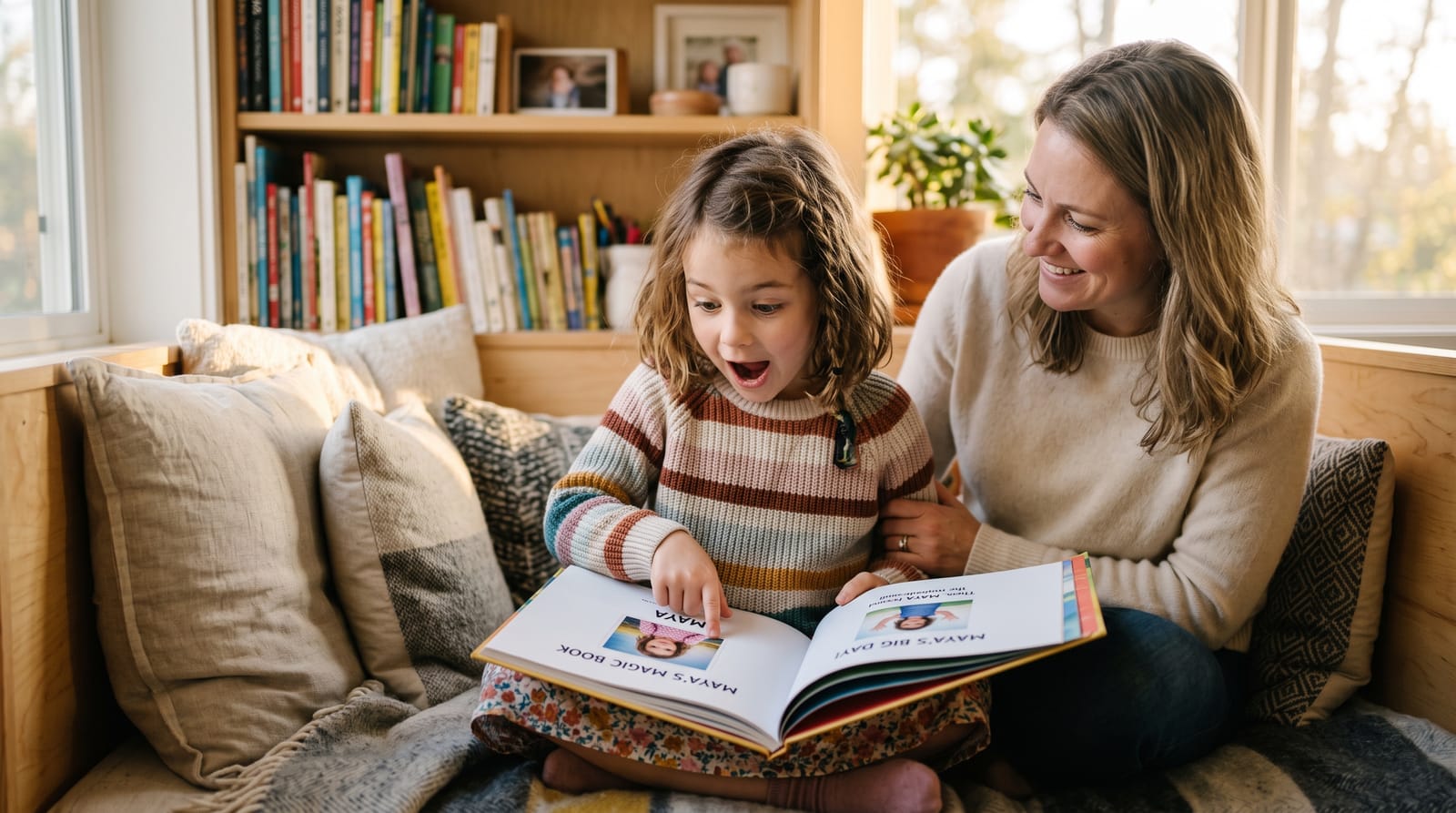
The humble picture book has always been more than just ink and paper. For generations, it has served as a child’s first window into the wider world, a gentle teacher of empathy, and a safe harbor for the imagination. However, as we move through {YEAR}, the way families interact with these stories is undergoing a profound shift. We are moving away from a model where children are merely observers of someone else's journey and toward a world where they are the heartbeat of the narrative.
At StorytimeHero, we’ve watched this evolution closely. Parents today are looking for more than just a "good story." They are seeking tools that help their children navigate complex emotions, understand their unique place in a diverse world, and see themselves as capable creators. This is where the intersection of traditional storytelling and modern personalization becomes truly magical.
The Shift from Biography to Belonging
In recent years, there has been a wonderful surge in picture books that introduce young readers to literary legends and historical icons. These stories celebrate the creative process, showing children how authors like Judy Blume or Virginia Hamilton found their voices despite the challenges they faced. While these biographies are inspiring, they often leave a small gap between the "legend" and the "learner."
Personalization bridges this gap. When a child sees a story about the power of words and realizes that they are the protagonist using those words, the lesson shifts from "someone did this" to "I can do this." By integrating a child into the narrative structure, personalized books transform the creative spark from a distant historical fact into a present-tense reality. It’s one thing to read about a famous author’s perseverance; it’s quite another to read a story where you, the reader, are the one overcoming a creative block or finding the courage to share your truth.
This approach helps anchor the child’s identity as a storyteller. It reinforces the idea that their voice matters just as much as the legends they see on the library shelves. In this way, Modernizing the Picture Book with Personalization isn't just about changing a name; it’s about inviting the child into the lineage of great thinkers and doers.
Moving Beyond Categories to Individual Experiences
The modern picture book landscape is also becoming more nuanced in how it handles diversity and culture. We are seeing a move away from "umbrella terms" and toward specific, lived experiences. Whether it’s a trip to a father’s homeland in the Philippines or the delicate art of traditional indigo dyeing, these stories emphasize that every culture is a tapestry of individual threads.
Personalized books take this commitment to specificity a step further. Instead of a child reading about a "generic" experience that might resemble their own, personalization allows the story to mirror their actual life. This is particularly powerful for families who may not always see their specific routines, family structures, or cultural nuances reflected in mainstream media.
When a child is the hero of a story that mirrors their specific world, it validates their existence in a way a general story cannot. It moves the needle from representation—seeing someone like you—to embodiment—seeing yourself. This transition is a key part of The Evolution of the Modern Picture Book, where the goal is to make every child feel like the center of the universe, rather than a footnote in someone else's story.
Navigating Real-World Hurdles with Agency
Childhood is filled with "firsts" and "challenges," some of which are deeply personal. From managing food allergies to developing a growth mindset when a task feels too difficult, today’s picture books are increasingly focused on problem-solving and resilience. These stories provide a roadmap for children as they navigate the complexities of growing up.
However, a child’s response to a challenge is often more robust when they are the ones "solving" the problem in the story. In a traditional picture book, a character might find a sweet solution to a problem, and the child learns by observation. In a personalized book, the child is the one who thinks through the obstacle. They are the ones who practice the growth mindset.
This active participation is what we call the "Protagonist Effect." By putting the child in the driver’s seat, we help them build a mental blueprint for resilience. If they can solve a problem in the safety of a story, they feel more equipped to handle it in the real world. This is why Why Kids Read More When They're the Main Character is such a vital concept for modern parents; it’s about building confidence through narrative agency.
The Role of Nature and Curiosity
Another beautiful trend in the modern picture book is the emphasis on the natural world and the curiosity it inspires. Whether a child is skeptical about the outdoors or an aspiring explorer, stories that celebrate nature help ground them in the physical world.
Personalization enhances this by making the "discovery" personal. When the book describes the wonder of a forest or the mystery of the stars, and it’s your child’s name experiencing that wonder, the connection to the environment becomes more intimate. It’s no longer just a "nature book"; it’s a record of their own potential adventures.
This grounding is essential in an increasingly digital age. By Grounding the Picture Book Experience, we provide children with a tangible connection to the world around them, using the story as a bridge between the digital page and the backyard.
Why Personalization is the Future of the Picture Book
As we look toward the future of children’s literature, it’s clear that the "one-size-fits-all" approach is fading. Families want stories that are as unique as their children. They want books that don’t just sit on a shelf, but books that are lived in, cherished, and revisited because they tell the most important story of all: the story of the child themselves.
StorytimeHero is dedicated to this mission. We believe that by combining the high-quality artistry of traditional picture books with the heart of personalization, we can create a reading experience that is truly transformative. It’s about more than just literacy; it’s about building a foundation of self-worth, curiosity, and resilience that will last a lifetime.
When we consider How Personalization Redefines the Picture Book, we see a future where every child knows they are a hero. They aren't just reading about the world; they are actively shaping it, one page at a time.
---
FAQ: Common Questions from Parents
1. Does adding my child’s name really change how they learn from the book?
Yes! Research into the "Self-Reference Effect" shows that children (and adults) encode information more deeply when it relates to themselves. When a child is the protagonist, their engagement levels spike, leading to better retention of the story’s lessons, whether those are about empathy, science, or social skills.
2. Are personalized books just a gimmick, or is the story quality actually high?
At StorytimeHero, we believe the story must stand on its own first. Personalization is the "magic dust" that makes a great story even better, but the narrative, pacing, and illustrations must meet the same high standards as any award-winning picture book you’d find in a bookstore.
3. Can personalized books help with specific issues like anxiety or new experiences?
Absolutely. Because the child sees "themselves" successfully navigating a new school, a doctor’s visit, or a friendship hurdle, the book acts as a form of "narrative rehearsal." This can significantly lower anxiety by providing a positive, successful outcome that the child has "already experienced" through the story.
4. How do personalized books fit into a diverse home library?
They are the perfect anchor! While it’s important to have a wide range of books featuring different characters and cultures, a personalized book serves as the "mirror" in the "mirrors and windows" philosophy of reading. It ensures that among all the windows into other lives, your child always has a clear mirror to see their own value.
---
Related Reading
- Personalization and Modern Picture Book Trends
- How Personalized Books Evolve the Picture Book
- Helping Kids Navigate Friendship & Fear
- The Living Protagonist: Modern Picture Book Trends
- The Participatory Revolution in Picture Books
By embracing the power of personalization, we aren't just giving children a book; we are giving them a seat at the table of the great storytellers. In {YEAR}, the picture book is no longer just a story we tell our children—it’s a story we build with them.
Free preview checklist
Get the personalized book gift checklist
Know what photo to use, what to write in the dedication, and what to review before ordering.