The Participatory Revolution in Picture Books | StorytimeHero
Upload a photo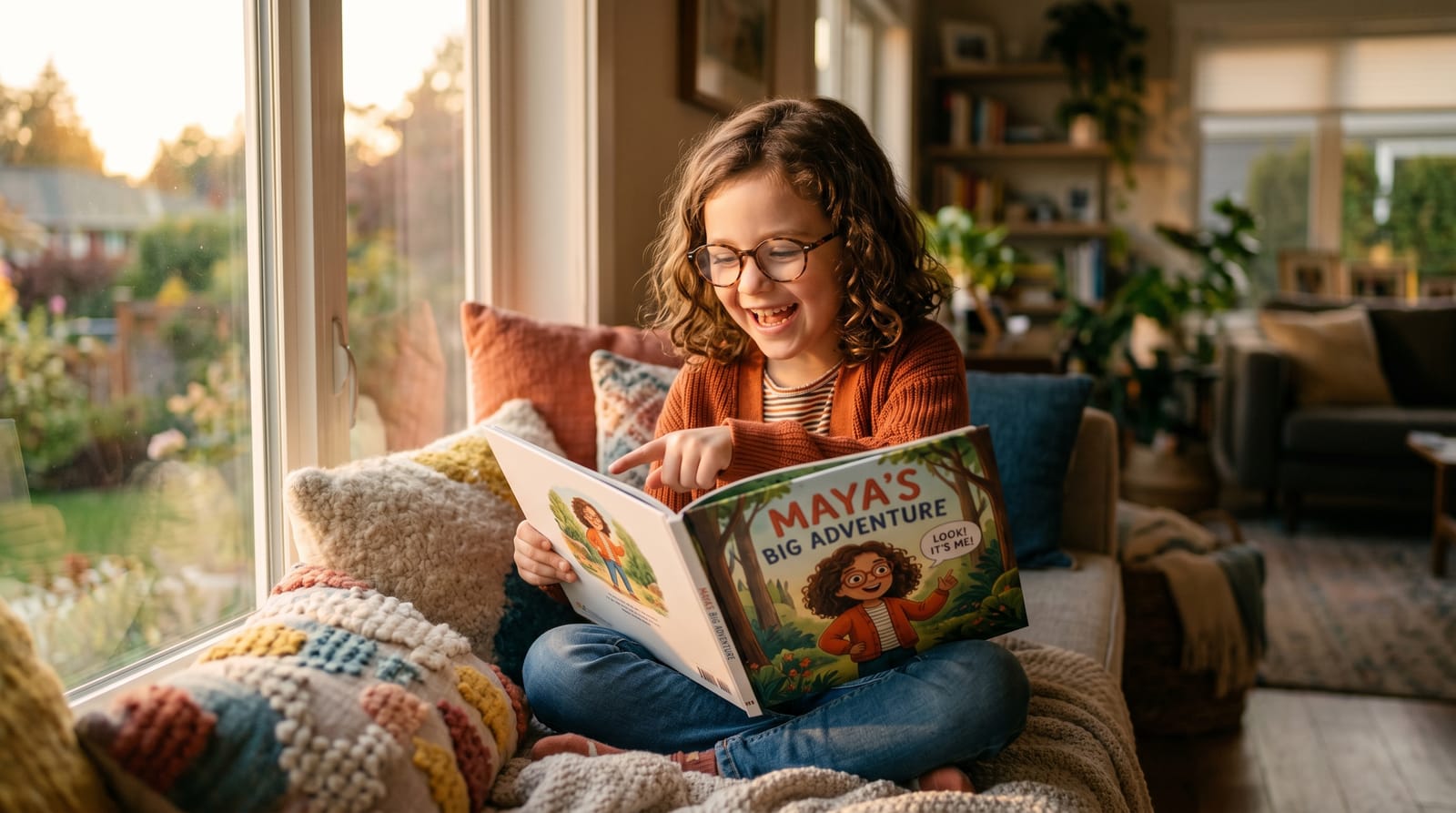
The landscape of children’s literature is shifting beneath our feet, and for parents navigating the colorful aisles of the local bookstore or scrolling through digital libraries, the change is palpable. We are moving away from the era of the "passive observer"—where children simply watched a story unfold from the sidelines—and entering an era of deep, resonant participation.
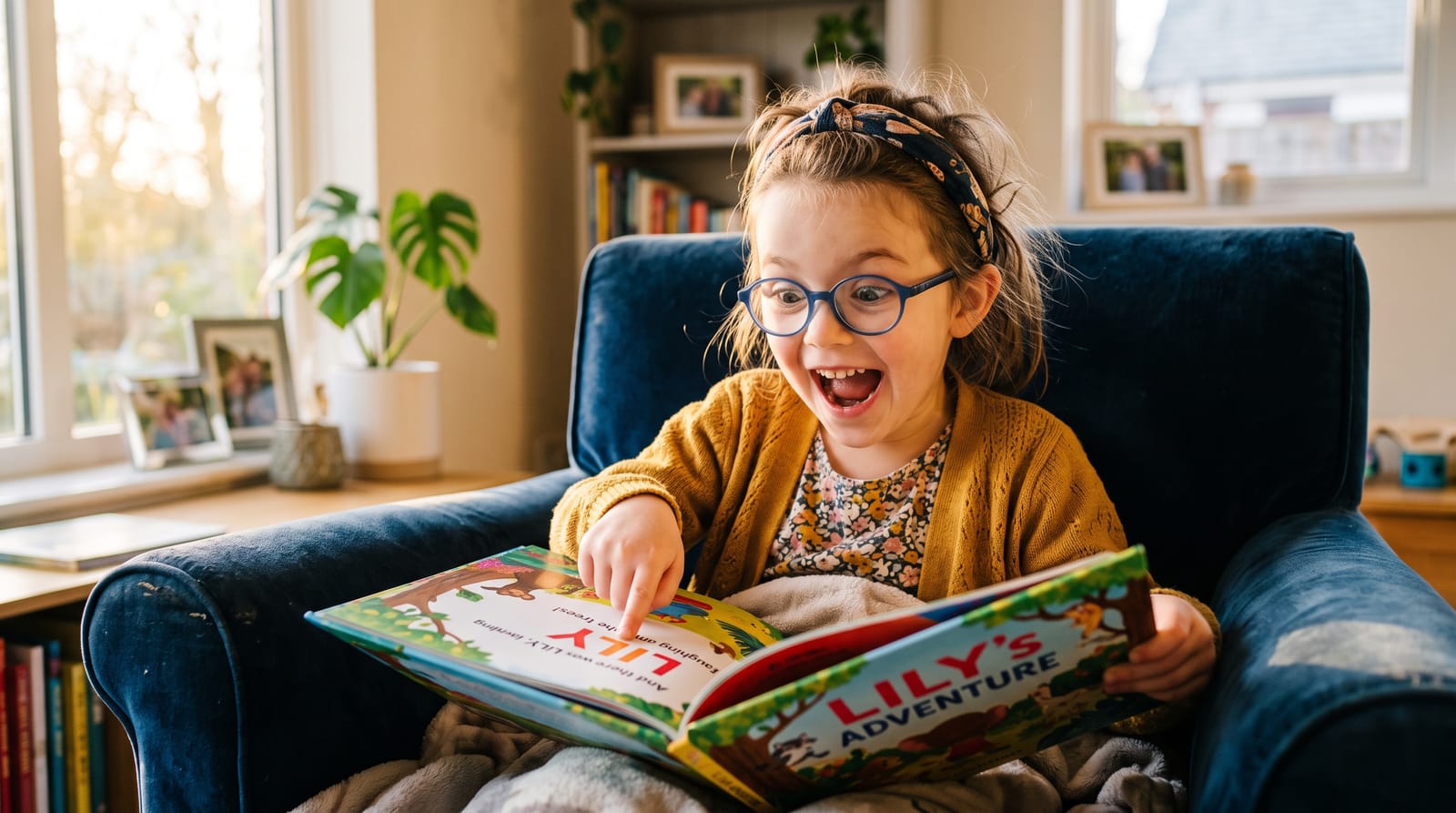
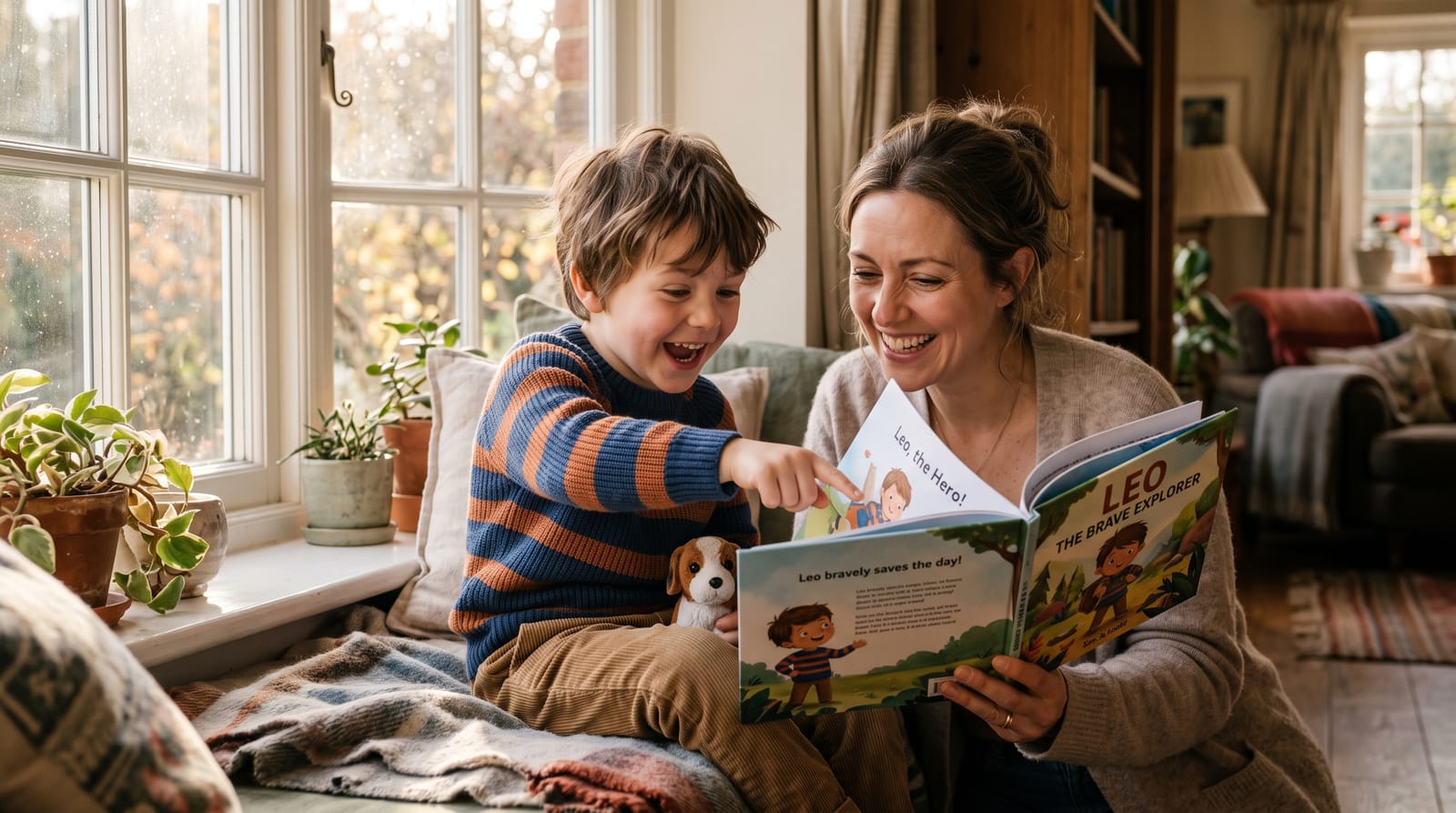
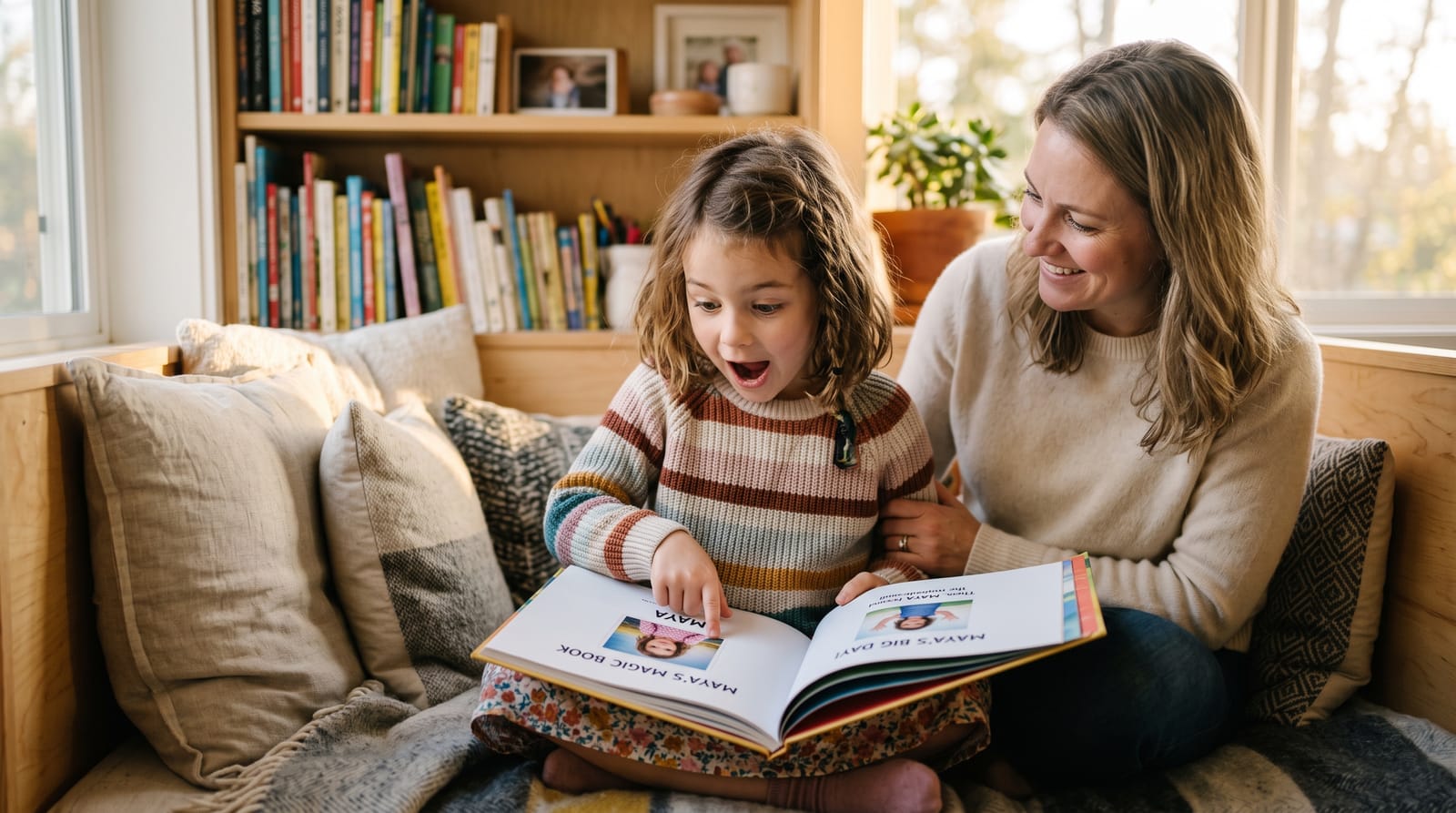
In {YEAR}, the picture book is no longer just a static object. It has become a dynamic tool for identity formation, a bridge to ancestral heritage, and a safe harbor for emotional exploration. As we look at the trends shaping modern storytelling, one thing becomes clear: personalization is the natural evolution of the medium. By placing the child at the center of the narrative, we aren't just changing a name on a page; we are fundamentally altering how a young mind interacts with the very concept of "The Story."
From Literary Legends to the Living Protagonist
There is a beautiful trend in modern publishing that focuses on the lives of great thinkers and creators. We see books celebrating the resilience of authors who found their voices in the face of adversity or those who turned family oral histories into Pulitzer-winning prose. These stories are vital because they demystify the creative process, showing children that "authors" aren't mythical creatures—they are people who dared to tell their own truths.
However, there is a unique magic that happens when we take the inspiration from these literary icons and apply it directly to the reader. When a child engages with a story where they are the lead, they aren't just learning about the importance of finding a voice; they are actively practicing it.
The The Living Protagonist: Modern Picture Book Trends shows us that when a child sees their own name and likeness navigating a plot, the distance between "me" and "the hero" vanishes. It transforms the reading experience from a lesson in biography into an exercise in agency. By mirroring the journeys of great storytellers within a personalized framework, we help children realize that their own lives are stories worth telling.
Moving Beyond Categories: The Power of Specificity
For a long time, children’s literature relied on broad strokes to represent different cultures and experiences. While the intention was often inclusive, the result was sometimes a "one-size-fits-all" approach to diversity. Modern creators are now pushing back against these broad labels, choosing instead to focus on the exquisite details of specific traditions—the precise shade of a dye, the specific smell of a family kitchen, or the unique landscape of a distant ancestral home.
Personalized books take this commitment to specificity a step further. While a traditional book might offer a window into a different culture, a personalized narrative offers a mirror. It allows families to weave their specific identity into the fabric of the tale.
In the modern world, where families are increasingly multicultural and spread across the globe, the ability to anchor a story in a child’s own reality is invaluable. We see this shift in how Modern Values & Community in Picture Books are being explored today. Instead of a generic "neighborhood," stories are becoming about the neighborhood. By integrating a child’s personal world into the narrative, personalized books help bridge the gap between "global" themes and "local" hearts.
The Rise of "Cozy Fantasy" and Emotional Safety
There is a noticeable shift in the world of make-believe. While high-stakes adventure and epic battles will always have their place, many modern parents and educators are gravitating toward "cozy fantasy." These are stories where the world-building is rich and magical, but the stakes are grounded in emotional truth and community connection. Think less about slaying dragons and more about baking bread with a dragon, or finding a sense of belonging in a whimsical, monster-filled forest.
This trend reflects a growing need for "warm hug" literature—stories that provide a sense of security in an often-overwhelming world. Personalization is the ultimate tool for creating this emotional safety. When a child is the protagonist of a cozy fantasy, the magic feels accessible rather than intimidating.
By using personalized books to navigate these fantastical realms, we offer children a "safe-adventure" space. They can explore the unknown, solve problems, and meet magical creatures, all while feeling the grounding presence of their own identity. This synergy of high-fantasy world-building and personal relevance is explored deeply in our look at Personalized Books: Bridging Fantasy & Resilience, where we discuss how "being there" helps a child process complex themes with confidence.
Cultivating the Creative Spirit Through Presence
One of the most profound insights from modern picture book trends is the celebration of the "artistic process." Many new titles focus on the joy of making—whether it's dyeing fabric, cooking a traditional meal, or writing a poem. These books teach children that the act of creation is just as important as the finished product.
Personalized books embody this "making" spirit. The very act of creating a book for a child—choosing their traits, selecting their journey, and seeing them interact with the world—is a collaborative creative process between the parent and the story. It sends a powerful message: You are the creator of your world.
When a child sees themselves engaged in an artistic process within a story, it lowers the barrier to entry for real-world creativity. They are no longer just reading about a character who paints or writes; they are seeing a version of themselves doing those things. This is a key component of Solving the Modern Picture Book Dilemma, where we address how to keep children engaged in an era of digital distractions. The answer, quite often, is to make the story about them.
The Future of the Page: A New Kind of Keepsake
As we look toward the future, the definition of a "classic" is changing. While we will always treasure the books handed down through generations, there is a new category of "best-keep" books emerging. These are the books that aren't just read and shelved, but lived and loved.
A personalized picture book serves as a time capsule. It captures a child’s name, their appearance, and their place in the family hierarchy at a specific moment in time. But more than that, it captures the values the parents wish to instill. Whether it's a story about bravery, kindness, or curiosity, the message is amplified tenfold because it is addressed directly to the child.
StorytimeHero is dedicated to this evolution. We believe that by synthesizing the best trends in modern literature—rich world-building, cultural specificity, and the celebration of the individual voice—with the power of personalization, we can create something truly transformative. We aren't just making books; we are crafting experiences that stay with a child long after the final page is turned.
FAQ: Understanding the Personalized Picture Book
Related Reading
If you enjoyed this exploration of how the world of storytelling is changing, you might find these other articles from StorytimeHero helpful:
- Modernizing the Picture Book with Personalization
- The Evolution of the Modern Picture Book
- How Personalization Transforms the Picture Book
- The Living Page: Personalized Picture Book Innovation
By staying informed about these trends, we can all become better advocates for our children’s literacy and emotional growth. The future of the picture book is bright, inclusive, and—most importantly—personal.
Free preview checklist
Get the personalized book gift checklist
Know what photo to use, what to write in the dedication, and what to review before ordering.