How Personalization Transforms the Picture Book | StorytimeHero
Upload a photo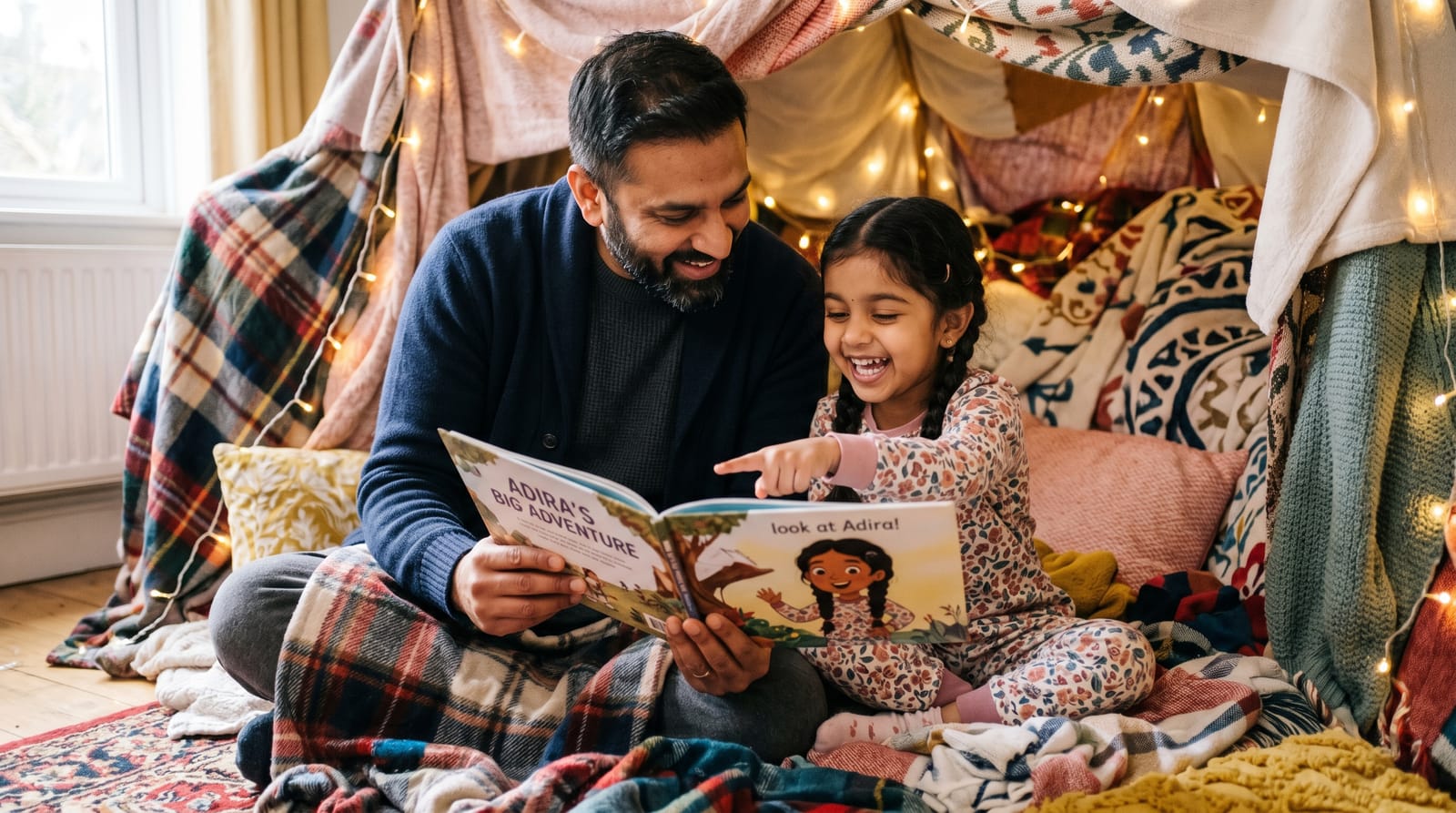
The landscape of children’s literature is currently undergoing a beautiful, quiet revolution. For decades, the traditional picture book served as a window—a way for children to look out into worlds different from their own or to see reflections of universal childhood experiences. However, as we move through {YEAR}, the "window" is evolving into something far more interactive. We are seeing a shift toward stories that don’t just invite children to watch, but invite them to inhabit the narrative.
At StorytimeHero, we believe this evolution is essential. Modern families are looking for more than just a story to read before lights out; they are looking for tools that foster identity, resilience, and a sense of belonging. By synthesizing current trends in publishing—such as the rise of "cozy" fantasy, a deeper focus on cultural specificity, and the integration of growth mindset themes—we can see exactly why personalized stories have become the cornerstone of the contemporary nursery library.
Moving Beyond the "Umbrella" Category
One of the most significant shifts in modern publishing is the move away from broad, all-encompassing categories toward hyper-specific cultural experiences. In the past, books might have been grouped under wide labels like "Asian American and Pacific Islander (AAPI)" or "diverse stories." While these categories were a necessary starting point for representation, today’s authors and parents are seeking something deeper: the "starting point" of a specific community, a specific craft, or a specific family tradition.
Consider the difference between a book that generally celebrates "nature" and one that follows a child’s specific journey through the rice fields of the Philippines or into a grandfather’s indigo-dyeing studio. These stories provide a richness that broad categories cannot capture.
Personalized books take this a step further. When a child sees their own name and likeness woven into a story about heritage or tradition, the narrative stops being an "educational moment" about someone else’s culture and becomes a foundational part of their own identity. It bridges the gap between a "category" and a "lived experience." This is how The Evolution of the Modern Picture Book is currently unfolding—by making the universal feel deeply personal.
The Power of Specificity in Representation
When we talk about representation, we often focus on the visual. However, the most profound representation happens at the level of the "self." A child reading about a character who shares their heritage is powerful; a child reading about themselves exploring that heritage is transformative.
By utilizing personalized books, parents can ensure that the "tiny fraction of experiences" often represented in mainstream publishing is expanded to include the most important experience of all: the child’s own life. This creates a sense of "embodiment" where the child isn't just a spectator of a beautiful artistic process or a trip to a distant land, but the actual protagonist of the journey.
The Rise of the "Cozy" Fantasy
Another fascinating trend in the current picture book market is the emergence of "cozy fantasy." For those who grew up in the 80s or 90s, fantasy often felt epic and distant—think of sprawling quests or high-stakes battles. Today, however, there is a growing appetite for fantasy that feels like a "warm hug." These are stories where magic exists in the mundane: a dragon who prefers baking to hoarding treasure, or a monster-filled woods that houses a charming neighborhood cafe.
This trend toward world-building that feels safe and domestic is a perfect match for personalization. Kids love magic because it grants them agency in a world where they often have very little. When you combine the "cozy" atmosphere of a magical bakery or a whimsical forest with the presence of the child as the main character, you create an unparalleled sense of security.
Building Worlds Where the Child Belongs
In high-fantasy world-building, the setting is often as much a character as the protagonists. In a personalized story, this world-building serves a dual purpose. It sparks the imagination, but it also anchors the child within that imagination.
If a story features a "bakery dragon" or a "knight owl," and the child is the one helping that dragon find the perfect recipe, the fantasy world becomes a safe space for exploration. This is part of How Personalization Enhances Modern Picture Books—it takes the "warm hug" of cozy fantasy and makes it a literal embrace for the reader. They aren't just visiting the cafe at the edge of the woods; they are the guest of honor.
Addressing Real-World Hurdles: From Allergies to Growth Mindset
Beyond fantasy and culture, the modern picture book is increasingly being used as a tool for "social-emotional learning" (SEL). We see more books today tackling complex real-world issues like food allergies, problem-solving, and the "growth mindset"—the idea that abilities can be developed through dedication and hard work.
In the past, books about "problems" could sometimes feel a bit clinical or didactic. They were "lesson books." But the new wave of literature approaches these topics with heart and humor. For example, a story about a child finding a "sweet solution" to a food allergy celebration isn't just about the allergy; it’s about the triumph of creativity and resilience.
Why Personalization is the Ultimate Problem-Solving Tool
When a child faces a challenge in real life—whether it's a birthday party where they can't eat the cake or a puzzle they can't seem to solve—they often feel isolated. Personalization removes that isolation.
When the child is the protagonist of a story about overcoming a hurdle:
- Empathy becomes self-reflection: Instead of feeling sorry for a character, the child practices the skills they need to help themselves.
- The "Success Path" is internalized: Seeing their own name associated with the words "I can try again" or "I found a way" builds a neural blueprint for resilience.
- The Growth Mindset is Activated: By Why Kids Read More When They're the Main Character, we know that engagement levels skyrocket. This engagement makes the "lesson" of the story stick much more effectively than a generic narrative ever could.
The {YEAR} Parent’s Role: Curating a "Live-Like" Library
Modern parents are no longer just passive consumers of media; they are curators. They are looking for stories that align with their family values, whether that’s environmental stewardship, cultural pride, or emotional intelligence.
The "Live-Like" philosophy suggests that children model their behavior after the stories they consume. If a child reads books where they are kind, curious, and brave, they are more likely to "live like" that character in their everyday interactions. This is the core of what we do at StorytimeHero. We don't just want to provide a book; we want to provide a mirror that reflects the best version of the child back to them.
Bridging the Gap Between Screen and Page
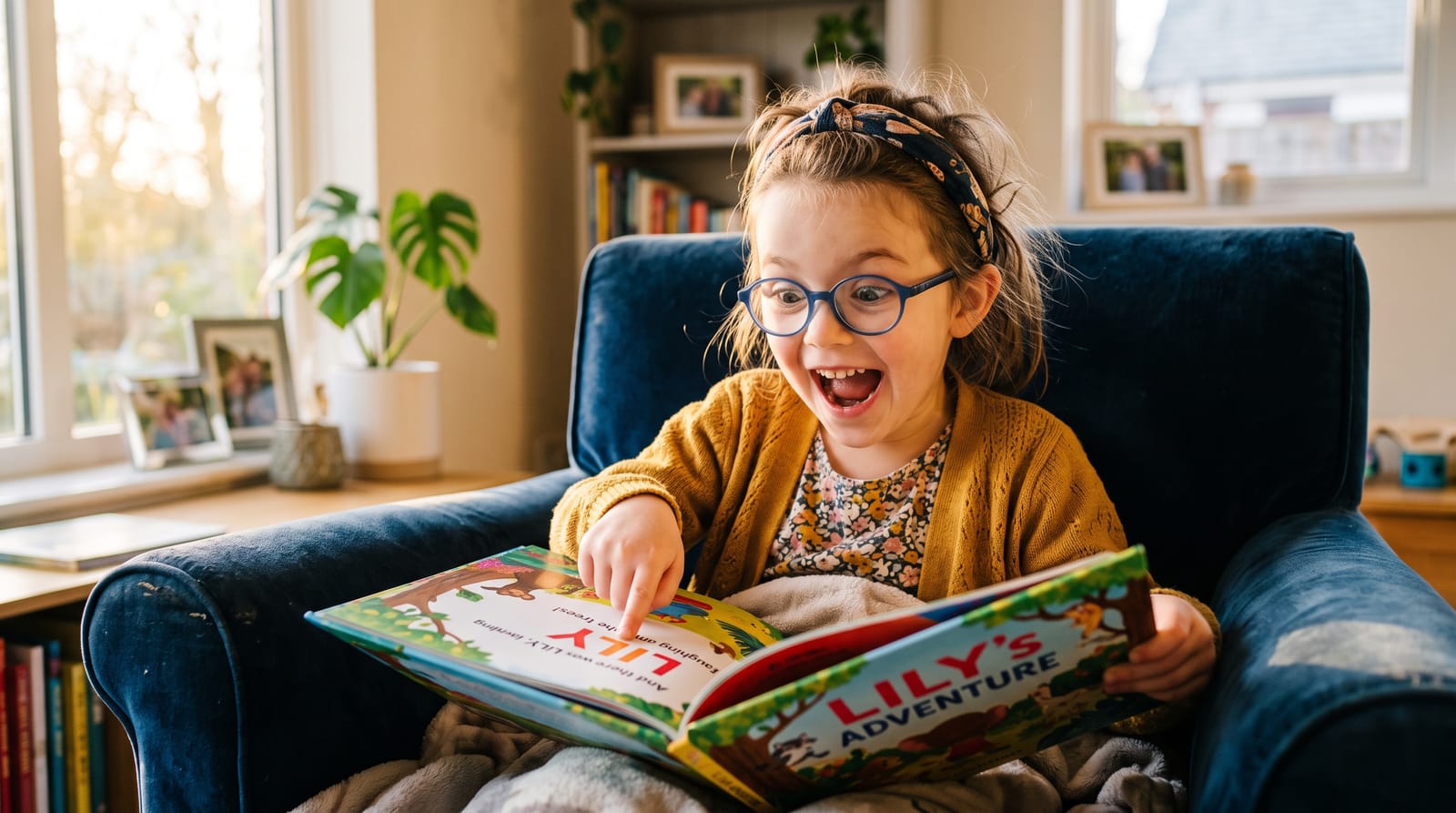
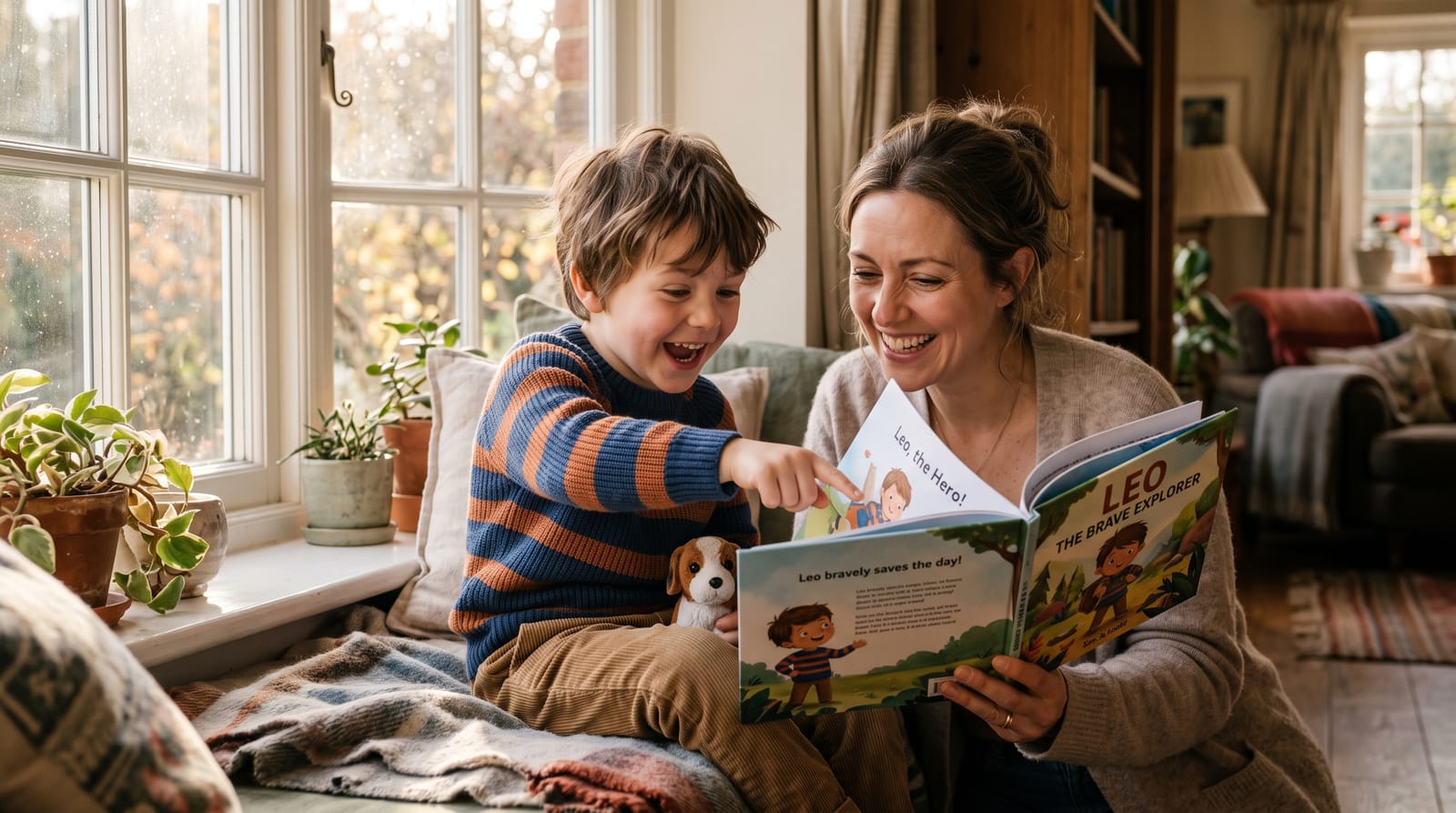
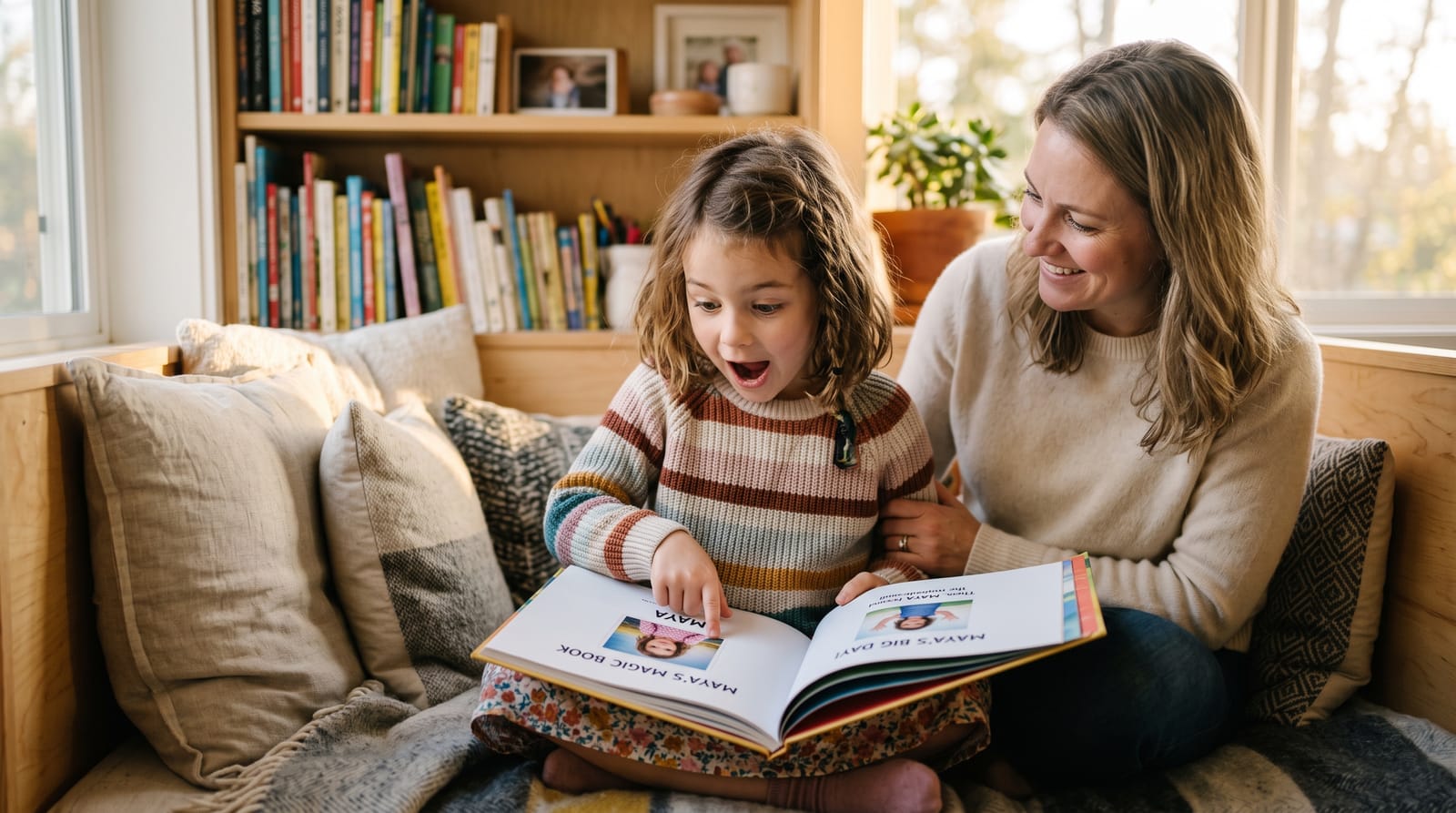
In an era of high-octane digital entertainment, the humble picture book has to work harder to capture a child's attention. Personalization is the "secret sauce" that makes the physical page as compelling as a tablet screen. When a child realizes, "Hey, that’s me!" or "That’s my dog!", the book becomes an interactive experience.
This interactivity is crucial for Modernizing the Picture Book: Why Personalization Matters. It transforms reading from a passive activity into a participatory one. The child isn't just being read to; they are part of the storytelling team.
Conclusion: The Future of the Page is Personal
As we look at the trends defining children's literature today—the move toward cultural specificity, the rise of cozy fantasy, and the focus on emotional resilience—it’s clear that the common thread is a desire for connection.
We want our children to connect with their heritage, with their imagination, and with their own inner strength. Personalized books are the most direct route to that connection. By placing the child at the center of the world-building and the problem-solving, we ensure that the lessons and the magic of the picture book stay with them long after the final page is turned.
Whether it’s learning the steps of an artistic process, exploring a magical cafe, or finding a "sweet solution" to a difficult day, the story is always better when you’re the hero. At StorytimeHero, we are proud to be a part of this "living narrative" evolution, helping families create keepsakes that aren't just read, but lived.
---
FAQ: Frequently Asked Questions About Personalized Books
Related Reading
If you enjoyed exploring how personalization is changing the world of children's literature, check out these other articles from the StorytimeHero blog:
- **The Living Page: Personalized Picture Book Innovation** – Discover the technology and heart behind the modern custom book.
- **Grounding Cosmic Dreams in This-World Reality** – How to balance big imagination with everyday life lessons.
- **Modernizing the Picture Book: The Power of Personalization** – A deep dive into the shifting trends of the {YEAR} publishing world.
- **The Best-Keep Strategy for Kids' Books** – Why some books stay on the shelf forever while others are donated.
- **Personalized Books: Bridging Fantasy & Resilience** – How magical settings help children build real-world emotional strength.
Free preview checklist
Get the personalized book gift checklist
Know what photo to use, what to write in the dedication, and what to review before ordering.