The Best-Keep Strategy for Kids' Books | StorytimeHero
Start a cover preview
In the modern era of parenting, we are blessed with an abundance of choice. However, that blessing often feels like a deluge. Every single month, hundreds of new titles arrive on the scene, each boasting vibrant illustrations and heartwarming messages. For the intentional parent, this creates a significant logistical and emotional challenge: how do you distinguish between a "passing read" and a "forever keep"?
Developing a best-keep strategy for your child’s library isn't just about organizing a bookshelf; it’s about curating a landscape of identity, values, and memory. In {YEAR}, the goal is no longer to own the most books, but to own the right ones—the ones that will be pulled from the shelf until the spines are creased and the edges are soft.
The Challenge of the Modern Children’s Bookshelf
We live in a golden age of publishing, but the sheer volume of content can be paralyzing. If you’ve ever found yourself scrolling through endless online lists or wandering the aisles of a bookstore feeling more exhausted than inspired, you aren’t alone. The "noise" of the publishing world often prioritizes books with the largest marketing budgets, leaving smaller, more meaningful gems hidden in the shadows.
When we talk about a best-keep approach, we are looking for a way to filter this noise. Without a system, our home libraries can quickly become cluttered with stories that don’t actually resonate with our children’s specific interests, fears, or dreams. This clutter doesn't just take up physical space; it creates a "choice paradox" where a child, faced with fifty mediocre books, chooses to read none of them.
Why Curation is the New Essential Parenting Skill
In years past, a family might own a dozen cherished volumes passed down through generations. Today, the accessibility of books means we must become curators. Curation is the act of intentional selection. It involves looking at the "TBR" (To-Be-Read) pile and asking: Does this story serve a purpose in my child’s current developmental stage?
A successful curation strategy involves:
- Filtering for Quality: Seeking out stories with depth rather than just trendy characters.
- Evaluating Relevance: Ensuring the protagonist’s journey mirrors or expands the child’s world.
- Prioritizing Longevity: Choosing books that grow with the child.
The Best-Keep Philosophy: Why Quality Trumps Quantity
The "best-keep" philosophy suggests that a book’s value is measured by its "staying power." A book that is read once and forgotten is a guest in your home; a book that is read every night for a year is a member of the family.
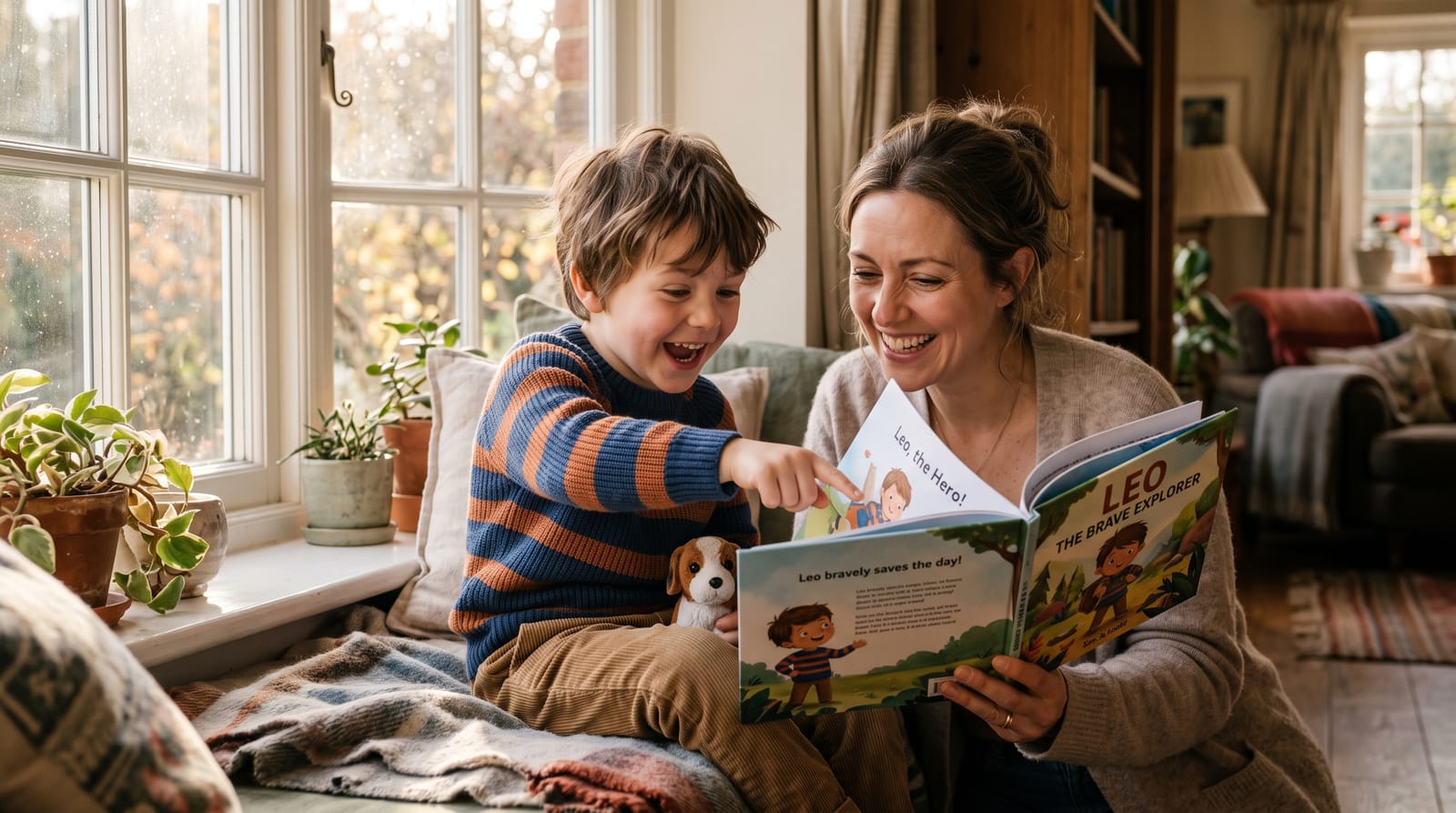
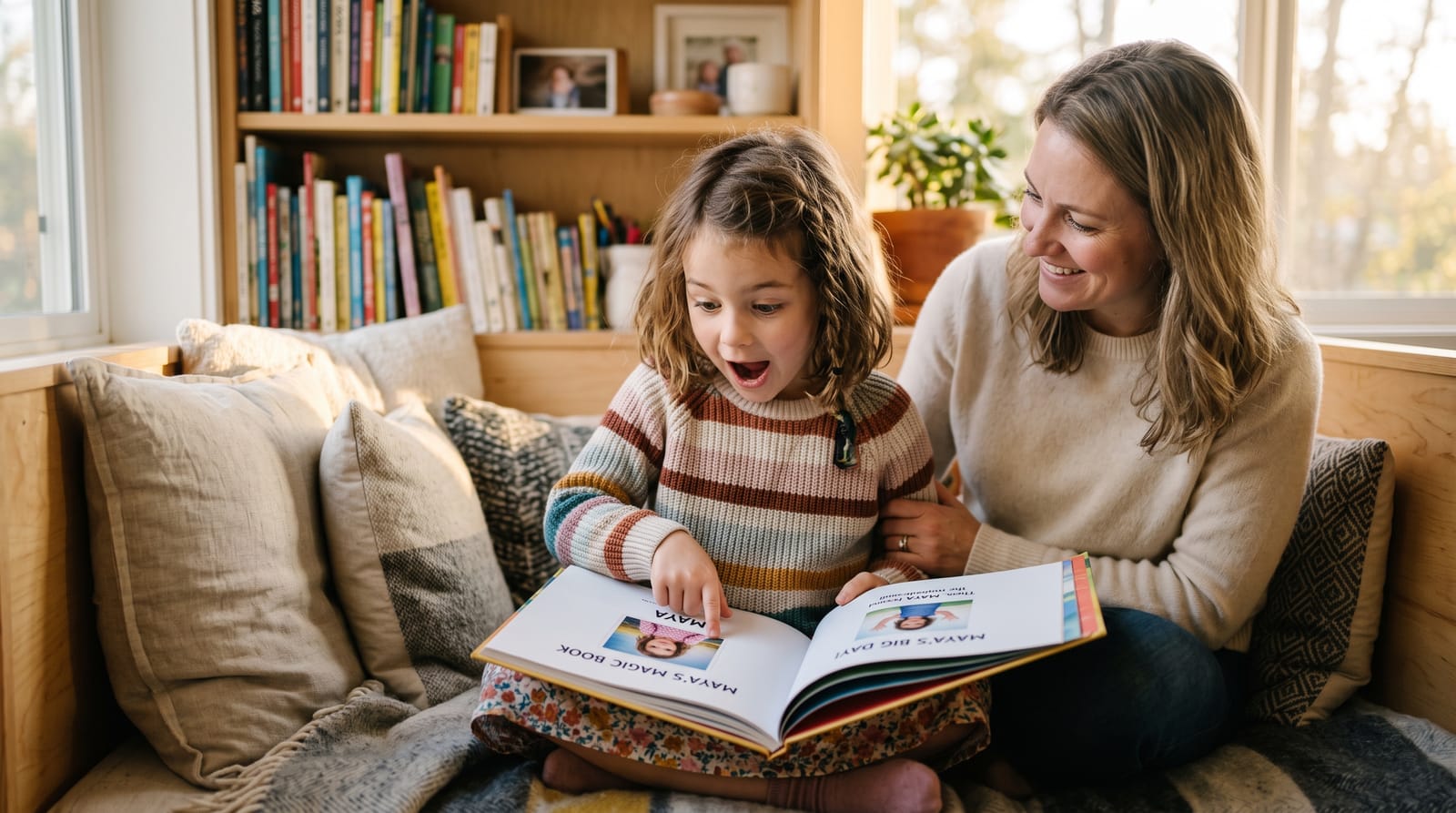
This is where personalized books have fundamentally changed the game for modern families. When a child sees themselves—not just someone who looks like them, but themselves—within the narrative, the book instantly moves from the "temporary" pile to the "best-keep" category.
At StorytimeHero, we’ve observed that the psychological impact of seeing one’s own name and likeness in a story creates a unique neurological "hook." It transforms the act of reading from a passive observation into an active experience of self-discovery. This is a key reason why personalized narratives are often the most durable items in a child's library.
Personalized Books as the Anchor of a Home Library
If you are looking to build a library that lasts, you need "anchor books." These are the foundational stories that a child identifies with most strongly. While generic tales about animals or fairy-tale characters are wonderful, they often lack the personal stakes required to become a lifelong treasure.
By integrating personalized books into your collection, you are providing your child with a mirror. For more on how this fits into the broader world of publishing, you might explore how personalization enhances modern picture books. These stories don't just fill a slot on the shelf; they provide a sense of belonging that generic titles simply cannot replicate.
Cutting Through the Noise of New Releases
To maintain a high-quality library, parents need a way to track what’s coming out without it becoming a full-time job. Many parents turn to curated databases or subscription services to keep an eye on new releases. These tools allow you to filter by genre, age range, and theme, helping you "watchlist" titles that align with your family values.
However, even the most curated list of new releases can be overwhelming. The secret to the best-keep strategy is to balance these new acquisitions with custom-made stories. While new releases offer fresh perspectives and modern art styles, personalized books offer a timeless connection.
Moving Beyond the "Flash in the Pan"
Marketing budgets often dictate which books become bestsellers, but they don't dictate which books become favorites. A "best-keep" strategy encourages parents to look past the flashy covers and big-name endorsements.
Instead, look for:
- Emotional Resonance: Does the story address a specific milestone your child is facing?
- Interactive Potential: Does the book invite the child to participate in the storytelling?
- Identity Reinforcement: Does the book celebrate your child’s unique place in the world?
This last point is where StorytimeHero excels. By putting the child at the center of the adventure, the story bypasses the "novelty" phase and enters the "identity" phase. It becomes a document of their childhood. For more on this evolution, see our piece on the evolution of the modern picture book.
Practical Ways to Manage Your Family’s Reading List
If you find your bookshelves overflowing, it may be time for a "library audit." This is a healthy part of the best-keep cycle. Here is a simple step-by-step process to reclaim your space and focus:
- The "One-Year" Rule: If a book hasn't been touched in a year, and it doesn't hold significant sentimental value, it might be time to donate it to a local school or "Little Free Library."
- Categorize Your Keepsakes: Identify which books are "reference" (educational), which are "comfort" (bedtime favorites), and which are "legacy" (personalized or heirloom books).
- Digital Watchlisting: Use tools to track new releases you are interested in, but wait 48 hours before purchasing to see if the "need" remains.
- Invest in Personalization: Instead of buying five generic paperbacks, consider investing in one high-quality personalized book. The cost-per-read is significantly lower because the child will return to it exponentially more often.
The Role of Digital Tools in Physical Curation
While we are discussing physical books, digital tools are our best allies in curation. Using indexes to preview themes and art styles prevents "buyer's remorse." When you know exactly what a book offers, you can make an informed decision about whether it earns a spot in your home. This intentionality is the heart of the participatory page, where the reader's needs are the primary focus of the selection process.
The Longevity of the Personalized Narrative
Why do personalized books remain the ultimate "best-keep"? It comes down to the "protagonist effect." When a child is the hero of their own story, the book is no longer just a product; it’s a biography of their imagination.
In {YEAR}, as we move further into a world of digital distractions, the physical, personalized book stands as a tactile reminder of a parent’s love and attention. It says, "I didn't just buy a book; I made a book for you." This emotional weight ensures that these volumes are the ones kept in memory boxes long after the child has grown.
We often discuss why kids read more when they are the main character, and the answer is simple: relevance. A library built on relevance is a library that will be used.
Conclusion: Finding Your Family's Reading Balance
The "best-keep" strategy isn't about perfection. It’s about moving away from the "more is better" mentality and toward a "meaning is better" philosophy. By keeping an eye on new releases through curated lists and anchoring your collection with personalized stories from StorytimeHero, you create a reading environment that is both current and deeply personal.
Your child’s bookshelf is the first gallery they will ever curate. By teaching them to value the stories that truly speak to them, you are setting the stage for a lifetime of meaningful reading.
---
Related Reading
- Modern Picture Book Trends & Personalization
- The Evolution of the Modern Picture Book
- How Personalization Reimagines the Picture Book
- Why Kids Read More When They're the Main Character
---
Frequently Asked Questions
Free preview checklist
Get the personalized book gift checklist
Know what photo to use, what to write in the dedication, and what to review before ordering.