The Evolution of the Modern Picture Book | StorytimeHero
Upload a photo
The landscape of the children’s picture book is undergoing a quiet but profound transformation. If you stroll through a library or browse a bookstore in {YEAR}, you’ll notice that the stories being told are growing more ambitious. We are moving away from simple, linear moral fables and toward rich, immersive worlds that tackle complex emotional truths, intricate world-building, and the nuances of identity.
As parents, we often look for stories that do more than just entertain for ten minutes before lights-out. We look for books that act as mirrors, windows, and sliding glass doors. This is where the concept of the personalized book steps in—not merely as a novelty, but as a bridge. By placing a child at the center of these modern literary trends, we transform a passive reading experience into a lived one.
In this exploration, we’ll look at how the latest shifts in children’s literature—from the "cozy fantasy" movement to the focus on resilience and lyrical identity—are finding their most powerful expression through personalization.
The Rise of High-Fantasy and the "Cozy" Revolution
One of the most exciting trends in the modern picture book is the return of high-fantasy, but with a contemporary twist. We are seeing a surge in stories that prioritize "world-building"—the art of creating a setting so detailed and vibrant that it feels like a real place a child could visit.
However, modern fantasy for children is leaning into what is often called "cozy fantasy." Unlike the high-stakes, epic battles of past decades, cozy fantasy feels like a warm hug. It’s about magical bakeries, dragons who would rather collect recipes than gold, and monsters who just want a quiet place to eat. These stories offer a sense of safety and wonder, providing a sanctuary from a fast-paced world.
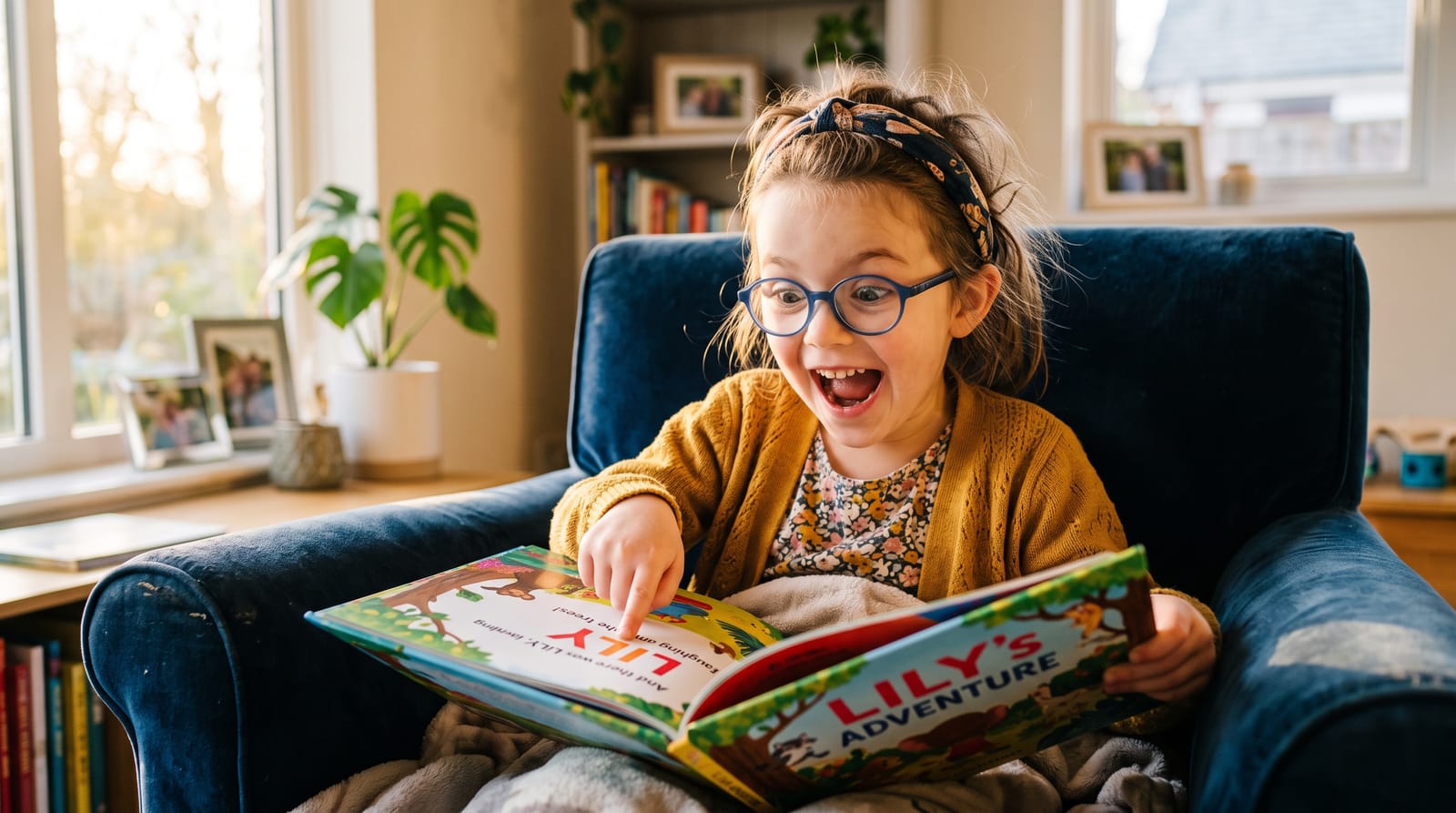
When you introduce personalization into these rich worlds, the impact is doubled. In a standard picture book, a child watches a character navigate a magical forest. In a StorytimeHero narrative, the child is the one discovering the hidden cafe at the edge of the woods. This shifts the internal monologue of the young reader from "Look what they are doing" to "Look what I am capable of." Personalization grounds the "high-fantasy" elements in the child’s own reality, making the magic feel accessible rather than distant.
Cultivating a Growth Mindset Through Storytelling
Modern parenting has embraced the "growth mindset"—the idea that abilities can be developed through dedication and hard work. Consequently, the picture book market has seen a rise in stories that deal with real-world problem-solving. Whether it’s a character navigating the social complexities of food allergies or a young protagonist learning to handle a "not-yet" moment, these stories are designed to build resilience.
Personalized books take this a step further by turning a lesson into a rehearsal. When a story addresses a challenge—like a difficult puzzle or a lifestyle adjustment—and uses the child’s own name and likeness, the "protagonist effect" takes over. The child isn't just learning how Tova or Oliver solves a problem; they are seeing a version of themselves succeeding.
This is particularly effective for navigating sensitive topics. A story about a child with a food allergy becomes much more than a cautionary tale when the child sees themselves as the hero of that story, making smart choices and finding "sweet solutions" to their own obstacles. It transforms the narrative from one of restriction to one of empowerment.
The Lyricism of Identity: Poetry and Ancestry
Poetry in the picture book format is experiencing a beautiful resurgence. Authors are moving beyond simple AABB rhyme schemes to explore free verse, lyrical biographies, and meditations on heritage. These books celebrate the "joy of sound" and the "startling images" that only verse can provide.
Poetry is essentially the language of the heart. It’s used to explore deep feelings, celebrate ancestry, and ground a child in their own identity. But for some children, abstract poetry can feel out of reach. Personalization acts as the "narrative glue" that connects the child to the lyricism.
Imagine a poem about the wind, the stars, and the ancestors who came before. Now, imagine that poem addressing the child by name, weaving their specific presence into the fabric of the universe. By making the child the subject of the poetry, we teach them that their life is a work of art. This helps in modernizing the picture book by making the "big" themes of existence feel personal and intimate.
Why the "Active Participant" Matters in {YEAR}
The modern child is an active participant in almost every other form of media they consume, from interactive games to educational apps. The traditional, static picture book must evolve to maintain its relevance in this landscape. Personalization is the most organic way to achieve this without sacrificing the tactile, quiet magic of a physical book.
When a child sees themselves in a story, their "narrative transportation"—the feeling of being lost in a book—is significantly deeper. They aren't just observers; they are stakeholders. This level of engagement is crucial for developing early literacy skills and a lifelong love of reading.
At StorytimeHero, we believe that every child deserves to see themselves as the hero of a high-quality, beautifully illustrated story. By synthesizing the best of modern trends—the wonder of fantasy, the strength of a growth mindset, and the beauty of poetic language—we create books that aren't just read, but cherished.
Strengthening the Family Bond Through Shared Narratives
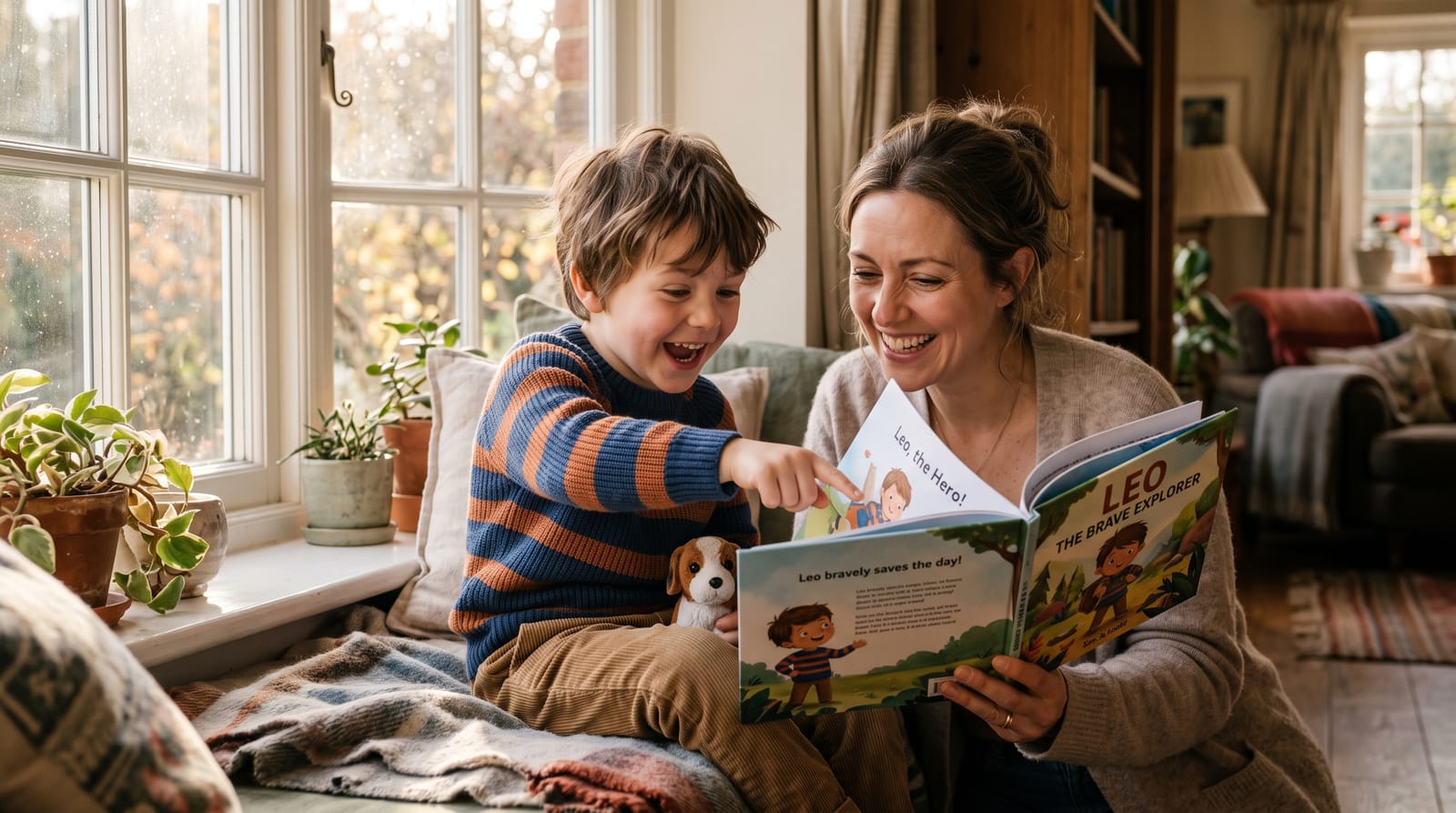
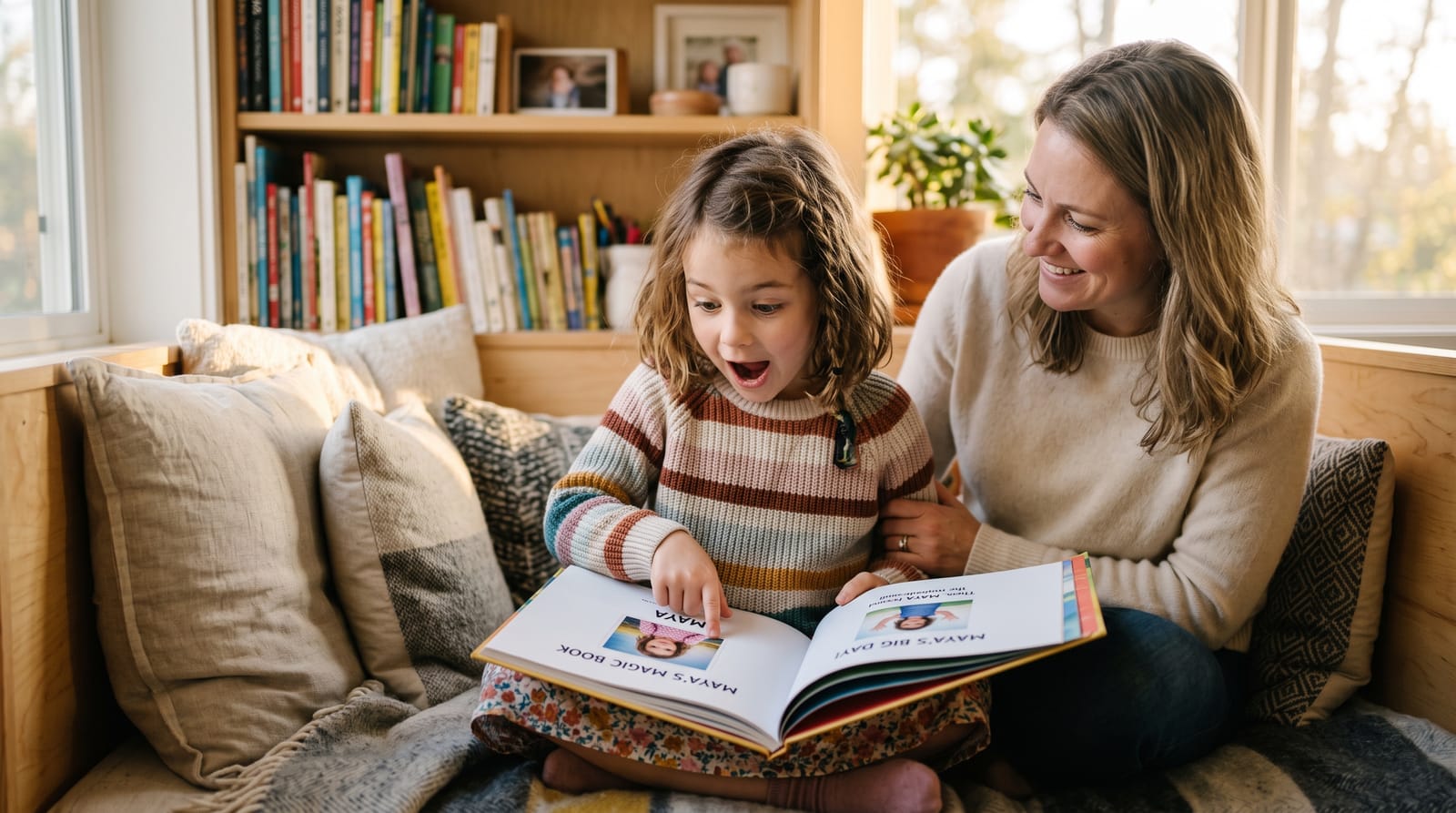
Beyond the individual benefits for the child, the personalized picture book serves as a powerful tool for family connection. Reading together is a foundational ritual, but when the story being read is about the very child sitting in your lap, the experience becomes a shared celebration of that child’s life.
It allows parents to highlight specific values or traits they see in their children. If a child has been particularly brave recently, a personalized story about courage reinforces that identity. If they’ve been curious, a story about exploration validates their wonder. This is how we are reimagining the picture book for modern families, making it a living document of a child’s growth and potential.
Conclusion: The Future is Personal
The evolution of the picture book is a reflection of our changing understanding of childhood. We now know that children are capable of engaging with complex themes, rich language, and nuanced emotions. The trend toward high-fantasy, emotional resilience, and lyrical storytelling is a testament to the respect we have for young minds.
Personalization is the final piece of this puzzle. It ensures that no matter how big the world-building or how deep the emotional theme, the child always has a place within the story. As we move through {YEAR}, the "living narrative" will continue to grow, proving that the most important character in any story is the one holding the book.
---
FAQ: Common Questions About Personalized Picture Books
Q: Are personalized books only for younger children, or can older kids enjoy them too?
A: While many personalized books are designed for the "read-to-me" age group (3-7), the modern trend toward high-fantasy and complex world-building means that older children (8-10) often find great joy in seeing themselves as the protagonist of a more sophisticated adventure. The "protagonist effect" remains strong even as reading levels advance.
Q: How do personalized books help with "reluctant readers"?
A: Reluctant readers often struggle with a lack of connection to the material. When a child is the main character, their curiosity naturally increases. They are more likely to put in the effort to decode words and follow the plot when the story is literally about them. This is often referred to as the protagonist effect.
Q: Can personalized books handle "heavy" topics like allergies or anxiety?
A: Absolutely. In fact, personalization is one of the best ways to tackle these topics. By placing the child in a safe, fictionalized version of their own reality, they can practice "problem-solving" and develop a "growth mindset" in a low-stakes environment. It makes the lessons feel like a personal victory rather than a lecture.
Q: What makes StorytimeHero different from a standard picture book?
A: A standard picture book offers a universal experience, whereas StorytimeHero offers a specific one. We utilize modern illustration styles and deep narrative structures that reflect current trends in children's literature, ensuring that the "personalization" is matched by high-quality storytelling.
---
Related Reading
If you enjoyed exploring the evolution of children's literature, you might find these articles helpful:
Free preview checklist
Get the personalized book gift checklist
Know what photo to use, what to write in the dedication, and what to review before ordering.