Why Kids Read More When They're the Main Character | StorytimeHero
Upload a photo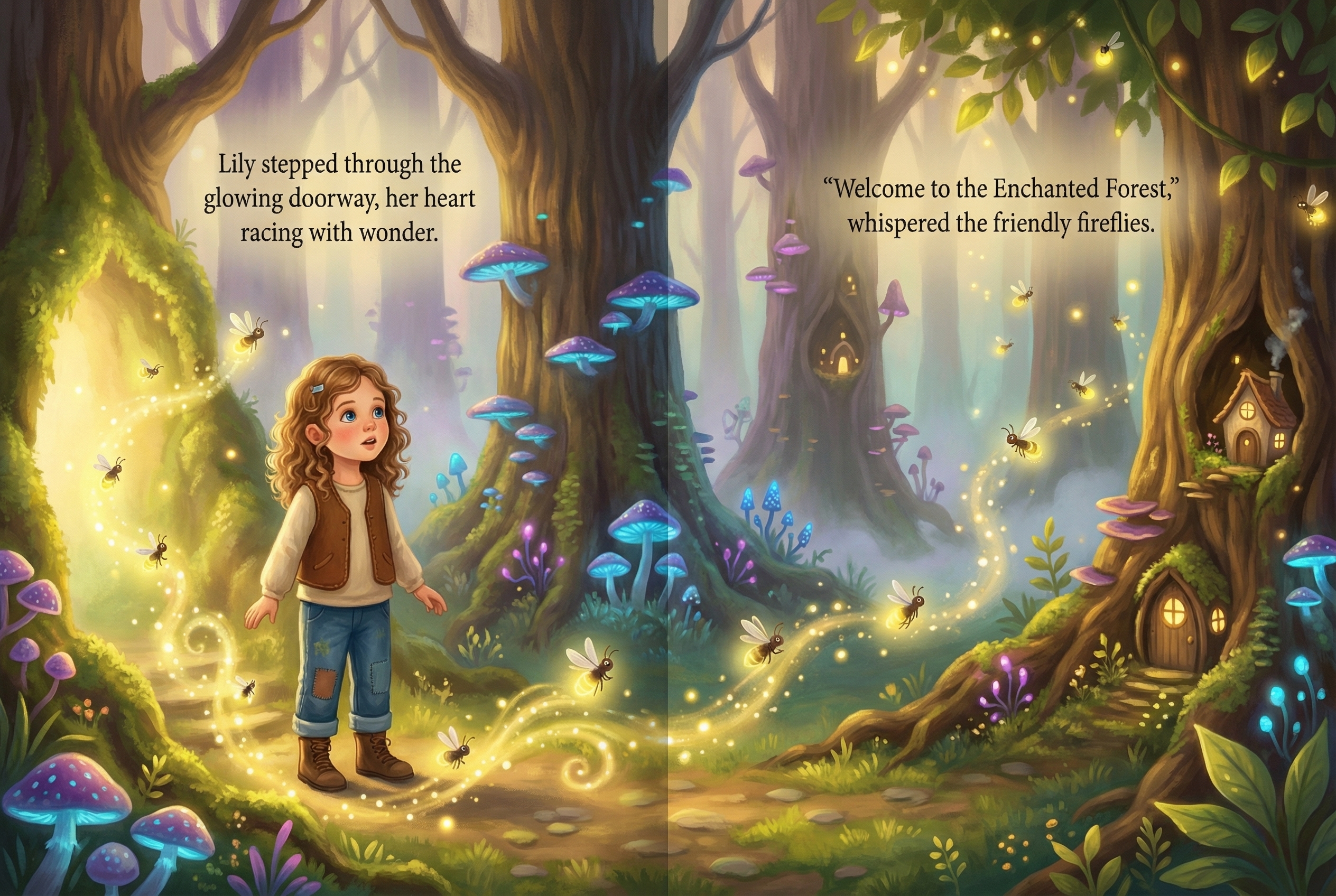
Every parent knows the quiet tension of the "summer reading list." It arrives in the backpack on the last day of school—a curated selection of titles meant to bridge the gap between grades and prevent the dreaded "summer slide." We look at these lists with hope, envisioning our children curled up in a hammock or on a beach towel, lost in a world of adventure. Yet, for many families, the reality is a bit more of a tug-of-war. The books remain on the nightstand, dust-jackets pristine, while the allure of screens or outdoor play wins the day.
The challenge isn’t usually a lack of great stories. Between the expansive collections at local libraries and the ever-evolving recommendations for every grade level, there is no shortage of high-quality literature. The hurdle is often one of connection. When a child opens a book, they are looking for a reason to stay. They are looking for themselves.
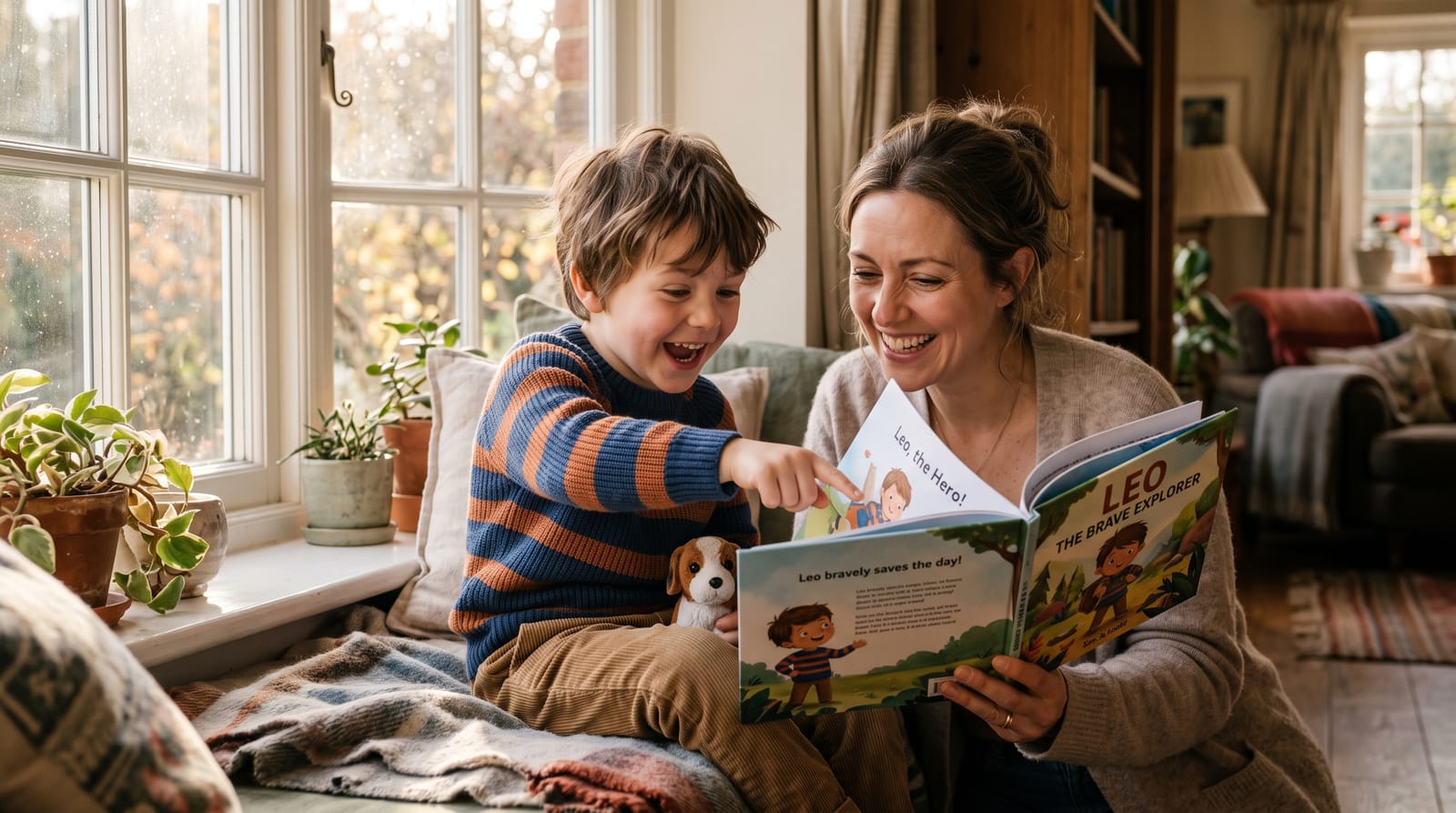
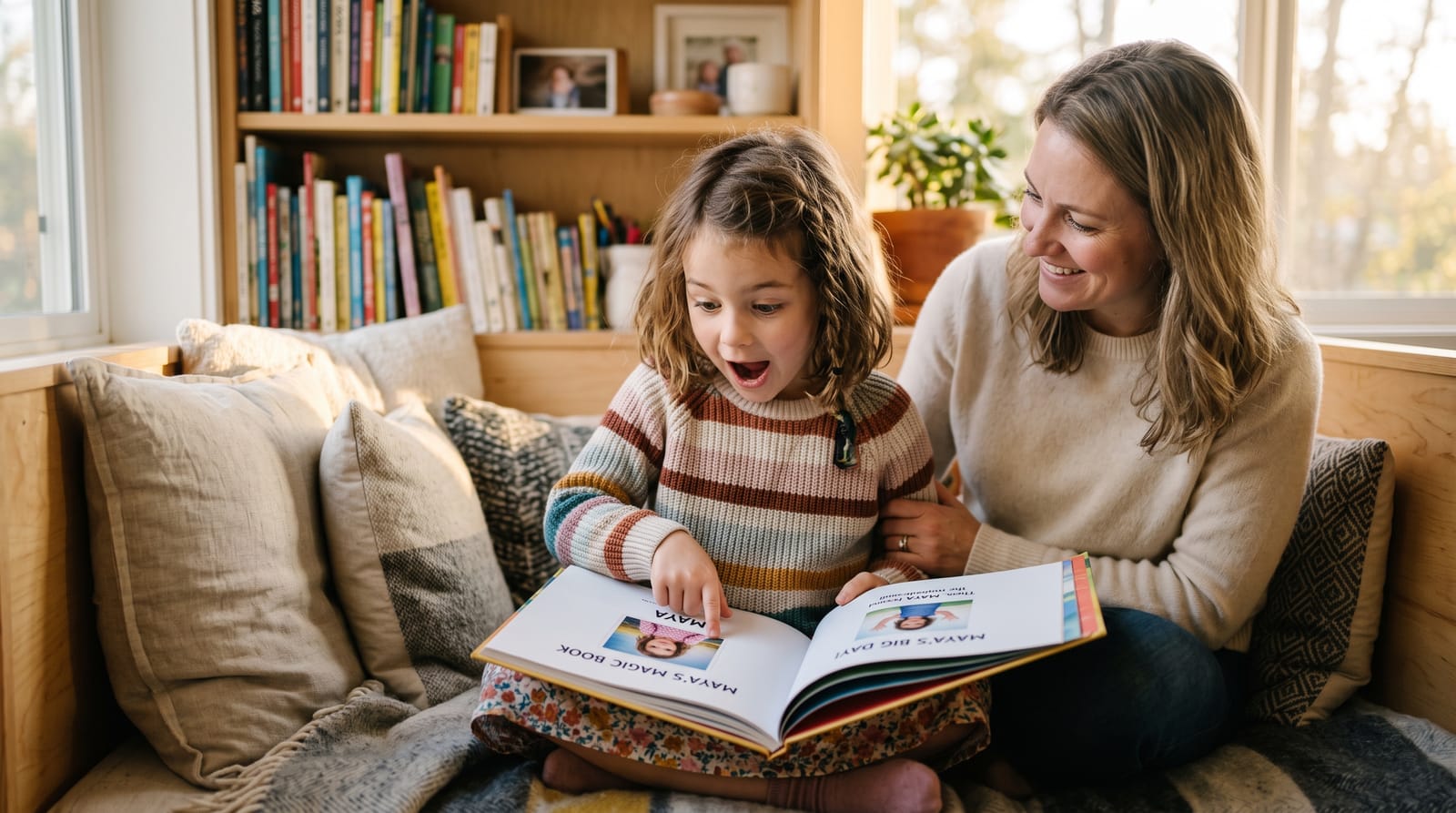
This is where the "Protagonist Effect" comes into play. When a child sees their own name, their own likeness, and their own world reflected on the page, the act of reading transforms from a passive observation into an active, lived experience. In {YEAR}, as we navigate an increasingly digital world, the power of a physical, personalized book to anchor a child’s attention has never been more vital.
The Psychology of the Self-Reference Effect
Why does personalization work so well? It isn’t just a gimmick; it’s rooted in a cognitive phenomenon known as the Self-Reference Effect. This psychological principle suggests that the human brain encodes and remembers information more effectively when it is related to the self.
For a young reader, this means that a story about a "brave knight" is an abstract concept. But a story about "[Your Child’s Name], the Brave Knight," is a memory in the making. When children are the main characters, their brains are more "switched on." They aren't just decoding words; they are visualizing their own actions, processing their own emotions, and solving problems within the narrative framework.
By using personalized books, we are essentially giving children a cognitive shortcut to engagement. This deep level of involvement is a cornerstone of Nourishing Young Readers with Personalized Picture Books, as it builds the foundational stamina required for more complex reading later in life.
Turning the Summer List from a Chore into a Choice
As we look at the seasonal cycles of reading—from the focused goals of the school year to the more relaxed "beach read" vibes of the summer—we often see a dip in motivation. Source materials frequently highlight the importance of "building a stack" of books that kids actually want to read. The secret to a successful stack isn't just variety; it’s relevance.
When a child feels ownership over a story, the "I have to read" mentality shifts to "I want to see what I do next." This is particularly helpful for reluctant readers who may feel intimidated by dense text or unfamiliar settings. Personalization acts as a warm invitation. It says, "This story cannot happen without you."
Integrating these unique narratives into a child’s routine helps bridge the gap between academic requirements and genuine leisure. By Modernizing the Picture Book with Personalization, we can make the transition between school lists and summer fun feel seamless. The child who sees themselves as the hero of a story is far more likely to pick up the next book on the shelf, because they have already identified as a "reader" and a "doer."
Building the "I Can" Confidence
Literacy is about more than just phonics and fluency; it is about identity. When kids are the main characters, they are constantly practicing "agency." In the world of the book, they are the ones who find the lost key, make the new friend, or save the day.
This rehearsal of success is incredibly powerful for developing self-esteem. For a child struggling with a specific real-world challenge—perhaps starting a new school or learning a new skill—a personalized book allows them to "play out" a successful outcome. They see themselves navigating obstacles and coming out the other side.
This is a key way that Personalized Books Support Modern Parenting. We aren't just telling our children they are capable; we are showing them a tangible, printed record of their capability. This builds a sense of "narrative competence"—the belief that they have a say in how their own life story unfolds.
Beyond Prose: Making Poetry and Complex Genres Accessible
We often think of personalized books as simple adventure stories, but the "Protagonist Effect" extends to more complex forms of literature, including poetry. Many parents find it difficult to introduce poetry to young children, fearing it might feel too abstract or "boring."
However, during initiatives like Poetry Month, we see that children respond best to verse when it feels personal. A poem about the wind is fine, but a poem about the wind ruffling their hair or blowing through their backyard is captivating.
Personalization simplifies the abstract. It provides a concrete anchor—the child’s own identity—that allows them to explore more sophisticated language and metaphors. When the "participatory page" includes the reader’s own name, the rhythm and rhyme of the text become a personal anthem. For more on how this interactive element changes the reading dynamic, explore The Participatory Page: Personalized Books & Modern Needs.
Creating a Living Library
In an era where we are inundated with "stuff," there is something profound about a child’s "stack" of favorite books. We want our children to have a library that feels like a sanctuary—a place where they are known and celebrated.
Standard books are windows into other worlds, which is essential for developing empathy. But personalized books are mirrors. A healthy reading diet requires both. By including StorytimeHero books in your child's collection, you ensure they have a "home base" in their library.
This "mirror effect" is especially important for children who may not often see themselves represented in mainstream media. Every child deserves to see a hero who looks like them, has their name, and shares their family structure. This sense of belonging is explored deeply in our guide on Personalized Books: Representation and Embodiment.
Practical Tips for Boosting Reading Engagement
If you're looking to leverage the Protagonist Effect in your home this year, consider these simple strategies:
- The "Main Character" Morning: Start the day by reading a personalized story where the child accomplishes a task. It sets a positive, "can-do" tone for the day's real-world activities.
- Pairing the Lists: When you get a summer reading list from school, pair one "required" book with one personalized book. This creates a "one for school, one for me" balance that keeps motivation high.
- Active Storytelling: While reading a personalized book, stop and ask, "Since you are the hero, what would you do if the story went a different way?" This encourages critical thinking and deeper engagement.
- Create a Reading "Setup": Follow the lead of seasoned readers and create a dedicated space—a hammock, a pile of pillows, or a "reading fort"—where the child can dive into their personalized adventures.
The Long-Term Impact of Being the Hero
When we look back at our favorite childhood books, we often remember how they made us feel. We remember the comfort, the excitement, and the sense of possibility. By putting your child at the center of the narrative, you are giving them more than just a book; you are giving them a sense of significance.
The Protagonist Effect doesn't just help kids read more; it helps them read better. It fosters a deep, emotional connection to the written word that can last a lifetime. In a world that often asks children to fit into pre-made boxes, personalized books offer a space where the box is built around them.
At StorytimeHero, we believe that every child has a story worth telling. When they see themselves on the page, they don't just see a character—they see a hero. And that, more than anything else, is what turns a child into a lifelong reader.
***
FAQ: What Parents Ask About Personalized Reading
Related Reading
Free preview checklist
Get the personalized book gift checklist
Know what photo to use, what to write in the dedication, and what to review before ordering.