Personalization and Modern Picture Book Themes | StorytimeHero
Upload a photo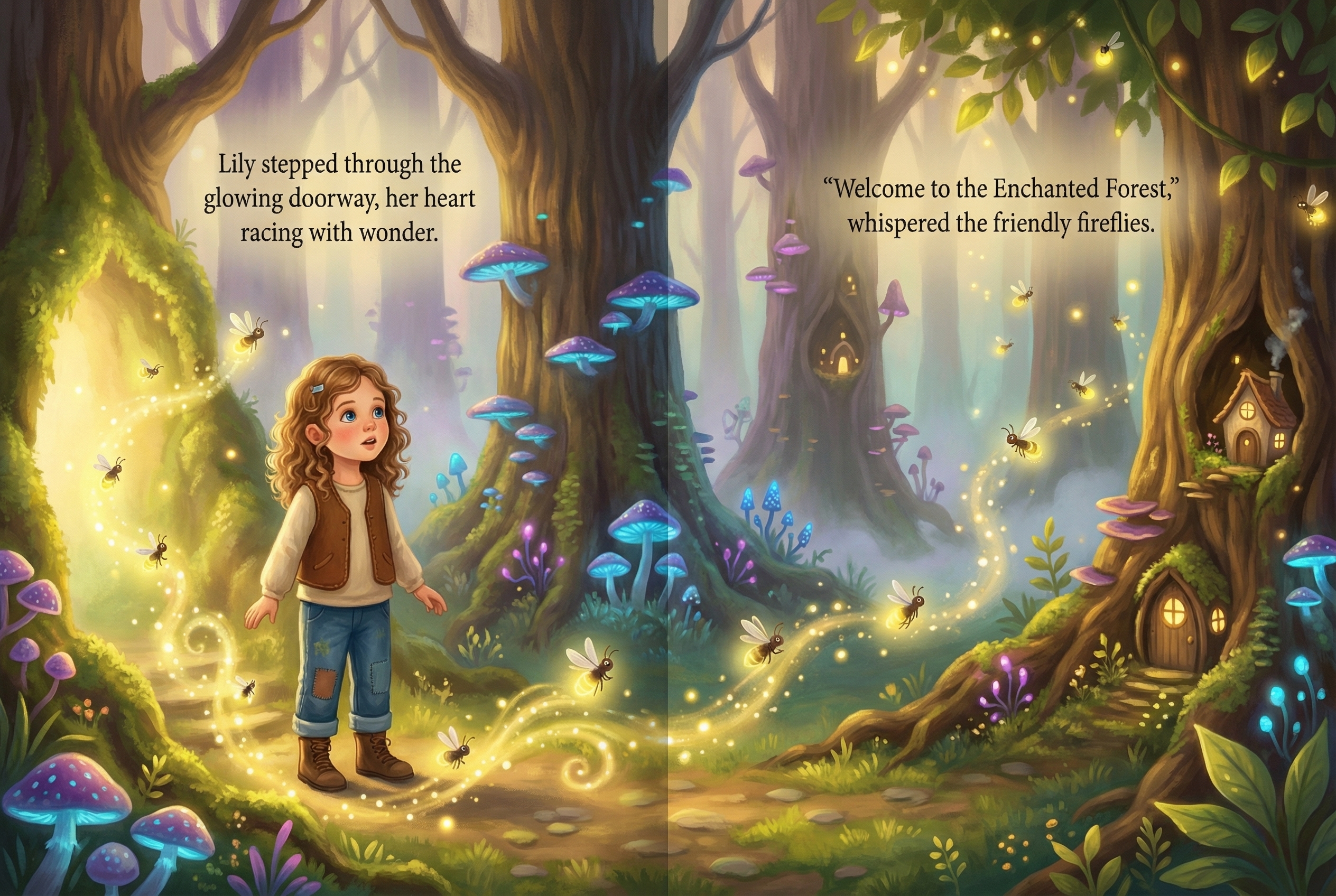
The landscape of children’s literature is shifting. If you browse the shelves of a local library or bookstore today, you’ll notice that the picture book has evolved far beyond simple fables or bedtime rhymes. Modern stories are tackling big, nuanced topics: the intricacies of food allergies, the quiet rhythm of the changing seasons, the persistence required for a growth mindset, and the lyrical beauty of poetry.
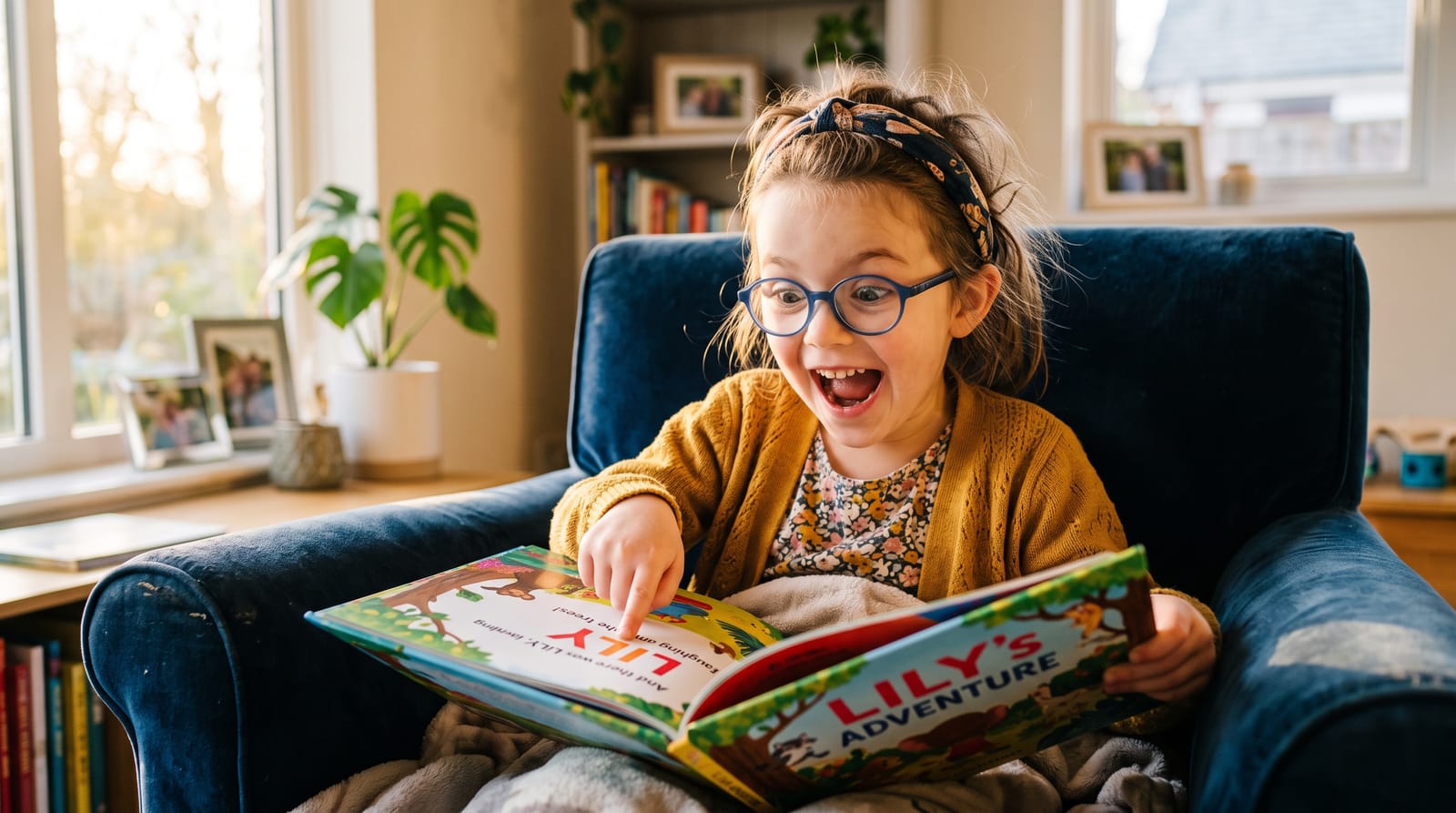
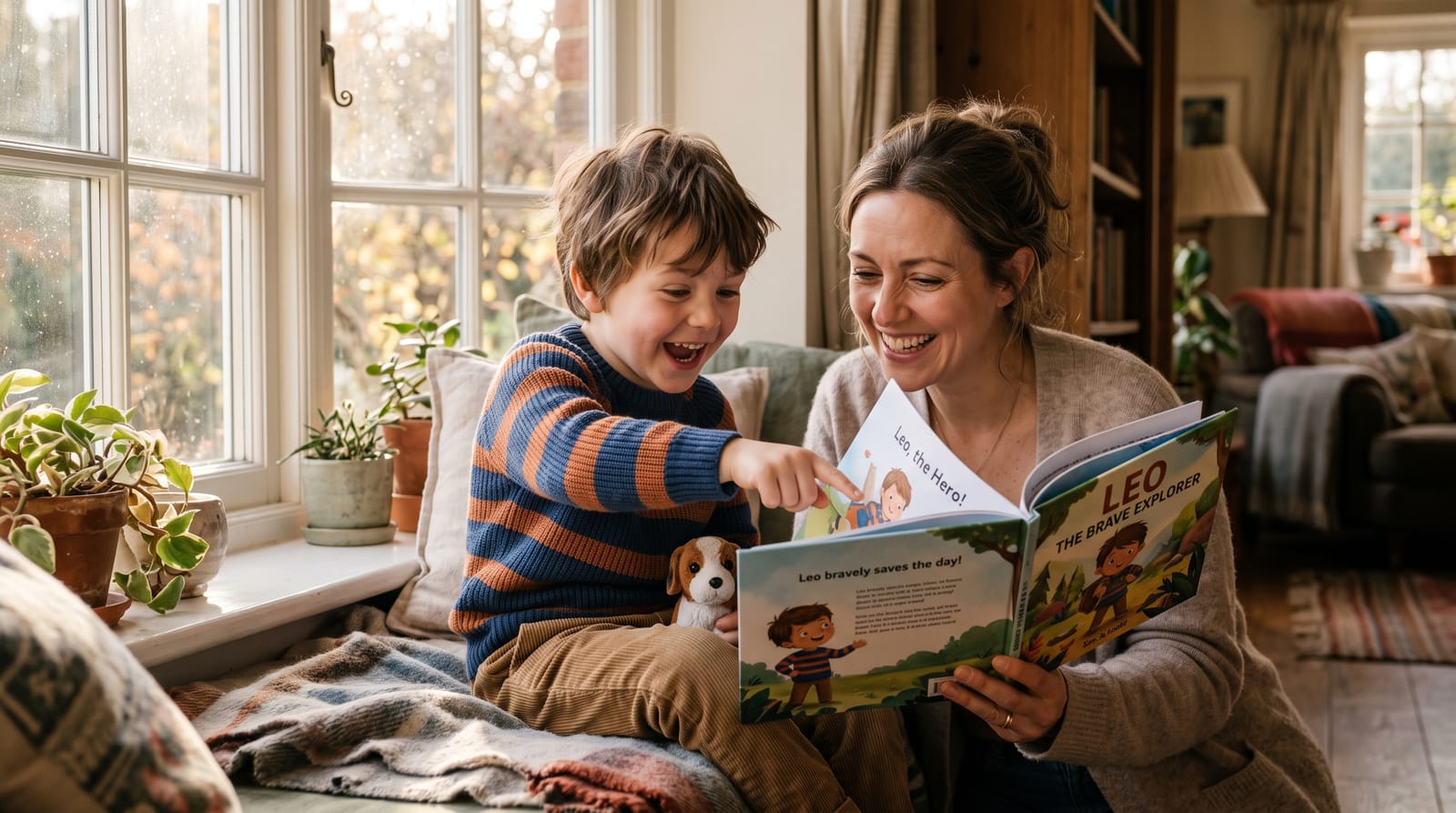
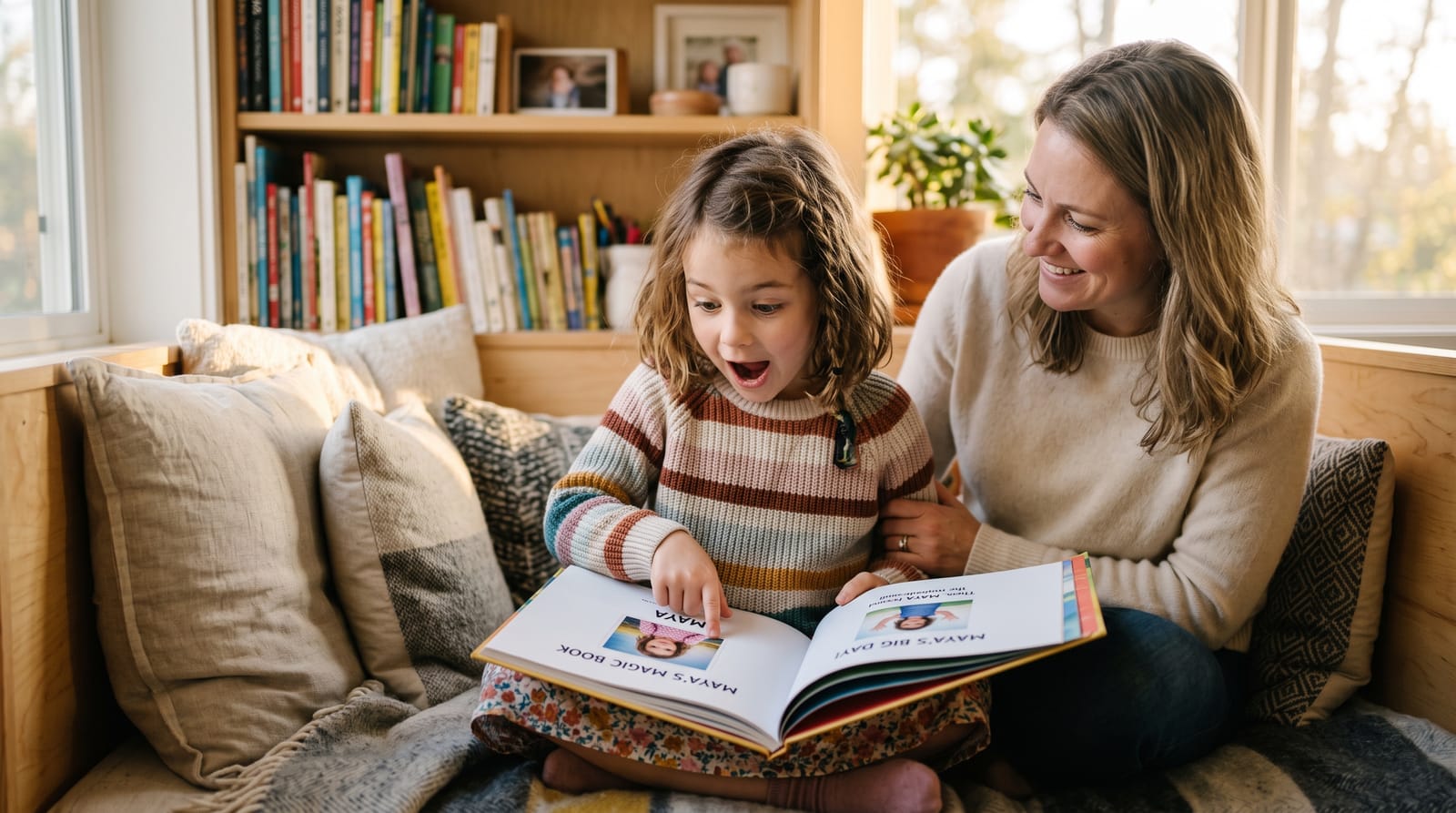
While these themes are vital for a child’s development, they can sometimes feel abstract or distant to a three-year-old or a first-grader. This is where the magic of personalization steps in. By placing a child at the center of the narrative, we don't just tell a story; we create a lived experience. At StorytimeHero, we believe that when a child sees their own name and likeness navigating these modern themes, the "lesson" of the book transforms into a personal milestone.
Bridging the Gap Between Concept and Reality
The modern picture book often serves as a child’s first introduction to complex social and emotional landscapes. For instance, stories that focus on problem-solving—such as navigating life with food allergies or overcoming a difficult task—are becoming essential tools for parents.
However, there is a cognitive leap required for a child to take the "problem-solving" skills of a fictional character and apply them to their own life. When a book is personalized, that leap is shortened. If the protagonist facing a challenge shares the child's name, the child isn't just observing a character’s resilience; they are practicing their own. This is a core part of the evolution of the modern picture book, where the narrative becomes a mirror for the child’s burgeoning identity.
By integrating the child into the story, personalized books act as a rehearsal for real life. Whether it’s learning to be patient while waiting for spring to bloom or understanding how to safely navigate a birthday party with dietary restrictions, the presence of the child in the text validates their experience and bolsters their confidence.
The Poetry of the Personal: Rhythm and Belonging
Poetry has long been described as a "balm" for the heart and mind. It introduces children to the joy of sound, the cadence of language, and the power of imagery. In the world of the picture book, poetry often helps children process deep feelings and ancestral connections.
But there is a unique kind of poetry in a child’s own name. For a young reader, hearing their name woven into a rhythmic, lyrical story creates an immediate emotional resonance. It transforms the act of reading from a passive observation into an active, auditory celebration of them.
This emotional connection is why kids read more when they're the main character. When the "joy of sound" mentioned by poetry enthusiasts includes the sound of the child’s own identity, the book becomes a "precious thing" they want to return to daily. It grounds the abstract beauty of poetry in the concrete reality of the child’s existence.
Connecting with the Natural World
Nature-themed books are a staple of the picture book genre, especially those that celebrate the transition from winter to spring. These stories encourage children to slow down, look closely at the "fresh-turned earth," and notice the small details of growth and change.
In {YEAR}, as our lives become increasingly digital, these analog connections to nature are more important than ever. Personalization adds a layer of "sensory belonging" to these stories. Imagine a book about the first flowers of spring where the child is the one discovering the "delicate, magical" petals.
When a child is the one saying "hello" to the blossoming trees and "goodbye" to the fading frost, they develop a sense of stewardship and curiosity about the world around them. The story isn't just about "nature"; it’s about their relationship with nature. This approach helps in nourishing young readers by making the environmental themes of modern books feel immediate and relevant to their own backyard.
Fostering a Growth Mindset Through Narrative
One of the most significant trends in modern children’s literature is the focus on a "growth mindset"—the idea that abilities can be developed through dedication and hard work. Many new picture books highlight characters who fail, try again, and eventually succeed.
While these stories are inspiring, they are even more powerful when the child is the one doing the "trying." In a personalized book, the child sees themselves:
- Persisting through a difficult puzzle.
- Learning a new skill, like gardening or writing.
- Managing the emotions that come with a "false start" or a mistake.
This narrative embodiment serves as a powerful psychological tool. It provides the child with a mental blueprint for resilience. When they encounter a real-world struggle, they can look back at their "own" story and remember that they are the kind of person who solves problems and keeps going.
Why Personalized Books are Modern Parenting Allies
As parents, we often look to books to help us explain the world. We want stories that reflect our values, address our children’s specific needs, and provide a sense of calm in a hectic world. The modern picture book does a lot of this heavy lifting, but personalization is the "narrative glue" that makes it stick.
At StorytimeHero, we see personalized books as parenting allies. They take the high-level concepts found in the best modern literature—themes of ancestry, identity, ecology, and emotional intelligence—and deliver them in a package that a child can wrap their arms around.
By making the child the hero, we ensure that the lessons of the book aren't just heard, but felt. We move from "once upon a time, there was a child who learned to be brave" to "once upon a time, you were brave." That shift in perspective makes all the difference in how a child perceives their place in the world.
The Sensory Experience of the Page
There is a tactile joy in a well-crafted picture book. The "sketch-like illustrations," the "sherbet-colored clouds," and the "lush, detailed" scenes are designed to awaken a child’s senses. When these visuals are paired with a personalized story, the sensory experience is heightened.
A child doesn’t just see a beautiful garden; they see themselves in that garden. They don't just hear a poem; they hear a poem written for them. This creates a sense of "presence" that is often missing from digital media. It encourages the "slowing down" that educators and librarians advocate for, especially during busy seasons of change.
In {YEAR}, the goal of the picture book remains the same as it has always been: to delight, to instruct, and to comfort. By embracing personalization, we are simply giving the modern picture book the tools it needs to meet the needs of the modern child.
FAQ
Related Reading
- The Evolution of the Modern Picture Book: Identity and Resilience
- Personalization and the Modern Picture Book: Filling the Gaps
- How Personalized Books Support Modern Parenting Challenges
- The Power of Presence in Modern Picture Book Narratives
In the end, every child deserves to be the hero of a story. Whether they are exploring the "fresh-turned earth" of a spring garden or learning the "tenacity" required to achieve their dreams, personalized books ensure that the journey is uniquely theirs. As we look toward the future of children's literature in {YEAR}, it's clear that the most impactful stories will be the ones where the reader can truly say, "That's me."
Free preview checklist
Get the personalized book gift checklist
Know what photo to use, what to write in the dedication, and what to review before ordering.