Personalization and the Modern Picture Book | StorytimeHero
Upload a photo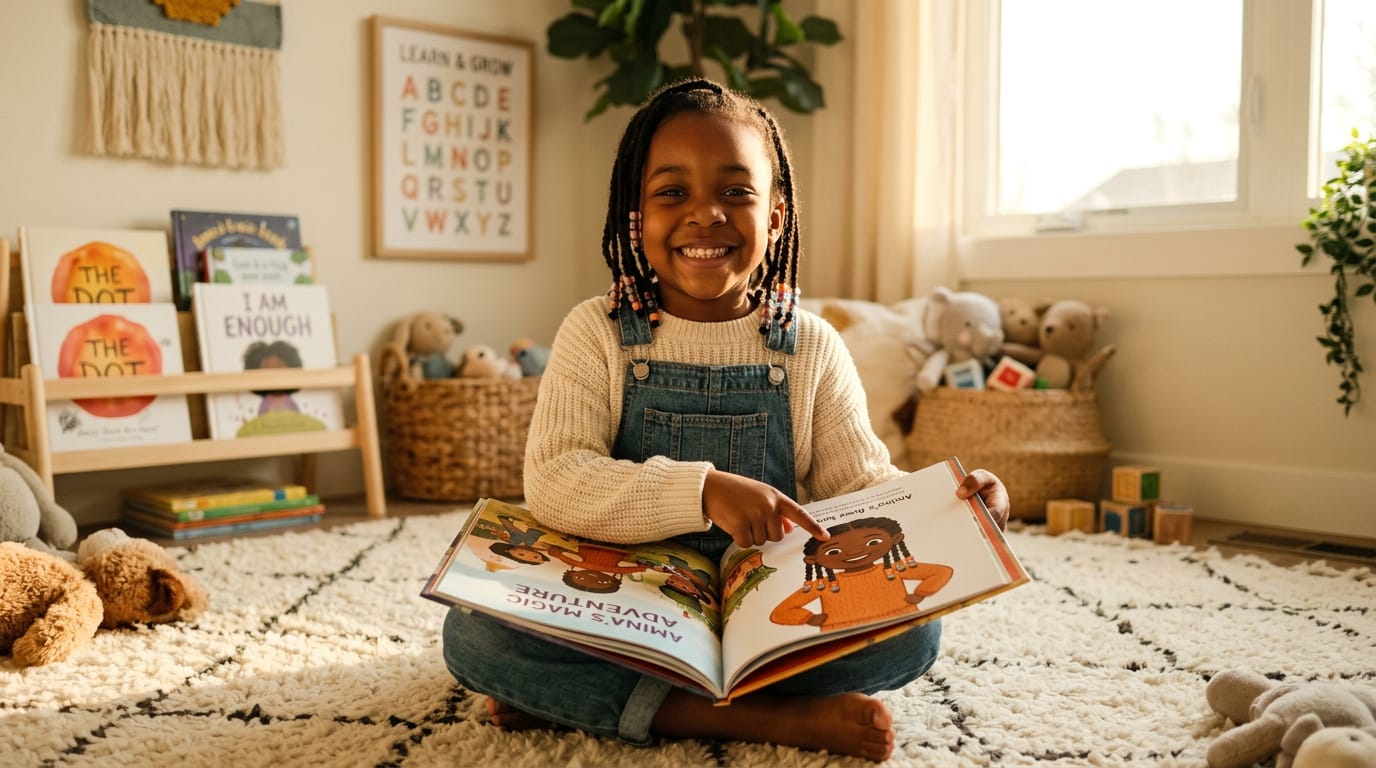
For decades, the standard picture book has served as a cornerstone of early childhood. These stories are often the first windows through which our children view the world, offering a mix of whimsical art and foundational life lessons. Many of us grew up with the same "classics" that we now find ourselves reading to our own little ones. However, as we move through {YEAR}, many parents are beginning to realize that the traditional library—while full of charm—doesn't always reflect the complexity, diversity, and specific needs of today's children.
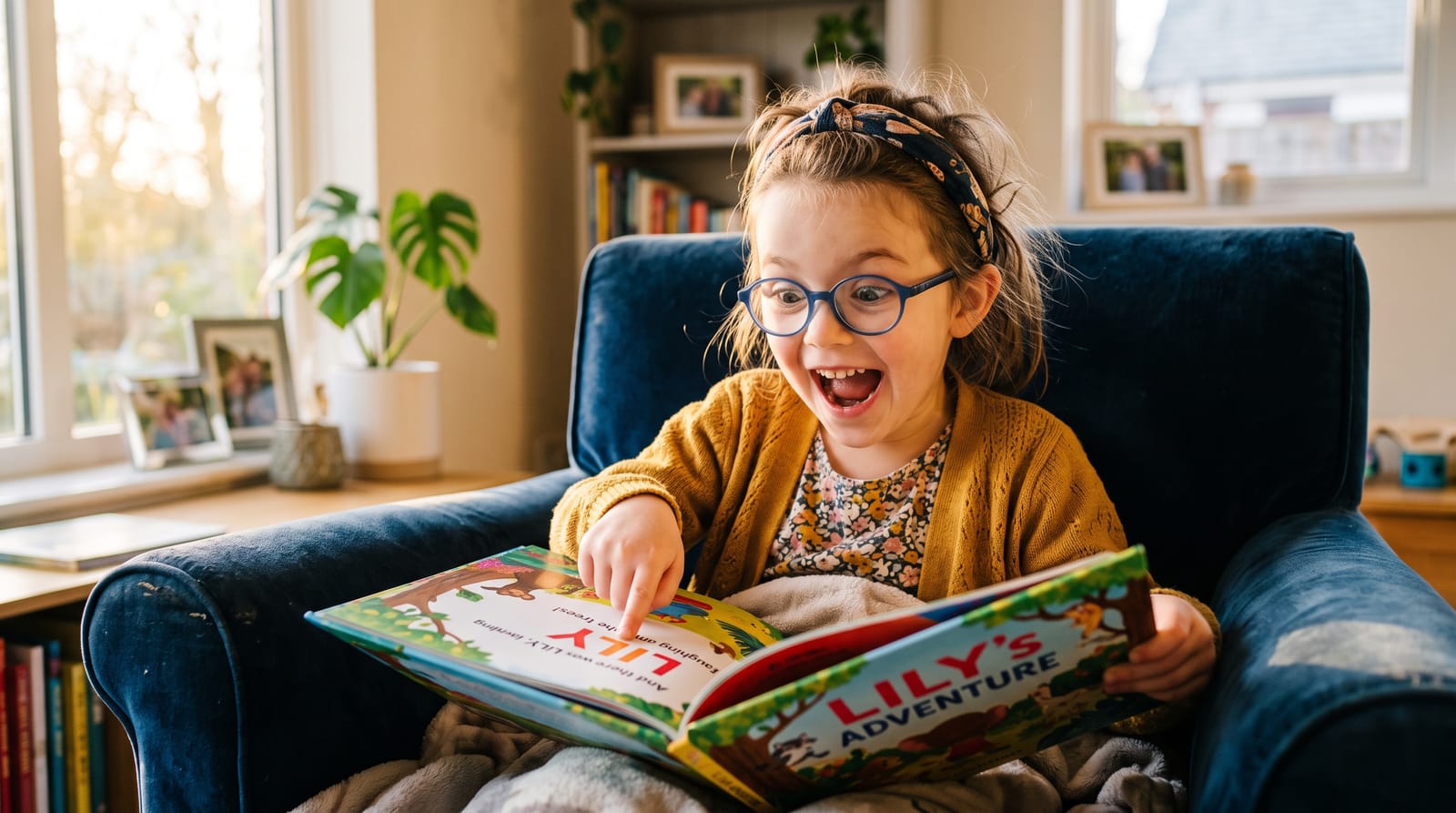
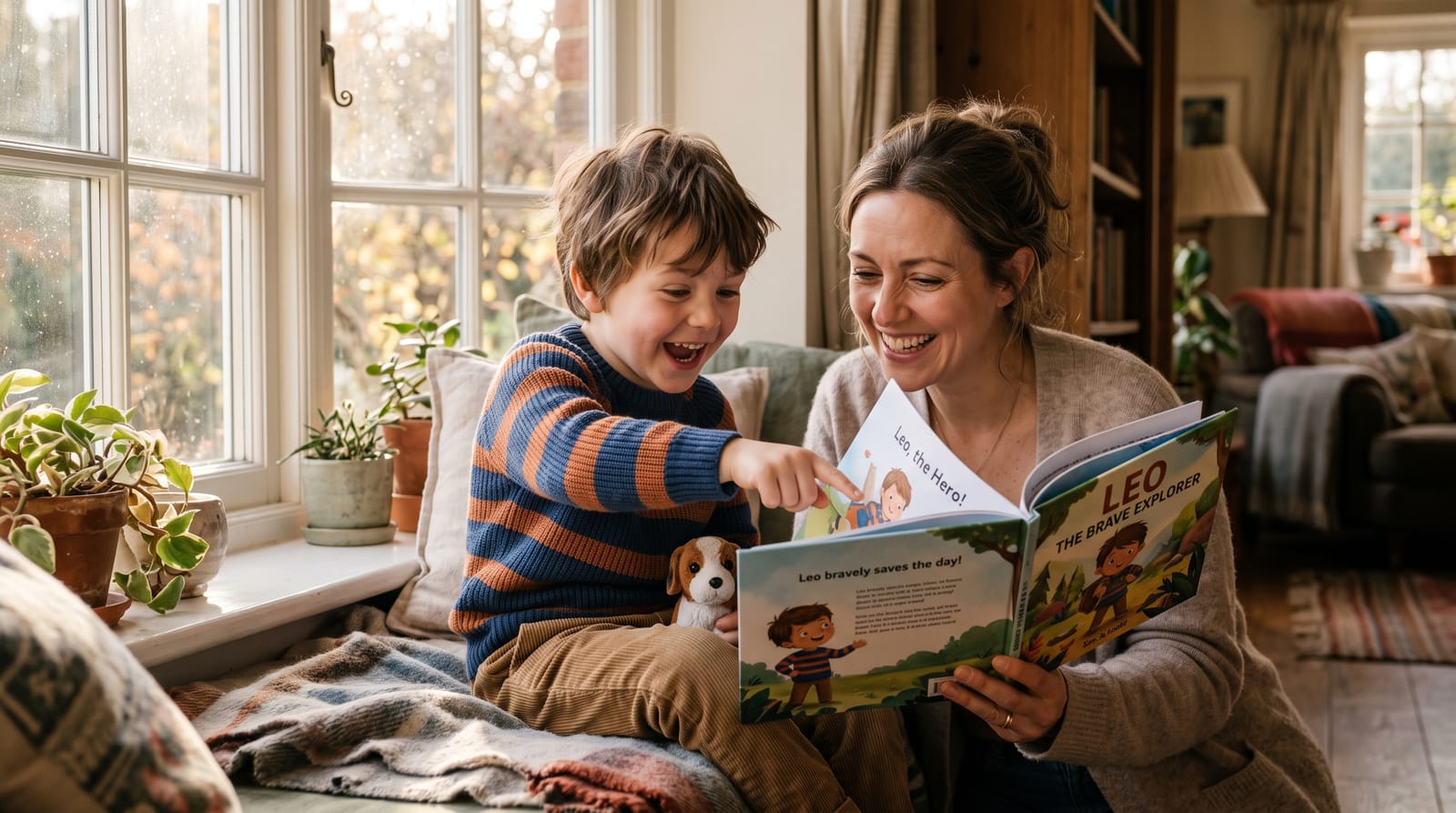
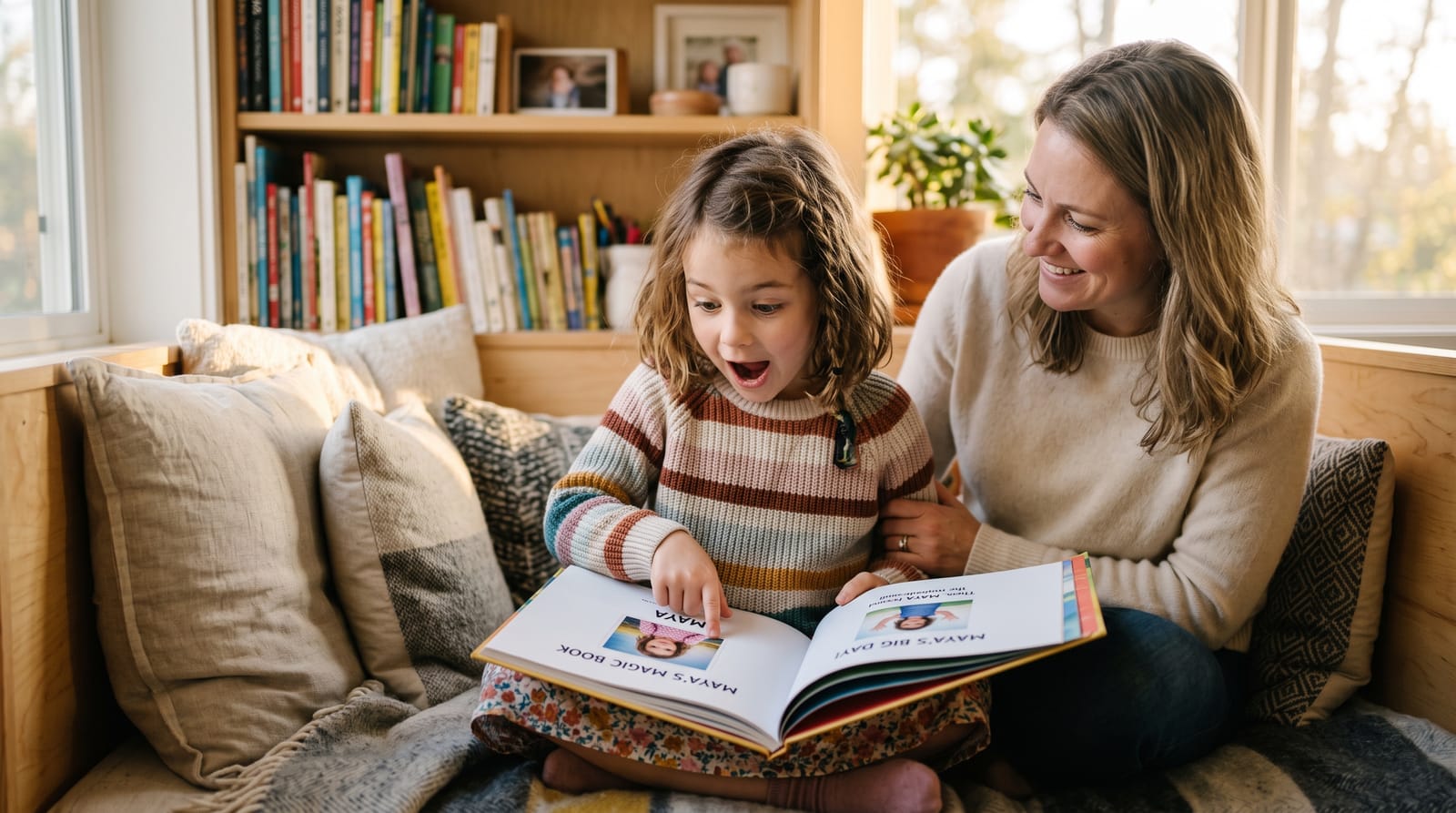
This is where the evolution of the picture book takes a transformative turn. At StorytimeHero, we’ve observed a growing shift toward personalization, not just as a novelty, but as a meaningful way to address the areas where traditional publishing sometimes falls short. By placing a specific child at the center of the narrative, personalized books bridge the gap between "a story" and "my story," creating a more inclusive and relevant reading experience.
Moving Beyond the "Classic" Narrative Trap
We all have fond memories of certain books from our childhood, but looking at them through a modern lens can sometimes be eye-opening. Some "timeless" stories rely on themes that don't necessarily align with the values we want to instill today. For instance, stories that celebrate unconditional sacrifice without any sense of boundaries or reciprocity can send confusing messages to a developing mind.
The modern picture book is moving toward a more nuanced understanding of emotional intelligence. Parents are increasingly seeking stories that teach children it is okay to have needs, to say no, and to expect kindness in return. Personalized books allow parents to curate these values. When a child sees themselves as the hero of a story, they aren't just observing a character's choices; they are practicing those choices themselves. This active participation helps them navigate real-world social dynamics with more confidence and a healthier sense of self.
By updating the "hero" of the story to be your own child, you are essentially creating a new set of traditions. You aren't tied to the outdated tropes of the past. Instead, you can focus on narratives that emphasize growth, mutual respect, and modern resilience. For more on how this shift is happening, you might find our look at How Personalized Books Redefine the Picture Book helpful.
Breaking Barriers in Representation and Ambition
Representation in children’s literature has come a long way, but there is still a significant journey ahead. Often, diverse characters are relegated to "special" months or specific historical contexts. However, children need to see themselves in every role—as explorers, scientists, world-class athletes, and everyday heroes—all year round.
Consider the world of sports. For a long time, the imagery of the "champion" was fairly narrow. Today, we know that strength and excellence come in every form. When a young girl reads a picture book where she is the one breaking the record or climbing the highest peak, the psychological impact is profound. It moves the concept of "greatness" from something that happens to other people to something that is possible for her.
Personalization ensures that representation isn't just a checkbox on a publisher's list; it is a lived experience for the reader. Whether it’s celebrating female athleticism or cultural heritage, making the child the protagonist removes the "otherness" that can sometimes exist in generic diverse literature. This is a core part of the inclusive storytelling evolution we are seeing across the industry.
A Mirror for Every Kind of Brain
One of the most vital shifts in the modern picture book landscape is the increasing focus on neurodiversity. Every child’s brain works differently, and for many, the world can feel like it wasn't quite designed for them. Traditional stories often follow a very linear, "typical" emotional arc that might not resonate with a child who experiences the world through the lens of autism, ADHD, or sensory processing differences.
Personalized books offer a unique opportunity to validate these different ways of being. Instead of a child feeling like an outsider looking in on a "normal" character, a personalized narrative can mirror their specific way of interacting with the world. If a child finds comfort in quiet spaces or experiences big emotions in a unique way, a story that centers them can provide a sense of safety and community.
Seeing their own name and likeness in a book that celebrates their unique rhythm—whether that’s a different way of speaking, moving, or processing information—can be incredibly healing. It tells the child that their version of the world is not only valid but worthy of being the center of a story. This focus on resilience and representation is what makes modern personalization so much more than just a name on a cover.
Why Relatability is the New Gold Standard
In the past, the goal of many children's books was to transport the reader to a far-off land. While fantasy still has its place, there is a growing demand for "mirror books"—stories that reflect the child's actual life back to them. Why? Because when a child can connect a story directly to their own experiences, they are significantly more likely to develop a lifelong love of reading.
Personalized books address this by making the "relatability" factor 100%. When the hero of the picture book has the same name, the same family structure, or even the same pet as the reader, the child’s engagement levels skyrocket. This isn't just about vanity; it’s about cognitive development. The "name-recognition effect" helps early readers focus more on the text and the narrative structure because they are already emotionally invested in the protagonist.
This deep connection helps children navigate the world around them. Whether it’s a story about starting school, moving to a new house, or simply learning to be a good friend, the lessons stick because they are "happening" to the child. This is the heart of the modernizing the picture book experience.
Building Modern Family Traditions
Ultimately, the shift toward personalization is about building a family culture that feels authentic to {YEAR}. We are no longer limited to the stories that a handful of large publishing houses decide are "universal." Instead, we can create stories that are "specific."
A personalized picture book becomes a keepsake that captures a moment in a child’s development. It’s a way for parents to say, "I see you, I know what you’re going through, and you are the hero of this family’s journey." This builds a sense of belonging that generic books simply cannot replicate.
At StorytimeHero, we believe that every child deserves to see themselves as the lead. By addressing the gaps left by traditional media—whether those are gaps in representation, emotional boundaries, or neuro-inclusion—personalized stories are redefining what it means to be a "classic."
FAQ: What Parents Ask About Personalized Picture Books
Related Reading
If you enjoyed this exploration of the modern picture book, you might find these other articles from the StorytimeHero library insightful:
- Personalized Books & Modern Picture Book Trends
- The Power of Presence in Modern Picture Books
- How Personalized Books Evolve the Picture Book
- Modernizing the Picture Book: The Power of Personalization
By choosing stories that truly reflect who our children are today, we aren't just teaching them to read—we are teaching them that their story matters. And that is the most important lesson any picture book can offer.
Free preview checklist
Get the personalized book gift checklist
Know what photo to use, what to write in the dedication, and what to review before ordering.