How Personalized Books Evolve the Picture Book | StorytimeHero
Upload a photo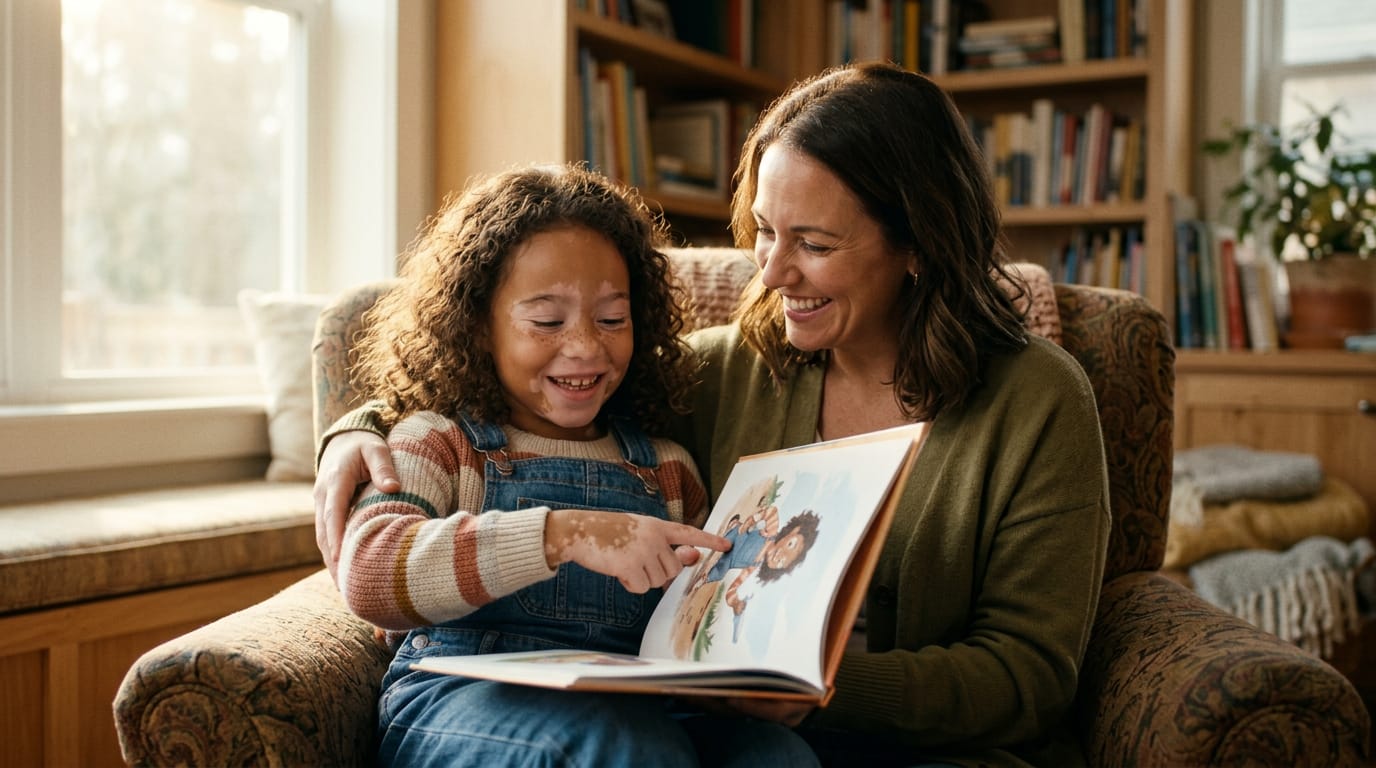
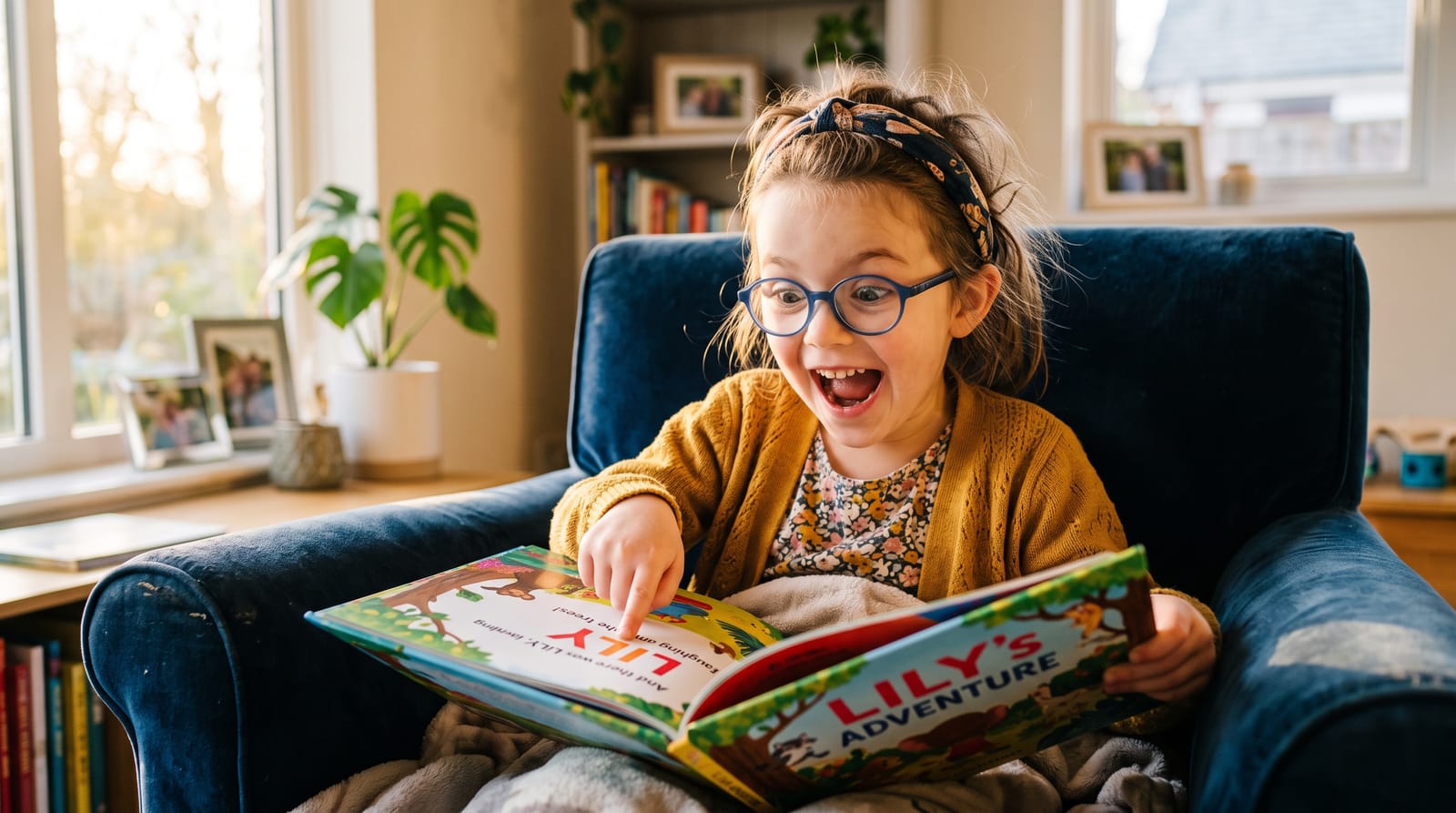
There is a quiet magic that happens when a child opens a picture book. For a few moments, the world outside shrinks, and the boundaries of what is possible expand. Traditionally, these books have served as windows, offering glimpses into lives, cultures, and adventures different from our own. But as we move through {YEAR}, the role of the picture book is undergoing a profound transformation. It is moving from being a window to becoming a mirror—and in the case of personalized stories, it is becoming a living map of a child’s own potential.
At StorytimeHero, we believe that every child deserves to see themselves not just as a background character, but as the heartbeat of the narrative. This shift isn't just about changing names on a page; it’s about addressing the gaps in traditional publishing and ensuring that representation isn't a seasonal event, but a permanent fixture of a child’s bookshelf.
Moving Beyond the Calendar: Representation as a Daily Standard
One of the most significant trends in modern children’s literature is the push for deeper, more consistent diversity. We often see a surge in interest for specific stories during certain months—celebrating Black history in February or women’s achievements in March. While these celebrations are vital, the modern picture book landscape is beginning to realize that representation shouldn’t have an expiration date.
Personalized books solve the "seasonal" problem by making the child’s identity the permanent focal point. When a child sees a hero who shares their skin tone, their hair texture, or their family structure every single night, that identity is reinforced as something worthy of celebration {YEAR}-round. It moves the conversation away from "this is a special month to talk about people like you" to "you are the hero of every story, every day."
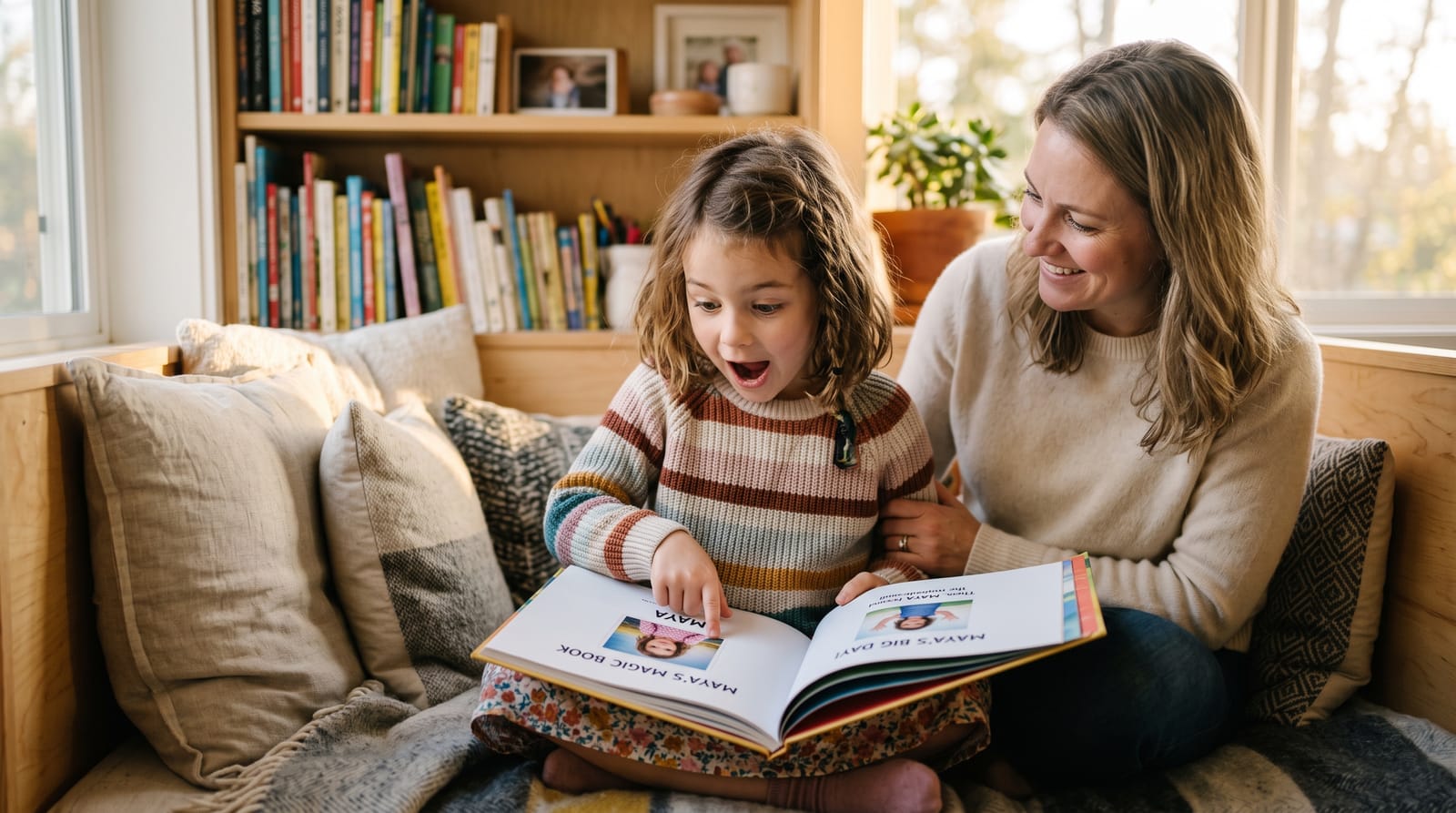
By integrating a child’s specific likeness and name into the narrative, we remove the "otherness" that can sometimes occur in traditional media. The story isn't about someone else who looks like them; it is fundamentally about them. This creates a sense of belonging that is foundational to early childhood development.
Redefining the Image of the Champion
For a long time, the "hero" of an athletic or adventurous picture book followed a very narrow archetype. However, recent shifts in storytelling have begun to highlight that champions come in every form. Whether it’s a young girl conquering a rock-climbing "problem" or an athlete balancing their competitive drive with their cultural or religious beliefs, the definition of a "winner" is broadening.
Personalized books take this a step further by allowing the child to inhabit these roles directly. When a child struggles with a physical challenge or a new skill in real life, seeing their "book self" persevere through a similar struggle provides a unique kind of psychological scaffolding.
In a personalized narrative, the "problem" isn't just a plot point for a fictional character; it becomes a rehearsal for the child’s own resilience. They aren't just reading about a champion; they are seeing themselves as the champion. This is particularly powerful for children who may not see themselves represented in mainstream sports media. It tells them that their body, their effort, and their specific way of moving through the world are exactly what a hero looks like.
Celebrating the Unique Mind: Neurodiversity in the Narrative
One of the most beautiful evolutions in the modern picture book is the increasing visibility of neurodivergent characters. We are finally seeing stories that celebrate "different brains"—narratives that find the rhythm in a stutter, the beauty in a unique sensory experience, or the strength in a mind that processes the world through a different lens.
The challenge with traditional books is that neurodivergence is often presented as a "topic" to be explained. Personalized books shift this dynamic. Instead of a book explaining why a character acts a certain way, a personalized story can be crafted to mirror the child’s actual lived experience.
If a child finds comfort in specific routines or experiences the world with heightened sensitivity, a personalized story can validate those feelings without making them feel like an "issue" to be solved. It creates a safe narrative space where their way of thinking is the norm. This "narrative validation" is a cornerstone of how personalized books support modern parenting, helping parents bridge the gap between their child’s internal world and the stories they consume.
From Struggle to Joy: The Power of the Positive Narrative
Historically, many books featuring underrepresented groups focused heavily on struggle, overcoming adversity, or historical trauma. While those stories are essential for understanding the world, there is a growing and necessary movement toward "joy-based" representation. This means stories about Black children simply enjoying a day at the park, or children with disabilities going on fantastical space adventures.
Personalized books are naturally inclined toward this joy-based model. Because the child is the "Hero," the focus is usually on adventure, discovery, and family bonds. This helps shift the child’s self-image toward one of agency and delight.
When a child sees themselves in a picture book that celebrates their hair, their clothing, and their laughter, it builds a "narrative glue" that binds their self-esteem to positive outcomes. You can learn more about this in our exploration of the narrative glue of family identity. By focusing on the "small wins" and the everyday magic of childhood, personalized stories ensure that a child’s identity is associated with happiness and wonder, rather than just resilience in the face of hardship.
The Psychology of the "Main Character"
Why does it matter so much if a child is the protagonist? Developmental psychologists have long noted that children use stories to make sense of their place in the world. When a child is the "Main Character," their engagement with the text skyrockets. They are more likely to remember the moral of the story, more likely to develop early literacy skills, and more likely to develop empathy for others.
In the context of a picture book, personalization acts as a bridge. It takes the abstract concepts of bravery, kindness, or curiosity and makes them concrete. It’s no longer "the boy was brave"; it’s "I was brave." This subtle shift in language has a profound impact on how a child internalizes the values of the story.
At StorytimeHero, we see this as the 'Live-Like' philosophy. If a child reads a book where they are kind to animals or help a friend, they are more likely to "live like" that character in their everyday life. The book becomes a blueprint for their own character development.
Building a Modern Family Culture Through Story
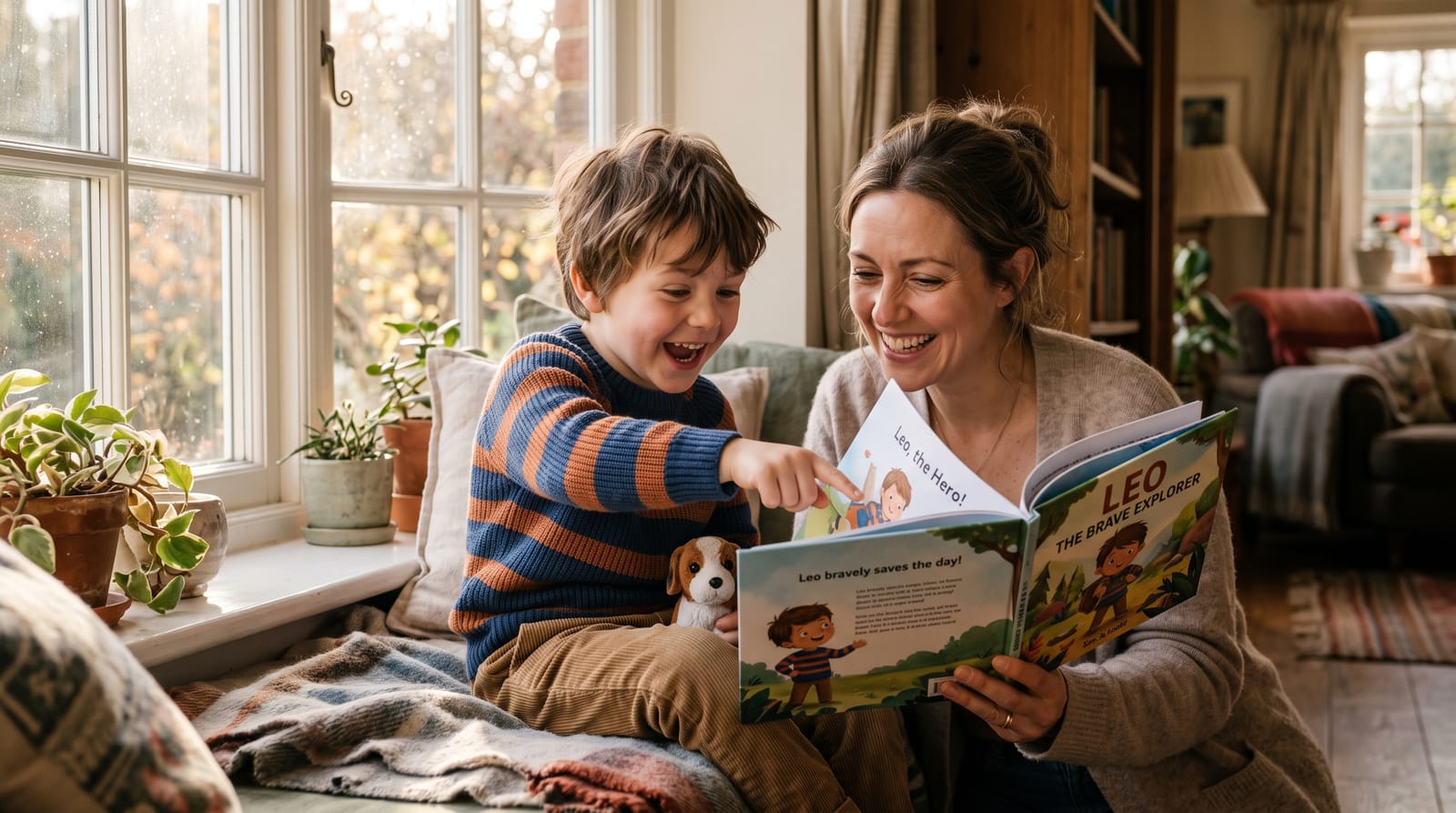
The picture book has always been a tool for bonding, but personalization turns the reading experience into a shared family artifact. It’s not just a book you bought at the store; it’s a book that was created specifically for your family. This adds a layer of "resonance" that traditional books often lack.
When parents and children read a personalized story together, they are cultivating family resonance. They are participating in a tradition that says, "Our family's story is important enough to be in a book." This strengthens the family unit and provides a sense of security and belonging that children carry with them long after the book is closed.
In an era where digital distractions are everywhere, the physical, personalized picture book remains a sanctuary of connection. It’s a tactile reminder of a parent’s love and a child’s limitless potential.
Conclusion: The Future of the Picture Book
As we look toward the future of children’s literature, it’s clear that the demand for more inclusive, representative, and engaging stories will only grow. The picture book is no longer a static object; it is an evolving medium that is becoming more responsive to the needs of individual children.
By addressing the gaps in traditional representation and providing a platform where every child can be the hero, personalized books are not just a trend—they are the next chapter in the evolution of storytelling. They ensure that every child, regardless of their background, their abilities, or their "different brain," can look at a bookshelf and see a reflection that is bright, capable, and full of joy.
---
FAQ: What Parents Ask About Personalized Picture Books
Related Reading
Free preview checklist
Get the personalized book gift checklist
Know what photo to use, what to write in the dedication, and what to review before ordering.