The Mirror and the Map: Personalized Picture Books | StorytimeHero
Upload a photo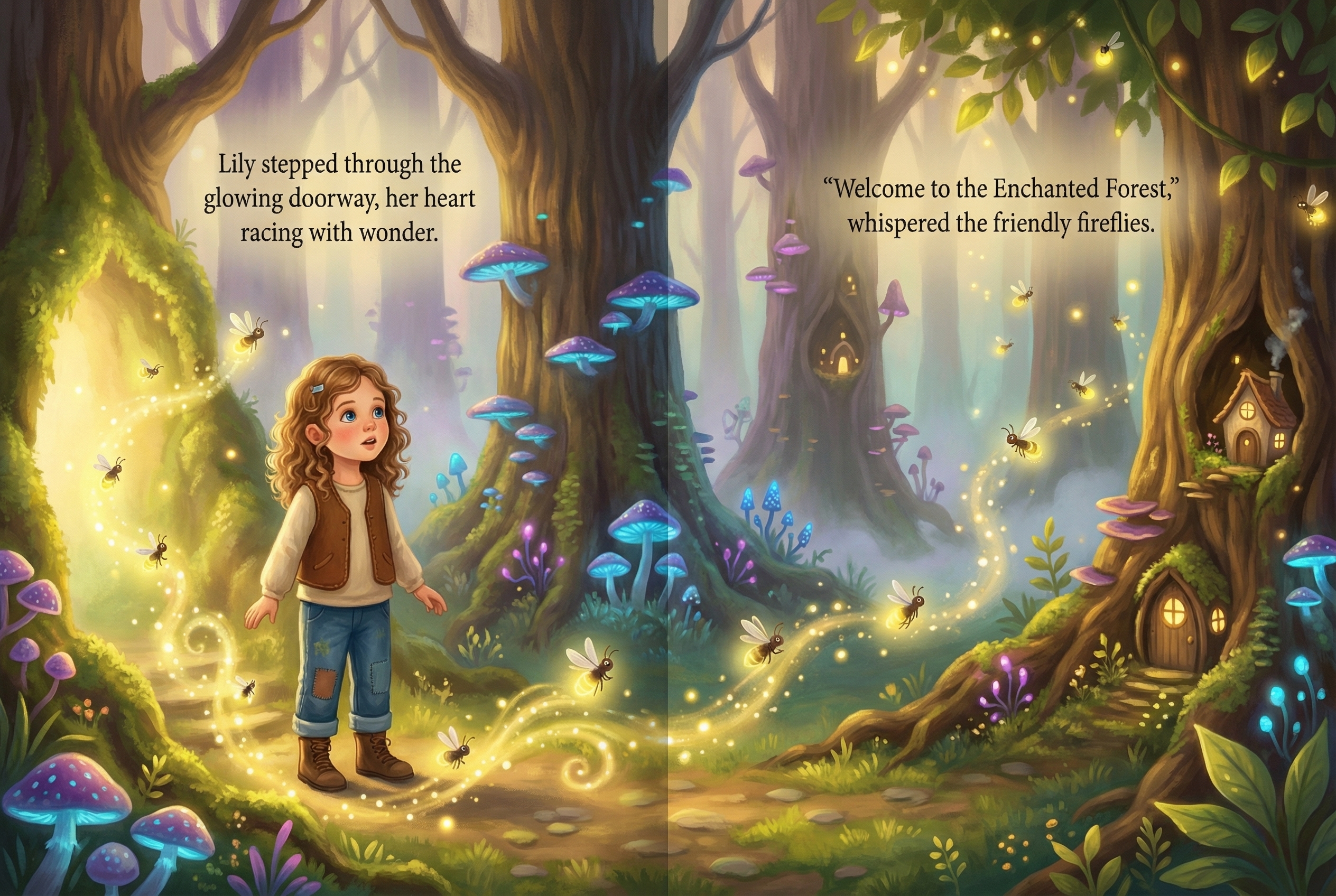
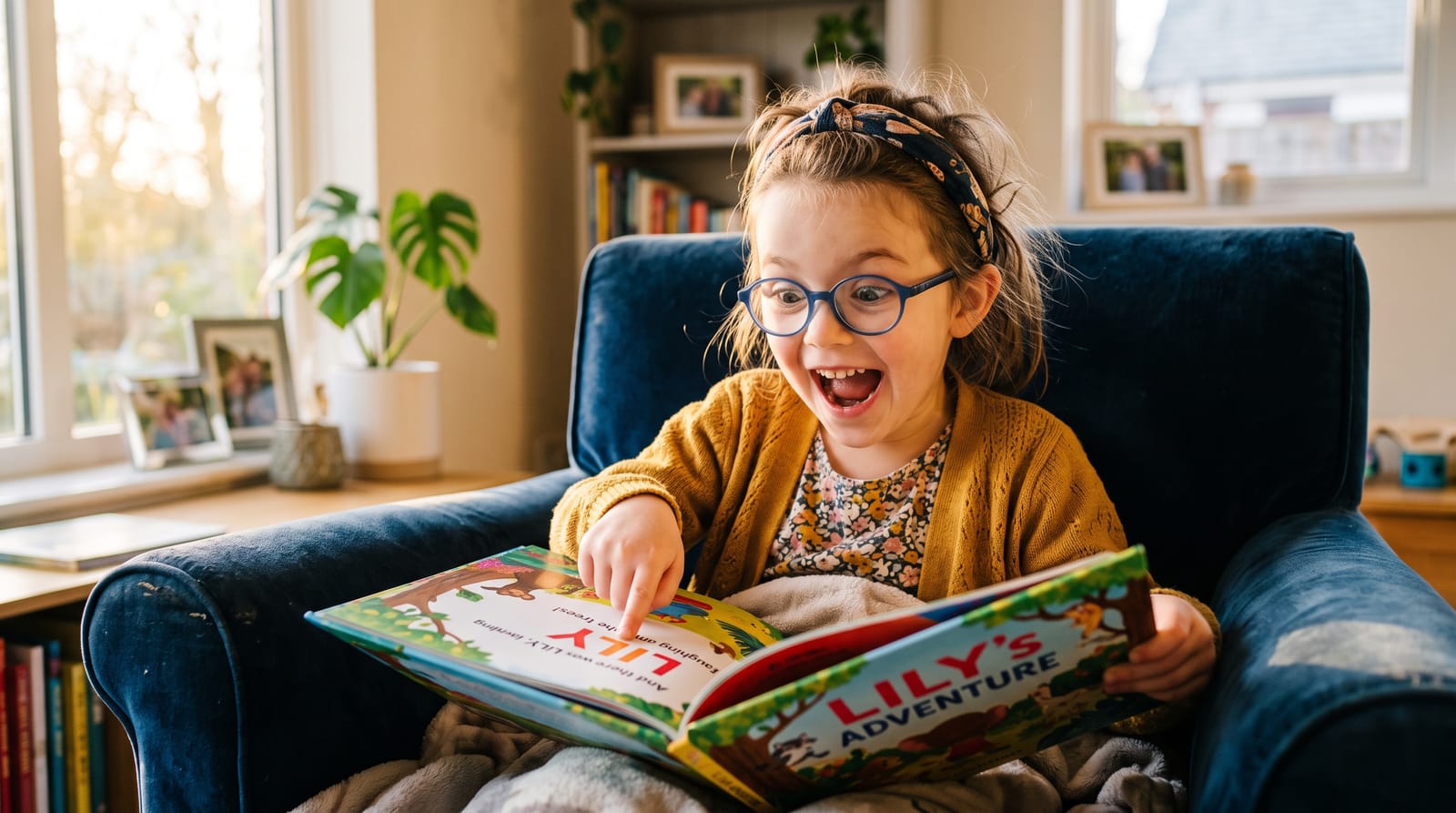
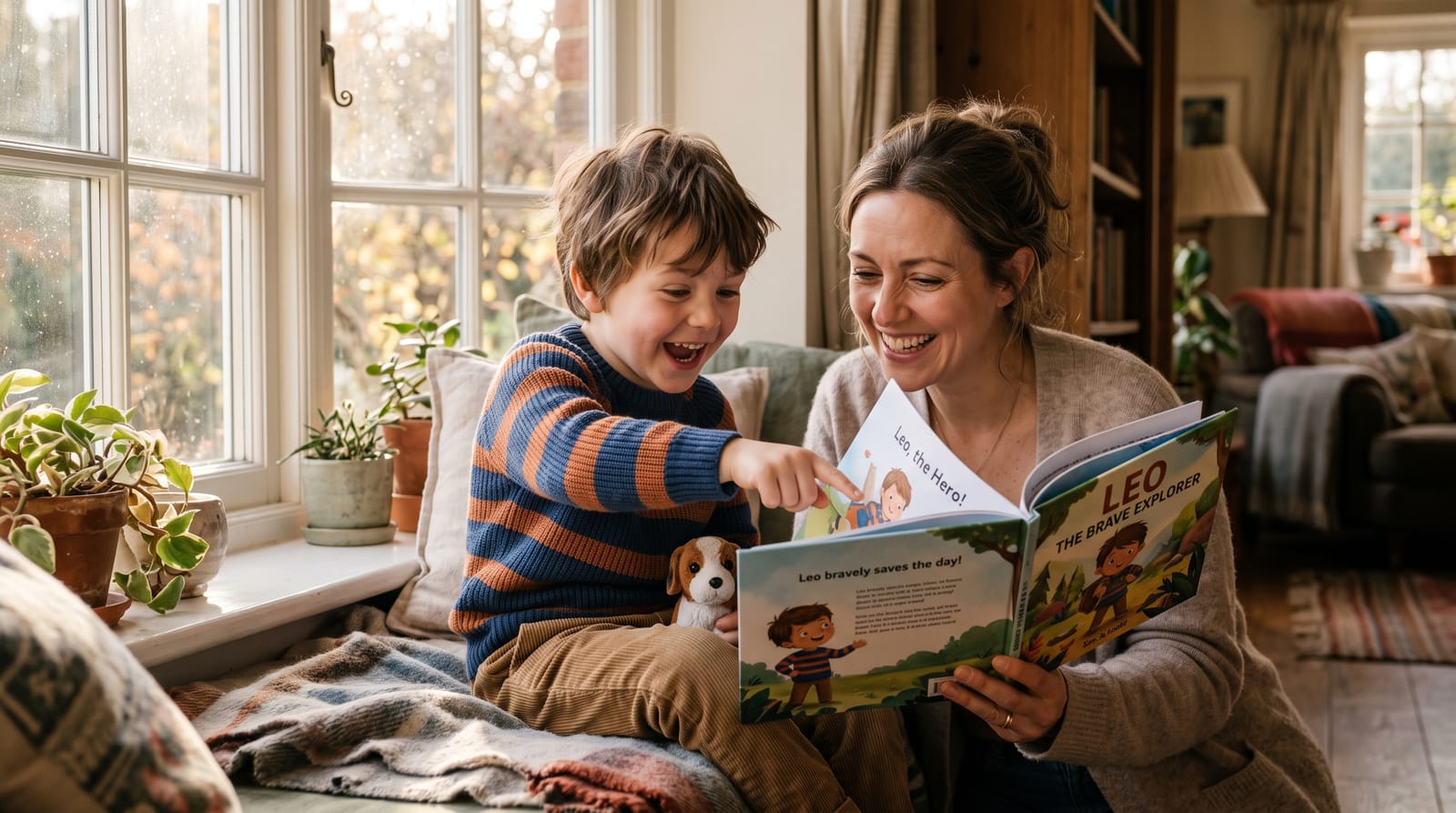
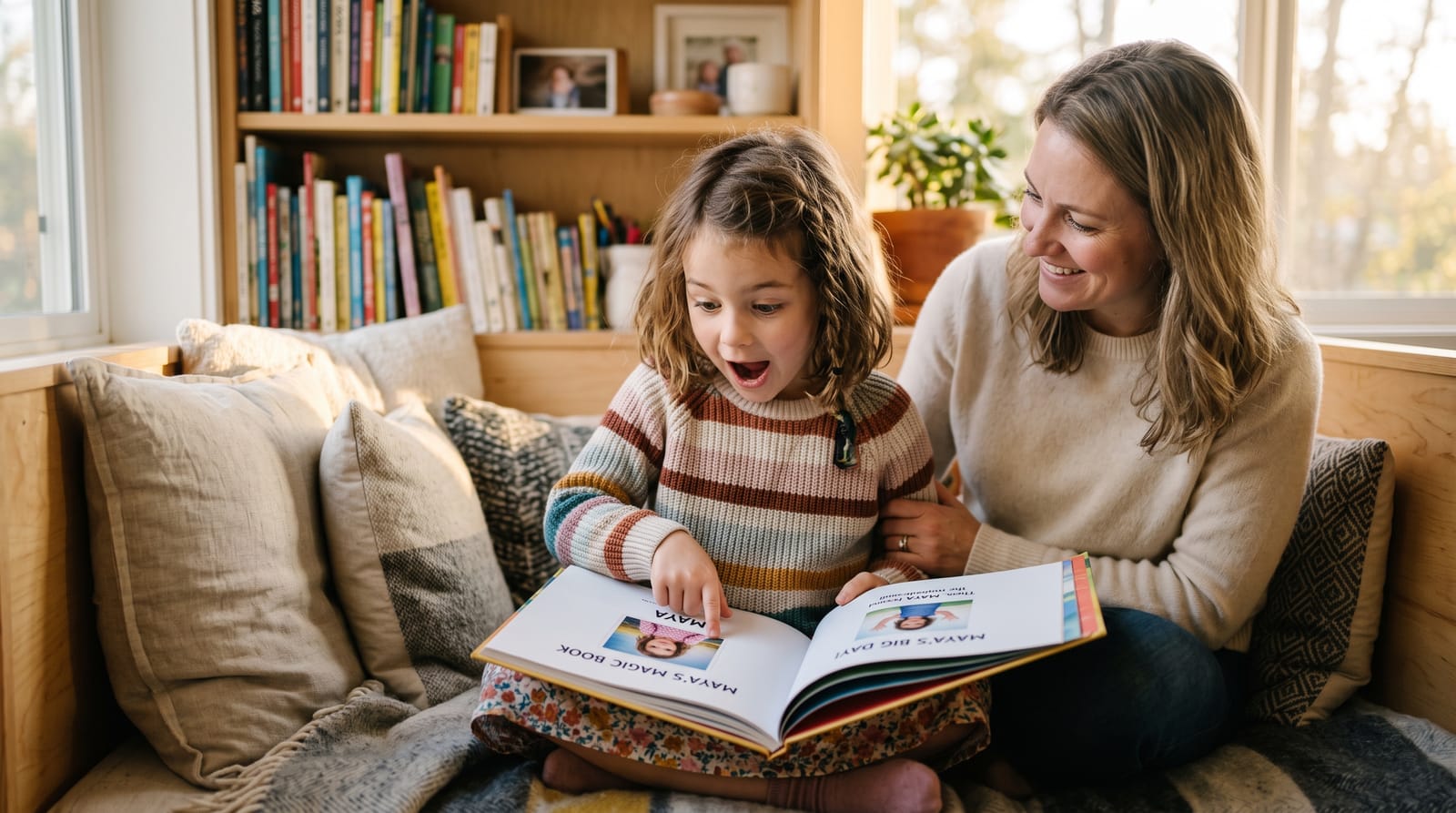
There is a specific, quiet magic that happens when a child opens a book and sees a character who looks like them, thinks like them, or shares their name. In that moment, the book stops being an object on a shelf and starts being a mirror. For decades, the traditional picture book has served as a window into other worlds, but as we move through {YEAR}, the landscape is shifting. Parents and educators are no longer just looking for stories about "someone"; they are looking for stories about "their someone."
At StorytimeHero, we’ve observed a beautiful evolution in how families engage with literature. It’s no longer enough to simply read a story; the modern goal is to inhabit it. By synthesizing the core values of representation, emotional safety, and sensory comfort, personalized books are doing more than just telling stories—they are anchoring children in a world that often feels too big and too fast.
The Neurodivergent Journey: From Empathy to Self-Acceptance
One of the most profound shifts in the modern picture book is the move toward authentic neurodivergent representation. We are seeing a wonderful influx of stories that celebrate brains that work differently—whether that involves navigating the world with Tourette’s, finding a rhythm through a stutter, or managing the sensory overwhelm of a "bad day."
However, there is a distinct difference between reading about a character with a unique perspective and being that character. This is where personalization changes the developmental equation.
Moving Beyond the "Observer" Role
When a child reads about Miro or Sammy (characters who represent specific neurodivergent traits), they build empathy. They learn that "different" is a necessary part of the human tapestry. But when that same child sees their own name in a story about navigating a sensory-rich world, the narrative shifts from empathy for another to the validation of the self.
Personalized books allow children to "rehearse" their own experiences. If a child struggles with transitions or finds certain environments loud and abrasive, a story that places them at the center of a successful navigation of that environment provides a psychological blueprint. It says, "You are the hero of this story, and your way of seeing the world is not just accepted—it is the lens through which the adventure happens."
Finding Voice in the Rhythm
Think of the way a river flows—sometimes smooth, sometimes tumbling over rocks. Traditional stories use this imagery to explain speech patterns or internal emotional states. In a personalized context, these metaphors become personal mantras. When a child who struggles to find their words sees themselves "talking like the river," the metaphor sticks because it is tied to their own identity. It transforms a potential frustration into a poetic strength.
Celebrating Cultural Joy as a Daily Practice
The conversation around representation in the picture book world has matured significantly. There is a growing, vital movement to move beyond "trauma-informed" stories and into the realm of "joy-informed" narratives. This is particularly evident in the push to celebrate Black history, culture, and daily life not just during a specific month, but as a permanent fixture of the bookshelf.
The Power of Year-Round Belonging
Representation isn't a seasonal event; it is the foundation of a child’s self-worth. Personalized books take the themes of cultural celebration—the beauty of hair, the vibrancy of clothing, the legacy of family artists—and weave the child directly into that lineage.
When a book celebrates the "light" within a child, and that child sees their own name on the page, the message of resilience and representation in picture books becomes a personal inheritance. It’s not just a story about a historical figure or a generic child; it’s a story about their light and their place in a long, joyful history.
Legacy and the Modern Hero
Many modern stories focus on the passing down of crafts or the honoring of a grandparent’s legacy. By personalizing these stories, we allow children to see themselves as the current torchbearers of their family’s story. This creates a sense of "narrative belonging" that is incredibly difficult to achieve with a standard off-the-shelf book. It turns the act of reading into an act of family bonding, where the child’s name is the bridge between the past and the future.
The Architecture of Cozy: Creating a "Hominess Vortex"
In an increasingly digital and frantic world, the concept of "cozy" has become a survival strategy for many parents. We look for books that feel like a warm blanket—stories with soft color palettes, sensory-rich language, and themes of "hygge."
Sensory Storytelling and Emotional Safety
What makes a picture book feel cozy? It’s often the small details: the texture of a knitted sweater, the glow of a lantern, or the sound of snow falling outside a window. At StorytimeHero, we believe that personalization adds the ultimate layer of "cozy" to any story.
When a child is tucked into bed and hears a story about themselves navigating a winter wonderland or finding a "hibernation spot" on a rainy day, their brain registers a high level of emotional safety. The "hominess vortex" isn't just about the physical environment; it's about the internal feeling of being safe, seen, and celebrated. This is a core part of how personalization reimagines cozy picture books.
Ritual and the Bedtime Anchor
The ritual of reading is often more important than the plot of the book itself. For a toddler on a lap, the sound of a parent’s voice saying their name within the context of a gentle story creates a powerful anchor. This is especially helpful during "grey days" or seasons of transition. A personalized book becomes a reliable friend that the child can return to whenever they need to feel grounded.
Why Personalization is the "Next Chapter" for Parents in {YEAR}
As we look at the trends shaping the world of children's literature, it's clear that the "one-size-fits-all" approach is fading. Parents are becoming curators of their children’s self-image, and personalized books are the most effective tool in that curation.
1. Accuracy of Representation
With modern technology, we can now ensure that the hero of the book doesn't just share a name, but also reflects the child's physical appearance. This removes the "abstraction gap" that many children feel when reading traditional books. When the hero has the same curls, the same glasses, or the same skin tone, the brain doesn't have to work as hard to bridge the gap between "that character" and "me."
2. Supporting Specific Parenting Goals
Whether you are trying to build parenting confidence through personalized stories or helping a child prepare for a new sibling, the ability to tailor the narrative is a game-changer. You can choose themes that mirror the specific challenges or milestones your child is currently facing, making the picture book a functional tool for growth.
3. Creating Lasting Keepsakes
In a world of disposable toys, a book that features a child’s own journey is something that is rarely thrown away. These books become "narrative artifacts"—markers of who the child was at a specific moment in time. This is why many families consider them the most meaningful personalized book gift ideas for birthdays and holidays.
How to Choose the Right Personalized Story for Your Child
If you are looking to dive into the world of personalized storytelling, consider these three pillars:
- Look for Emotional Resonance: Choose a story that reflects your child’s current emotional landscape. If they are in a "brave" phase, find an adventure. If they are in a "cuddly" phase, look for something with "hygge" vibes.
- Prioritize Quality of Prose: A personalized book should still be a good book. The writing should be lyrical, the themes should be universal, and the personalization should feel integrated rather than "tacked on."
- Consider the Long-Term Message: What do you want your child to remember about themselves when they look back at this book in ten years? Use personalization to reinforce their strengths, their heritage, and their unique way of being in the world.
FAQ: What Parents Ask About Personalized Picture Books
The Future is Personal
The modern picture book is no longer a static thing. It is a living narrative that evolves alongside the child. By embracing the themes of neurodiversity, cultural joy, and sensory comfort, personalized books are ensuring that every child has a place where they are the hero, the light, and the center of the "hominess vortex."
As you curate your child's library this year, remember that the most important story they will ever read is the one that tells them they belong.
***
Related Reading
Free preview checklist
Get the personalized book gift checklist
Know what photo to use, what to write in the dedication, and what to review before ordering.