How Personalization Reshapes the Picture Book | StorytimeHero
Upload a photo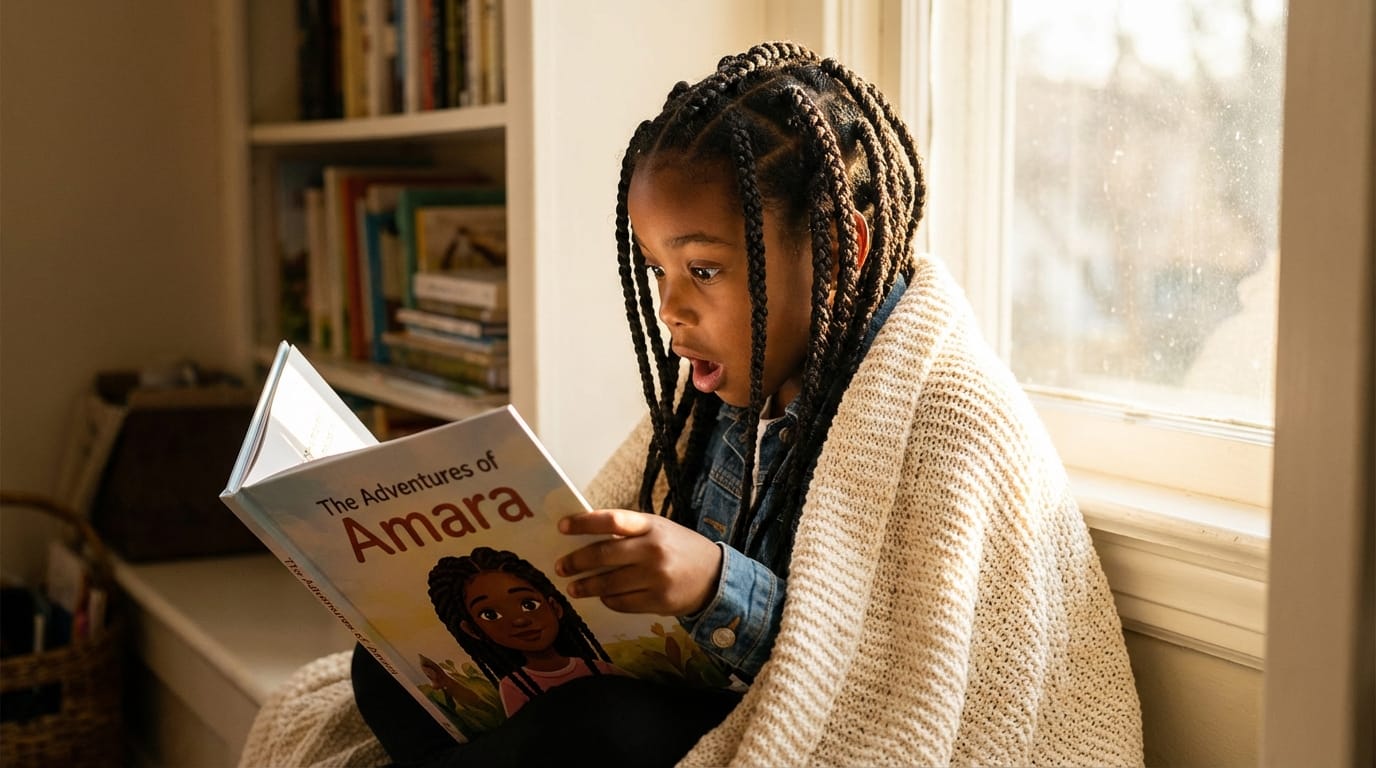
There is a specific, quiet magic that happens when a child opens a book and recognizes themselves. For decades, the traditional picture book has served as a gateway to imagination, offering "windows" into different worlds and "mirrors" reflecting a child's own life. However, as we move through {YEAR}, a new evolution is taking center stage: the rise of the personalized narrative.
At StorytimeHero, we believe that personalization is more than just a printing technique; it is a psychological tool that deepens a child’s connection to literacy. By shifting the child from an observer to the protagonist, personalized books address some of the most critical needs in modern childhood development, from neurodiverse representation to the celebration of cultural identity.
Beyond the Name: The Psychology of Seeing Oneself
For a long time, "personalization" in children's literature meant simply swapping a generic name for a specific one. But today’s parents and educators are looking for something deeper. They are looking for stories that acknowledge a child’s specific way of moving through the world.
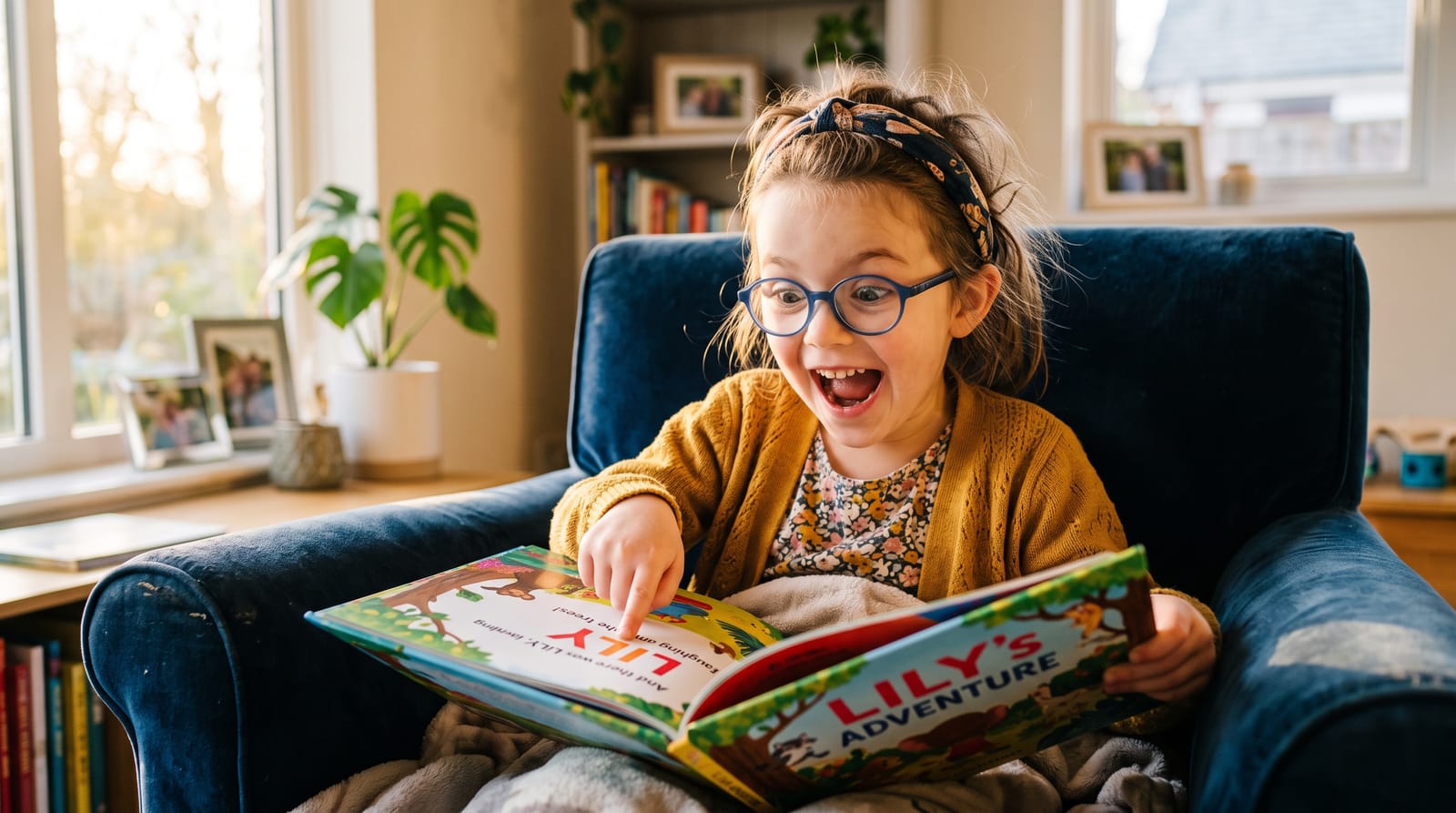
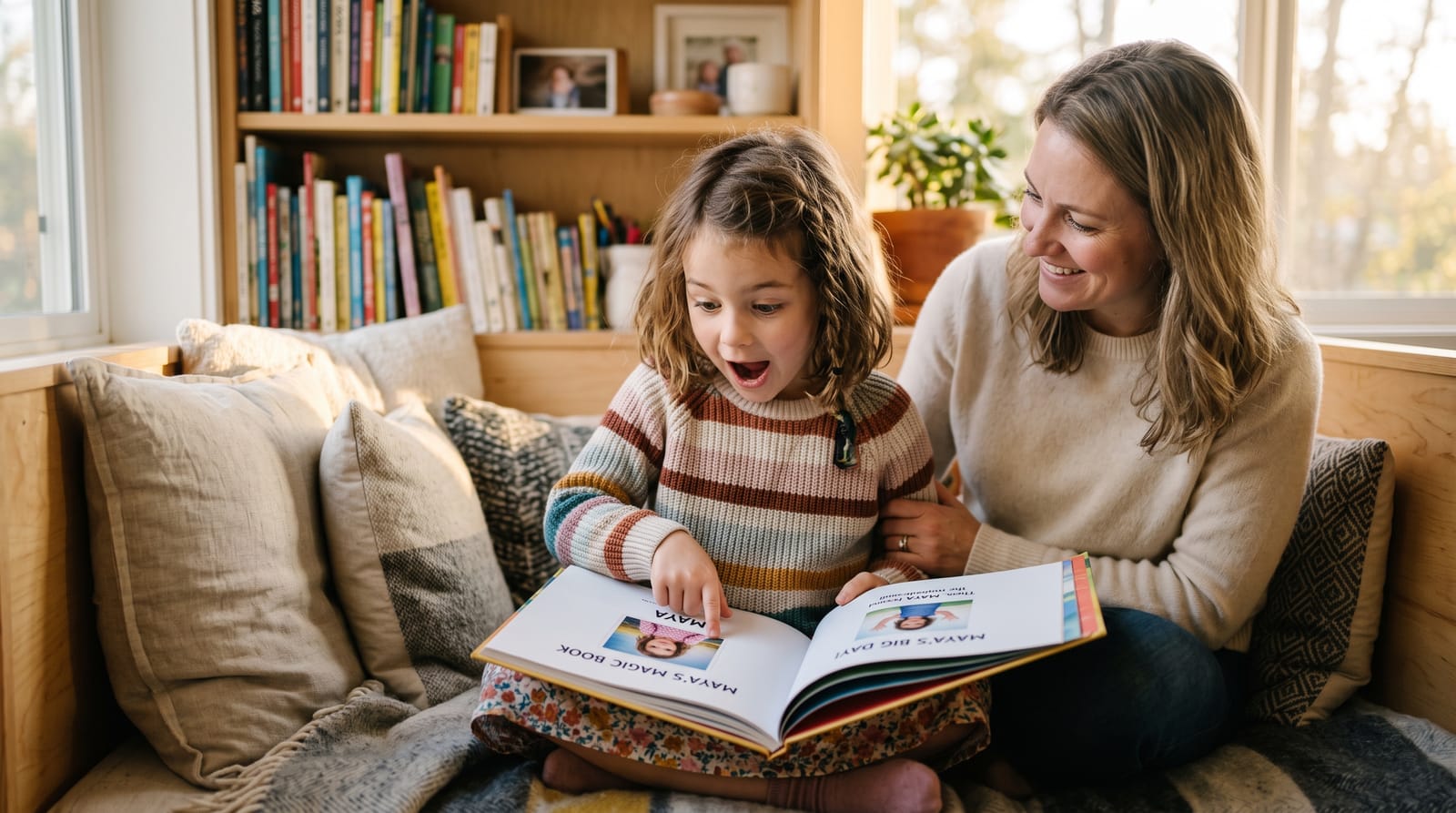
When a child sees their own name and likeness navigating a challenge—whether it’s a first day of school or a complex emotional hurdle—the brain processes that information differently. This is often referred to as the "self-reference effect." Information related to the self is encoded more deeply and remembered more clearly. In the context of a picture book, this means the lessons of bravery, kindness, and resilience aren't just things that happen to other people; they are things the child knows they are capable of achieving themselves.
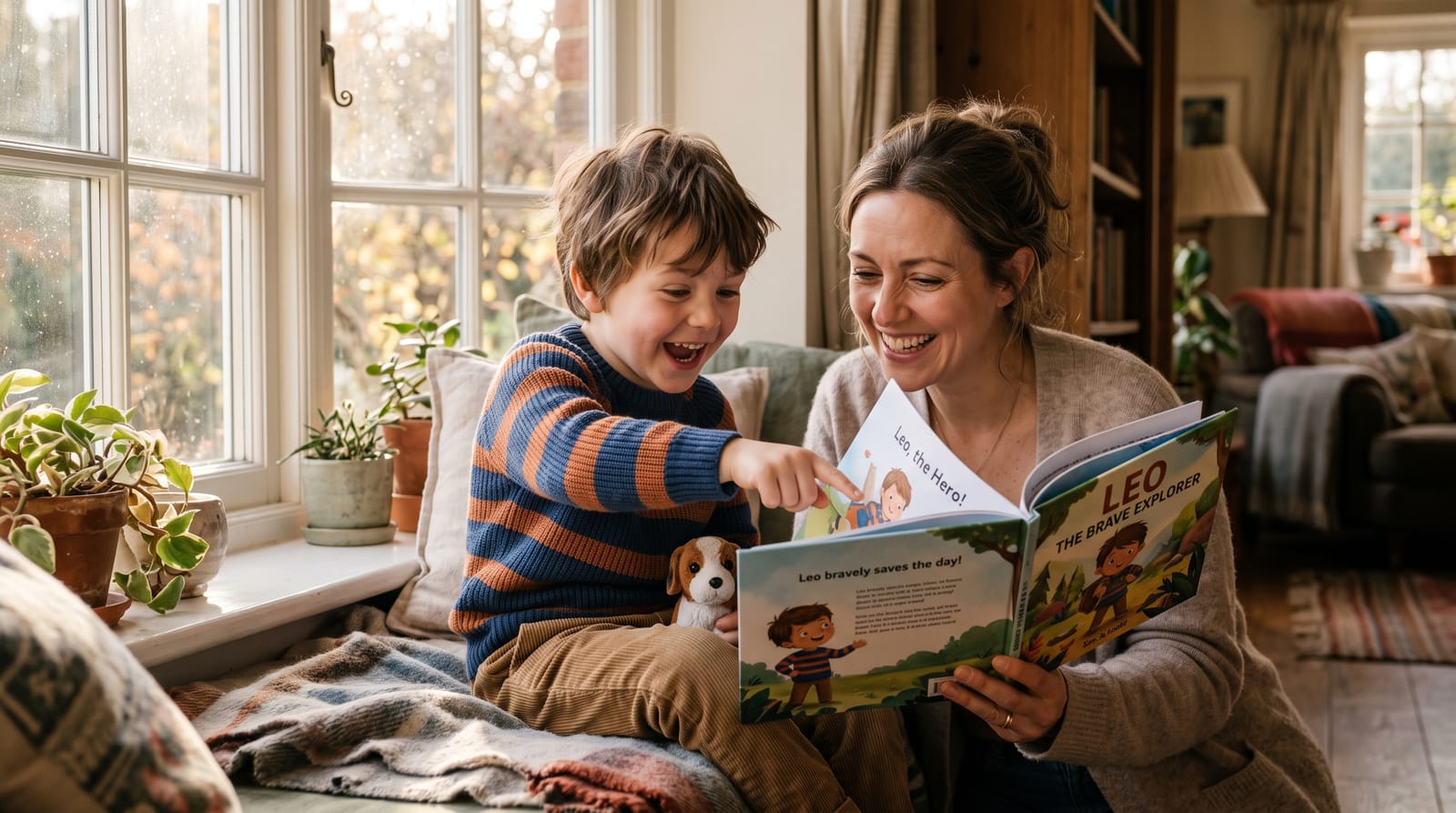
This transition from passive listening to active "hero-ing" is one of the ways personalization reimagines the modern picture book, turning a bedtime routine into a formative identity-building exercise.
A New Mirror for Neurodiversity
One of the most profound shifts in modern literature is the increasing visibility of neurodivergent characters. Children who experience the world through the lens of autism, ADHD, or sensory processing differences often struggle to find characters who mirror their specific internal rhythms.
Traditional stories might feature a character who stutters or someone who finds comfort in quiet, repetitive motions. These are vital for building empathy in neurotypical peers. However, for the neurodivergent child, a personalized approach allows the story to become a "social script."
Imagine a story where the protagonist (the child) uses specific calming techniques that the child actually uses in real life. By placing the child at the center of a narrative where their "differences" are treated as natural facets of their heroism, personalized books help normalize their lived experience. This approach is particularly effective in personalized books for autism and ADHD, where the story can act as a safe rehearsal for real-world transitions and sensory challenges.
Cultivating Cultural Joy and Everyday Identity
Representation in children’s literature has historically focused on two extremes: the "struggle" narrative or the "historical figure" narrative. While these are essential for understanding heritage, there is a growing demand for "everyday joy"—stories where children of color are simply existing, playing, and thriving without their identity being the "problem" to be solved.
Personalized books are uniquely positioned to fill this gap. By allowing parents to customize the physical appearance of the protagonist—from hair texture to clothing styles—these books celebrate the beauty of the child's daily life. Whether it’s a story about the ritual of "wash day" or a celebratory tale about a family milestone, personalization ensures that the child sees their own culture as the default setting for adventure and happiness.
This focus on joyful representation helps build a foundation of self-worth. When a child sees a hero who looks like them, in a book that bears their name, it reinforces the idea that their story is worth telling. This is a core part of how personalization deepens the picture book experience, making the narrative feel like a bespoke heirloom rather than a mass-produced product.
The Architecture of the "Cozy" Reading Experience
There is a sensory side to the picture book that is often overlooked: the feeling of safety and "cozy" it provides. In a world that can feel increasingly fast-paced and overwhelming, the ritual of bedtime reading serves as an emotional anchor.
What makes a book feel "cozy"? It’s often a combination of warm color palettes, rhythmic language, and themes of home and belonging. When you add personalization to this mix, the "cozy factor" increases exponentially. The child isn't just hearing a story about a warm house and a loving family; they are hearing a story about their warm house and their loving family.
This sense of "hygge"—the Danish concept of comfort and contentment—is vital for emotional regulation. Personalized stories that focus on sensory details, like the texture of a favorite blanket or the sound of a falling snow, help ground a child in the present moment. For many families, personalized winter and cozy books become a seasonal tradition, providing a soft place for the child to land at the end of a long day.
Enhancing Focus and Motivation
Every parent knows the struggle of the "reluctant reader." Sometimes, the barrier to literacy isn't ability, but interest. This is where the attention and motivation of the personalization effect truly shines.
Research suggests that children are significantly more likely to stay engaged with a story when they are the main character. Their "naming" and "visual recognition" triggers a higher level of cognitive focus. In a standard picture book, a child might flip through the pages looking at the art. In a personalized book, they are searching for themselves. They are looking at what "they" are wearing, what "they" are doing, and how "they" are solving the problem.
This increased engagement doesn't just make storytime easier for parents; it builds the stamina required for long-term literacy. By making the reading experience inherently rewarding and self-focused, we can turn a chore into a choice.
Building the Architecture of Belonging
At its heart, a personalized book is an affirmation of belonging. It tells the child, "You have a place in this world, and your journey matters." This is particularly important in the context of family dynamics. Stories that include siblings, parents, or grandparents help map out the child’s place within their family tree.
By weaving the child’s name into the architecture of belonging within family books, we create a narrative map of their support system. These books become more than just stories; they become evidence of love. Years later, when the child has outgrown the target age of the book, the physical object remains a keepsake—a "time capsule" of a moment when they were the most important person in the story.
Practical Tips for Choosing a Personalized Picture Book
If you are looking to integrate personalized storytelling into your child's library in {YEAR}, consider these factors to ensure the book has a lasting impact:
- Look for Narrative Depth: Ensure the story is strong enough to stand on its own, even without the personalization. The best personalized books are great stories first and customized experiences second.
- Focus on Emotional Resonance: Choose themes that align with your child’s current developmental stage—whether that’s learning about kindness, overcoming fear, or celebrating a birthday.
- Prioritize Quality Illustrations: The art in a picture book is just as important as the text. Look for diverse, high-quality illustrations that capture the "cozy" and "warm" feelings discussed earlier.
- Check for Inclusivity Options: A good personalization platform should offer a wide range of options for skin tones, hairstyles, and even assistive devices like glasses or wheelchairs.
Frequently Asked Questions
Conclusion: The Hero of Their Own Journey
The picture book is evolving, and personalization is the engine of that change. By moving away from "one-size-fits-all" narratives, we are giving children the tools to see themselves as the masters of their own destiny. Whether it's providing a mirror for neurodiversity, celebrating the joy of cultural identity, or simply creating a "cozy" space for connection, personalized books address the needs of the modern child in a way that traditional media simply cannot.
At StorytimeHero, we are proud to be part of this shift, helping parents create stories where their children aren't just characters—they are the heroes.
---
Related Reading
Free preview checklist
Get the personalized book gift checklist
Know what photo to use, what to write in the dedication, and what to review before ordering.