How Personalized Books Enhance Modern Picture Books | StorytimeHero
Upload a photo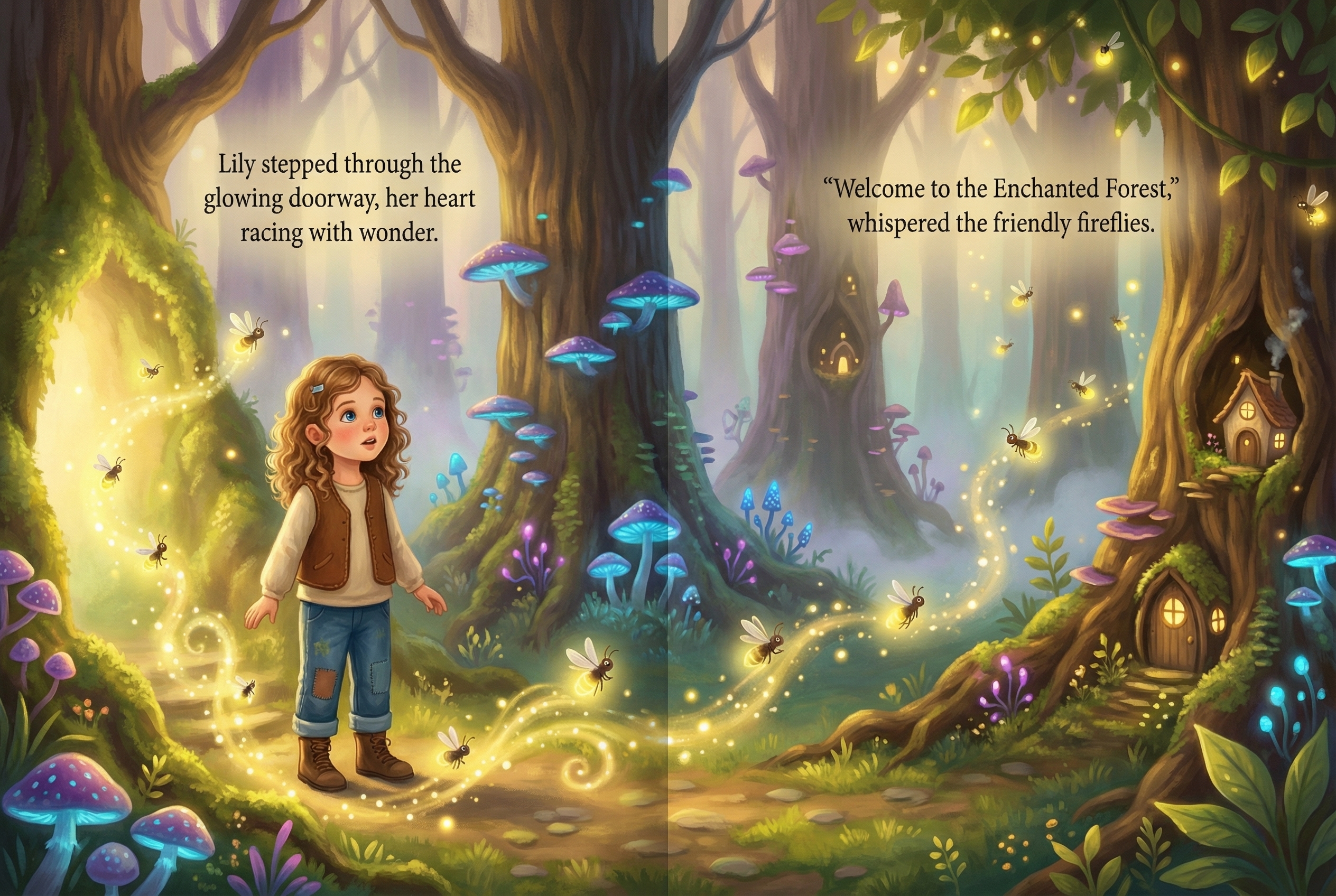
For decades, the traditional picture book served as a window—a way for children to look out into the world and see adventures, animals, and distant lands. But as we move further into {YEAR}, the role of the picture book is undergoing a profound transformation. It is no longer just a window; it is becoming a mirror.
At StorytimeHero, we’ve observed a beautiful shift in how families approach reading. It isn’t just about the plot anymore; it’s about the presence of the child within that plot. The modern landscape of children’s literature is increasingly focused on emotional intelligence, neurodivergent representation, and the celebration of diverse cultural identities. Personalization acts as the bridge between these big, universal themes and the quiet, intimate world of a single child.
The Shift Toward Radical Inclusion in Children's Literature
In the past, finding a book that featured a protagonist who looked like your child, spoke like your child, or navigated the world with the same sensory needs as your child was a monumental task. Today, the industry is making strides toward better representation. We are seeing stories that celebrate the rhythm of a stutter, the beauty of neurodivergent "curiosities," and the vibrant joy of Black heritage.
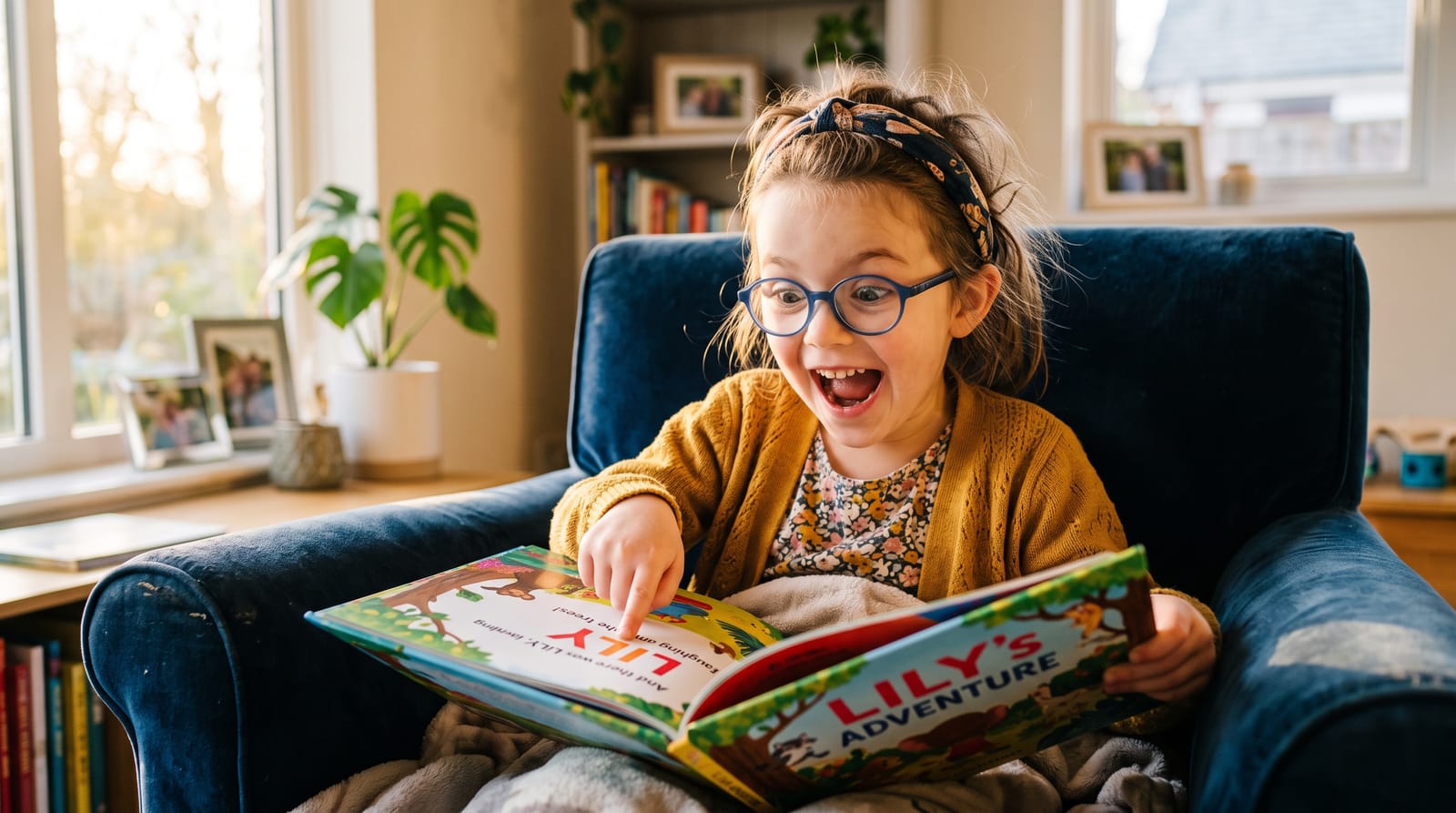
However, even the most inclusive library can sometimes feel like it belongs to "someone else." This is where personalized books step in to complete the circle of representation. When a child sees a character who shares their name and physical traits navigating a world that honors their specific perspective, the message changes from "people like you are important" to "you are the hero of this story."
Normalizing the Unique Experience
When we look at modern trends in the picture book world, there is a move away from "issue-based" stories toward "incidental" representation. This means a character might happen to have Tourette’s or a stutter, but the story is about their adventure, not just their diagnosis.
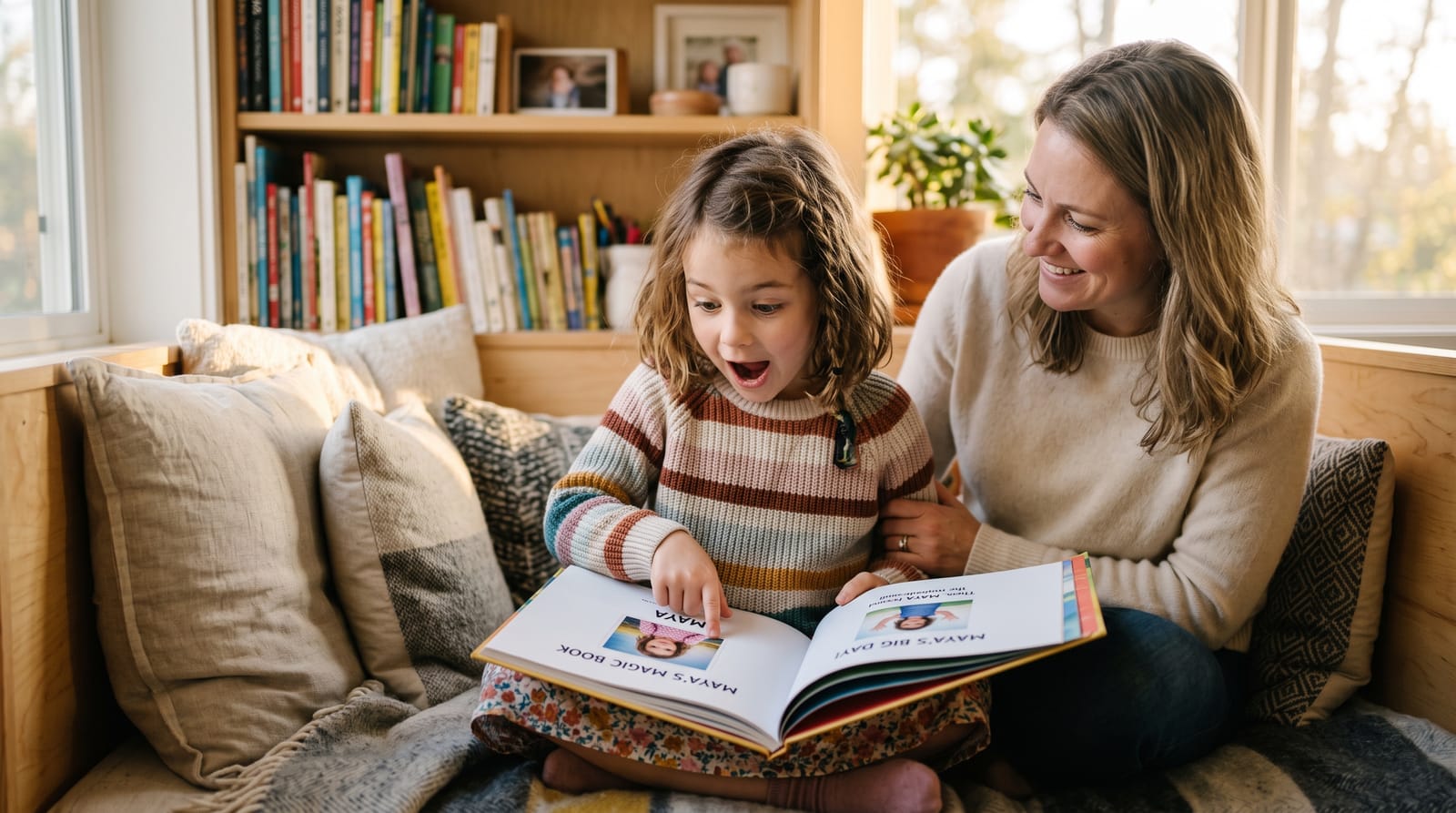
Personalization takes this a step further. By placing a child directly into the narrative, we remove the "otherness" that can sometimes accompany diverse stories. If a child who struggles with social anxiety sees themselves—by name—navigating a magical forest and finding bravery, the story becomes a rehearsal for real life. It provides a safe, narrative space to practice being bold, being kind, and being themselves.
The "Cozy" Factor: Why Emotional Safety Matters
There is a specific kind of magic in what many call "cozy" literature. These are the books that feel like a warm blanket—filled with soft color palettes, sensory-rich descriptions, and themes of home and safety. In a world that often feels loud and overwhelming for little ones, the picture book serves as a sanctuary.
Personalization amplifies this sense of "hygge" or coziness. When a story is tailored to a child, the psychological distance between the reader and the page vanishes. This creates a state of "narrative transport," where the child is more deeply immersed in the world of the book.
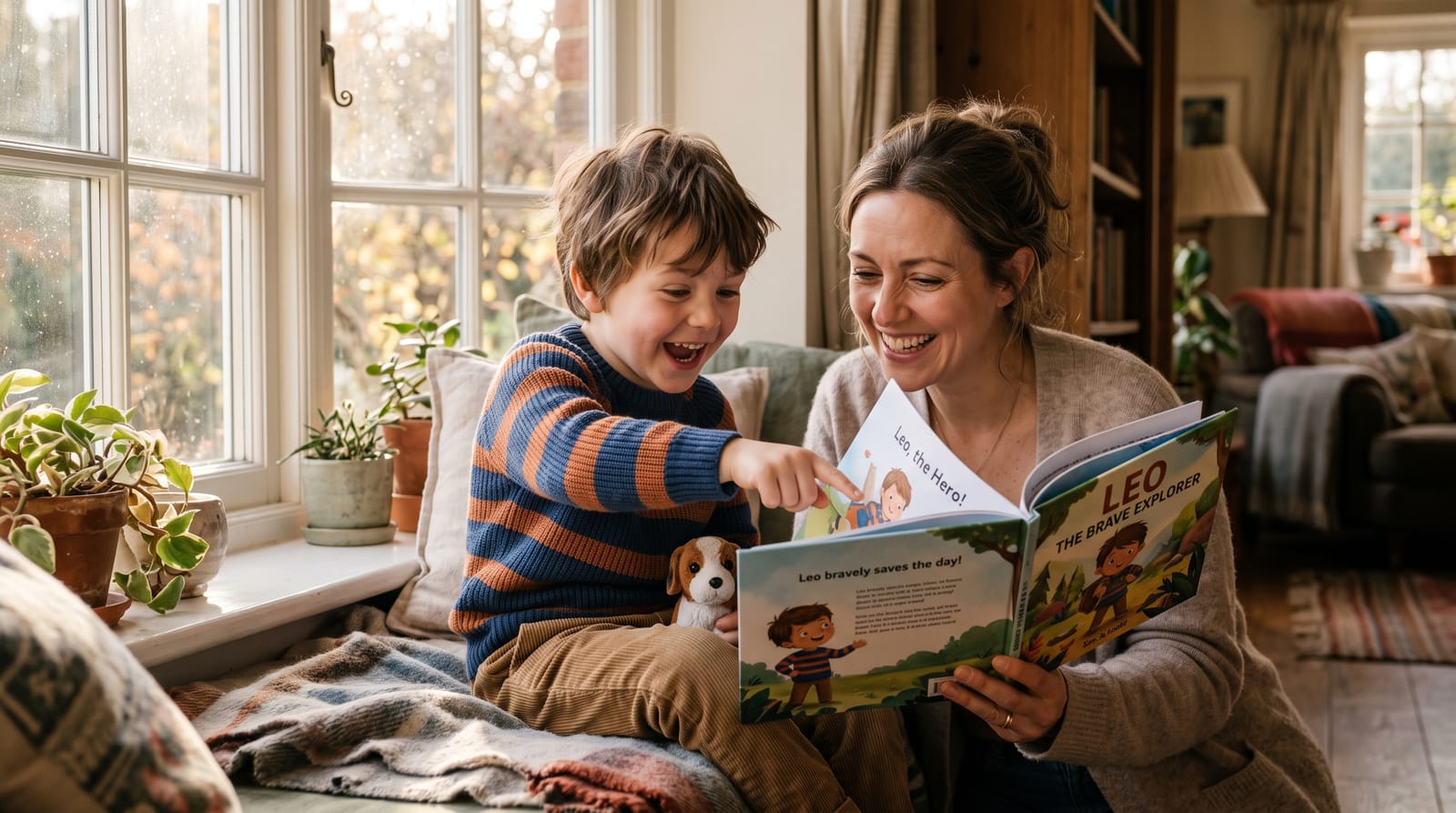
For many parents, the goal of a bedtime story isn't just literacy; it's connection. A personalized book acts as a narrative anchor, providing a sense of stability and belonging. When a child hears their name woven into a story of comfort and love, it reinforces their place within the family and the world. It tells them: You are seen. You are safe. You belong here.
Celebrating Joy as an Act of Resistance
One of the most important trends in modern storytelling is the shift toward "joyful representation." Especially within Black literature and stories featuring marginalized communities, there is a movement to move beyond historical trauma and focus on everyday delight—hair, clothing, community, and family celebrations.
Personalized books are uniquely positioned to champion this joy. By allowing parents to customize the appearance and name of the protagonist, these stories become a celebration of the child’s specific identity. It isn’t a story about a generic child experiencing joy; it is a story about your child experiencing joy.
This shift is crucial for building self-esteem. When the "default" hero of a grand adventure looks like the child holding the book, it fundamentally changes their perception of what they are capable of achieving. It turns the act of reading into an act of empowerment.
Beyond the Name: The Evolution of the Picture Book
As we look at the evolution of the modern picture book, we see that personalization is more than just a gimmick. It is a tool for deepening the educational and emotional impact of storytelling.
- Enhanced Focus and Motivation: Research consistently shows that children are more engaged and have better recall when they are the stars of the story. The "self-reference effect" means that our brains are naturally wired to pay more attention to information that relates to us.
- Social-Emotional Learning (SEL): Personalized stories can be crafted to help children "rehearse" difficult transitions, such as starting school or welcoming a new sibling. By seeing "themselves" handle these situations with grace, children build the confidence to do the same in reality.
- Building a Shared Family History: Every time a parent reads a personalized book to their child, they are strengthening family bonds. These books often become keepsakes that are tucked away long after the child has outgrown the target age, serving as a time capsule of that child’s early years.
The Intersection of Technology and Heart
At StorytimeHero, we believe that the future of the picture book lies at the intersection of innovative technology and human heart. We aren't just using tools to create "content"; we are using them to create connection.
The modern parent is looking for more than just a distraction for their child. They are looking for ways to foster empathy, resilience, and a love for reading. By integrating the child’s identity into the very fabric of the story, we are helping parents meet those goals in a way that feels organic and magical.
Whether it’s a story about a quiet day at home or a grand journey across the stars, personalization ensures that the message hits home. It transforms the reading experience from a passive activity into an active dialogue between the parent, the child, and the story.
Conclusion: Making Every Child the Hero
The picture book is a foundational element of childhood. It shapes how children see themselves and how they understand the people around them. By embracing personalization, we are ensuring that no child feels left out of the narrative.
As we continue through {YEAR}, the focus will remain on making stories more inclusive, more emotionally resonant, and more personal. Because at the end of the day, every child deserves to see themselves as the hero. They deserve to know that their story is worth telling, worth printing, and worth reading over and over again.
By choosing stories that reflect a child's unique world—from their neurodiversity to their cultural heritage—we are giving them a gift that lasts a lifetime: the knowledge that they belong in the pages of a book.
---
Related Reading
- How Personalized Books Support Family Connection
- The Evolution of the Modern Picture Book
- How Personalized Books Strengthen Family Bonds
- Personalization and the Modern Picture Book
---
Frequently Asked Questions
Free preview checklist
Get the personalized book gift checklist
Know what photo to use, what to write in the dedication, and what to review before ordering.