Personalization and the Modern Picture Book | StorytimeHero
Upload a photo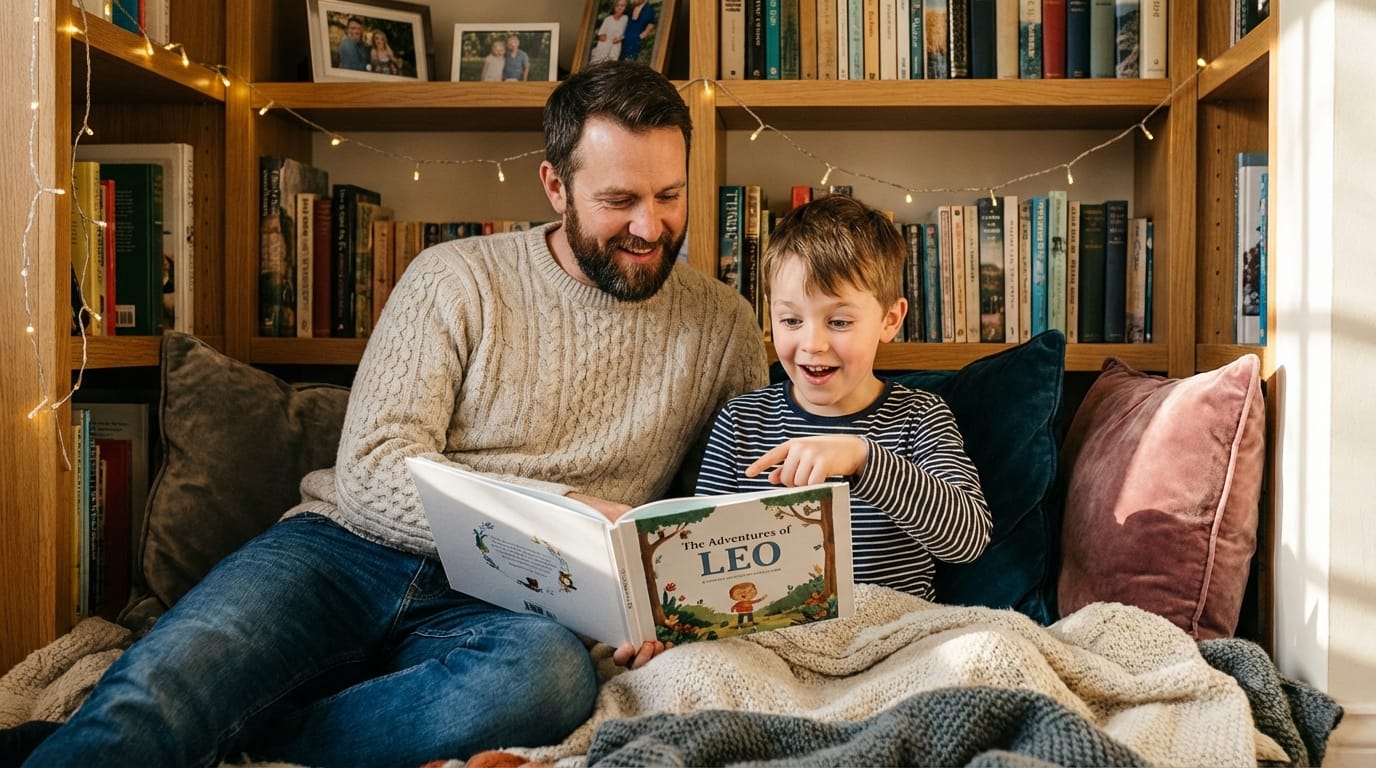
The landscape of the children’s picture book has undergone a quiet but profound transformation over the last decade. Gone are the days when stories were limited to generic fables or a narrow window of experiences. Today, the most impactful books are those that act as mirrors, reflecting the intricate, messy, and beautiful realities of childhood back to the reader.
At StorytimeHero, we believe this evolution toward "radical specificity" is where the magic happens. Whether it is a story celebrating neurodiversity, a narrative centered on the joyful simplicity of cultural identity, or a "cozy" tale designed to provide sensory sanctuary, the modern picture book is doing more emotional heavy lifting than ever before.
But there is a final frontier in this evolution: personalization. When we take these high-level literary trends and place a specific child at the center of them, the story transforms from a lesson into a lived experience.
The Rise of Neuro-Inclusive Narratives
One of the most heartening shifts in children’s literature is the move toward neuro-inclusive storytelling. We are seeing a departure from stories that seek to "fix" a child’s differences and a move toward stories that celebrate the unique rhythm of their minds.
Modern authors are finding poetic ways to describe experiences like stuttering or Tourette’s, comparing a child's voice to the ebb and flow of a river or visualizing internal impulses as curious, swirling entities. These metaphors help children—and the adults who love them—understand that a brain that works differently is not a broken brain; it is a brain with its own internal logic and beauty.
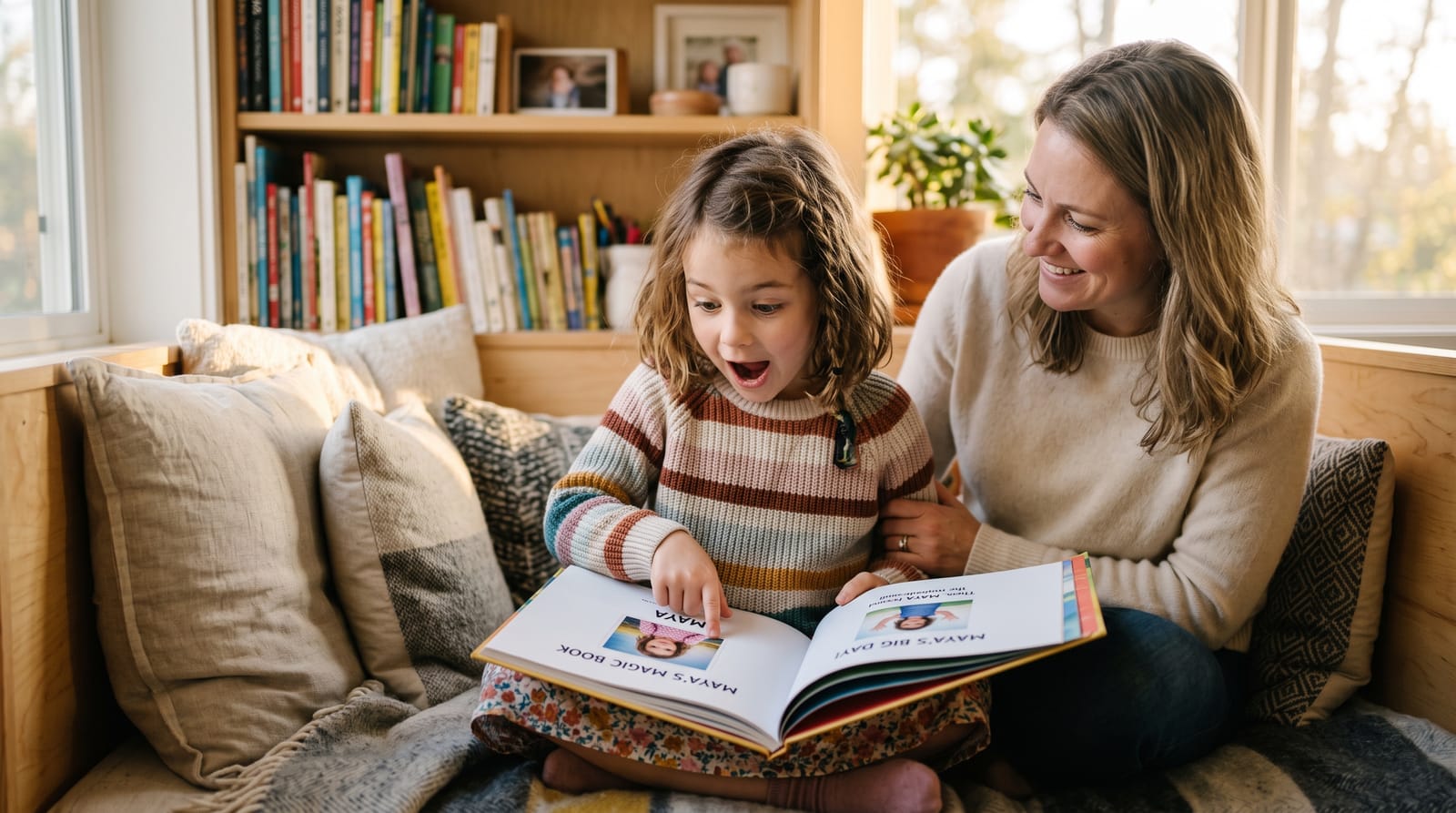
Personalized books take this a step further. For a child who navigates the world with sensory sensitivities or ADHD, seeing their own name associated with these "superpower" metaphors provides a profound sense of validation. It moves the conversation from "There is a boy in this book who is like me" to "This book is about my world." By using personalized books for autism and ADHD, parents can help children rehearse routines and see their unique perspectives as the hero’s greatest strength.
Celebrating Joy as an Act of Representation
For a long time, diverse representation in the picture book world was often synonymous with "struggle" or "history." While historical context is vital, there has been a necessary and joyful surge in books that simply celebrate Black joy, community, and everyday excellence.
Current trends focus on the beauty of a grandmother’s art studio, the flair of a fashion designer’s dreams, or the simple, rhythmic light found in a familiar song. These stories highlight cultural markers—hair, clothing, family traditions—as sources of pride and delight rather than points of conflict.
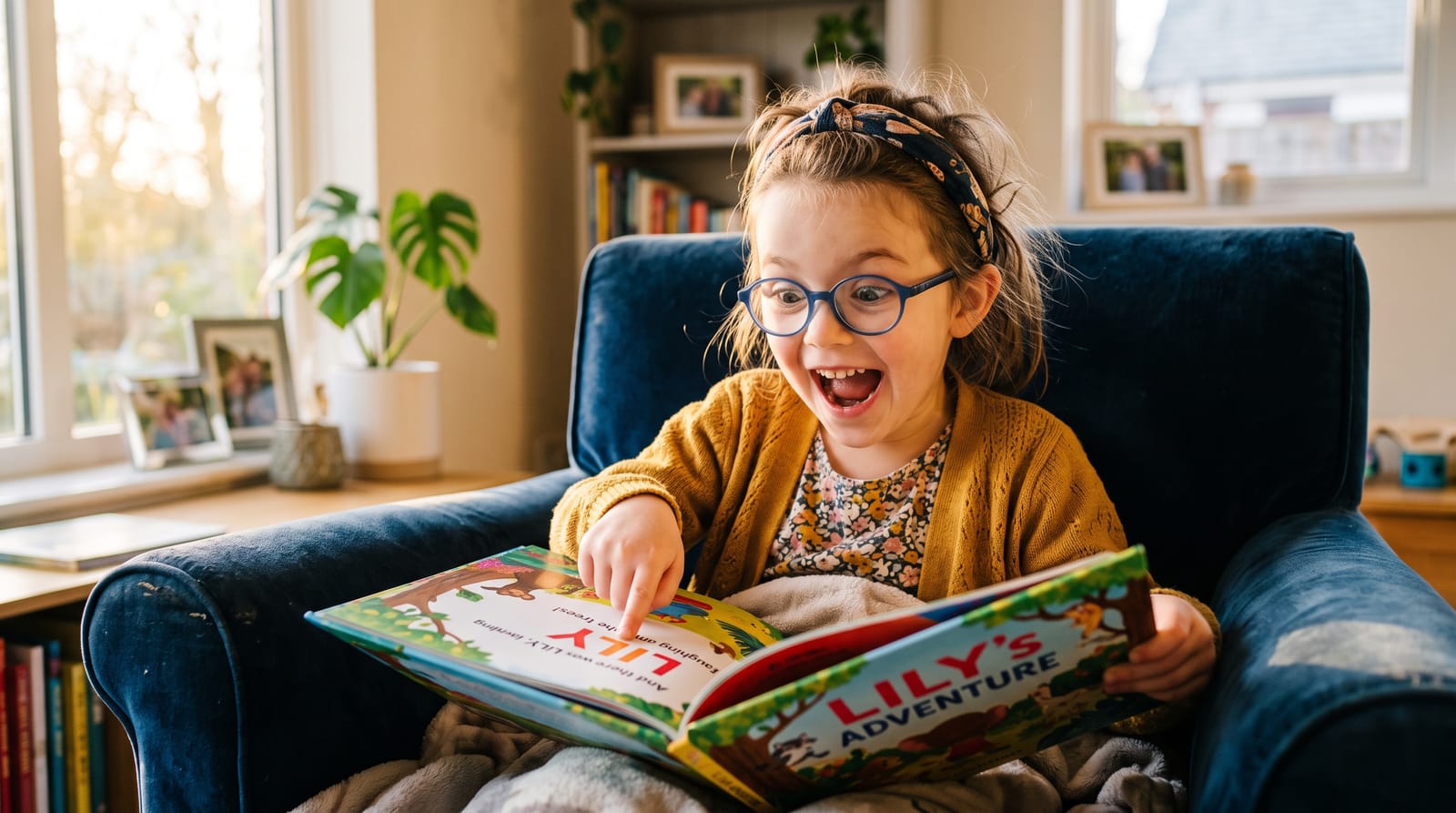
Personalization acts as a bridge here. It allows a child to see themselves not just as a spectator of culture, but as an active participant in it. When a child sees their own likeness or name in a story about a "little light" shining bright, it reinforces their place in the world. It tells them that their joy is worthy of being documented and shared. This shift is part of how personalized books address the modern picture book, ensuring that every child feels they are the protagonist of a joyful life, not just a bystander.
The "Architecture of Cozy": Sensory Reading in {YEAR}
In an increasingly digital and fast-paced world, the "cozy" picture book has become a vital tool for emotional regulation. This trend, often referred to as hygge in children’s literature, focuses on the sensory experience of reading. It’s about the "hominess vortex"—the feeling of being wrapped in a metaphorical (or literal) blanket while the world outside feels cold or overwhelming.
What makes a book feel cozy? It’s often the small details:
- Textural Language: Words that describe the itch of a sweater or the warmth of a mug.
- Visual Patterns: Illustrations that use soft palettes and intricate, repetitive designs.
- Rhythmic Prose: A cadence that mimics a heartbeat or a gentle rainfall.
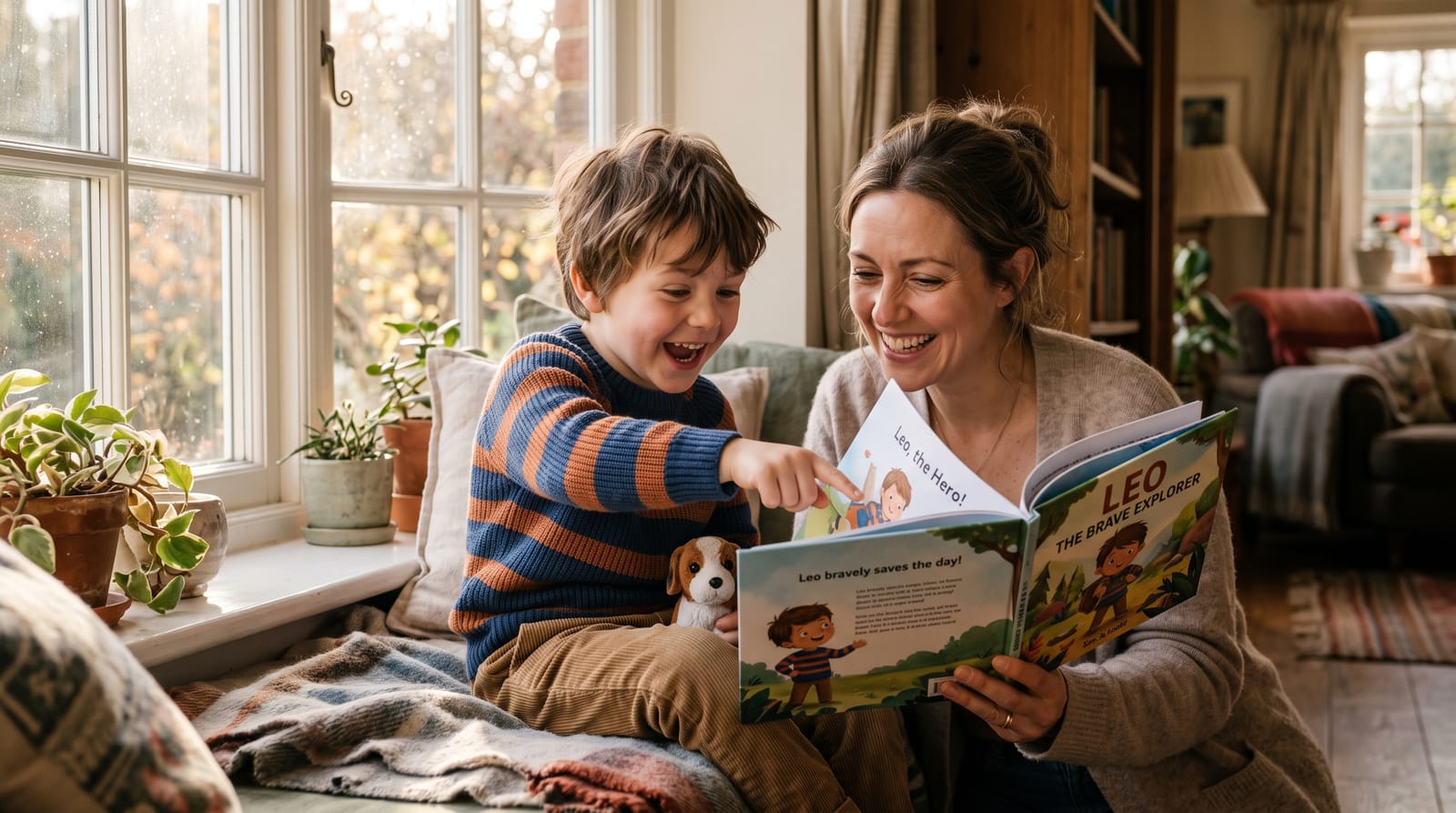
These books serve as a sanctuary. For parents, creating a "cozy" reading environment is about more than just the story; it’s about the bond formed in that shared space. Personalized picture books offer a new way to get cozy, because they add a layer of psychological safety. When a child hears their name woven into a gentle, wintery tale, the "safety" of the story becomes personal. They aren't just reading about a warm house; they are being invited into it.
Why Specificity is the Ultimate Tool for Connection
The common thread between neuro-inclusive stories, joyful representation, and cozy narratives is specificity. The more specific a story is to a child’s internal or external reality, the more it resonates.
Generic stories can be entertaining, but specific stories are transformative. This is why personalization transforms the picture book experience. It bridges the gap between the "universal" and the "individual."
Consider a child who has had a "bad day"—a day where nothing felt right at school and their sensory threshold was reached. Reading a generic story about a bad day might help. But reading a story where they are the one who finds comfort in a special box or a quiet corner, and where their name is the one spoken by a supportive parent in the prose, provides a level of co-regulation that is hard to match.
Integrating Modern Trends into Your Home Library
As we look toward the rest of {YEAR}, parents can use these trends to build a more intentional home library. Here is how to blend traditional picture books with personalized stories for a holistic reading experience:
- Balance Mirrors and Windows: Ensure your child has "window" books (stories about people different from them) and "mirror" books (stories where they see themselves). Personalized books are the ultimate "mirrors."
- Focus on "Low-Stakes" Joy: Look for books where the "plot" is simply a beautiful day or a creative endeavor. This builds a positive association with reading.
- Use Story as a Rehearsal: For children who struggle with transitions, use personalized narratives to walk them through new experiences, such as back-to-school prep.
- Prioritize the Physical Experience: In an age of tablets, the tactile nature of a high-quality picture book—the smell of the ink, the weight of the paper—is part of the "cozy" appeal.
The Future of Storytelling is Personal
At StorytimeHero, we see the picture book not just as a product, but as a vessel for connection. The trends we see in the wider literary world—the move toward inclusivity, the celebration of neurodiversity, and the focus on emotional well-being—are all indicators that we are learning to value the individual child more deeply.
Personalized books are the natural conclusion of this movement. They take the beautiful themes of modern literature and hand them directly to the child, saying, "This isn't just a great story. This is your story."
By combining the artistry of professional storytelling with the deep emotional impact of personalization, we can help the next generation grow up feeling seen, heard, and—above all—cherished. As you build your child's library in {YEAR}, remember that the most important character in any book is the one who is holding it.
***
Frequently Asked Questions
Related Reading
Free preview checklist
Get the personalized book gift checklist
Know what photo to use, what to write in the dedication, and what to review before ordering.