Attachment Theory and Keepsake Gifts: Building a Lifelong Bond with Your Child
Start a cover preview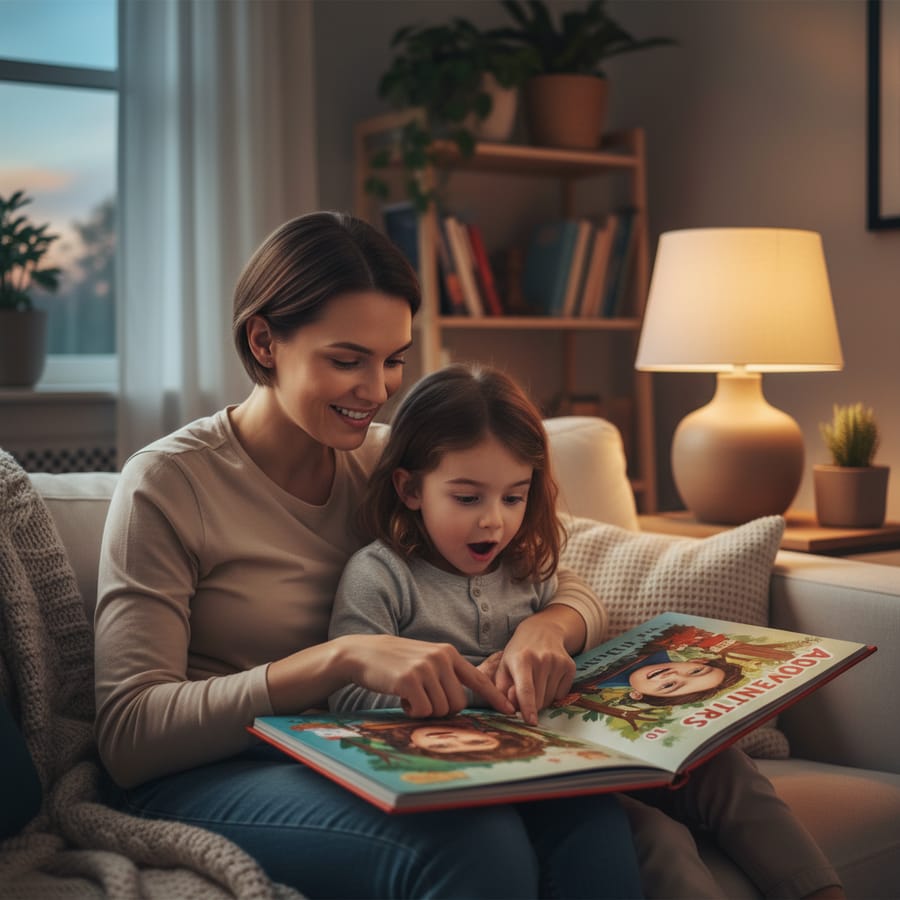
Think back to your own childhood for a moment. Do you remember a specific stuffed animal, a worn-out blanket, or a favorite book that you just couldn't go to sleep without? Those items weren't just "stuff"; they were symbols of safety, comfort, and the love your parents provided. Today, we understand the science behind those feelings through a concept called Attachment Theory. When we combine the principles of Attachment Theory and Keepsake Gifts, we create a powerful foundation for our children’s emotional health. As parents, we are always looking for ways to show our kids they are seen, known, and deeply loved. Personalized storybooks, where your child sees their own face as the hero of the story, are more than just a fun present; they are tools for building a secure bond that lasts a lifetime.
Understanding the Basics of Attachment Theory
Attachment Theory sounds like a heavy academic subject, but it’s actually very simple and beautiful. It was first developed by a psychologist named John Bowlby, who realized that the way a child bonds with their primary caregiver (that’s you!) sets the stage for every relationship they will have in the future.
When a child has a "secure attachment," they feel confident that you will be there when they need you. They feel safe to explore the world because they know they have a "secure base" to return to. This sense of security doesn't just happen by accident; it’s built through thousands of small interactions, for example hugs, bedtime stories, and the way you respond when they are upset.
By choosing personalized books for kids, you are engaging in an activity that promotes this secure attachment. You are sitting close, sharing a narrative, and literally showing them that they are the center of your world. This creates an "internal working model" in their brain that says, "I am important, I am loved, and the world is a safe place."
Why Keepsake Gifts Are More Than Just Objects
In our fast-paced, digital world, physical objects carry a special kind of weight. A "keepsake" is something we keep because of the memories and emotions attached to it. When we talk about Attachment Theory and Keepsake Gifts, we are talking about creating physical anchors for a child’s sense of belonging.
A plastic toy from a big-box store might be fun for a week, but it rarely becomes a keepsake. A keepsake is something that tells a story about the child’s identity and their place in the family. It could be a hand-knit sweater, a silver rattle, or a book that features their own face and name. These items serve as "transitional objects." They provide comfort when you aren't right there with them.
When a child looks at a keepsake gift, they don't just see an object; they see your love reflected back at them. It’s a tangible reminder that they are special enough to have something created just for them. This is why personalized storybooks are so effective: they combine the power of a physical keepsake with the emotional resonance of a story where they are the star.
How Personalized Storybooks Support Attachment Theory and Keepsake Gifts
One of the most exciting developments in parenting tools is the ability to create truly customized children's stories. At StorytimeHero.ai, we use AI to place your child’s uploaded photo into the illustrations of their own adventure. This isn't just a "cool" feature; it has deep psychological benefits.
The Power of Being Seen
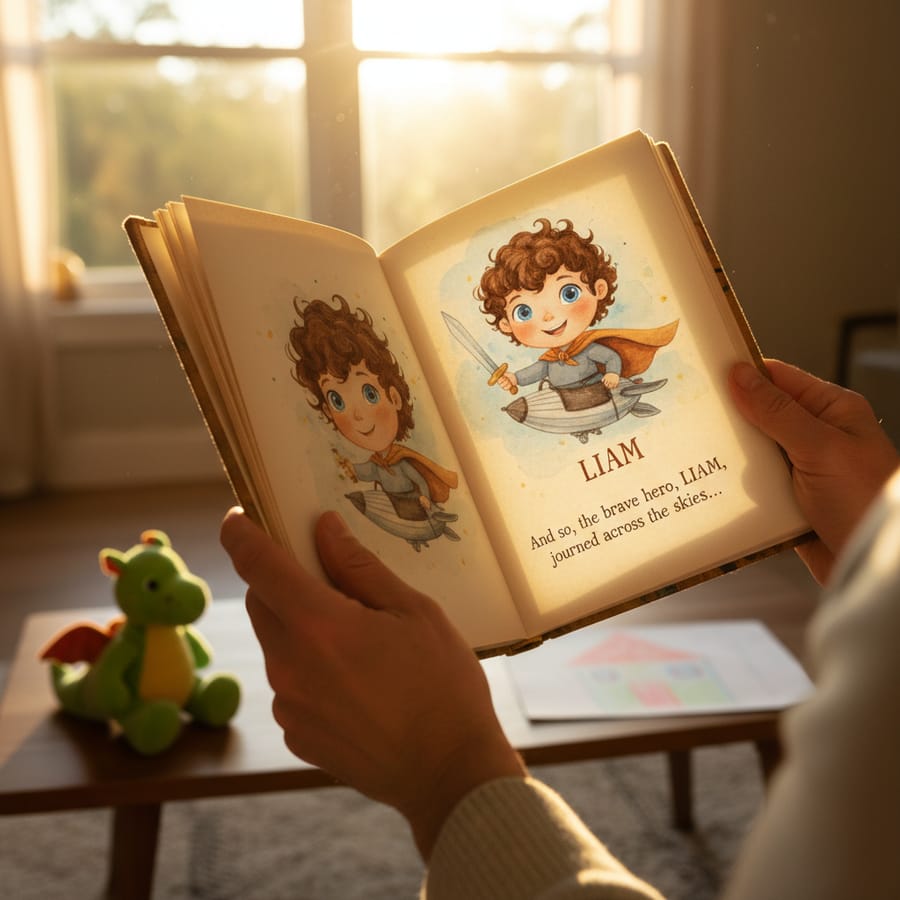
In Attachment Theory, "mirroring" is a vital concept. It’s the process where a parent reflects a child’s emotions and identity back to them. When a child sees their own face in a book, it is a literal form of mirroring. They see themselves being brave, kind, and adventurous. This helps them build a strong "self-concept." They begin to believe, "I am a hero. I can handle challenges."
Shared Attention and Bonding
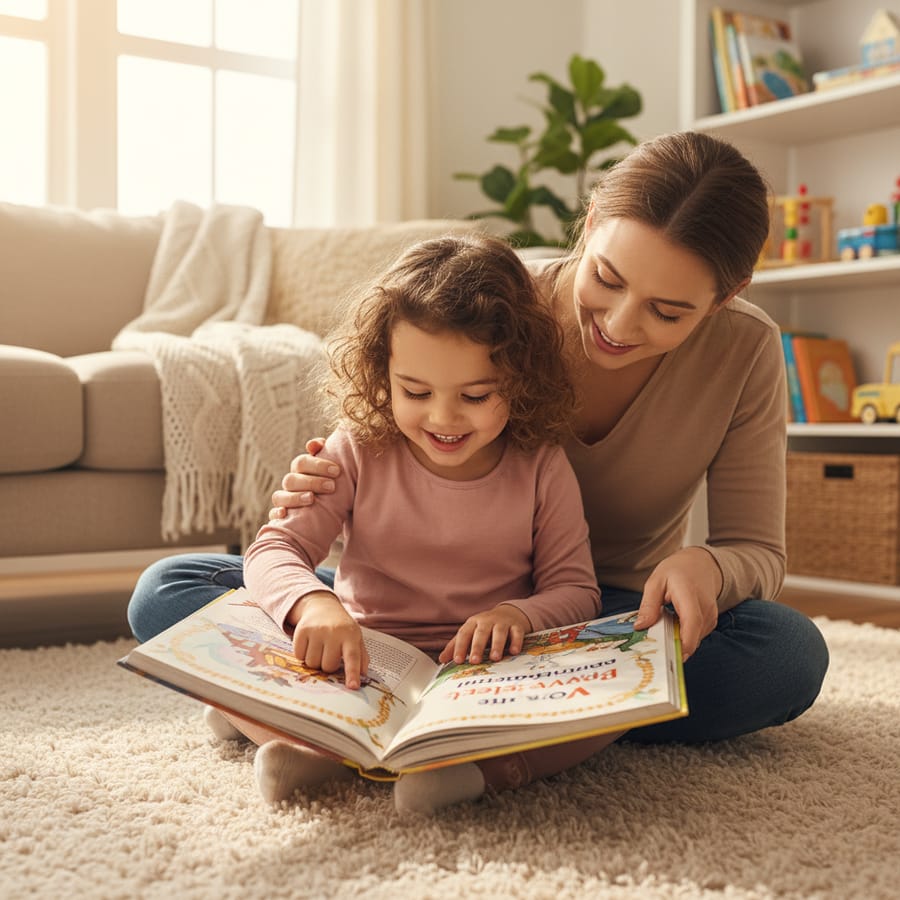
Reading together is one of the best "bonding" activities there is. It requires "joint attention," where both you and your child are focused on the same thing at the same time. When the book is about them, that attention is doubled. You are talking about their face, their name, and their journey. This shared experience strengthens the neurological pathways associated with trust and intimacy.
Emotional Regulation
Keepsake gifts often become "comfort objects." During times of stress, for example starting a new school or moving to a new house, a personalized book can act as a stabilizing force. Seeing themselves as the hero of a story provides a sense of control and agency, a feeling which is essential for emotional regulation.
Using Attachment Theory and Keepsake Gifts to Build Bedtime Rituals
Bedtime is often the most vulnerable time of day for a child. It’s the moment they have to "separate" from you to go to sleep. This is where a secure attachment is most visible. If a child feels secure, they can handle the transition to sleep more easily.
Incorporating Attachment Theory and Keepsake Gifts into your nightly routine can transform bedtime from a struggle into a sanctuary. Here is how you can use a personalized book to facilitate that:
- The Physical Touch: Sit close enough that your shoulders touch. This physical proximity releases oxytocin (the "cuddle hormone") in both of you.
- The Narrative Connection: As you read their personalized story, pause to point out their face in the pictures. Say things like, "Look how brave you look there!" or "That’s my favorite hero."
- The "Bridge" to Sleep: After the book is finished, it stays on their nightstand. It becomes a physical "bridge" that connects their time with you to their time alone in the dream world.
By using customized books for toddlers, you are giving them a tool they can literally hold onto as they drift off, knowing they are safe and cherished.
The Science of Identity: Why Seeing Their Own Face Matters
You might wonder if it really makes a difference to have their face in the book versus just their name. The answer is a resounding yes. From a very young age, children are wired to recognize faces. The "fusiform face area" in the brain is specialized for this task.
When a child sees their own face, it triggers a unique neurological response. It validates their existence. In the context of Attachment Theory and Keepsake Gifts, this validation is a form of "attunement." It tells the child that you see them for exactly who they are.
This is particularly important for children who may feel "lost in the shuffle" in large families or those going through big life changes. A meaningful gift for kids that features their likeness acts as a permanent record of their importance. It says, "You are not just any child; you are this child, and you are the hero of our family story."
Practical Tips for Choosing and Using Keepsake Gifts
Building a secure attachment is a marathon, not a sprint. You don't need a thousand gifts; you just need a few that truly matter. Here are some practical ways to integrate these concepts into your parenting:
- Focus on Quality Over Quantity: One high-quality personalized book that you read every night is worth more than a toy box full of cheap gadgets. Look for gifts that have staying power.
- Make it an Experience: When you give a keepsake gift, don't just hand it over. Create a "reveal" moment. Tell them why you chose it for them. "I wanted you to have this book because you are the bravest person I know."
- Incorporate Their Interests: If your child is obsessed with space, get them a personalized space adventure. When a gift aligns with their passions, it shows you are paying attention to their inner world. This is a key component of secure attachment.
- Use the Gift for Transitions: If you are going away for a weekend or if the child is going to daycare, let them take their keepsake with them. It serves as a "piece of home" that keeps the attachment bond active even when you are physically apart.
- Update the Keepsakes: As your child grows, their needs change. A baby book is great for an infant, but a personalized birthday gift like a chapter-style adventure book is better for an older child. Keep the tradition alive by evolving the gifts with them.
The Long-Term Impact of Secure Attachment
Why do we put so much effort into Attachment Theory and Keepsake Gifts? Because the long-term benefits are incredible. Research shows that children with secure attachments grow up to have:
- Higher Self-Esteem: They believe they are worthy of love because you showed them they were.
- Better Social Skills: They find it easier to trust others and build healthy friendships.
- Increased Resilience: When life gets hard, they have a "reservoir" of security to draw from.
- Lower Anxiety: They feel more comfortable exploring new environments and taking risks.
A personalized book from StorytimeHero.ai isn't just a way to pass twenty minutes before bed. It’s a brick in the wall of their emotional fortress. It’s a way of saying "I love you" that they can see, touch, and read over and over again.
Creating a Legacy of Love
As parents, we often worry about what our children will remember. We worry about the mistakes we make or the days we are too tired to play. But children don't need perfect parents; they need "good enough" parents who are consistently present and who celebrate their unique identity.
Keepsake gifts are the evidence of that celebration. Years from now, when your child is an adult, they might find that old, dusty book in a box in the attic. They’ll open it up and see their own young face looking back at them, embarking on an adventure. In that moment, they won't just remember the story; they will remember the feeling of sitting in your lap, the sound of your voice, and the absolute certainty that they were the hero of your heart.
That is the true power of combining Attachment Theory and Keepsake Gifts. You aren't just buying a product; you are investing in a relationship. You are telling a story that your child will carry with them for the rest of their lives.
Frequently Asked Questions
Free preview checklist
Get the personalized book gift checklist
Know what photo to use, what to write in the dedication, and what to review before ordering.