How Personalization Transforms the Picture Book | StorytimeHero
Upload a photo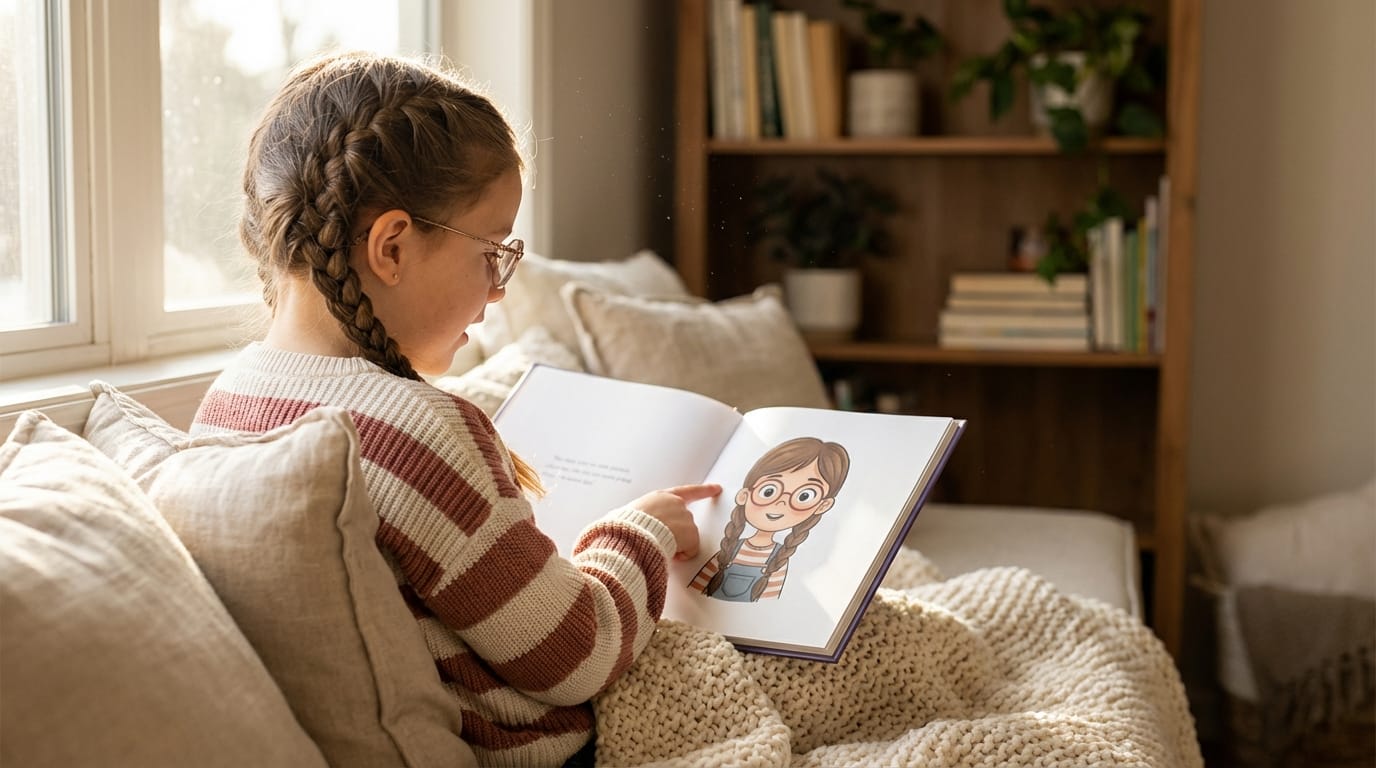
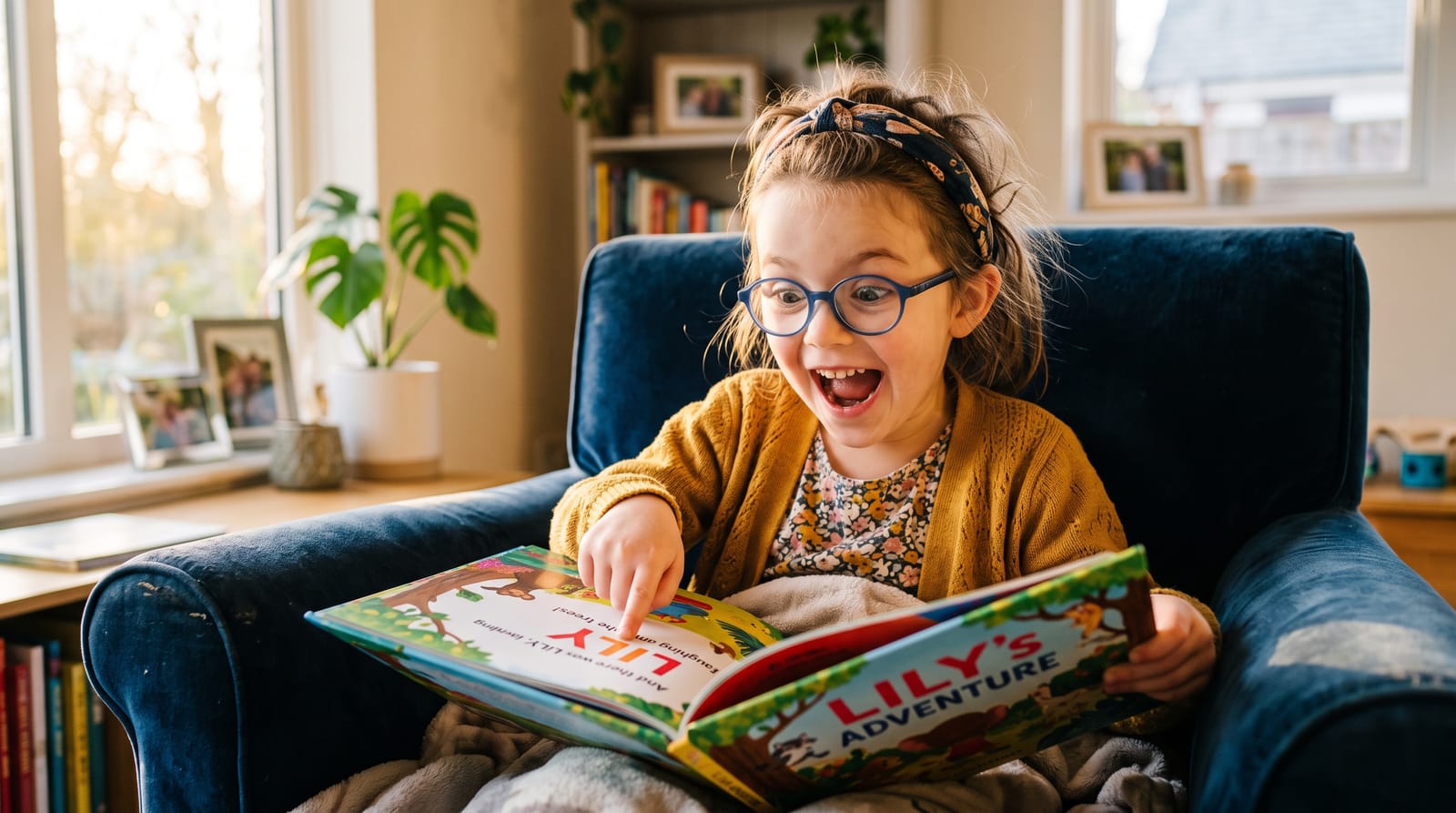
For decades, the traditional picture book has served as a window—a way for children to look out into worlds different from their own, filled with talking animals, distant lands, and whimsical adventures. But as we move through {YEAR}, the role of children’s literature is undergoing a profound shift. Today’s parents and educators are looking for more than just a window; they are looking for a mirror.
They are seeking stories where children don’t just observe the hero—they are the hero. This evolution is particularly visible in how the modern picture book addresses complex themes like neurodiversity, cultural identity, and emotional resilience. By weaving a child’s specific identity into the narrative, personalized books are transforming reading from a passive pastime into a deeply supportive developmental tool.
The Shift Toward Radical Representation
Representation in children’s literature has historically been about ensuring that every child can find someone who looks like them on the shelf. While this is essential, the modern picture book is moving toward a more nuanced form of inclusion. It isn’t just about seeing a character with the same skin tone or hair texture; it’s about seeing a character navigate the world with the same internal experiences.
When we look at the growing category of books featuring neurodivergent characters, we see a focus on "different brains." Whether a child navigates the world with a stutter, experiences sensory sensitivities, or simply processes emotions more intensely than their peers, stories help validate those experiences.
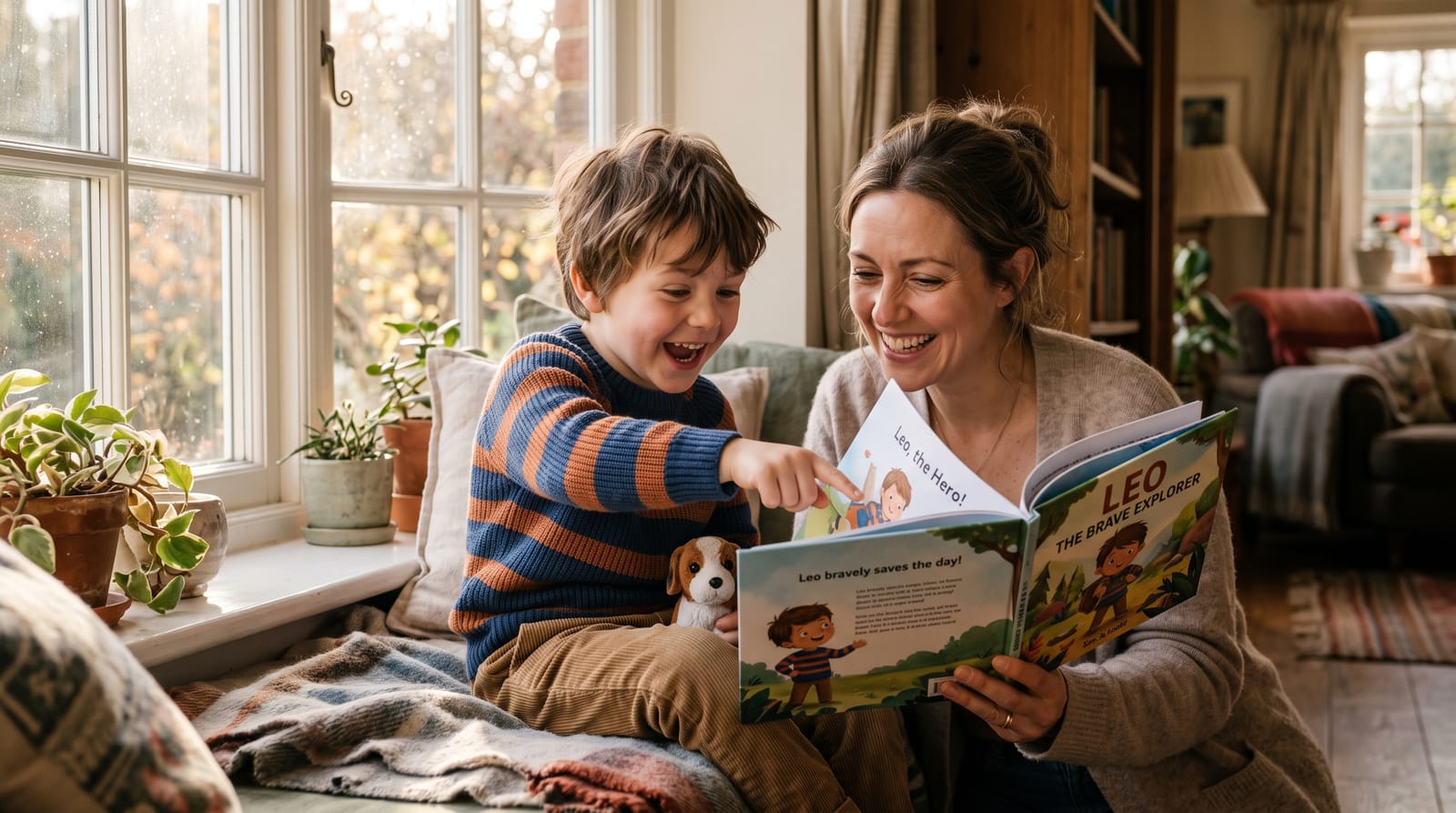
However, a standard picture book about a child with a stutter is still a story about someone else. This is where personalized books create a "bridge of belonging." When a child sees their own name and likeness navigating a "bad speech day" or finding comfort in a sensory-friendly space, the message of the book shifts from "this happens to people" to "this is a part of my story, and I am okay." This subtle shift builds a foundation of self-acceptance that traditional narratives can struggle to achieve.
For more on this, you might explore how personalized books address the modern picture book.
Celebrating Everyday Joy and Cultural Identity
Another significant trend in the {YEAR} literary landscape is the move toward "everyday joy" in diverse storytelling. For a long time, books featuring marginalized communities often focused on struggle, history, or overcoming adversity. While those stories are vital, there is a growing movement to celebrate the mundane, beautiful aspects of life—like the ritual of hair care, the excitement of a community festival, or the simple warmth of a family meal.
Personalization takes this celebration of joy a step further. It allows a child to see themselves not as a representative of a demographic, but as a unique individual experiencing the wonders of their own culture. In a personalized picture book, the "light" being celebrated is specifically their light. This reinforces the idea that their identity is not a "special topic" to be studied once a year, but a permanent, joyful reality of their daily life.
By making the child the protagonist of these joyful narratives, we move away from "issue-based" reading and toward a more holistic view of the child’s world. This is a key part of how personalization reimagines the picture book experience for the next generation.
The Architecture of "Cozy": Creating Emotional Safety
What makes a picture book feel "cozy"? Often, it’s a combination of soft illustrations, rhythmic prose, and themes of safety and warmth. In an increasingly fast-paced and digital world, the "cozy" picture book serves as an emotional anchor for children. It’s a space where the "darkness and the cold"—both literal and metaphorical—can be kept at bay.
Personalized stories enhance this sense of "cozy" by grounding the story in the child’s real-world relationships. When a story includes a child’s name alongside their parents, grandparents, or even a beloved pet, it creates a "hominess vortex." The book becomes a safe harbor.
For children dealing with big emotions—like anxiety about a new school or the sadness of a bad day—the familiarity of a personalized narrative acts as a soothing balm. It’s easier to believe that "everything will be alright" when the person the book is talking to is you. This sense of security is vital for attachment theory and building a lifelong bond between the reader and the child.
Narrative Rehearsal: Using Stories to Navigate Challenges
One of the most practical applications of the personalized picture book is what child psychologists often call "narrative rehearsal." This is the process of using a story to practice a real-life situation before it happens.
Think about a child with ADHD or anxiety who finds routines difficult. A standard book about a character getting ready for school might be helpful, but a personalized book that walks the child through their own morning routine becomes a blueprint for success.
By seeing themselves successfully navigating transitions, managing a "bad day," or finding their voice in a crowded room, children build "mental scripts" for these moments. At StorytimeHero, we’ve seen how this type of storytelling helps children feel more capable and confident. Using ADHD-focused stories to rehearse routines is just one way that personalization serves a functional, supportive role in a child's development.
The Sensory Experience of the Modern Picture Book
A great picture book is a multisensory experience. It’s the texture of the paper, the vibrant colors of the ink, and the sound of a caregiver’s voice. In the world of personalization, this sensory experience is deepened by the "Name-Recognition Effect."
When a child hears their own name spoken within the flow of a story, their brain enters a state of heightened attention. This isn't just a gimmick; it’s a biological response that increases engagement and retention. This increased focus makes the lessons within the book—whether they are about kindness, bravery, or the beauty of a snowy day—much more likely to stick.
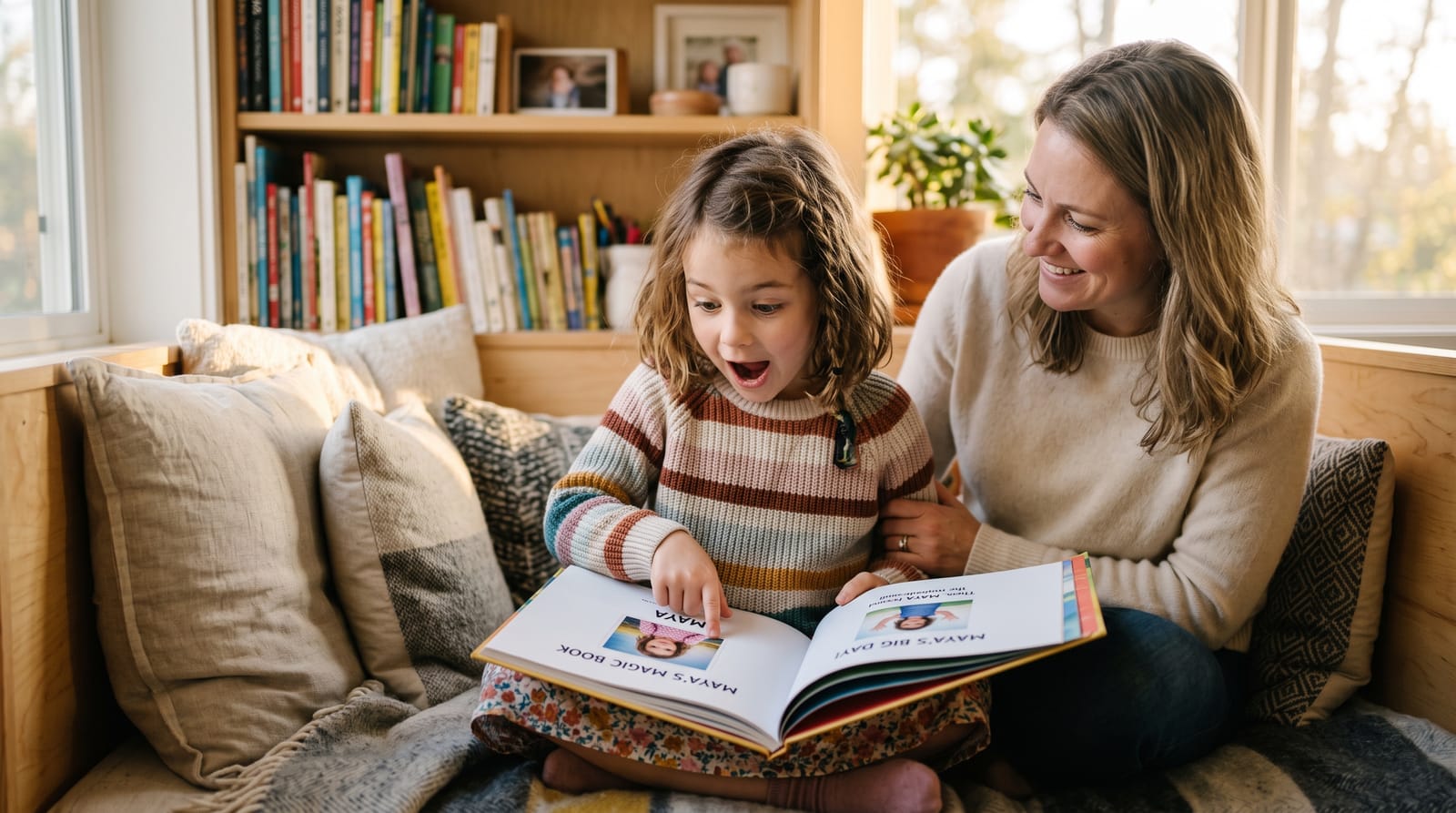
Furthermore, as we see in trends like the "hygge" aesthetic in children’s books, the visual details matter. Personalized books that allow for custom avatars or the inclusion of family photos ensure that the visual "patterns" of the book match the child’s reality. It creates a seamless loop between the world on the page and the world in the child's living room. You can read more about this in our guide to personalized winter picture books and cozy reading.
Why This Matters for the Future of Reading
As we look toward the future, the definition of a "classic" picture book is changing. It is no longer enough for a book to be beautifully written and illustrated; it must also be inclusive and personally resonant.
The rise of personalized books represents a democratization of storytelling. It ensures that no child has to wait for a publisher to "discover" a story that looks like theirs. Instead, parents can create that story today. This empowerment is at the heart of the StorytimeHero mission—giving every child the chance to see themselves as the hero of their own journey.
By embracing the trends of neurodiversity, cultural celebration, and emotional "coziness," personalized books are doing more than just entertaining; they are helping to raise a generation of children who feel seen, heard, and deeply valued.
FAQ: Parents' Questions About Personalized Picture Books
Related Reading
- How Personalization Reimagines the Picture Book
- How Personalized Books Support Parenting Goals
- The Architecture of Belonging in Family Books
- Personalized Books for Autism & ADHD
- The Psychology of Keepsakes: Why Parents Save Custom Gifts
***
About StorytimeHero: We believe every child deserves to be the hero of their own story. Our personalized picture books are designed to build confidence, foster inclusion, and create lasting family memories through the power of custom storytelling.
Free preview checklist
Get the personalized book gift checklist
Know what photo to use, what to write in the dedication, and what to review before ordering.