Personalized Winter Picture Books: A Guide to Cozy Reading | StorytimeHero
Upload a photo
As the days grow shorter and the first frost begins to lace the windowpanes, our homes naturally transform. We pull the heavy quilts from the back of the closet, we dim the overhead lights in favor of soft lamps, and we find ourselves gravitating toward the kitchen for something warm to drink. For families with young children, this seasonal shift isn't just about the weather—it’s about a change in the internal rhythm of the home. This is the season of the picture book.
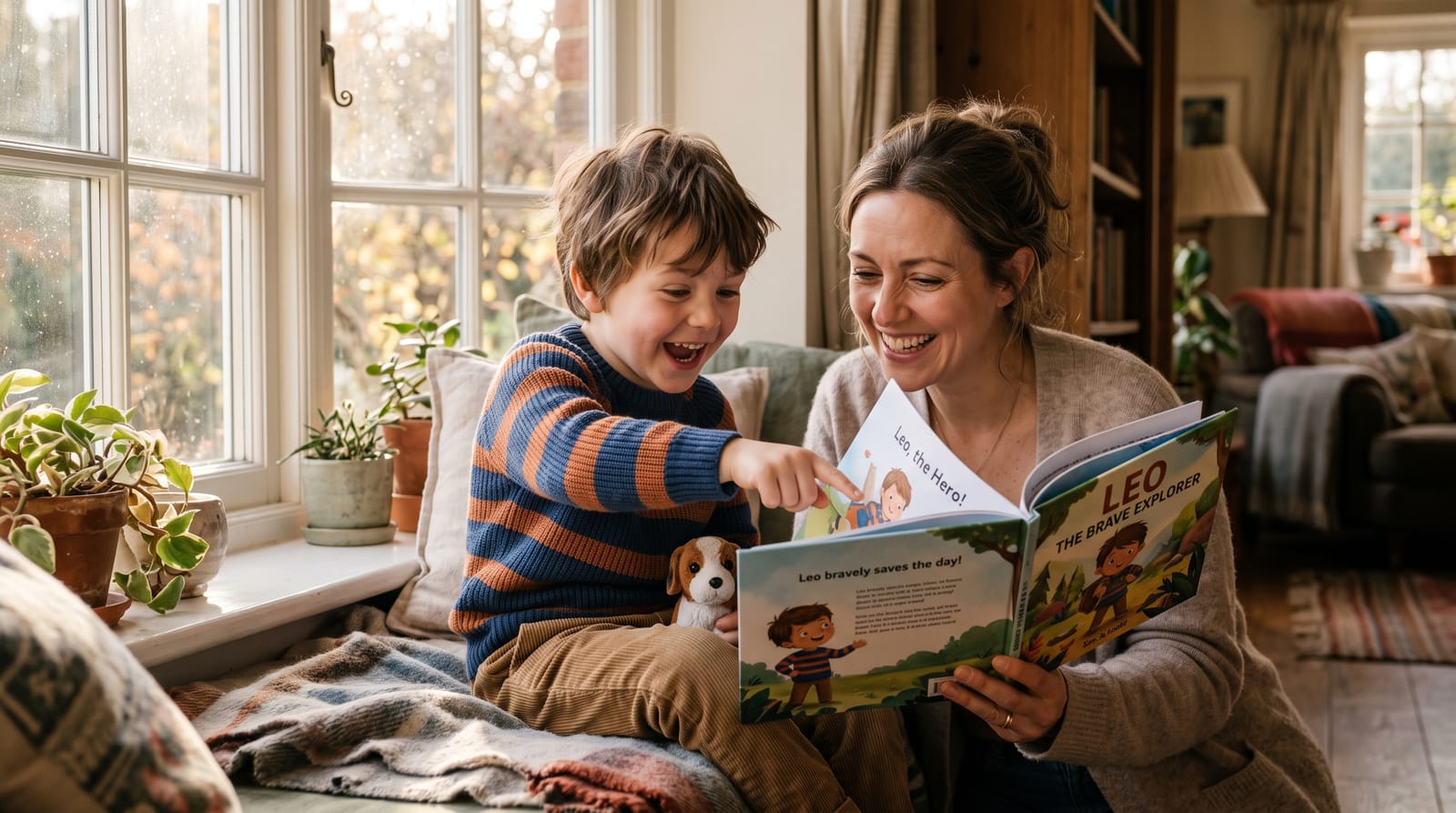
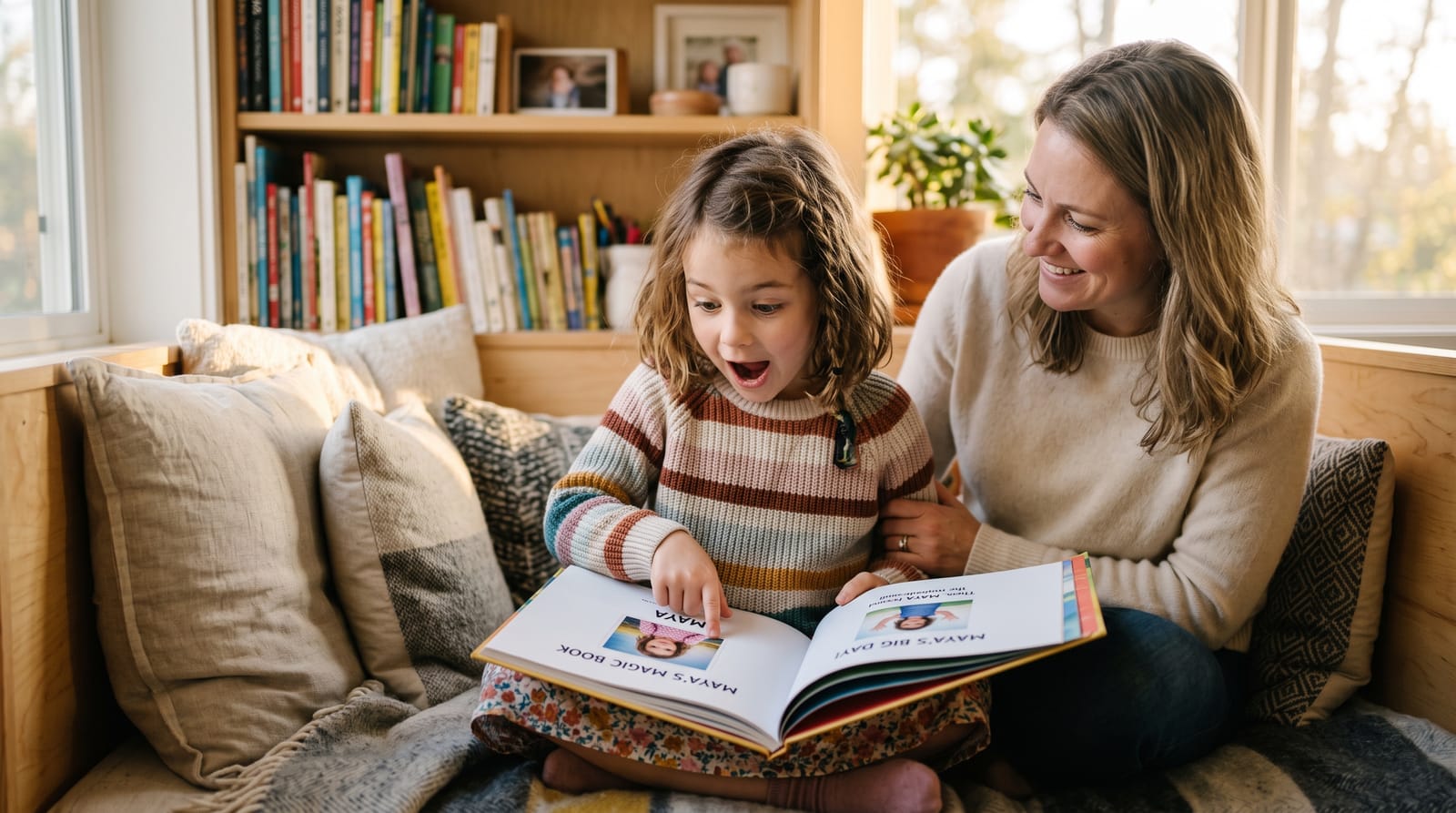
There is a unique magic in the winter reading ritual. It is a time for "hibernation," a concept that goes beyond just staying indoors. It is about creating a "hominess vortex"—a safe, warm space where the outside world’s chill cannot reach. While any good story can offer an escape, there is a growing realization among educators and parents that personalized books offer something even deeper: a sense of belonging in the midst of the magic.
In this guide, we’ll explore how the elements of a classic, cozy picture book are elevated when your child isn’t just an observer of the story, but the hero at the heart of it.
The Anatomy of a "Cozy" Picture Book
What exactly makes a book feel "cozy"? It isn’t always about the plot. Often, the feeling comes from the sensory details that ground a child in the moment. When we look at the best-loved stories of {YEAR}, several key elements stand out.
Texture and Visual Patterns
A great picture book often uses art to convey warmth. Think of the way an illustrator might render the knit of a sweater or the soft, dappled fur of a fox. These visual textures invite a child to imagine the feel of the objects on the page. In a personalized book, this effect is amplified. When a child sees a character who shares their hair color or glasses wearing a thick, textured scarf, the tactile connection becomes personal. They aren’t just looking at a sweater; they are looking at their sweater.
The Warmth of Color Palettes
Winter stories often rely on a contrast between the "outside" and the "inside." Outside, the world may be rendered in cool grays, deep blues, and crisp whites. Inside, the pages glow with oranges, soft yellows, and deep reds. This visual storytelling helps children understand the concept of sanctuary. By placing a child’s own likeness within those warm, amber-hued indoor scenes, personalized books reinforce the idea that the child is safe, centered, and loved.
Sensory Language
The best stories don't just tell you it's cold; they make you hear the "crunch" of snow and feel the "sting" of the wind. This descriptive language is a cornerstone of early childhood development. It helps kids build a vocabulary for their own physical experiences. When these sensory details are paired with a personalized narrative, the child’s brain processes the story as a lived memory rather than a fictional account.
Seasonal Transitions: Helping Children Navigate the Winter Shift
For a toddler or preschooler, the transition into winter can be jarring. The sudden need for layers of clothing—the boots, the mittens, the hats—can feel like a chore. The loss of evening sunlight can lead to "decreasing energy" or even a bit of seasonal grumpiness.
This is where the thematic power of the picture book comes into play. Stories that focus on how animals adapt to the cold—like a fox finding his place in the snowy woods or a turtle settling into the mud—help children normalize the change. These stories teach that winter isn't a "stop" to life, but a different way of living.
By using personalized books, parents can help children visualize themselves participating in these seasonal rites. A story that features your child learning to love the quiet of a snowy morning can change their entire perspective on the season. It moves the narrative from "I have to put on my boots" to "I am an explorer in the great white woods."
For more on how these stories impact a child's development, you might find our look at the benefits of personalized reading helpful.
The Mirror Effect: Why Seeing Themselves in a Winter Story Matters
There is a psychological concept known as "mirroring" in children’s literature. When a child sees a character who looks like them or shares their name, it validates their existence and their experiences. In the context of a cozy winter story, this creates a profound sense of security.
Building Confidence Through Representation
When a child is the "hero" of a winter adventure, they are practicing bravery and curiosity in a safe environment. Whether the story is about building the world’s tallest snowman or simply finding the courage to try a new winter sport, seeing themselves succeed on the page builds real-world confidence. This is a core pillar of what we do at StorytimeHero, as we believe that building child confidence through personalized stories is one of the greatest gifts a parent can give.
Strengthening Sibling Bonds
Winter is a season of togetherness. Many classic picture books celebrate the relationship between siblings as they navigate a snow day or share a secret under a blanket fort. Personalized stories allow you to cast siblings together, mirroring their real-life dynamics. Seeing a "big sister" figure helping a "little brother" in the pages of a book encourages that same empathy and imitation in real life. If you're looking for ways to feature multiple children, check out our guide on personalized sibling books.
The Power of Ritual: Creating a "Hibernation Vortex"
As a content strategist, I often talk about the "experience" of a book. A picture book is rarely just a solo activity; it is a performance. To truly lean into the "cozy" theme this year, consider how you can build a ritual around your personalized reading time.
- The Lighting: Turn off the harsh overhead lights. Use fairy lights, a fireplace, or a dim bedside lamp to create a "hominess vortex."
- The Texture: Bring the book to life by having a "reading blanket" that matches the one in the story.
- The Repetition: Children crave patterns. Many of the best picture books use repeating phrases or rhythmic prose. In a personalized book, the repetition of the child's name becomes a rhythmic anchor, pulling them back into the story every time their attention wanders.
- The Discussion: After the story ends, don't just close the book. Ask your child, "What would you do if we found a fox in our backyard?" or "What kind of sweater would you knit for our dog?"
Humor and Rereadability in {YEAR}
While coziness is the goal, we can’t forget that children also love to laugh. The most successful picture books of {YEAR} are those that balance heart with humor. Whether it’s a silly animal who doesn't know how to hibernate or a child who tries to put a sweater on a snowman, humor is what makes a book "rereadable."
A personalized book naturally has high rereadability because the child is the star. They never tire of hearing their own name or seeing their own face in a new situation. When you add a dash of humor to that personalization—perhaps a story where the child and their favorite animal get into a snow-related scrape—you create a book that will be pulled off the shelf night after night.
Choosing the Right Elements for Your Child's Custom Story
If you are learning how to create a custom storybook easily, keep these "cozy" tips in mind:
- Focus on the Senses: Choose storylines that emphasize the sights, sounds, and smells of the season.
- Embrace the Quiet: Not every story needs to be a high-stakes adventure. Some of the most impactful personalized books are about the quiet moments—drinking cocoa, watching birds, or falling asleep.
- Involve the Family: Winter is about connection. Including parents or grandparents in the story adds an extra layer of emotional warmth. This is why many families choose personalized books for grandparents as a way to bridge the distance during the colder months.
Frequently Asked Questions
Conclusion: The Gift of Being Seen
In a world that often feels fast-paced and digital, the traditional picture book remains a grounding force for children. By adding the element of personalization, we transform a simple bedtime story into a powerful tool for emotional development and family connection.
As you settle into your own "hibernation vortex" this year, remember that the most important part of any story isn't the ink on the page—it's the child sitting in your lap, seeing themselves as the hero of their own warm, wonderful world.
*
Related Reading
Free preview checklist
Get the personalized book gift checklist
Know what photo to use, what to write in the dedication, and what to review before ordering.