Building Self-Esteem: Making Your Child the Hero of the Story
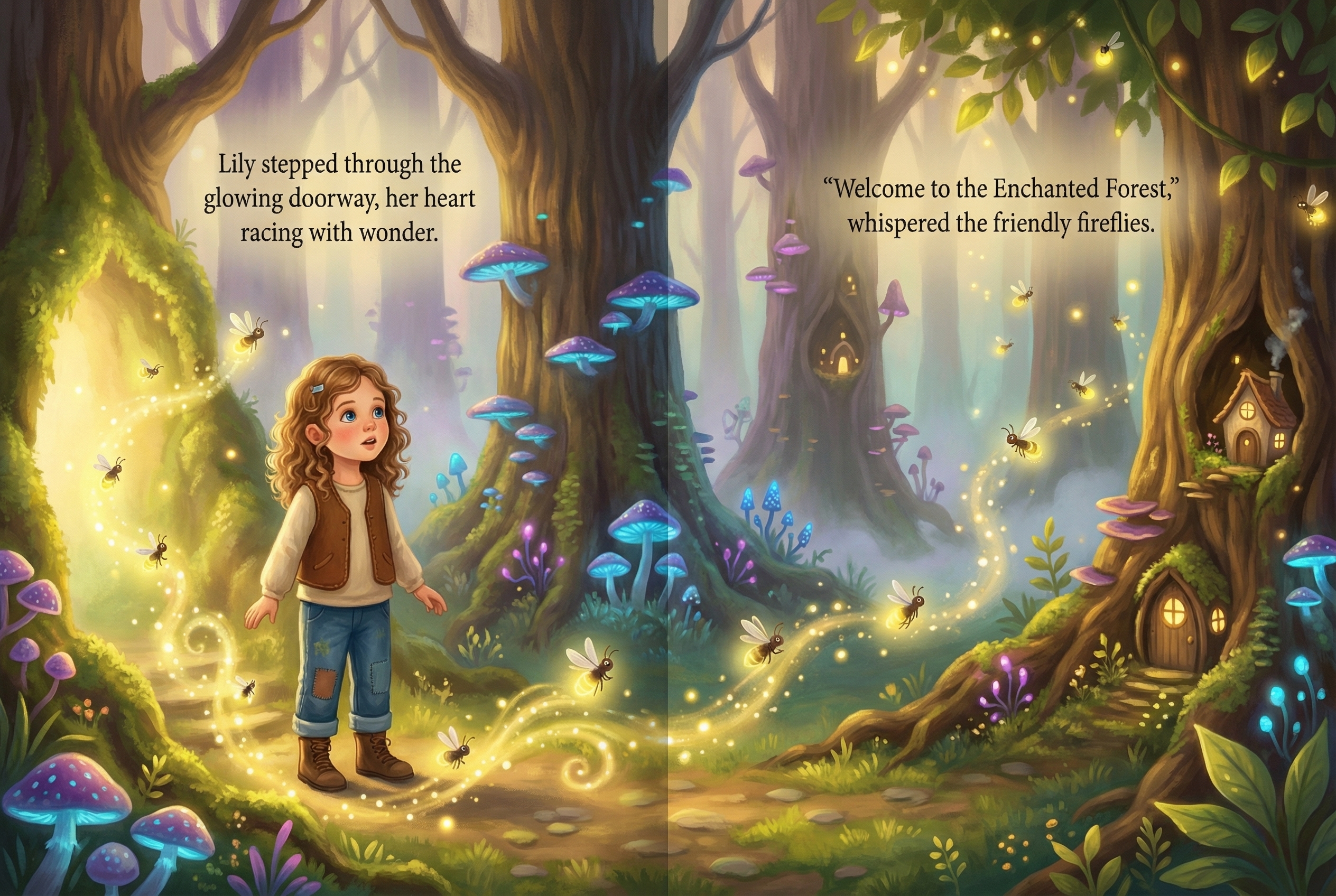
Start a cover preview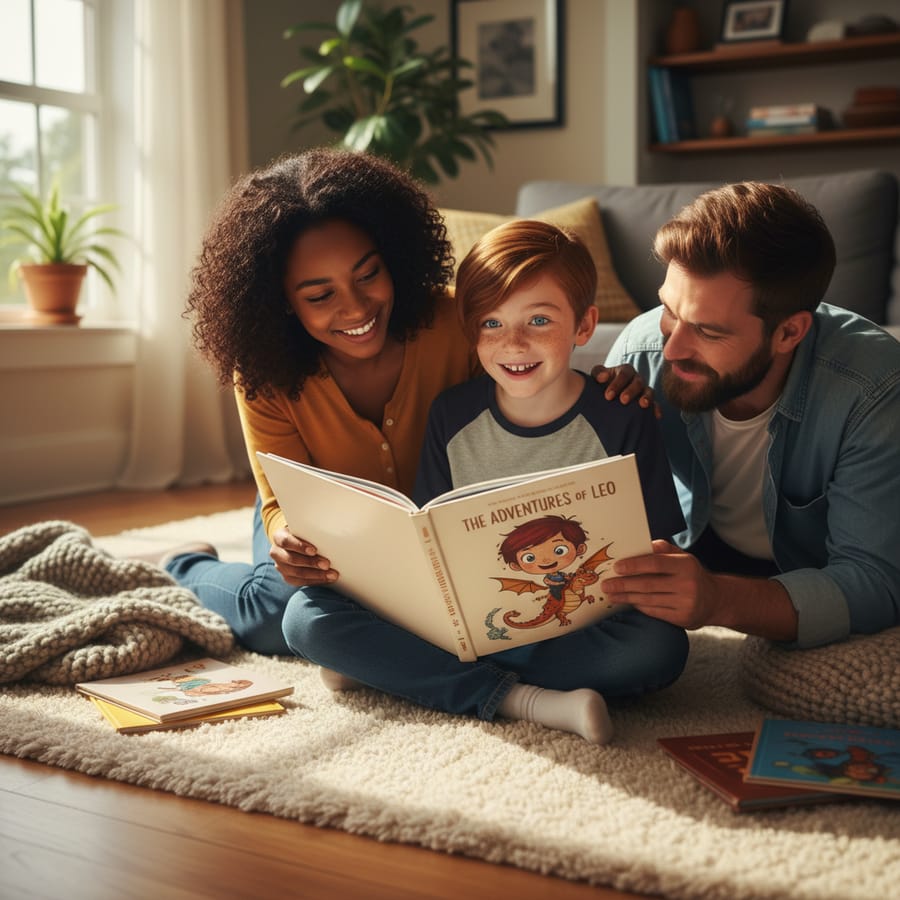
Imagine the look on your child’s face when they open a book and see themselves, not just a character who shares their name, but their uploaded photo, staring back from the page. They aren't just a spectator in the story; they are the brave knight, the brilliant scientist, or the adventurous astronaut. This isn't just a fun gimmick for a rainy afternoon; it is a powerful psychological tool that helps children build a foundation of self-worth and confidence. When a child sees themselves as the hero of a narrative, they begin to believe they can be the hero of their own life.
The Magic of Mirroring: Why Visual Representation Matters
For decades, psychologists have studied the "Looking-Glass Self," a concept suggesting that our self-image is shaped by how we perceive others see us. For a young child, the "others" aren't just parents and teachers; they are also the characters in the media they consume. If a child never sees someone who looks like them doing great things, they may subconsciously believe those things aren't for them.
While many books offer diverse characters, nothing compares to the impact of true personalization. This is where the benefits of personalized reading become clear. When your child sees their own face integrated into a high-quality illustration, the barrier between "fiction" and "reality" thins. They aren't just watching a hero; they are the hero. This visual mirroring reinforces the idea that they are capable, important, and central to the world around them.
Research from the University of Sheffield found that personalized books can significantly increase a child's engagement with the text. But beyond literacy, the emotional impact is profound. Visualizing themselves in a position of power or success helps children internalize those traits, leading to higher levels of self-esteem as they navigate the challenges of growing up.
Building Resilience Through the Hero’s Journey
Every great story involves a conflict and a resolution. By using personalized children's books to put your child at the center of these conflicts, you provide a safe space for them to practice resilience. In a StorytimeHero adventure, your child might face a scary dragon or a confusing puzzle. When the story concludes with them overcoming that obstacle, it creates a "success memory" in their brain.
Children often struggle with "big feelings" like fear or frustration. When they read about themselves overcoming these same emotions in a story, it gives them a roadmap for real life. You can even use these narratives to help with books for milestones and challenges, such as starting a new school or moving to a new house. Seeing their own face as they bravely step into a new classroom in a book makes the real-world version of that event feel much less intimidating.
This narrative approach helps children move from a "fixed mindset" (I can't do this) to a "growth mindset" (I can learn to do this). They see that the hero, their own self, is capable of growth, change, and eventual triumph.
The Link Between Reading Success and Self-Worth
Confidence isn't just about feeling good; it's also about feeling competent. There is a direct correlation between a child's reading ability and their overall self-esteem. Children who struggle with reading often feel "behind" their peers, which can lead to a downward spiral of frustration and low self-worth.
Personalized stories act as a bridge. Because the child is the main character, their interest in the story is naturally higher. They want to know what "they" do next. This increased motivation leads to more time spent reading, which naturally improves fluency and comprehension. You can find more details on how personalized books improve literacy to see how this cycle of success builds a child’s confidence in the classroom.
When a child realizes they can master a book, they begin to believe they can master other subjects too. The "hero" identity they adopt during storytime carries over into their math homework, their sports practice, and their social interactions. They stop seeing themselves as a student who struggles and start seeing themselves as a hero who overcomes.
Personalization vs. Customization: The Impact of AI Illustrations
In the past, "personalized" books were limited. You could change the name and maybe pick a hair color that roughly matched your child. While this was a start, it often felt like a "template." The child knew it wasn't really them; it was a cartoon version of someone who looked a bit like them.
Modern technology has changed this. By using AI to generate illustrations featuring your child’s uploaded photo, the level of immersion is unprecedented. This isn't just a gift; it's a transformative experience. When you check out a personalized gift guide for kids, you’ll see that items that reflect a child’s unique identity are consistently the most cherished.
This high-fidelity personalization matters because children are incredibly observant. They notice the details. When the hero in the book has their exact smile or the way their eyes crinkle when they laugh, the psychological connection is much deeper. It validates their existence in a way a generic character never could. It tells them: "You are unique, you are special, and you are worthy of being the star of the show."
Creating a "Confidence Routine" at Home
Building self-esteem isn't a one-time event; it’s a daily practice. Incorporating personalized stories into your nightly routine is one of the easiest ways to reinforce positive self-talk. Here are a few ways to use these books to boost your child's confidence:
- Narrate the Strengths: As you read, point out the character's (your child's) strengths. Say things like, "Look how brave you were to talk to the giant!" or "You were so smart to solve that riddle."
- Connect to Real Life: After finishing a story where your child was a hero, remind them of a real-life "hero moment" they had that day. "In the book, you saved the kingdom. Today at the park, you were a hero when you helped your friend who fell down."
- Encourage Creative Input: Ask your child what the hero should do next. This gives them a sense of agency and control, further boosting their confidence in their own decision-making. For younger ones, you might find creative ways to read with toddlers helpful in keeping them engaged with the "hero" narrative.
By making your child the hero, you aren't just reading a story. You are building a shield of self-confidence that they will carry with them long after the book is closed. You are giving them the most important gift a parent can provide: the belief that they are capable of doing amazing things.
Frequently Asked Questions
How does seeing their face in a book help a child’s development?
Seeing their own face helps children develop a stronger sense of identity and self-awareness. It fosters an emotional connection to the narrative, which improves focus, memory retention, and the ability to empathize with the challenges faced by the character (who just happens to be them!).
At what age is a personalized hero story most effective?
While children of all ages enjoy seeing themselves in books, the impact is particularly strong between the ages of 3 and 8. This is the period when children are actively forming their self-concept and developing their foundational literacy skills.
Can these books help with specific behavioral issues?
Yes. By choosing stories that mirror challenges your child is currently facing, like sharing, bravery, or kindness, you can use the "hero version" of your child to model positive behavior. Children are often more willing to follow the lead of a character they identify with closely.
Is it difficult to create a book with my child’s face?
Not at all! Currently, technology allows you to simply upload a few photos. The AI then handles the complex work of blending those features into the story’s art style, ensuring your child looks natural and heroic in every scene.
How do personalized books compare to traditional children's books?
Traditional books are essential for exposing children to different perspectives. However, personalized books serve a different, complementary purpose; they provide a "home base" for a child’s self-esteem. They are the books a child will want to read over and over again because the story is about their favorite subject (themselves).
Free preview checklist
Get the personalized book gift checklist
Know what photo to use, what to write in the dedication, and what to review before ordering.