How Personalized Books Address the Modern Picture Book | StorytimeHero
Upload a photo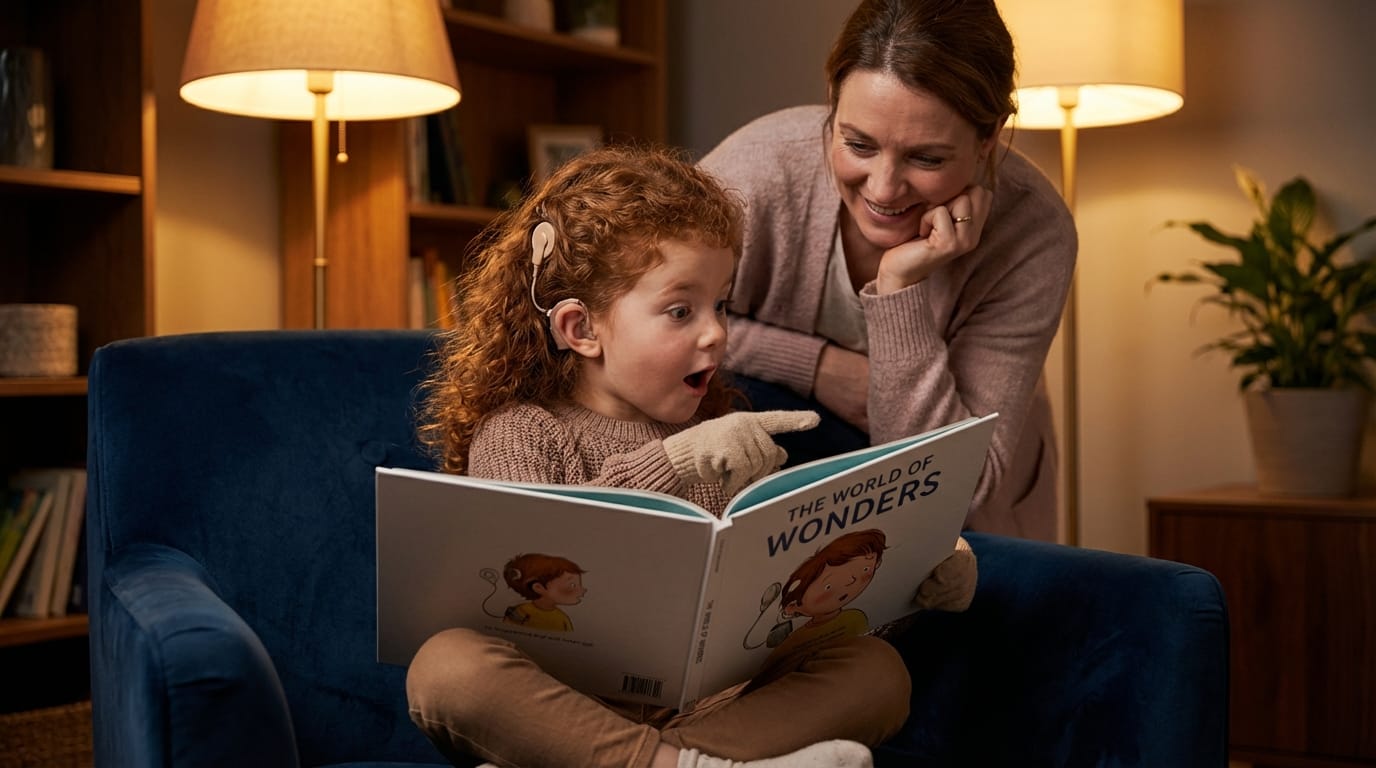
The landscape of children’s literature has always been a reflection of our collective values. For decades, the traditional picture book served as a window—a way for children to peer into worlds unlike their own. But as our understanding of childhood development, neurodiversity, and cultural representation has deepened, the "window" is no longer enough. Parents today are looking for "mirrors"—stories that don’t just show a world, but show their child within it.
This is where the evolution of the picture book meets the innovation of personalization. By moving beyond a one-size-fits-all narrative, personalized books are addressing the most critical needs in modern parenting: the need for every child to feel seen, the need for neurodivergent minds to feel understood, and the need for families to celebrate their unique cultural joy every single day of {YEAR}.
The Shift from Observation to Participation
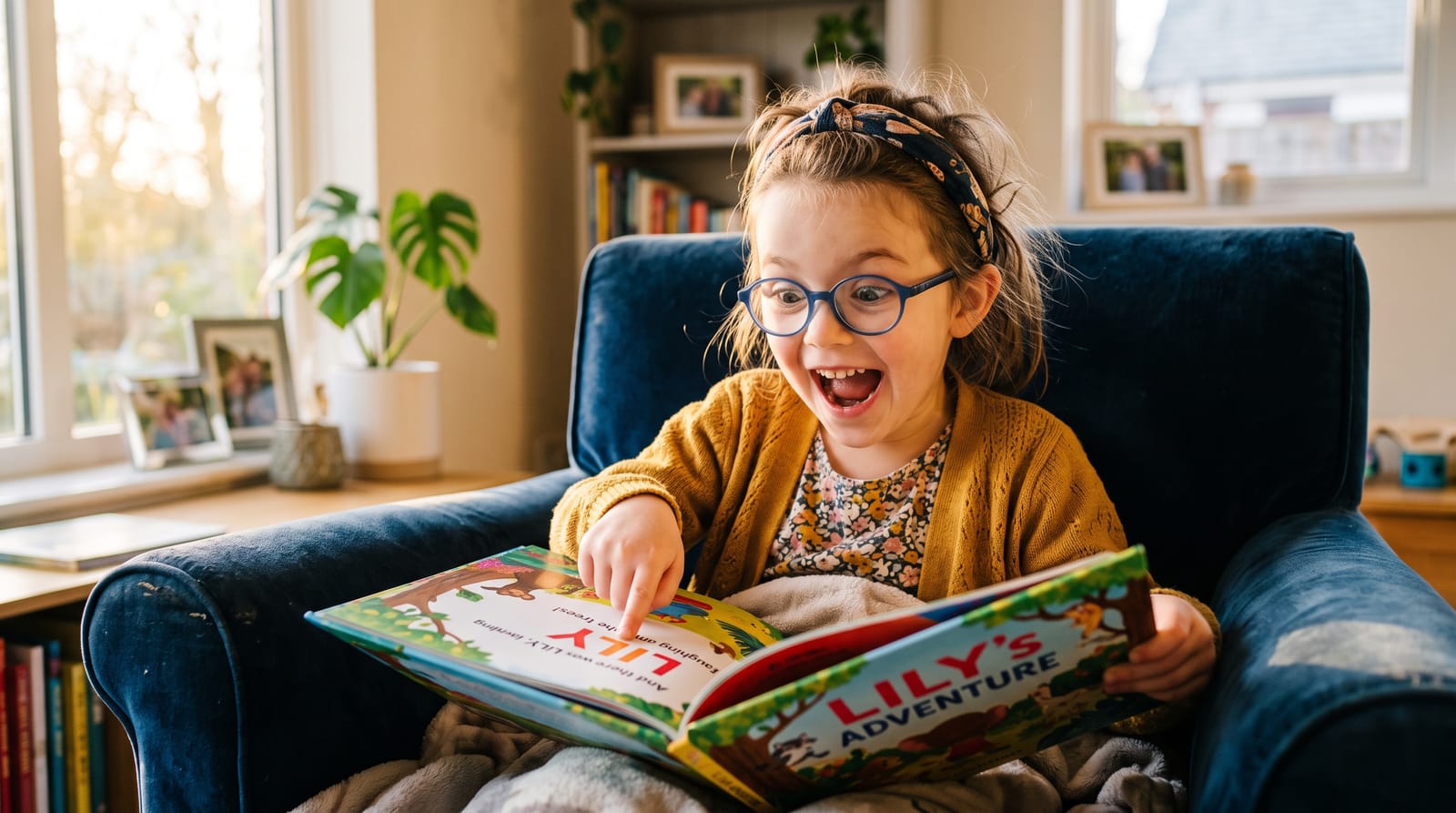
In a standard storybook, a child is an observer. They watch a protagonist navigate a challenge, learn a lesson, or enjoy an adventure. While this builds empathy, there is a distinct psychological shift that occurs when a child becomes the protagonist.
When a child sees their own name and a character that reflects their physical identity, the "suspension of disbelief" vanishes. They are no longer watching a story; they are living a rehearsal for life. This shift is particularly powerful when addressing complex themes like emotional regulation, social transitions, or identity. By using personalized books, parents can transform the reading experience from a passive bedtime routine into an active tool for building self-esteem and belonging.
Addressing Neurodiversity Through Tailored Narratives
One of the most profound ways personalized storytelling is changing the picture book industry is through its approach to neurodivergence. Every child’s brain is wired differently, and for many, the world can feel like it wasn't quite designed with them in mind.
Validating Different Ways of Being
For a child who stutters, navigates the world with Tourette’s, or experiences the sensory overwhelm of autism, traditional stories can sometimes feel alienating. They might see "perfect" characters who speak fluently or navigate loud environments without a second thought.
Personalized narratives allow for a "gentle tailoring" of the experience. When a story acknowledges that a "bad day" might look like retreating into a quiet space or finding a unique rhythm in speech—and then places the child at the center of that story—it validates their lived reality. It tells the child that their way of being isn't a hurdle to a good story; it is the story.
Creating Safe Spaces for Emotional Regulation
Many neurodivergent children thrive on predictability and "social stories" that help them rehearse upcoming events. In this context, a personalized picture book becomes more than entertainment; it becomes a roadmap. Whether it’s preparing for a first day of school or understanding how to handle a sensory-heavy afternoon, seeing themselves successfully navigate these moments in print builds a sense of "narrative competency." You can explore more about this in our guide on ADHD and using stories to rehearse routines.
Moving Beyond "History Months": Everyday Cultural Joy
Representation in children’s literature has historically been treated as a seasonal event—something to be highlighted during specific months or holidays. However, modern parents recognize that a child’s identity is a 365-day-a-year celebration.
The Power of the "Everyday Hero"
Personalization allows for cultural markers—like hair texture, clothing styles, and family structures—to be centered in stories that aren't necessarily "about" struggle or history. While historical context is vital, there is equal power in a story where a Black child simply enjoys a day at the park, or a child from a diverse background is the hero of a whimsical space adventure.
By integrating these details into personalized books, we move away from the "tokenization" of diversity. We allow children to see themselves in roles of pure delight, curiosity, and leadership. This approach addresses a long-standing gap in the picture book market: the need for "joy-first" representation. When a child sees a character that looks like them celebrating a milestone or simply being loved, it reinforces a sense of inherent worth. This is a key part of how personalization deepens the picture book experience.
The Architecture of "Coziness" and Emotional Safety
There is a specific "feeling" we associate with the best children's books—a sense of warmth, safety, and "hygge." This "coziness" isn't just about the illustrations of sweaters or snowy landscapes; it’s about the emotional environment the book creates between the adult and the child.
Sensory Details and Connection
Personalized stories often lean into sensory language that grounds a child in the moment. When a book describes the "soft click of the door" or the "smell of rain" and attaches those sensations to the child’s own name, it creates a deeply immersive "hominess vortex."
This level of immersion is particularly effective for children who struggle with anxiety or transition. The book becomes a "comfort object" in its own right. Because the child is the hero, the "cozy" ending feels like a personal promise of safety. At StorytimeHero, we believe that this sense of belonging is the foundation of a lifelong love of reading. You can read more about this in our exploration of the architecture of belonging in family books.
Strengthening the Parent-Child Bond
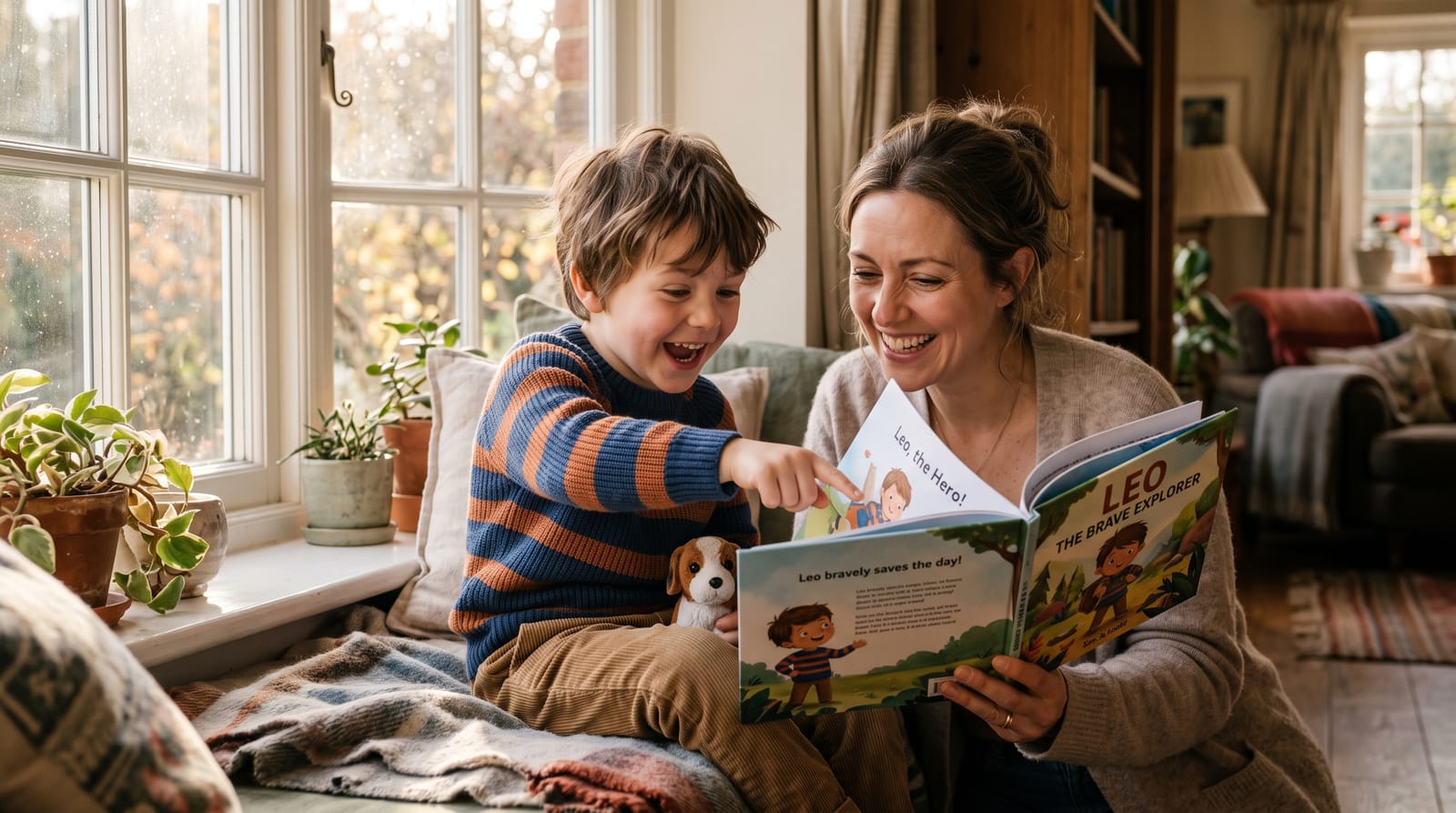
The ritual of reading a personalized book is inherently different from reading a standard title. It requires the parent to speak the child’s name repeatedly, often in the context of praise, bravery, or love. This "auditory hug" strengthens the attachment between the reader and the listener. It transforms the picture book into a shared secret, a private world where the child is always the star.
Why Personalization is the "Next Chapter" for Literacy
From a pedagogical perspective, the benefits of personalization are clear. Children are more likely to engage with text that feels relevant to them.
- Increased Attention Span: When a child hears their name, the "cocktail party effect" kicks in—their brain automatically prioritizes that information. This leads to longer periods of focus and better retention of the story’s message.
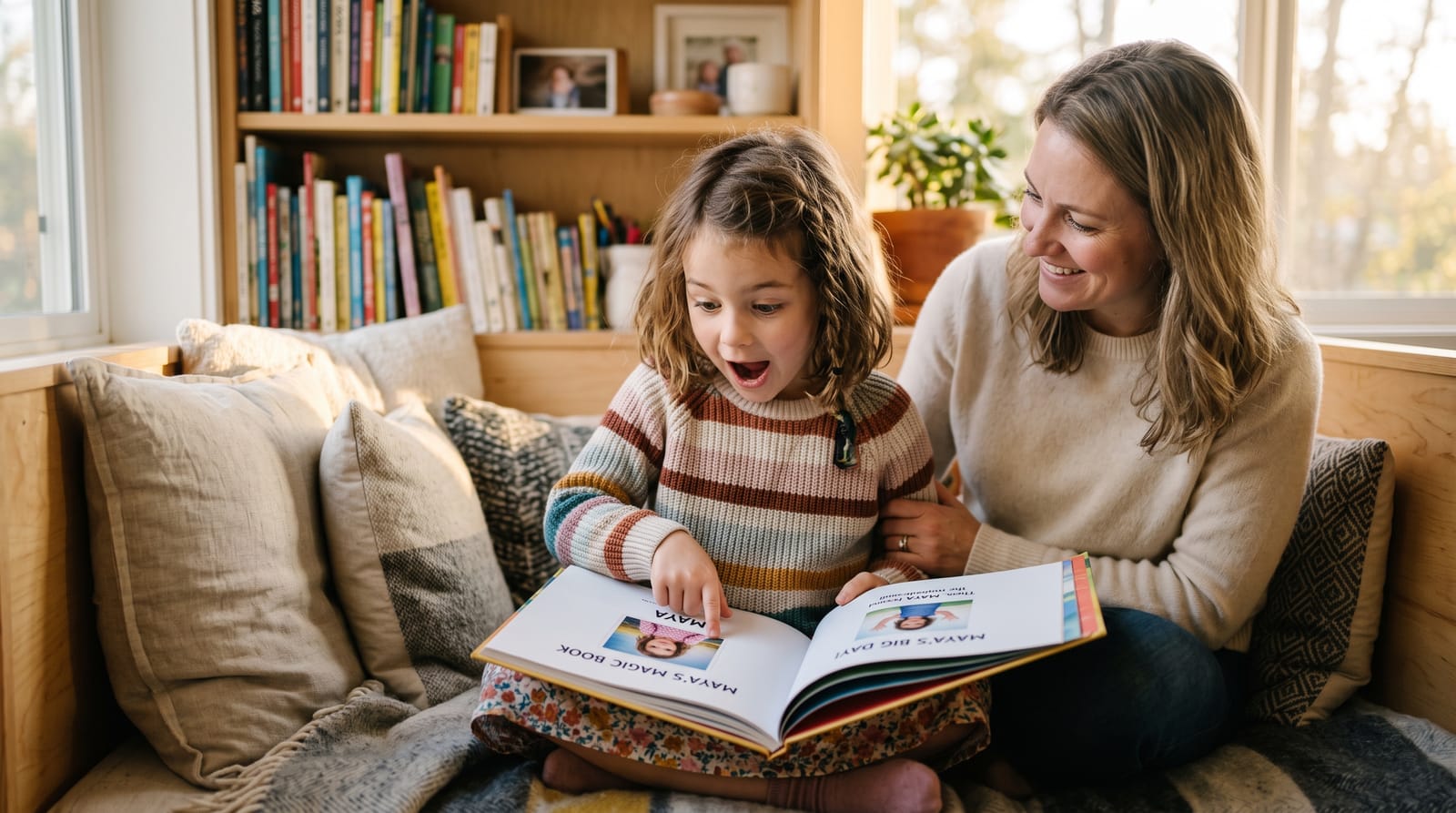
- Name Recognition and Early Literacy: For toddlers, seeing their name in print is often their first "sight word." Personalized books serve as a bridge between recognizing a sound and understanding that letters have meaning.
- Motivation for Reluctant Readers: For kids who find reading a chore, seeing themselves as a superhero or an explorer can be the "hook" that changes their perspective on books entirely. We’ve discussed this further in our look at how attention and motivation are powered by personalization.
Choosing the Right Story for Your Child’s Journey
As the market for personalized books grows, it’s important for parents to look for stories that offer more than just a name-swap. The best personalized stories are those that integrate the child into the thematic heart of the book.
Whether you are looking to address a specific challenge—like anxiety and bravery—or simply want to gift a keepsake that celebrates their unique light, the goal is the same: to provide a narrative that says, "You belong here, exactly as you are."
FAQ: What Parents Ask About Personalized Picture Books
Related Reading
If you enjoyed this look at the evolution of storytelling, you might find these other resources helpful:
- How Personalization Reimagines the Picture Book
- Personalized Books for Autism & ADHD: The Power of Social Stories
- The Architecture of Cozy in Picture Books
- How Personalized Books Support Parenting Goals
The world of the picture book is expanding, and it’s becoming more inclusive, more neuro-affirming, and more joyful than ever before. By choosing to make your child the hero of their own story, you aren't just giving them a book—you’re giving them a sense of place in a big, beautiful world. At StorytimeHero, we’re honored to help you write that next chapter.
Free preview checklist
Get the personalized book gift checklist
Know what photo to use, what to write in the dedication, and what to review before ordering.