How Personalization Reimagines the Picture Book | StorytimeHero
Upload a photo
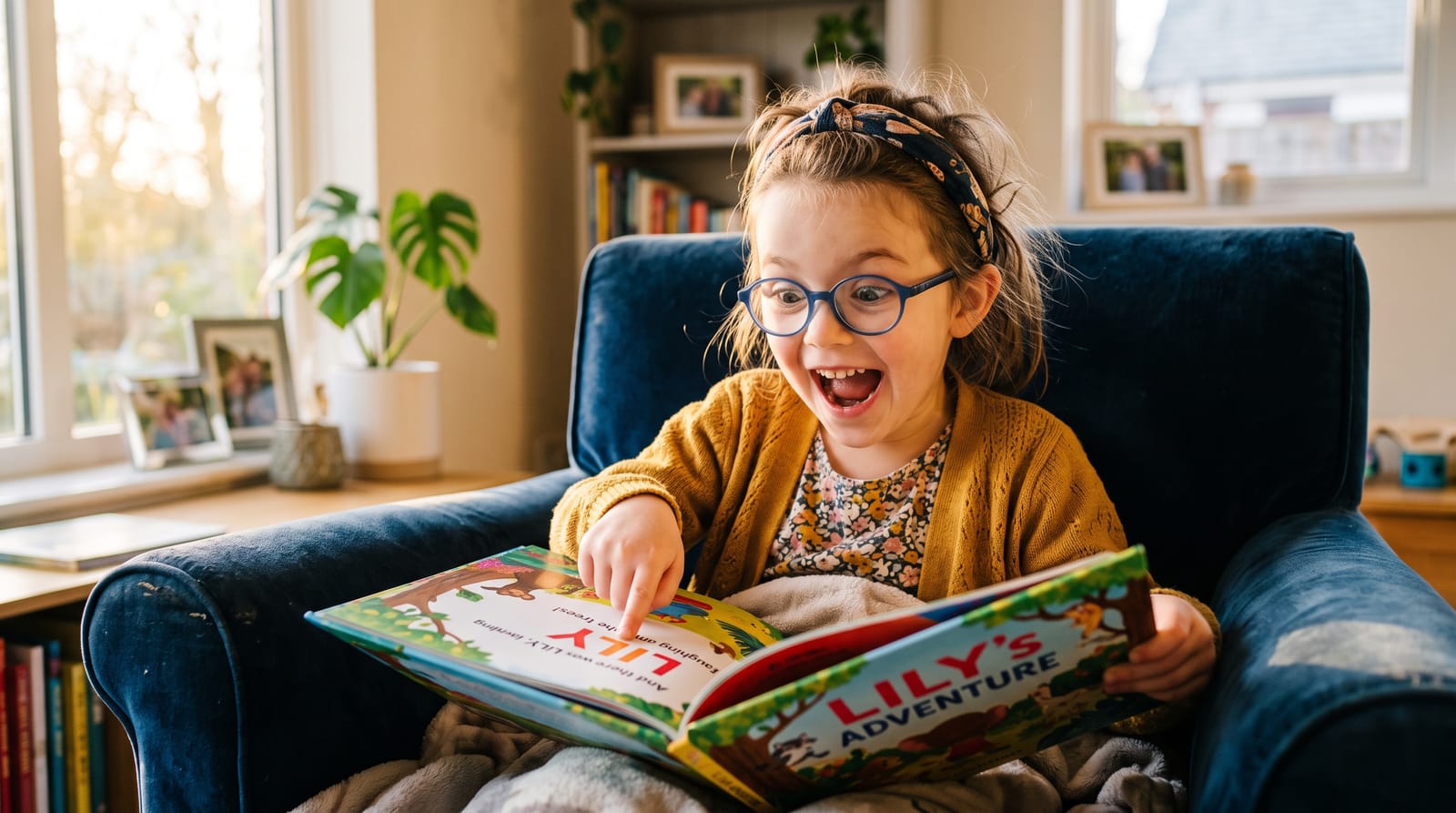
The magic of a traditional picture book is often found in the "window"—the ability for a child to peer into a world unlike their own, meeting foxes in snowy woods or designers in bustling cities. But as we move further into {YEAR}, a new literary movement is gaining momentum: the "mirror." While the industry has long championed diverse stories, the rise of personalized children's books has introduced a third category: the "doorway." This is where a child doesn't just watch a story unfold; they step directly into it.
At StorytimeHero, we believe that the evolution of the picture book isn't just about better printing or faster shipping. It’s about a fundamental shift in how a child relates to the narrative. When a child sees their own name, their specific hair texture, or their favorite sweater color reflected in the art, the story stops being a performance and starts being an experience.
The Shift from Representation to Presence
For decades, the conversation around the picture book has focused on representation. It is vital for children to see a kaleidoscope of cultures, family structures, and identities on their bookshelves. However, personalization takes this a step further by offering "presence."
In a standard picture book, a child might see a character who looks like them, which is incredibly validating. But in a personalized book, the child is the hero. This shift from "someone like me" to "actually me" has profound psychological benefits. It transforms the act of reading from a passive observation into an active affirmation of the child’s place in the world.
When we curate stories that celebrate joy—whether it’s the simple delight of a new outfit or the rhythmic celebration of a milestone—personalization ensures that the child is the epicenter of that joy. It moves the narrative away from "historical struggle" and toward "personal possibility." By centering the child in stories of whimsy and wonder, we help them build an internal script where they are the problem-solvers, the explorers, and the creators.
Creating an "Emotional Cocoon" Through Narrative
What makes a picture book feel "cozy"? Often, it’s the sensory details: the way an illustrator depicts the texture of a knitted blanket or the soft glow of a bedside lamp. In the world of children's literature, this is often referred to as "hygge" or the architecture of comfort.
Personalized books enhance this "cozy" factor by adding a layer of emotional security that a generic book cannot replicate. When a child settles down for a story and hears their own name woven into the cadence of the prose, their nervous system receives a signal of safety and belonging. This is particularly powerful during the winter months or during times of transition, such as starting a new school year.
The "cozy" experience is also about the ritual. Reading a book where the child navigates a snowy forest or prepares for bed creates a bridge between the fictional world and the child’s physical reality. If the character in the book is wearing the same red boots the child wore that afternoon, the boundary between the "story" and "life" thins, making the lessons and comforts of the book feel more tangible.
Navigating the Rhythms of Nature and Routine
Traditional picture books often use the changing of seasons or the behavior of animals to teach children about the world’s natural rhythms. We see foxes preparing for winter or birds migrating south. These stories are essential for building a child's understanding of time and change.
Personalization allows parents to anchor these global concepts to the child’s local life. For example, a personalized book about the first snowfall isn't just about weather; it’s about your child’s first encounter with a snowflake. This helps children with attention and motivation, as they are naturally more curious about events that involve them directly.
By using repetitive patterns and familiar names, personalized stories help children rehearse their own routines. Whether it’s getting dressed for a cold day or learning to share with a sibling, seeing oneself successfully navigate these moments in a book provides a "mental rehearsal" that builds real-world confidence. This is a key reason why many parents are finding that personalized stories help support parenting goals in ways that standard books sometimes miss.
The Cognitive Impact: Why "Self-Referencing" Matters
There is a well-documented psychological phenomenon known as the "self-referencing effect." Simply put, we remember information more effectively when it is related to ourselves. In the context of a picture book, this means that a child is more likely to engage with the vocabulary, the moral of the story, and the narrative structure if they are the protagonist.
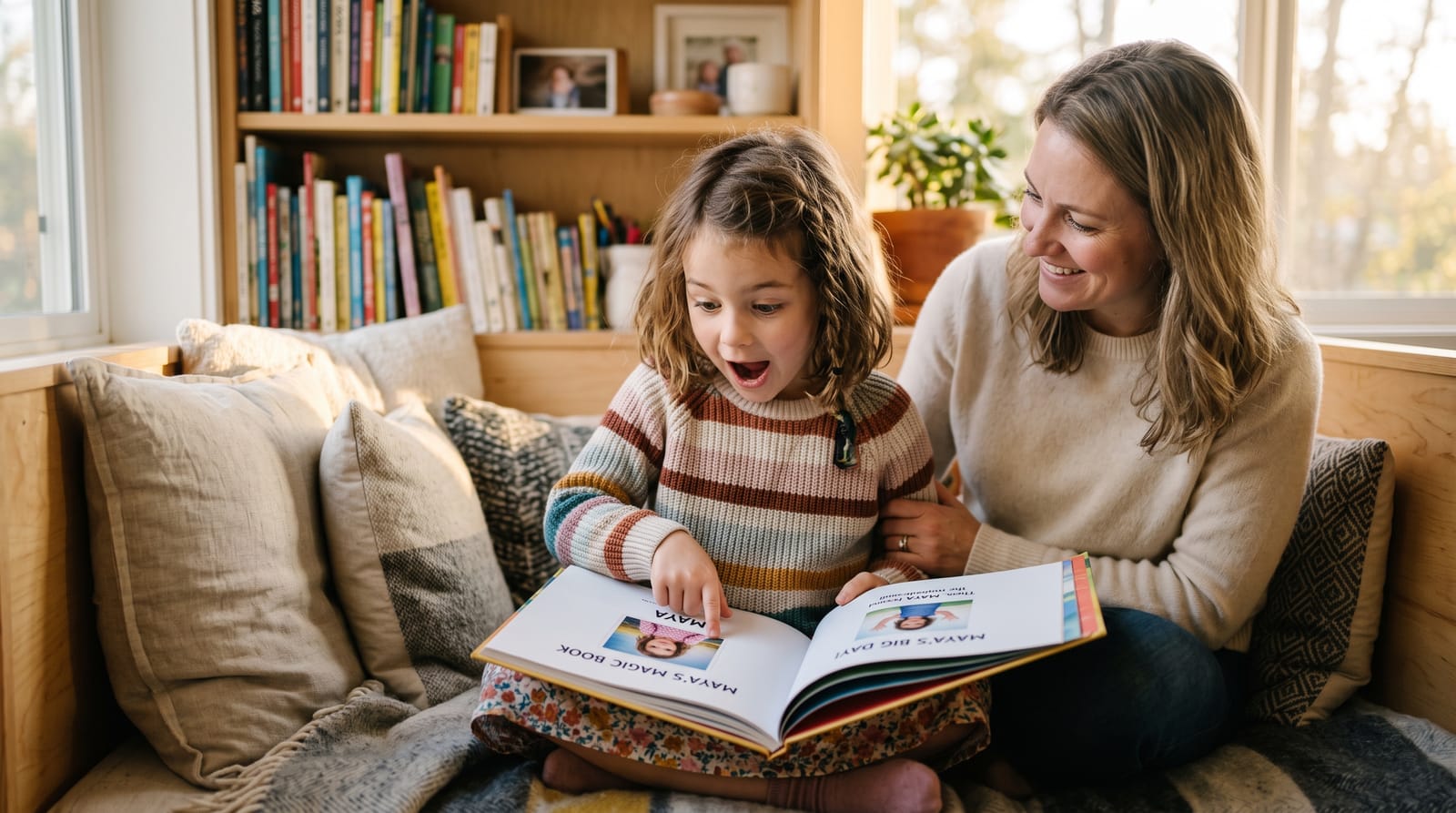
When a child sees their name on the cover and throughout the pages, their brain switches to a high-engagement mode. This is particularly beneficial for reluctant readers or children who struggle with focus. The "name-recognition effect" serves as a cognitive hook, pulling them back into the story every time their identity is reaffirmed.
Furthermore, this engagement isn't just about literacy; it’s about literacy benefits and name recognition that extend into self-esteem. A child who is the hero of their own library learns to see themselves as a person of consequence. They aren't just a spectator in the great wide world; they are a participant.
Building a Balanced Home Library
While we champion the power of the personalized book, we also believe it works best as part of a diverse literary diet. A child’s bookshelf should be a mix of:
- The Classics: Books that have stood the test of time and offer universal lessons.
- Diverse Perspectives: Stories by authors from different backgrounds that expand the child's worldview.
- Personalized Heroes: Books where the child sees themselves as the lead, reinforcing their identity and belonging.
By blending these categories, parents can provide a "best-class" literary environment. This approach ensures the child learns empathy for others while maintaining a strong sense of self-worth. In {YEAR}, the "best-class" standard for a home library is no longer just about the number of books, but about the redefining of excellence through personalization.
The Future of Storytime: A Warmer, More Personal Connection
At its heart, the picture book is a tool for connection. It is the reason we sit on the edge of the bed at 7:00 PM, even when we’re tired. It’s the reason we do "the voices" and point out the hidden details in the illustrations.
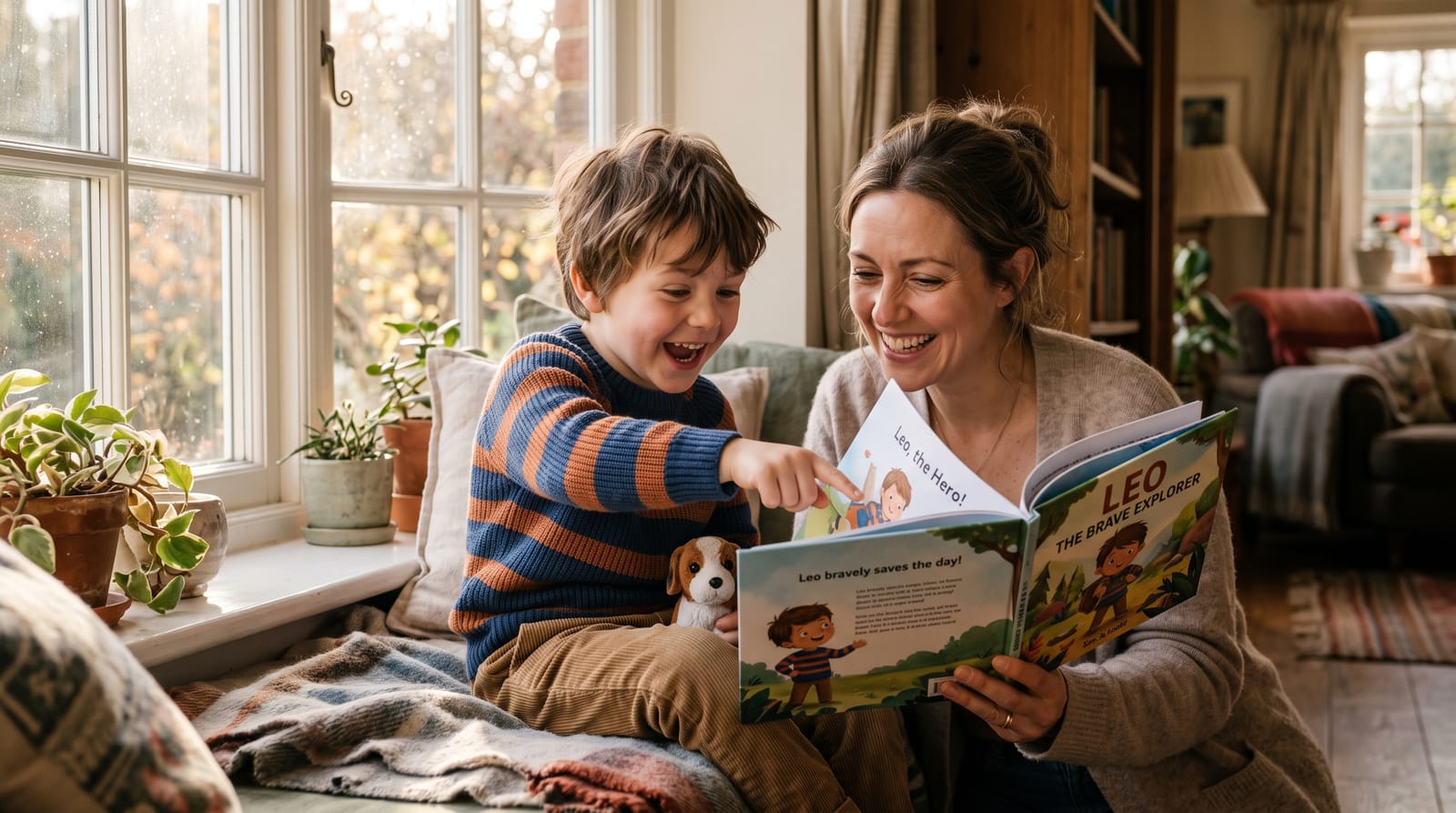
Personalized books don't replace this connection; they deepen it. They give parents a specific script to tell their child, "I see you. You are important. You belong in this story." Whether you are looking for a way to bond with a toddler or want to create a keepsake for a grandparent to read, personalization turns a simple reading session into a landmark memory.
As we look toward the future of children's literature, the "mirror" and the "doorway" will only become more important. By embracing the power of the personalized picture book, we aren't just teaching our children how to read; we are teaching them how to see themselves as the heroes of their own lives.
---
Frequently Asked Questions
How do personalized books help with a child's development?
Personalized books utilize the "self-referencing effect," which improves memory retention and engagement. By seeing themselves as the hero, children develop higher self-esteem, stronger name recognition, and a deeper emotional connection to the act of reading.
Are personalized books better than traditional picture books?
They aren't "better," but they serve a different purpose. Traditional books provide windows into other lives, while personalized books provide mirrors to the child's own identity. A healthy home library includes both to foster empathy and self-confidence.
At what age should I start reading personalized books to my child?
You can start as early as infancy! While babies won't recognize their name immediately, the "cozy" ritual of hearing a parent say their name within a story builds early attachment. As they reach toddlerhood (ages 1-3), the "name-recognition" effect becomes a powerful tool for engagement.
Can personalized books help with specific challenges like bedtime or anxiety?
Yes. Many parents use personalized stories as "social stories" to help children rehearse routines. Seeing themselves successfully navigate a "brave" situation in a book can reduce anxiety in real-life scenarios.
---
Related Reading
Free preview checklist
Get the personalized book gift checklist
Know what photo to use, what to write in the dedication, and what to review before ordering.