How Personalized Books Reimagining Picture Books | StorytimeHero
Upload a photo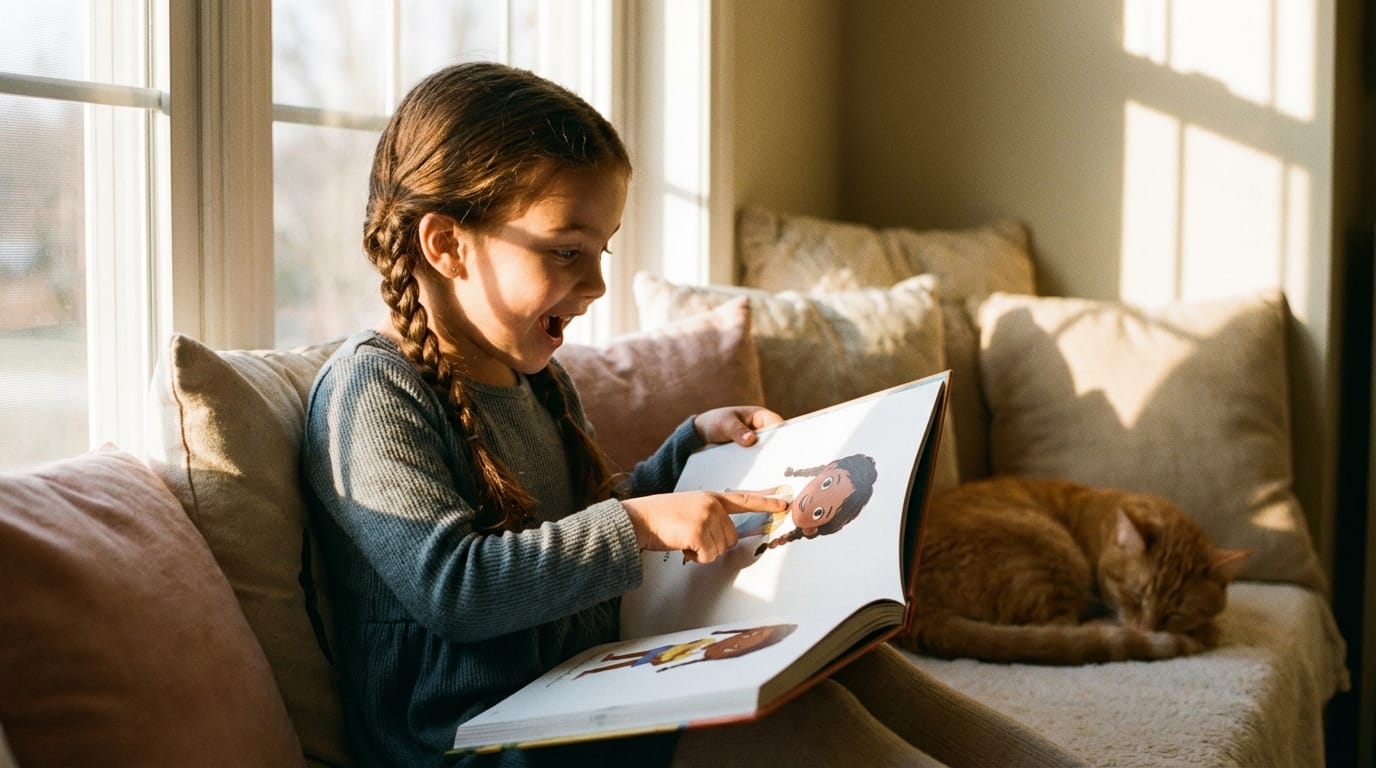
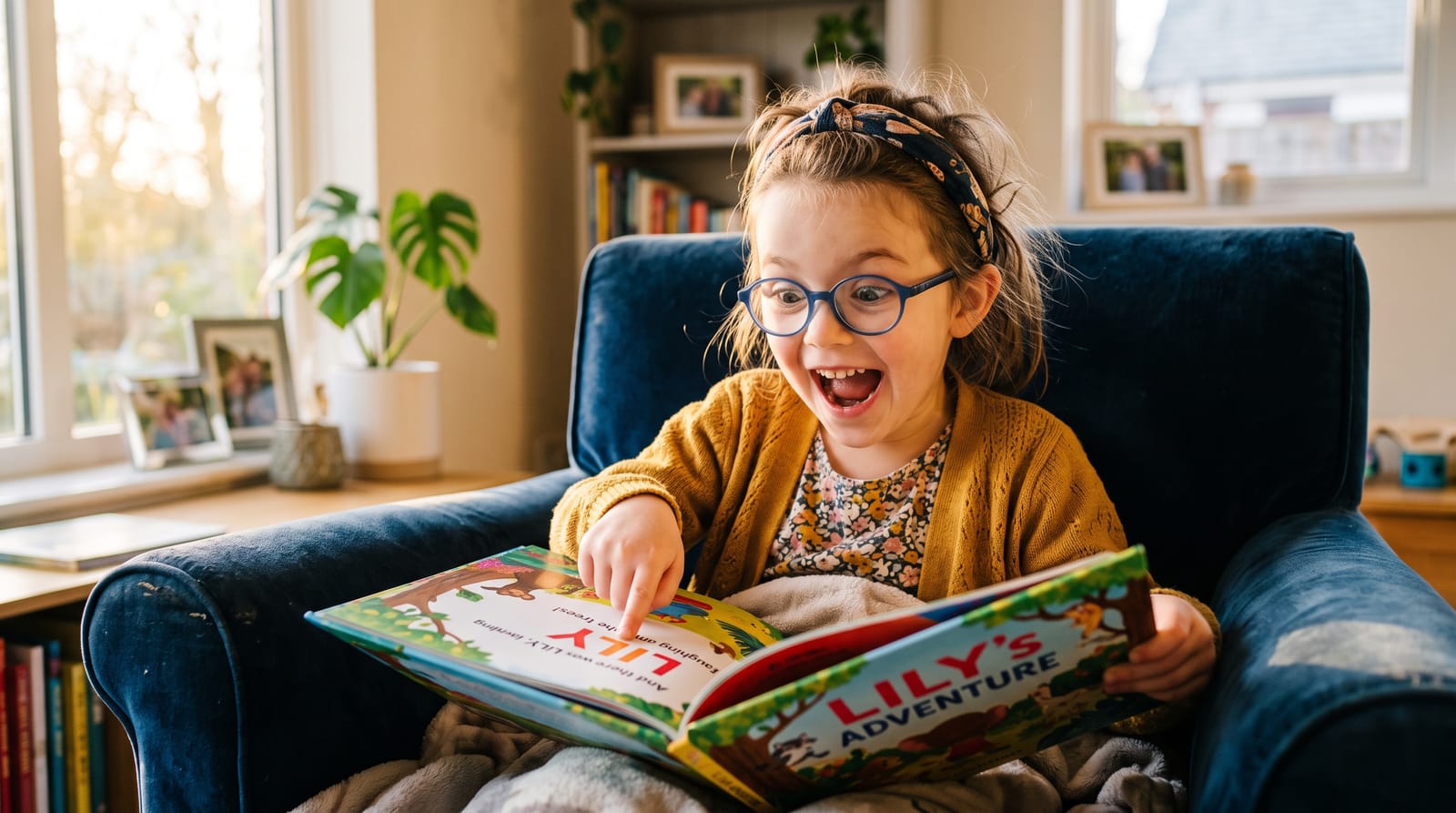
There is a specific kind of magic that happens when a child opens a picture book. It isn’t just the smell of the ink or the weight of the paper; it is the immediate invitation into another world. For decades, picture books have served as the primary vehicle for a child’s first foray into art, ethics, and imagination. However, as we move through {YEAR}, the landscape of how we share these stories is shifting. We are moving away from being mere observers of a character’s journey and toward a model where the child is the heartbeat of the narrative.
Personalized books are not just a modern trend; they are a response to a deep-seated human need to see ourselves reflected in the stories that shape us. By synthesizing the best elements of traditional picture books—vibrant art, rhythmic prose, and emotional resonance—with the power of individual identity, we are creating a new standard for home libraries.
The Mirror Effect: Representation Beyond the Calendar
One of the most vital roles of a picture book is to act as both a window and a mirror. It should offer a window into lives different from our own and a mirror that reflects the reader’s own identity back to them with dignity and joy. Historically, the "mirror" aspect has been inconsistent for many families.
A significant evolution in the world of personalized books is the ability to ensure that representation is a permanent fixture of a child’s reading routine, rather than something reserved for specific awareness months. While it is essential to celebrate historical milestones and cultural heritage, there is a profound psychological benefit to seeing oneself in "joyful" stories—narratives where the plot isn't centered on a struggle, but on the simple delights of life, such as fashion, creativity, or a snowy day.
When a child sees a character who shares their skin tone, hair texture, or family structure engaging in a whimsical adventure, it validates their place in the world. Personalization allows parents to move beyond the limitations of traditional publishing by creating a hero that looks exactly like their child. This ensures that the "celebration of you" is a daily occurrence. By integrating these custom elements, personalized books support a sense of belonging that is crucial for early childhood development. For more on this, explore The Architecture of Belonging in Family Books.
The Architecture of "Cozy": Creating a Sensory Haven
What makes a picture book feel "cozy"? It is a question that many parents ask as the nights grow longer and the air turns crisp. Coziness, or hygge, isn’t just about the presence of a fireplace in an illustration; it’s about the sensory details that pull a reader into a "hominess vortex."
In traditional picture books, artists use warm color palettes, textured brushstrokes that mimic the feel of a knitted sweater, and descriptive language to evoke comfort. Personalization takes this a step further. Imagine a story set on a chilly winter evening where the child isn’t just reading about a character wrapped in a blanket—they are reading about themselves wrapped in that blanket.
When a child’s name is woven into the sensory descriptions—the sound of their boots crunching on the snow or the way they feel drinking a cup of cocoa—the emotional warmth of the book increases exponentially. This "sensory personalization" helps children anchor themselves in the moment, making the reading experience a form of mindfulness. It transforms a simple bedtime story into a safe, warm space where the child feels centered and loved. You can see how this plays out in our guide on Personalized Winter Picture Books: A Guide to Cozy Reading.
Using Visual Patterns to Enhance Comfort
Designers of personalized books often use recurring visual motifs to build a sense of security. Whether it’s a specific pattern on a character's pajamas that matches the child's favorite color or a recurring animal companion, these visual anchors help toddlers and preschoolers feel a sense of ownership over the story. This familiarity is a key component of what makes a book a "forever favorite" rather than a one-time read.
Seasonal Rhythms and the Magic of the Natural World
Children are naturally rhythmic creatures. They look for the first snowflake of winter, the first bud of spring, and the first firefly of summer. Picture books have always been the primary tool for helping children understand these transitions.
In a personalized narrative, the change of seasons becomes a personal milestone. Instead of watching a generic fox wonder what to do when the leaves fall, the child becomes the explorer questioning the world around them. This shift from passive observation to active inquiry is a powerful educational tool.
Navigating Curiosity Through Customization
When a child is the protagonist of a seasonal tale, their natural curiosity is validated. They aren't just learning facts about how animals hibernate or why the days get shorter; they are "rehearsing" their own interactions with nature. This is particularly helpful for children who may feel anxious about changes in their routine. By seeing themselves navigate a winter forest or a summer beach in a book, they build the "narrative confidence" to face those environments in real life. This connection between story and real-world motivation is explored further in Attention + Motivation: The Power of Personalized Children’s Books.
Strengthening the Sibling and Family Bond
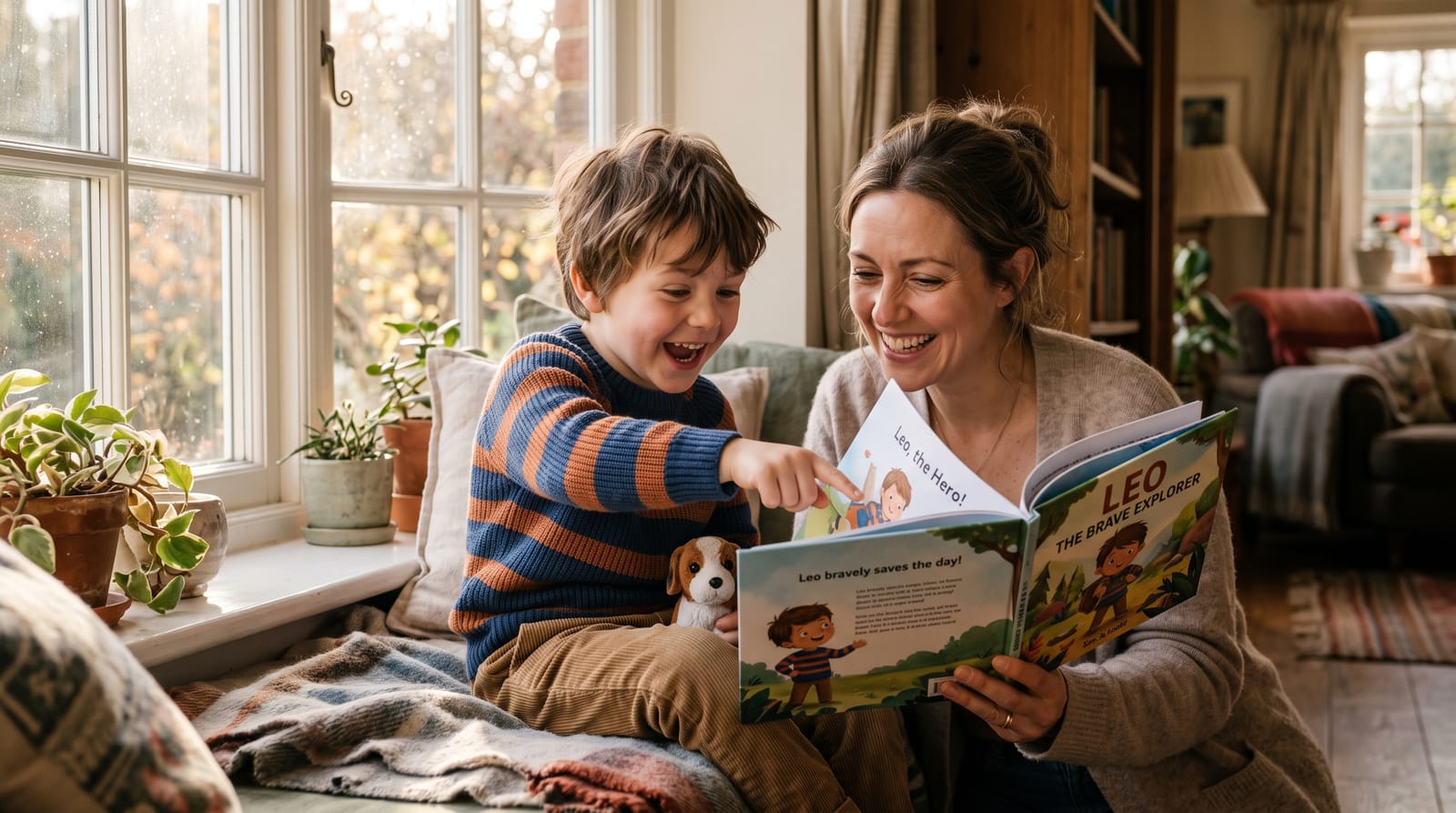
Picture books are rarely read in isolation. They are usually shared experiences, often involving a parent, a grandparent, or a sibling. Personalization allows these relationships to be codified within the story itself.
Traditional books often feature "big sister" or "little brother" tropes that may or may not fit the specific dynamics of your home. Personalized books allow for the nuance of your specific family structure to be celebrated. Whether it’s a story about two siblings walking through the snow together or a child and a grandparent sharing a secret, these books become artifacts of the family’s history.
By placing family members into the narrative, we bridge the gap between "once upon a time" and "right here, right now." This strengthens the attachment between the reader and the listener, turning a ten-minute reading session into a foundational memory. This is a core part of how we view the Family Connection Through Personalized Books.
Why Personalization Boosts Early Literacy
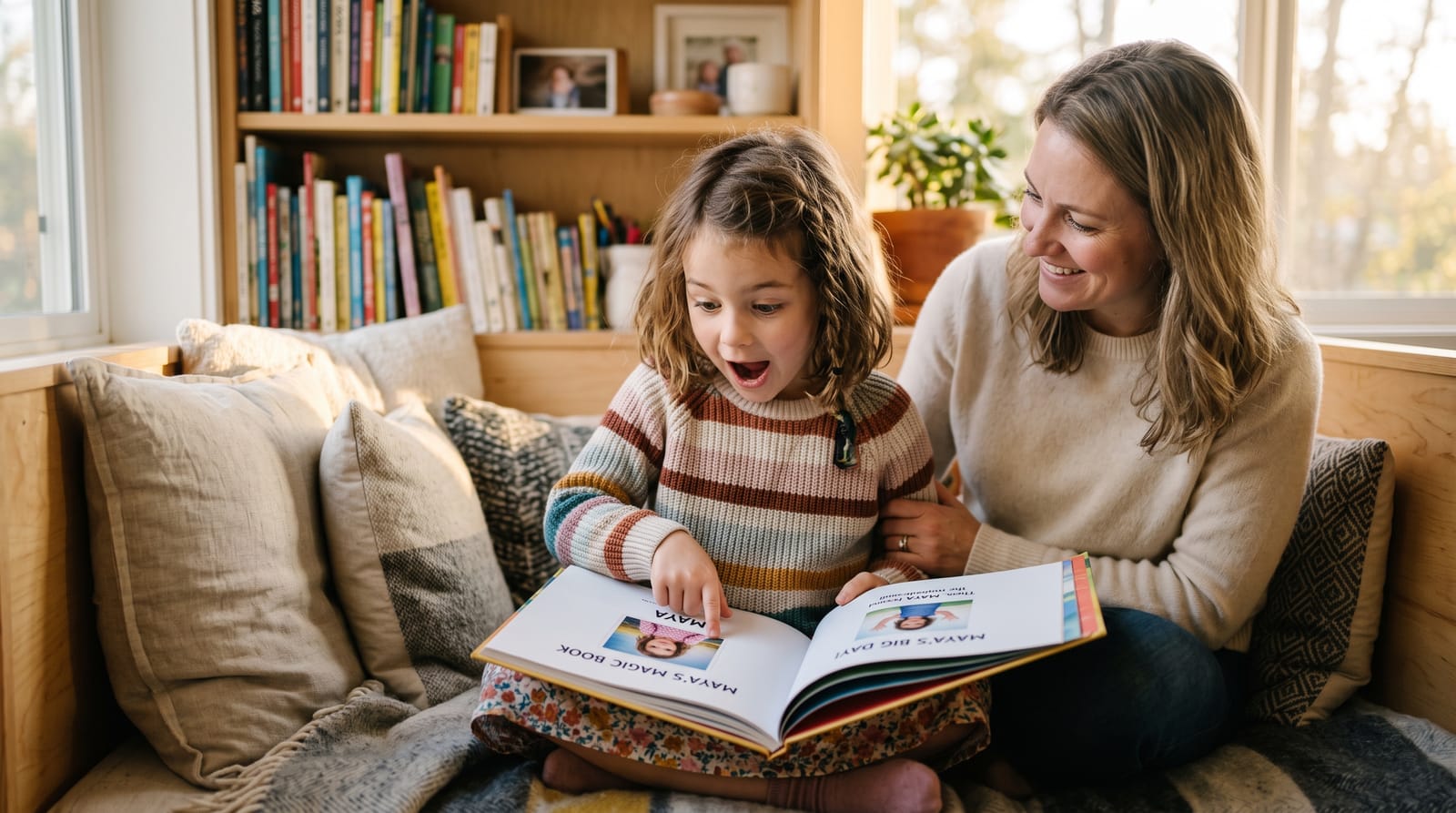
From a developmental perspective, the "Name-Recognition Effect" is one of the most compelling reasons to choose personalized picture books. When a child sees their name in print, their brain's "arousal system" activates. They become more alert, more engaged, and more likely to remember the vocabulary and concepts presented in the text.
The Science of Seeing Your Name
For a pre-reader, their name is often the first word they recognize. When that name is the focal point of a beautifully illustrated book, it creates a positive association with reading that can last a lifetime. They aren't just learning to decode letters; they are learning that books are a place where they belong. This is why many parents notice that their children pay significantly more attention to personalized stories than to standard ones. You can dive deeper into this phenomenon in our article on Literacy Benefits: The Name-Recognition Effect.
Curating a Diverse and Cozy Home Library
As a content strategist at StorytimeHero, I often encourage parents to think of their child’s bookshelf as a curated gallery. You don’t need hundreds of books; you need the right books. A well-balanced library should include:
- The Classics: Timeless stories that connect the child to the broader world of literature.
- The Explorers: Non-fiction and seasonal books that explain how the world works.
- The Identity Builders: Personalized books where the child is the hero, reinforcing their self-worth and place in the family.
By mixing these categories, you provide a rich "literary diet" that feeds both the imagination and the soul. When you choose a personalized book, you aren't just buying a product; you are commissioning a piece of art that stars your favorite person in the world.
The Future of Storytelling: A Warm and Helpful Path
As we look toward the future of children's media, it is clear that personalization will play an increasingly central role. However, the goal isn't just to use technology for the sake of it. The goal is to use these tools to return to the heart of storytelling: the connection between a caregiver and a child.
At StorytimeHero, we believe that every child deserves to be the hero of their own story. We strive to create books that feel like a warm hug—books that celebrate the joyful, the cozy, and the everyday magic of being a kid. Whether it’s through representing diverse backgrounds or capturing the quiet beauty of a winter morning, personalized books are redefining what it means to "read a picture book."
---
FAQ: What Parents Ask About Personalized Picture Books
Related Reading
If you enjoyed exploring the world of personalized storytelling, you might find these articles helpful:
- The Psychology of Keepsakes: Why Parents Save Custom Gifts
- How Personalized Books Support Parenting Goals
- Personalized Books and Fantastic-Kids' Trends
- Unique Personalized Book Gifts They'll Actually Keep
Reading with your child is one of the most profound ways to build a lifelong bond. By making them the star of the show, you aren't just reading a book—you're building their world.
Free preview checklist
Get the personalized book gift checklist
Know what photo to use, what to write in the dedication, and what to review before ordering.