Literacy Benefits: The Name-Recognition Effect
Start a cover preview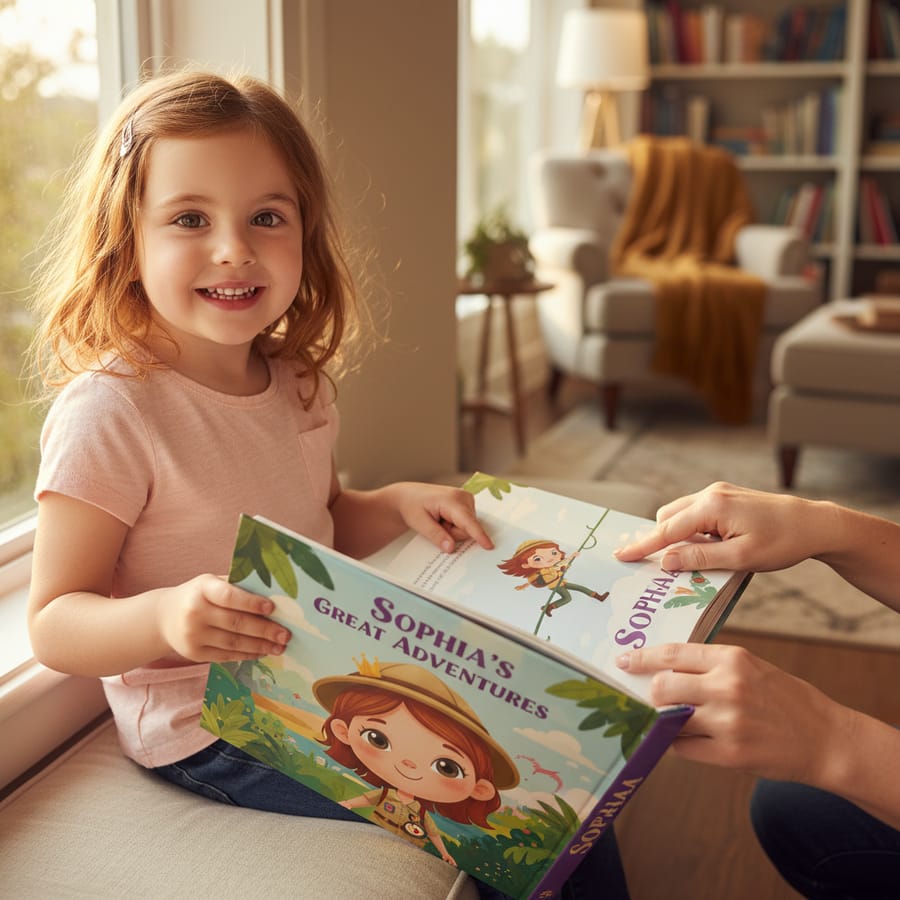
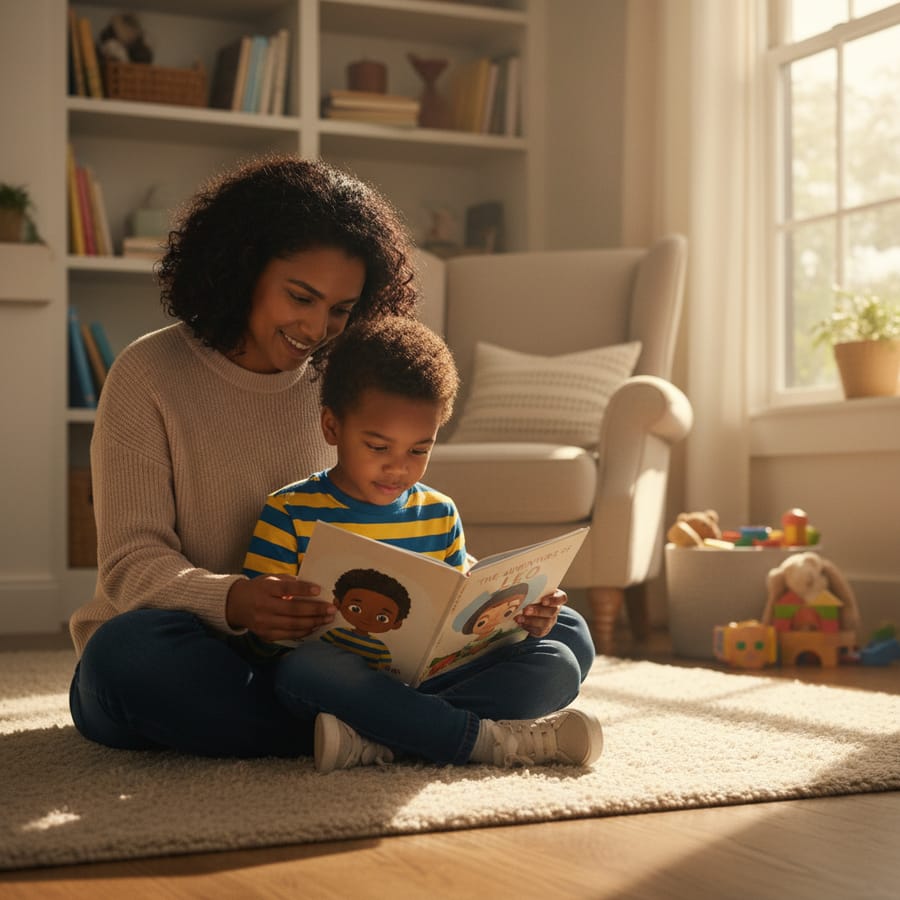
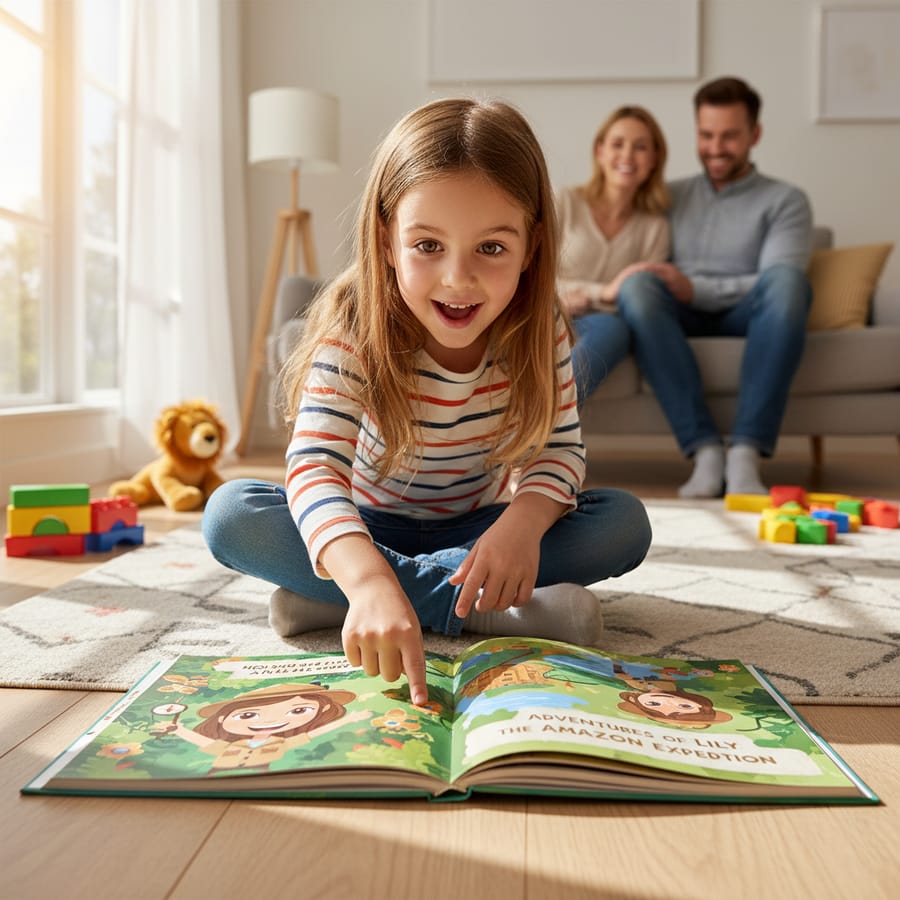
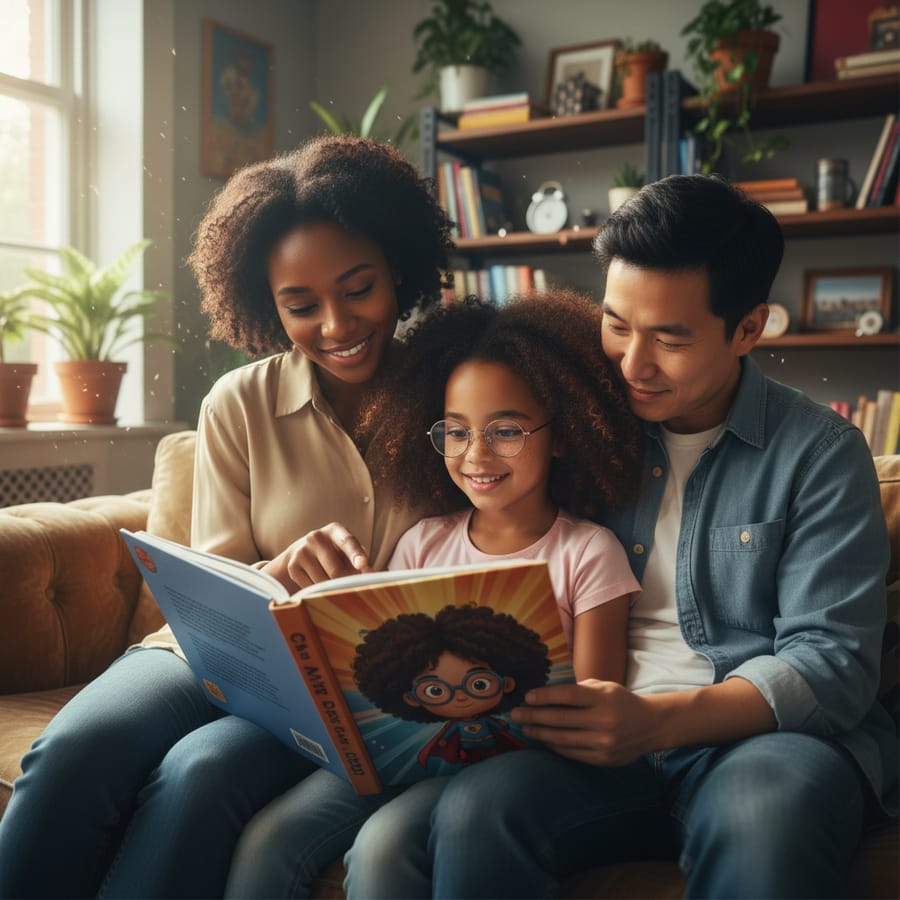
Imagine the look on your child’s face when they sit down for a bedtime story and realize the hero of the book isn't just a random character. It’s them. Not a character that looks vaguely like them, but a character with their uploaded photo, their smile, and most importantly, their name printed right there on the page. That moment of pure magic is more than just fun; it is a powerful psychological trigger that can change how your child learns to read forever. As parents, we are always looking for ways to give our kids an edge in school and life. We buy the flashcards, we download the educational apps, and we try to make reading time a priority. But one of the most effective tools for boosting early reading skills is something much simpler: the Name-Recognition Effect. When a child sees their own name in a story, their brain lights up in a way that standard books just can’t replicate. This connection bridges the gap between looking at pictures and understanding that those black squiggles on the page actually mean something important.
Understanding the Name-Recognition Effect in Early Childhood
The Name-Recognition Effect is a psychological phenomenon where individuals, especially children, show a heightened level of attention and emotional engagement when they encounter their own name. For a toddler or preschooler, their name is often the very first word they learn to recognize; it is their first step into the world of symbols and language. When you use personalized children's books to teach reading, you are tapping into this existing neural pathway.
Think about the "Cocktail Party Effect." You know that feeling when you are in a crowded, noisy room and you aren't really paying attention to the conversations around you, but then someone across the room says your name? Your ears perk up instantly. Your brain is hardwired to prioritize information that is relevant to you. For a child, there is nothing more relevant than themselves.
In the early stages of literacy, the biggest hurdle is often just getting a child to focus on the text rather than just the pictures. When a child sees their name, it acts like a magnet for their eyes. They start to realize that the letters "M-A-X" or "S-O-P-H-I-A" represent them. This realization is a massive "Aha!" moment. It teaches them that text carries personal meaning. Once they understand that words can represent people they know, it becomes much easier for them to understand that words can also represent objects, actions, and ideas.
How Personalization Drives Literacy Benefits for Reluctant Readers
Not every child falls in love with books right away. For some, sitting still and focusing on a story feels like a chore. This is where the literacy benefits of personalized storytelling really shine. If your child is a reluctant reader, the problem usually isn't a lack of ability; it’s a lack of interest. They haven't yet found the "hook" that makes them want to turn the page.
When a child becomes the hero of the adventure, the "boredom barrier" vanishes. Suddenly, they aren't just hearing a story about a dragon; they are the ones fighting the dragon. They aren't just watching a space explorer; they are the ones wearing the helmet. By using our AI technology to put your child's uploaded photo into the illustrations, we create a level of immersion that a standard book simply cannot match.
This immersion leads to several key improvements:
- Increased Reading Duration: Children stay engaged with personalized books for up to 40% longer than standard books.
- Higher Frequency of Reading: Kids are much more likely to ask for their "special book" night after night, leading to more practice.
- Better Focus: The Name-Recognition Effect keeps their attention fixed on the narrative, reducing distractions.
For a struggling reader, seeing their name associated with success and bravery in a book builds a positive association with reading. They stop seeing books as "work" and start seeing them as a gateway to their own adventures.
The Long-Term Literacy Benefits of Personalized Storytelling
The impact of the Name-Recognition Effect doesn't stop at just recognizing a few letters. It sets the stage for more complex cognitive developments. When a child is the protagonist, they process the story differently. Researchers have found that children who read personalized stories have significantly higher levels of reading comprehension.
Why does this happen? It comes down to "cognitive load." When a child reads a story about a stranger, their brain has to work hard to imagine who that person is, what they feel, and why they are doing what they are doing. When the character is them, that mental work is already done. The child doesn't have to wonder about the hero's identity, so they can use that extra "brain power" to focus on the vocabulary, the sentence structure, and the plot.
Furthermore, personalized books help with:
- Vocabulary Acquisition: Children are more likely to remember new words when those words are used in a context that involves them personally.
- Oral Language Skills: Kids love to talk about their own adventures. After reading a personalized book, they are more likely to retell the story, which builds their ability to structure sentences and express complex thoughts.
- Phonological Awareness: Seeing their name repeatedly helps them understand how sounds (phonemes) map to letters (graphemes).
By lowering the barrier to entry, the Name-Recognition Effect allows children to master the basics of reading faster, giving them more confidence as they transition to more difficult texts in school.
Building Confidence and Identity Through Reading
One of the most overlooked literacy benefits of personalized books is the emotional boost they provide. Reading is a vulnerable activity for a child. They are trying to decode a secret language, and they are going to make mistakes. If a child feels insecure or "bad at reading," they will naturally try to avoid it.
However, when a child sees themselves as the hero of a customized storybook, it changes their self-perception. They see themselves as capable, adventurous, and smart. This is especially true when the illustrations feature their uploaded photo. It creates a "mirror effect" where the child internalizes the positive traits of the character.
If the character in the book is a "Super Reader" or a "Brave Explorer," and that character has your child's face and name, your child begins to believe they are those things too. This confidence is the fuel that drives them to try harder words and read longer books. They aren't just learning to read; they are learning that they are a reader.
This sense of identity is crucial during the preschool and kindergarten years. When a child enters a classroom feeling like a "hero," they approach literacy tasks with a growth mindset. They aren't afraid of the letters on the board because they’ve already seen those letters (especially the ones in their name) conquer monsters and save the day.
Reducing Cognitive Load and Enhancing Memory
As we mentioned earlier, cognitive load is a big deal in early education. If a task is too hard, the brain shuts down. If it's too easy, the brain gets bored. Personalized books hit the "Goldilocks zone" of learning.
When you are creating a bedtime routine, you want the experience to be relaxing but also slightly educational. The Name-Recognition Effect reduces the "referential processing" required. In plain English, this means the child doesn't have to keep track of who "he" or "she" is in the story. They know it's them.
This familiarity also aids in long-term memory. We remember things that happen to us much better than things we hear about happening to others. By putting your child in the story, you are essentially creating a "fake memory" of a successful reading experience. Their brain stores the information more deeply because it is categorized as "personal experience" rather than "abstract information."
This is why kids can often recite their personalized books from memory after just a few readings. While some parents worry that "memorizing isn't reading," educators actually agree that "emergent reading" (memorizing and "reading" the pictures) is a vital stepping stone. It builds the rhythm of language and the confidence to eventually tackle the actual words.
Practical Tips for Maximizing Literacy Benefits at Home
If you want to get the most out of the Name-Recognition Effect, it helps to have a strategy. Simply handing a book to a child is great, but engaging with them is better. Here are some practical ways you can use personalized books to boost your child's skills:
- The "Point and Say" Method: As you read your child's name, point to the letters. Ask them, "What letter does your name start with?" This reinforces the connection between the spoken name and the written word.
- Compare and Contrast: If the book features your child's face, talk about the emotions the character is showing. "Look, you look so brave here! How do you think you felt when you saw the giant?" This builds emotional intelligence and reading comprehension.
- Encourage Prediction: Because your child knows themselves better than anyone, ask them what they think they would do next in the story. "You're at the edge of the forest. Do you think you'll go inside or look for a map?"
- Use it as a Reward: Make the personalized book a special treat. This reinforces the idea that reading is a high-value, enjoyable activity.
- Trace the Letters: Use your finger to trace the letters of their name on the page. Have them follow your lead. This tactile experience helps with letter recognition.
By making the story interactive, you are turning a passive activity into an active learning session. And because the book is about them, they will be much more willing to participate in these "mini-lessons."
Why AI-Generated Illustrations Take Literacy Further
In the past, personalized books were limited. You might get to choose a hair color or a skin tone, but the character never truly looked like your child. This created a "disconnect." The brain had to work to bridge the gap between the cartoon on the page and the child's self-image.
With the advent of AI, we can now create books where the hero is an exact likeness of your child. This removes the last bit of "cognitive friction." When your child sees their uploaded photo on a page, the Name-Recognition Effect is amplified by the "Self-Face Recognition" response.
This is a deep-seated neurological reaction. We are evolved to recognize our own faces instantly. By combining the visual of their face with the text of their name, we are creating the ultimate literacy tool. It is a multi-sensory experience that anchors the reading process in reality. It makes the "magic" of books feel real, and that reality is what keeps kids coming back for more. Whether you are looking for meaningful gifts for toddlers or a way to help your first-grader catch up, the power of seeing themselves in print cannot be overstated.
Frequently Asked Questions
Free preview checklist
Get the personalized book gift checklist
Know what photo to use, what to write in the dedication, and what to review before ordering.