Why Kids Pay More Attention When They See Their Name
Start a cover preview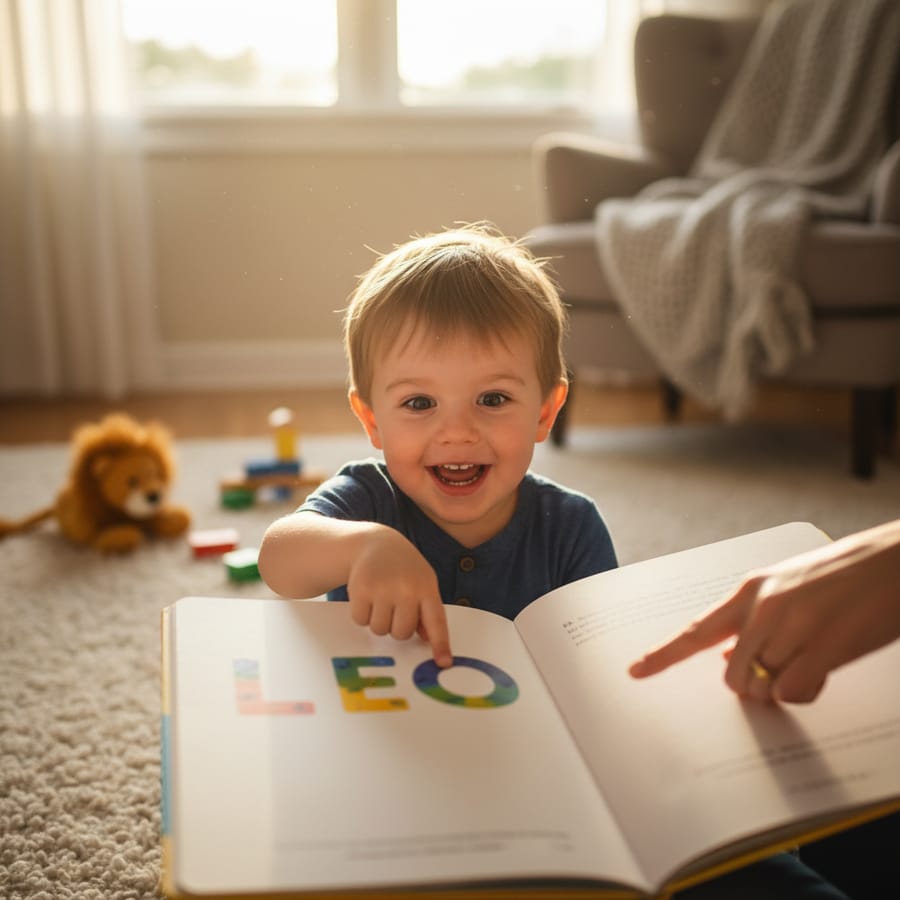
You’ve probably been there: it’s bedtime, you’re tired, and you’re trying to read a classic story to your child. But instead of snuggling in and listening, they are wiggling, looking at the ceiling, or asking for a glass of water for the third time. It can feel like a constant battle to keep their focus on the page. But then, something magical happens. You’re reading a book where the main character happens to have the same name as them, or perhaps you’ve swapped the hero’s name for theirs. Suddenly, their eyes go wide. They lean in. They are hanging on every single word. This isn't just a coincidence; there is a deep psychological reason why kids pay more attention when they see their name. When a child sees or hears their own name, it acts like a biological "on switch" for their brain, turning a passive activity into an active, high-stakes adventure where they are the star.
The Psychology: Why Kids Pay More Attention When They See Their Name
To understand why this happens, we have to look at how the human brain works. Scientists often talk about something called the "Cocktail Party Effect." Imagine you are in a room full of people chatting loudly. You aren't really paying attention to any specific conversation. But then, across the room, someone says your name. Instantly, your brain tunes out the background noise and focuses on that one voice.
Children have this same internal radar, but it’s even more powerful because they are still learning who they are. Their name is the very first part of their identity. It is the word they hear most often from the people they love. When a child sees their name in print, it signals to their brain that this information is personally relevant. This is exactly why kids pay more attention when they see their name—their brain prioritizes that information over everything else happening in the room.
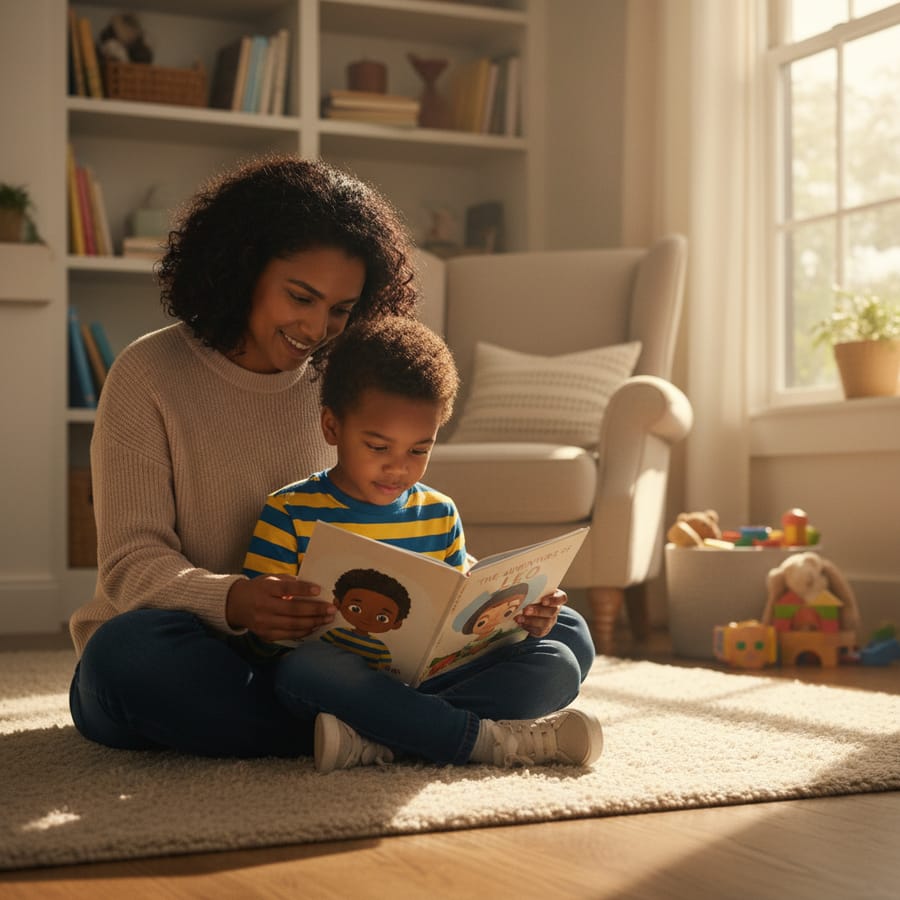
When you use personalized storybooks that feature your child’s name, you are tapping into this natural biological response. Instead of just hearing a story about a random boy or girl, they are hearing a story about themselves. This shift in perspective moves the story from "something I am watching" to "something I am doing." For a five-year-old, that is a massive difference.
How Personalized Books for Kids Boost Literacy
One of the biggest hurdles in early childhood education is getting kids interested in the mechanics of reading. Letters and sounds can feel abstract and boring to a young mind. However, seeing their name changes the game. For most children, their own name is the very first word they learn to recognize and write. It is their "anchor word."
When a child sees their name repeatedly in a book, they begin to recognize the specific letters that make it up. They start to understand that these squiggly lines on a page have a real-world meaning. This creates a bridge between the spoken word and the written word. Because they are already invested in their name, they are more likely to stay focused on the sentences surrounding it. This is a key reason why kids pay more attention when they see their name; it turns the act of reading into a treasure hunt where they are looking for the most important word in their world.
By using customized reading experiences, you are helping your child build "phonemic awareness." They start to notice that "B" is for "Ben" or "M" is for "Maya." This localized focus helps them branch out to other words. If they can read their name, they feel like they are already a "reader," which gives them the confidence to try harder words.
Why Kids Pay More Attention When They See Their Name in Action
It’s not just about the letters on the page; it’s about the emotional stakes of the story. Think about your favorite movie. You probably care more about the ending if you relate to the main character. For a child, there is no one they relate to more than themselves.
When a story says, "Oliver climbed the tall mountain," a child named Oliver isn't just looking at a picture of a mountain. In his mind, he is the one wearing the hiking boots. He is the one feeling the wind on his face. This level of immersion is why personalized books for kids are so effective at keeping them still during storytime.
Here are a few ways this "active attention" manifests:
- Increased Questioning: Kids will ask more questions about what "they" are doing in the story.
- Better Retention: They are more likely to remember the plot because it happened to "them."
- Longer Focus Spans: A child who usually quits after three pages might sit through a twenty-page book if they are the hero.
This is the core of why kids pay more attention when they see their name. The story becomes a mirror, and children are naturally fascinated by their own reflection and what they are capable of achieving.
The Role of Self-Image and Confidence
Beyond just paying attention, seeing their name in a book helps a child build a positive self-image. In many traditional stories, the heroes look and act a certain way. If a child doesn't see themselves represented, they might feel like adventures are for "other people."
When you put your child’s name in the story, you are telling them that they are "hero material." They see themselves solving problems, helping friends, and exploring new worlds. This builds a sense of "self-efficacy"—the belief that they can handle challenges.
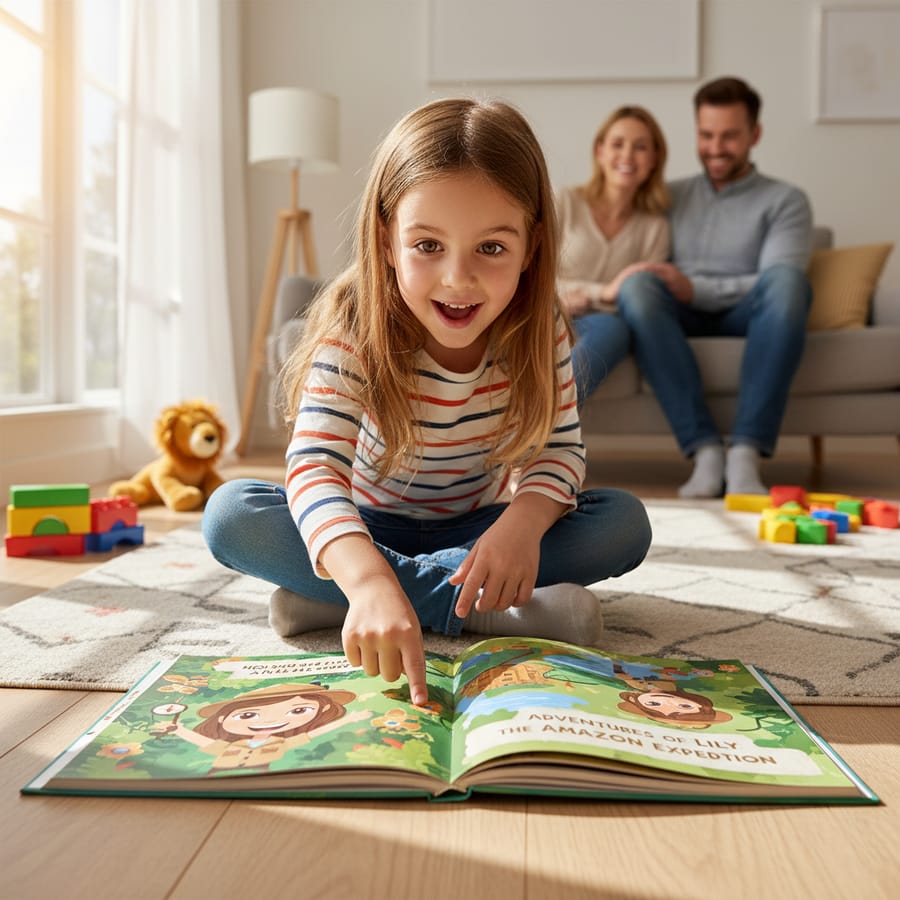
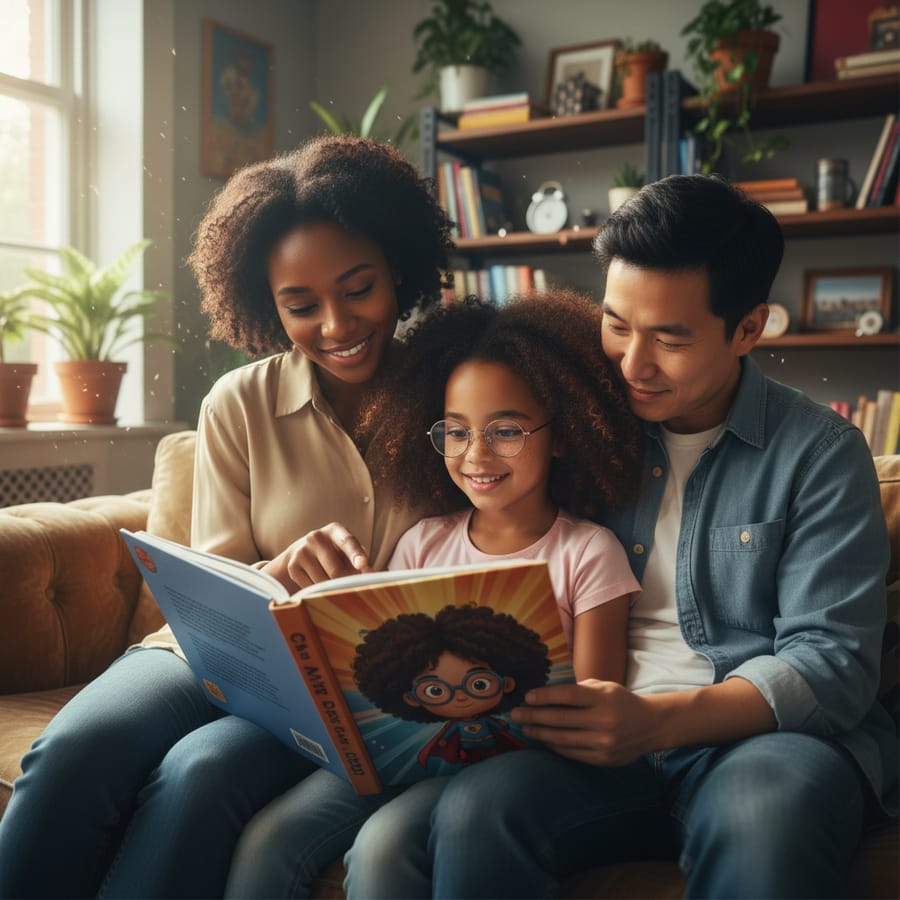
At StorytimeHero.ai, we take this a step further by including their uploaded photo through AI-generated illustrations. While the name is the hook, the face is the anchor. When a child sees their own face in a professional-grade illustration, the "Cocktail Party Effect" is multiplied by ten. They aren't just reading about a hero; they are looking at a hero who is undeniably them. This visual and textual combination explains why kids pay more attention when they see their name and face together—it removes all doubt that they are the center of the narrative.
Why Kids Pay More Attention When They See Their Name and Their Face
We live in a visual world. While name recognition is a powerful tool for literacy, visual recognition is even more primal. Babies recognize faces long before they understand the concept of a name. By combining the two, you create the ultimate engagement tool.
Imagine a story about a trip to Mars. If the character is named "Sarah," a girl named Sarah will be interested. But if the character named "Sarah" also has Sarah's exact smile, her hair color, and her eyes, the engagement becomes unbreakable. This is the "Hero Effect."
When children see themselves in these roles, it triggers a dopamine release in the brain. Dopamine is the "reward" chemical that makes us feel good. When a child feels good while looking at a book, they associate reading with pleasure. This is a vital part of building long-term reading habits. They aren't just paying attention because they have to; they are paying attention because their brain is literally rewarding them for doing so.
Practical Ways to Use Personalization at Home
You don't have to wait for a special occasion to use the power of name recognition. While AI-powered personalized books offer the most immersive experience, you can start small today. Here are some practical tips to leverage this psychology:
- The "Name Swap" Technique: When reading a standard library book, swap the protagonist's name for your child's name. Watch how quickly their posture changes when they hear their name.
- Label Everything: Put your child's name on their toy bins, their bedroom door, and their placemat. Seeing their name in different contexts reinforces its importance.
- Create "Me" Stories: Tell oral stories during car rides where your child is the main character. Ask them, "What did [Name] do next?"
- Use Photos in Learning: If you are teaching them about animals, print a photo of your child next to a photo of a lion. Ask, "Who is bigger, the lion or [Name]?"
- Personalized Bedtime Routines: Create a simple chart for bedtime with their name at the top. This makes them feel "in charge" of their routine.
Using these methods helps you capitalize on the science of why kids pay more attention when they see their name. It turns everyday moments into learning opportunities.
Making Bedtime Magical Again
Bedtime is often the most stressful part of a parent's day. Everyone is tired, and patience is thin. But it’s also the most important time for bonding. Using a personalized book during this time can turn a struggle into a highlight.
When a child is the hero of their bedtime story, they feel seen and valued. They aren't just being "put to bed"; they are being celebrated. This emotional security helps them relax, which actually makes it easier for them to fall asleep. By understanding how to improve your bedtime routine, you can use personalization to create a sense of calm and focus that carries over into their dreams.
Frequently Asked Questions
Related Reading
- The Power of Personalized Storytelling for Early Development
- How AI is Changing the Way We Read to Our Children
- 5 Tips for Creating the Perfect Bedtime Routine
- Why Representation Matters in Children's Literature
- The Science of Early Literacy: A Parent's Guide
- How to Choose the Best Personalized Gift for a Toddler
- Understanding the "Hero Effect" in Child Psychology
- Building a Home Library That Inspires Your Child
Free preview checklist
Get the personalized book gift checklist
Know what photo to use, what to write in the dedication, and what to review before ordering.