How Personalization Enhances Picture Books | StorytimeHero
Upload a photo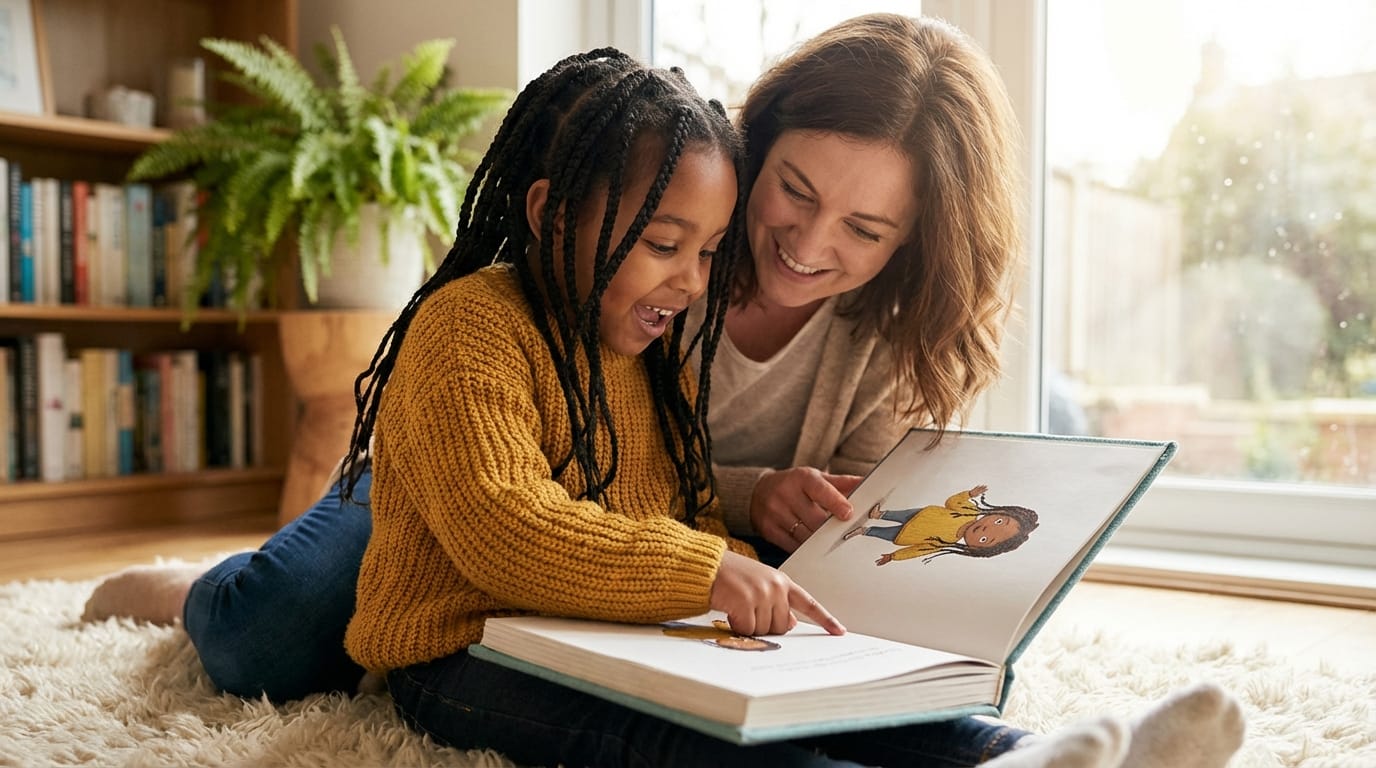
There is a specific kind of magic that occurs when a child opens a fresh picture book. It’s the tactile weight of the pages, the scent of the ink, and the immediate immersion into a world defined by vibrant hues and intentional lines. For generations, the picture book has served as a child’s first gallery and their first theater. However, as we look toward the reading habits of {YEAR}, a new layer of engagement is emerging that bridges the gap between being a passive observer and an active participant: personalization.
At StorytimeHero, we believe that the structural elements that make a classic picture book successful—rhythmic prose, evocative art, and relatable themes—are only the beginning. When you weave a child’s own identity into these artistic frameworks, the "cozy" factor of a story isn't just something they observe; it’s something they inhabit.
The Sensory Language of a Cozy Picture Book
What makes a story feel "cozy"? Often, it’s the visual and descriptive language that grounds us in a specific moment. Think of the way a winter story might emphasize the intricate patterns on a hand-knit sweater or the way soft, grey light filters through a window during a snowstorm. These details are designed to trigger a sensory response, creating what some call a "hominess vortex."
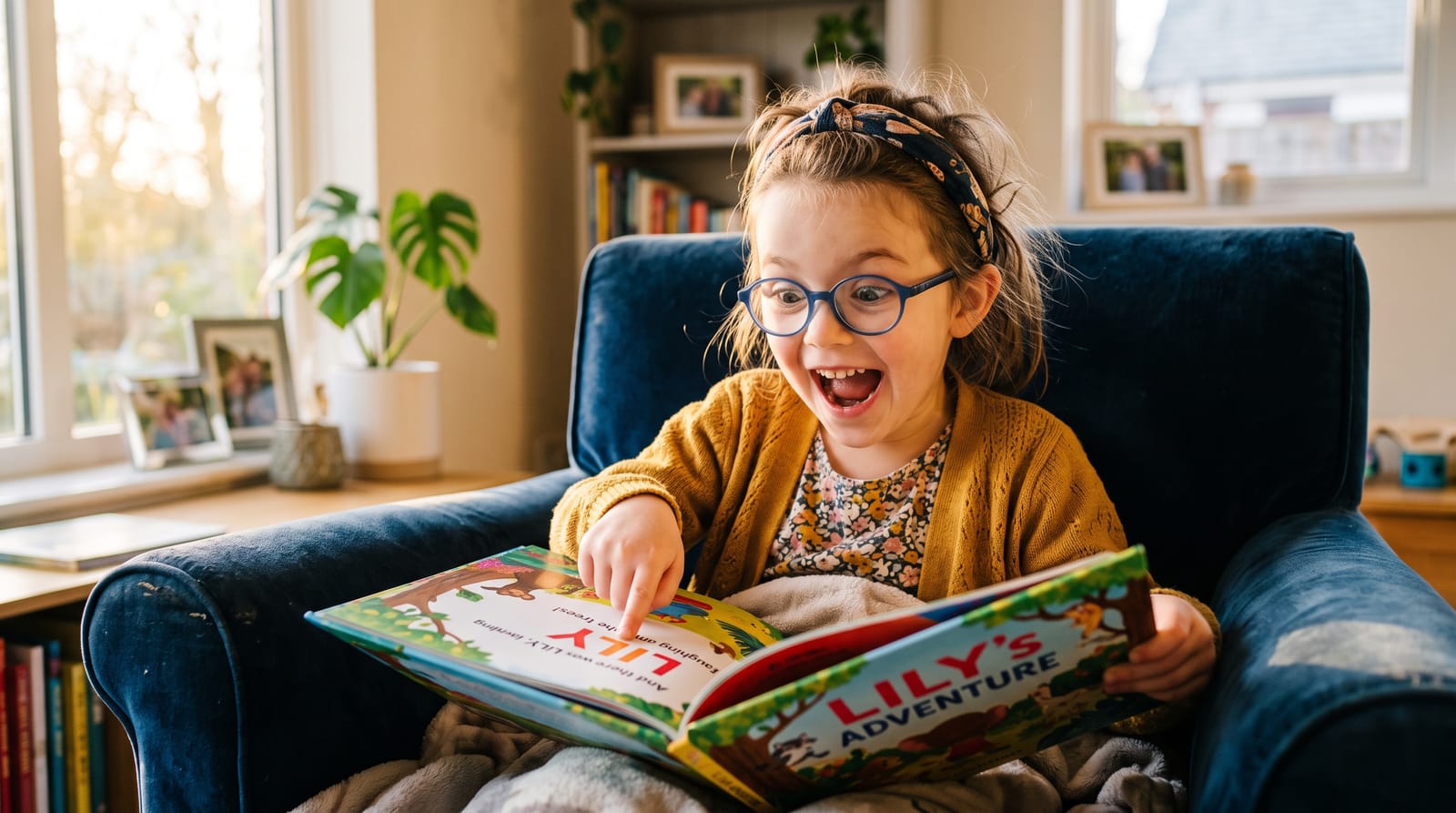
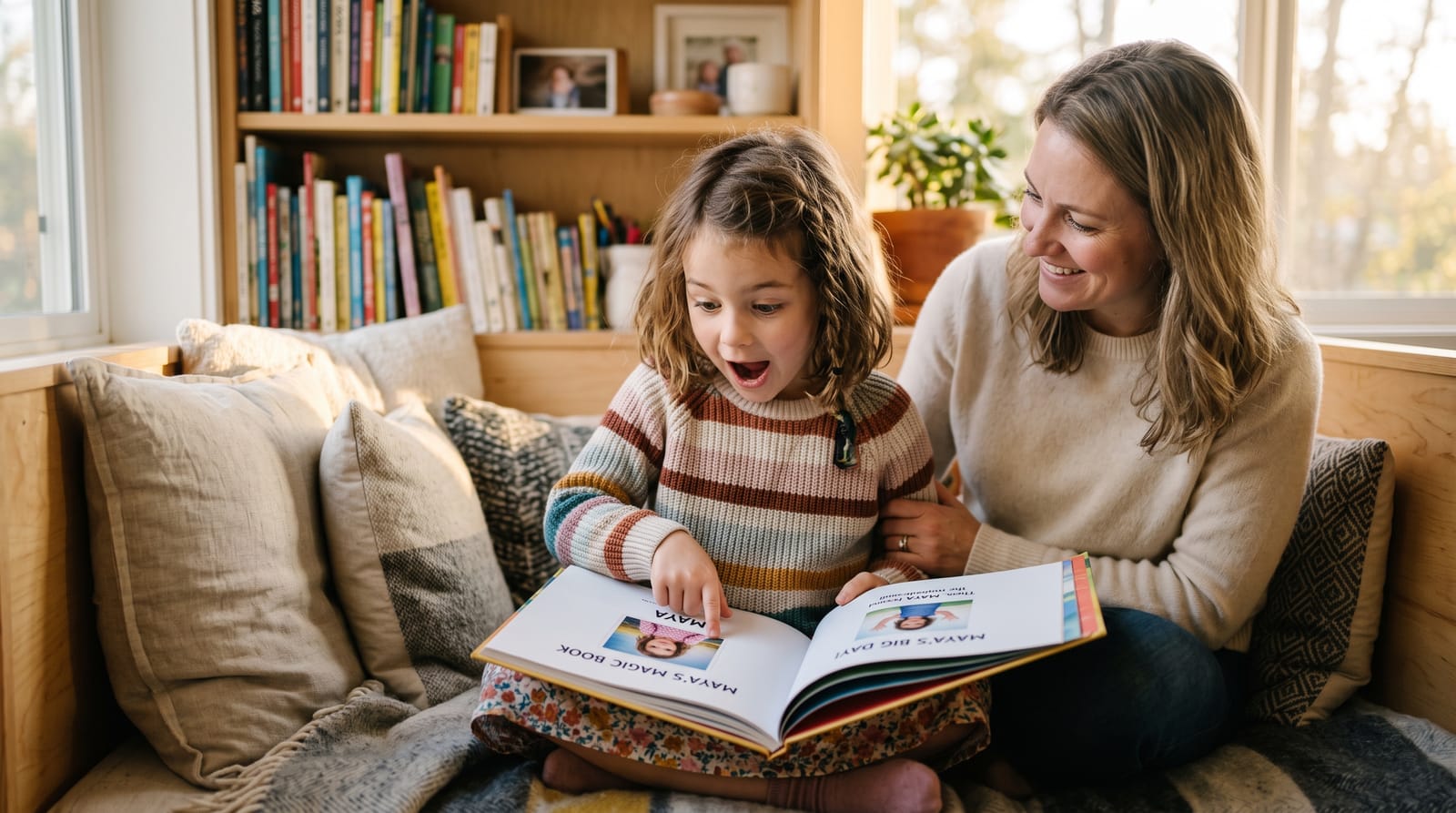
In a traditional picture book, these details are beautiful. In a personalized book, they become meaningful. When a child sees a character who shares their hair color or their name wearing that patterned sweater, the brain’s "self-reference effect" kicks in. The warmth described in the text isn't just happening to a fictional character; the child feels as though they are the one tucked under the blanket. This deepens the attention and motivation a child brings to the reading session, making the "hygge" experience much more profound.
Visual Patterns and Emotional Anchors
Great illustrators use repetition and patterns—like the texture of yarn or the symmetry of snowflakes—to provide a sense of security and rhythm. Personalization adds the ultimate "pattern" to the mix: the child’s own image and name. This acts as an emotional anchor. When the world outside feels cold, grey, or overwhelming, retreating into a story where the child is the hero provides a unique form of psychological safety.
Navigating the Seasons: From Hibernation to Exploration
The themes within a picture book often mirror the natural world around us. During the winter months, many of the most beloved stories focus on hibernation, the quiet of the forest, and the slow transition from the first snowflake to the eventual spring. These narratives help children process the changing environment and the shift in their own daily routines.
Personalized books take this seasonal reflection a step further. Instead of simply reading about how a fox or a bear prepares for the cold, a child can see themselves navigating the winter landscape. This transformation of the narrative helps children internalize life lessons about patience and preparation. Whether it’s learning to layer up for a walk in the woods or finding joy in indoor play when the weather is too harsh, seeing oneself in these scenarios makes the lesson stick.
For parents, this is a powerful tool for building child confidence. When a child sees "themselves" successfully navigating a snowy adventure or helping a friend in a story, they begin to view themselves as capable and adventurous in real life.
The Power of the "Again!" Factor: Re-readability and Humor
If you’ve spent any time reading to a toddler or preschooler, you know that the highest compliment a book can receive is the demand to read it "again!" immediately after the final page. What creates this staying power?
- Humor: Books that lean into the absurd or the playful often become instant favorites.
- Rhythm: A predictable, repeating cadence allows children to participate in the storytelling.
- Connection: A story that reflects the child’s own life or interests.
Personalized books naturally excel in all three areas. There is an inherent humor and delight in seeing one’s own name pop up in an unexpected place—perhaps as the person who saves the day or the one who discovers a hidden treasure. This surprise element keeps the "picture book" experience fresh, even on the twentieth reading.
Furthermore, the benefits of personalized reading extend to literacy development. When a child is the protagonist, they are more likely to track the text closely, looking for the familiar shape of their own name. This increased focus is a secret weapon for parents using the 5-minute reading method to fit literacy into a hectic schedule.
Personalization as a Bridge Between Generations
One of the most enduring qualities of the picture book is its ability to facilitate connection. It’s rarely a solitary activity for a young child; it’s a shared experience between a caregiver and a little one.
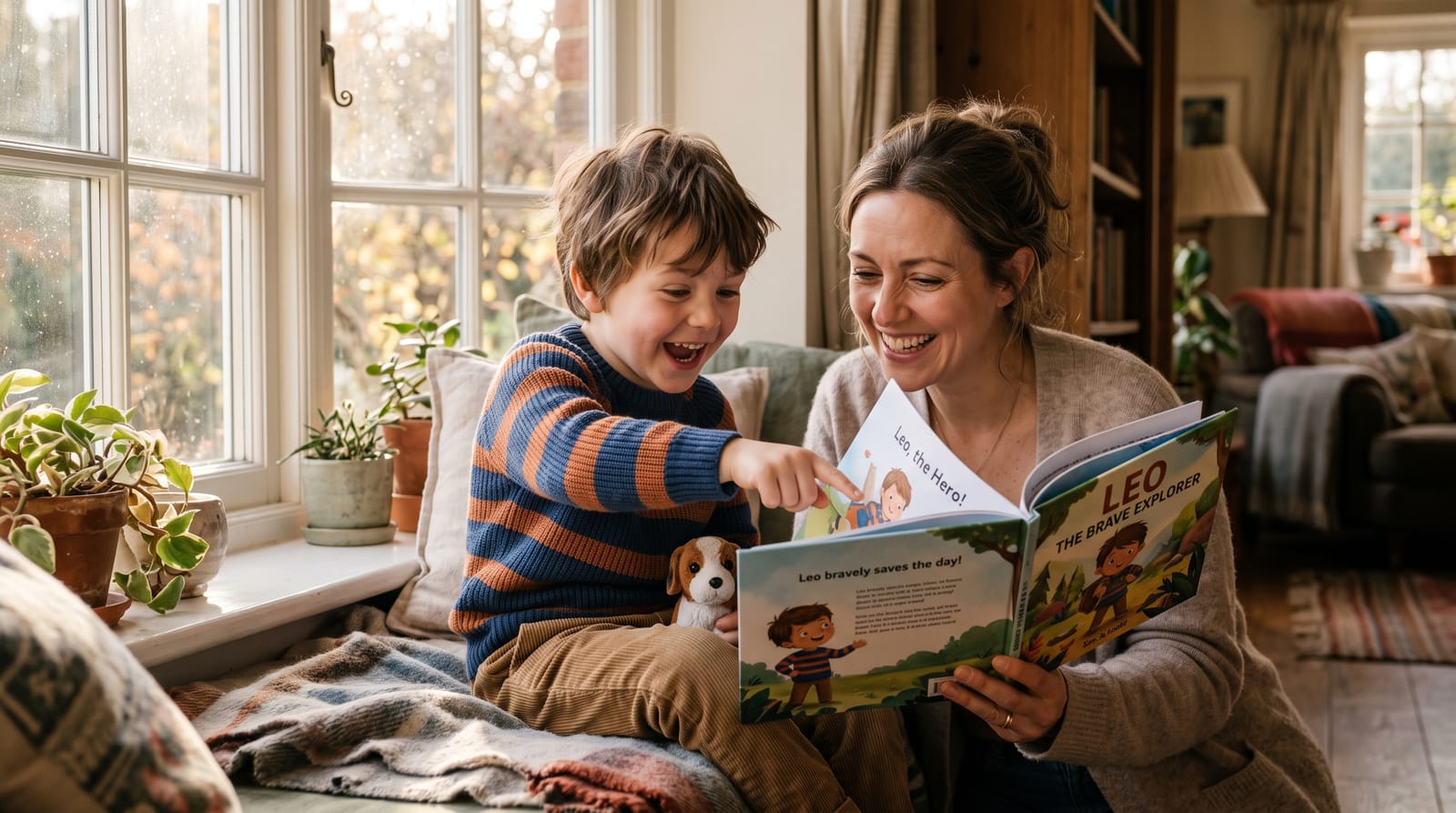
When a book is personalized, it becomes a bespoke bridge. Imagine a grandparent reading a story where their grandchild is the star. The dialogue that stems from the book changes. Instead of asking, "What do you think the fox will do next?" the caregiver can ask, "What are you going to do next in this forest?" This shift from third-person to second-person storytelling fosters a deeper bond and encourages a more interactive dialogue.
This is why these books are often cited as the gold standard for keepsakes. While a standard picture book might eventually be donated or recycled, a book that features the child’s own name and likeness is often tucked away in a memory box, preserved as a snapshot of who that child was at a specific moment in time.
Choosing the Right Elements for Your Child
When looking for the perfect picture book—personalized or otherwise—it’s important to look beyond the cover. Consider the following elements that contribute to a high-quality reading experience:
The Color Palette
Look for books that use color to set a mood. Warm oranges and soft blues can create a sense of calm for bedtime, while bright, primary colors are excellent for high-energy daytime adventures. At StorytimeHero, we ensure our personalized illustrations maintain this artistic integrity, ensuring the child fits seamlessly into a professionally crafted aesthetic.
The "Starring Me" Balance
The best personalized stories don't just "insert" a name; they build the world around the child. The child should feel like an integral part of the plot, not just a bystander. This is particularly effective in adventure-themed stories where the child’s choices or presence drive the narrative forward.
Literary Quality
A great picture book must stand on its own as a piece of literature. The writing should be engaging, the vocabulary should be appropriately challenging, and the story should have a clear beginning, middle, and end. Personalization should be the "cherry on top" of an already excellent story, not a substitute for good writing.
Frequently Asked Questions
Conclusion: Making Memories One Page at a Time
The traditional picture book is not going anywhere—it is a foundational pillar of childhood. However, personalization is evolving the medium into something more interactive and emotionally resonant. By combining the cozy, sensory-rich traditions of classic children's literature with the modern technology of customization, we can create experiences that children don't just read, but remember for a lifetime.
Whether you are looking for a way to make those long winter evenings more magical or seeking a tool to help your child build self-esteem, the personalized picture book offers a unique solution. It’s a way to tell your child, "You are important, you are brave, and you are the hero of your own story."
***
Related Reading
Free preview checklist
Get the personalized book gift checklist
Know what photo to use, what to write in the dedication, and what to review before ordering.