Personalized Books and Fantastic-Kids8217 Trends | StorytimeHero
Start a cover preview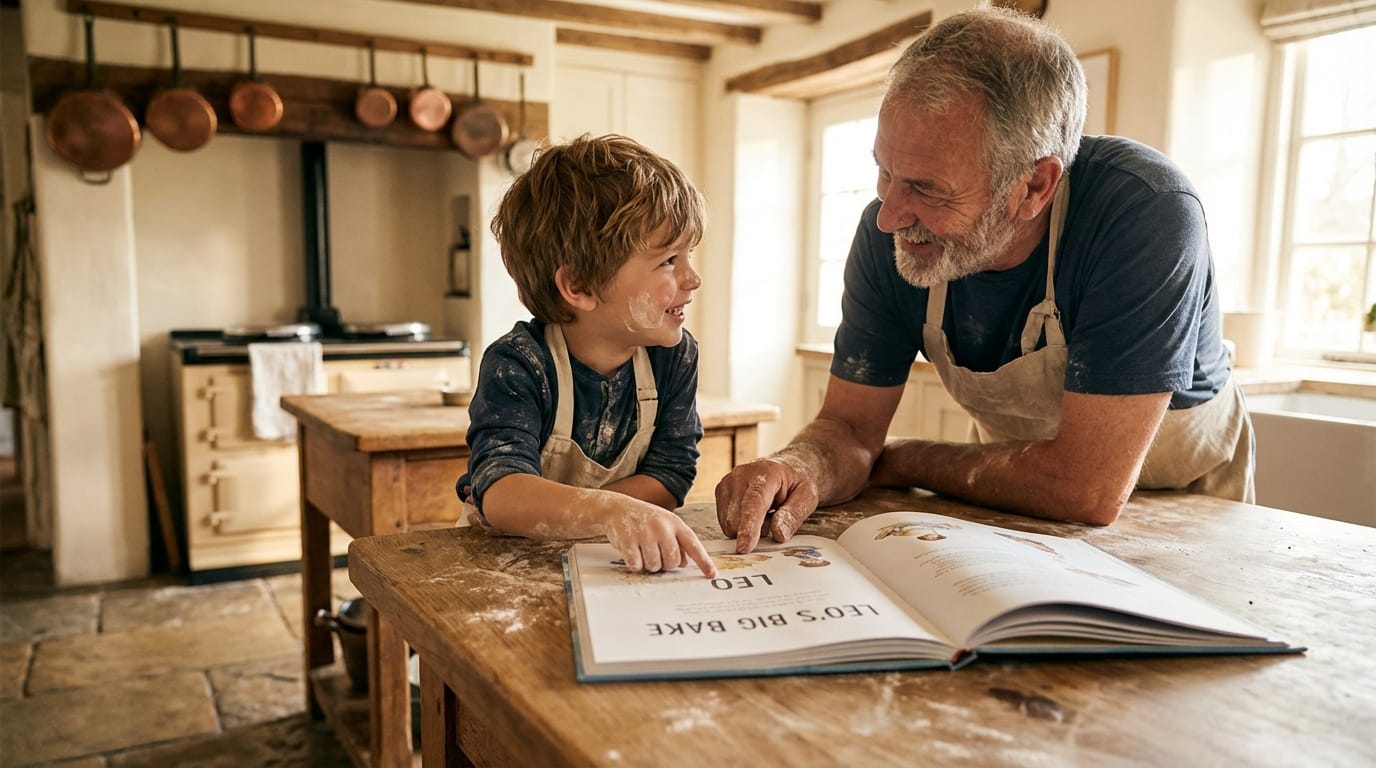
Every season, the world of children’s literature undergoes a quiet transformation. As we move through {YEAR}, a new wave of storytelling—often categorized under the umbrella of "fantastic-kids8217"—is emerging. These stories are more than just ink on paper; they are mirrors and windows designed to help children navigate an increasingly complex world. From the celebration of vibrant cultural festivals like Holi to the simple, sensory joy of baking bread with a grandparent, modern children's books are focusing heavily on connection, identity, and agency.
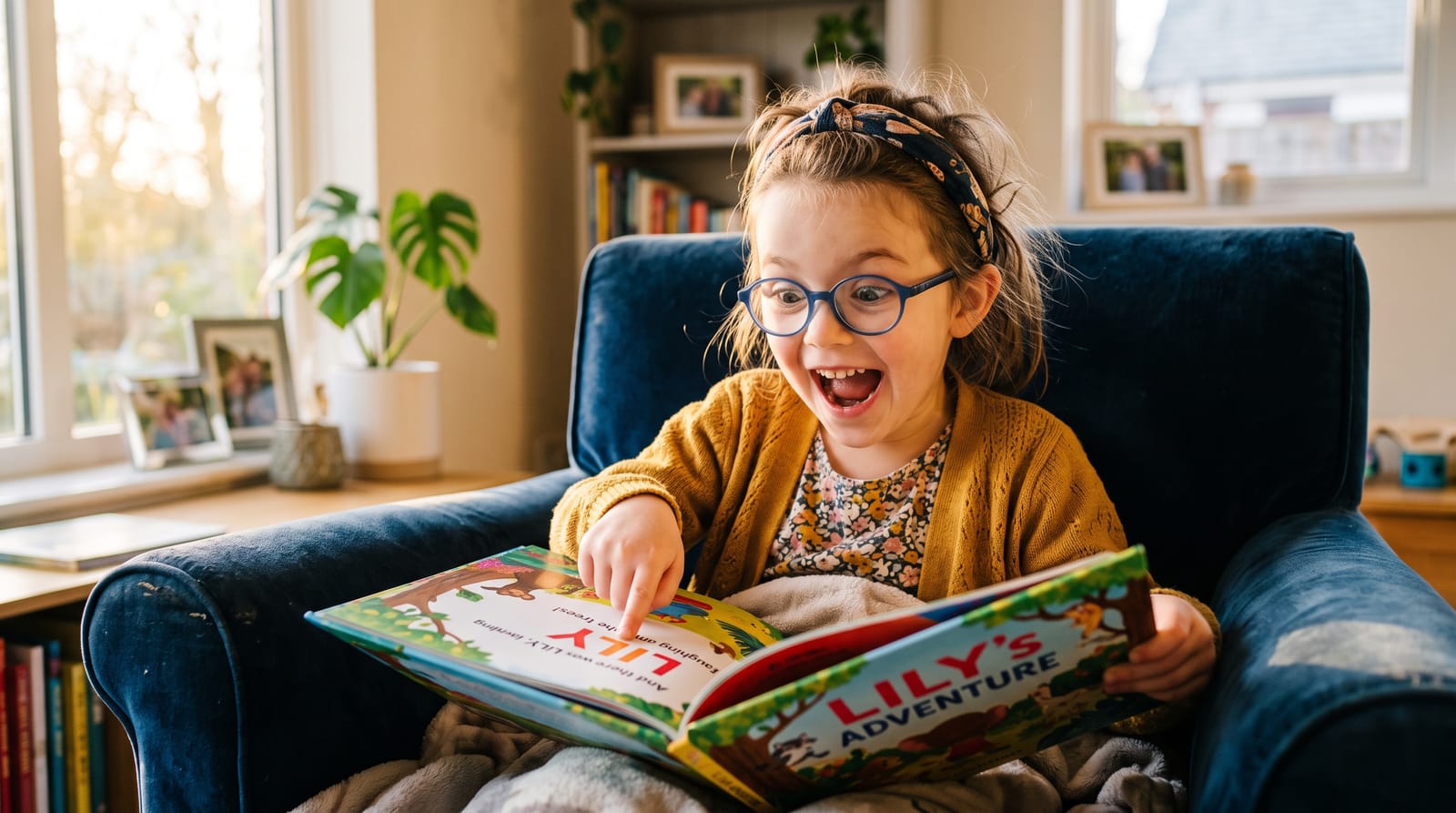
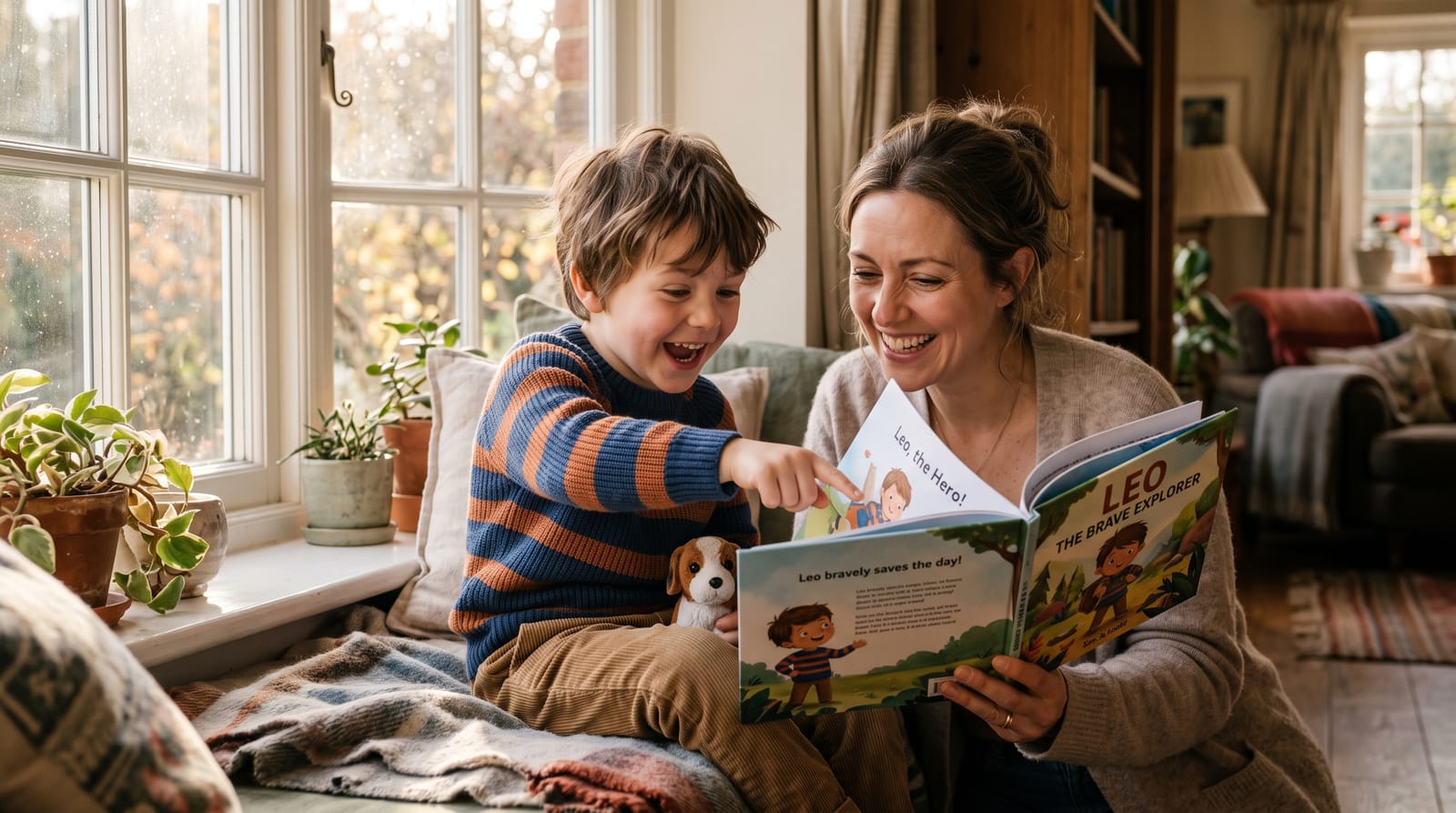
But even the most beautifully illustrated new release can sometimes feel like it belongs to someone else. This is where the magic of personalized books comes into play. By taking the core themes of today’s most fantastic-kids8217 releases and weaving a child’s own name, likeness, and world into the narrative, we move from passive observation to active participation.
In this exploration, we will look at how personalization addresses the most significant trends in modern children’s literature and why making your child the hero of the story is the ultimate way to foster a lifelong love of reading.
The Heart of the Home: Food, Family, and Sensory Storytelling
One of the most heartwarming trends in {YEAR} is the rise of "sensory domesticity" in picture books. Authors are moving away from grand, abstract adventures and toward the "small magic" found within the four walls of a home. We see this in stories that center around the act of making food—specifically bread.
Bread is a universal symbol of nourishment, but in a literary context, it represents the patience, warmth, and "kneading together" of a family unit. When a child reads a story about a family bonding over a kitchen table, they internalize the idea that home is a place of safety and collaboration.
However, when you introduce personalization into this theme, the impact shifts. Instead of reading about a family making bread, the child reads about their family. In the world of personalized books, the kitchen in the story becomes a reflection of their own. This helps build what experts call The Architecture of Belonging in Family Books, where the child doesn't just see a character; they see a version of themselves contributing to the family legacy. This subtle shift reinforces the idea that their daily routines are worthy of being memorialized in a "fantastic-kids8217" narrative.
Cultural Literacy and the Power of Participation
Modern children’s literature is doing an incredible job of introducing young readers to global traditions. We are seeing a "bumper crop" of releases centered around festivals like Holi, Lunar New Year, and Diwali. These books serve a dual purpose: they provide representation for children within those cultures and offer a vibrant educational tool for those outside of them.
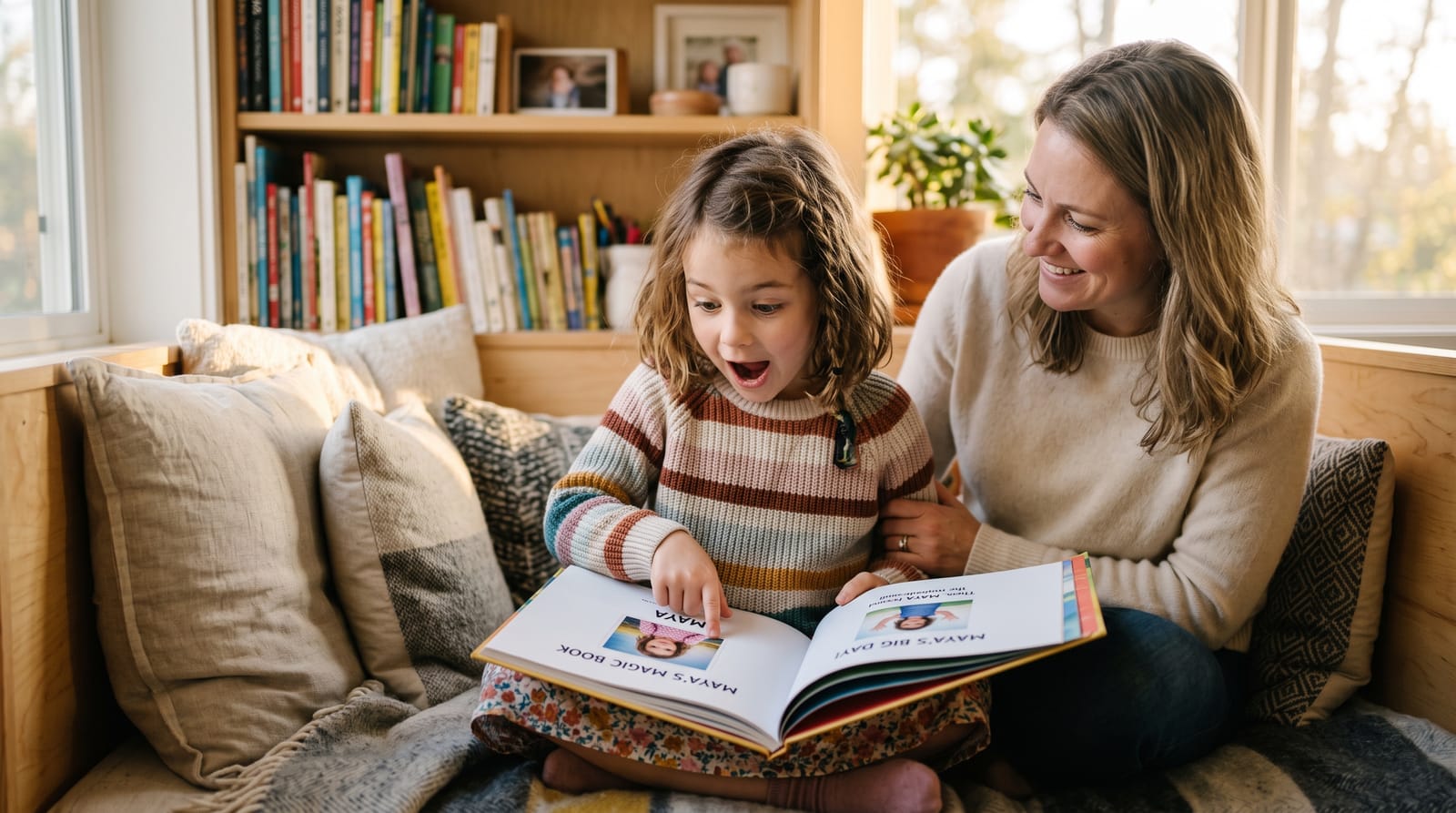
The challenge for parents is often making these "fantastic-kids8217" cultural stories feel relevant to their child’s specific life. Personalization bridges this gap beautifully. When a child sees their own name printed in a story about the colors of Holi or the lights of a festival, the culture becomes a shared experience rather than a distant lesson.
StorytimeHero believes that Bilingual Personalized Books and culturally inclusive stories are essential for building empathy. By placing the child at the center of a global celebration, personalized books teach them that they are a citizen of a wide, colorful world. They aren't just watching the festival; they are part of the celebration.
The Name-Recognition Effect: Identity and Agency
Identity is perhaps the most significant theme in middle-grade and picture books today. Whether it’s a story about a child finding the perfect name for a new pet or a protagonist discovering their own inner strength, the concept of "the name" is central.
There is a profound psychological reason for this. A child’s name is the first pillar of their identity. In the literary world, seeing one's name in print creates a "lock-and-key" effect with the brain’s attention centers. This is often referred to as the Name-Recognition Effect.
When a "fantastic-kids8217" story focuses on identity, personalization amplifies the message. If the story is about bravery, and the "brave" character shares the child’s name, the child begins to believe, "I am brave." This is particularly helpful for Kids with Anxiety, as it provides them with a "Brave Story" script they can carry into real-world situations. In a personalized book, the child isn't just rooting for the hero—they are the hero.
Bridging the Gap Between Magic and Technology
As we look at the releases for {YEAR}, there is a fascinating trend in middle-grade fiction: the blending of traditional magic with modern technology. Think werewolves using encrypted apps or supernatural conspiracies discovered through digital footprints. These stories reflect the reality of modern childhood, where the "fantastic" and the "functional" coexist.
Personalized books address this by meeting the child where they are. In an age of screens and rapid-fire content, a book must be exceptionally engaging to compete. By using high-quality illustrations and personalized details, these books offer a "technicolor" experience that rivals digital media while maintaining the tactile benefits of a physical book.
This engagement is crucial for Attention + Motivation. When a story feels "fantastic-kids8217" because it includes the child’s actual environment or interests, the child is much more likely to put down the tablet and pick up the book.
From "To-Be-Read" Piles to Forever Keepsakes
In the world of book blogging and literary reviews, there is a lot of talk about "TBR" (to-be-read) piles. While it’s wonderful to have a stack of new releases waiting, many of these books are read once and eventually donated or tucked away.
Personalized books change the lifecycle of a children’s story. They move from the category of "temporary entertainment" to "permanent keepsake." Parents often find that while a standard "fantastic-kids8217" release might hold a child's interest for a week, a personalized book remains a nightly request for years.
This longevity is rooted in The Psychology of Keepsakes. We save the things that reflect our history and our identity. A book that features a child’s name, their family members, and their unique traits becomes a time capsule of who they were at that specific age. It is a Unique Personalized Book Gift that they will actually keep into adulthood.
How StorytimeHero Fits into the "Fantastic-Kids8217" Landscape
At StorytimeHero, we don't just see ourselves as a printer of books; we see ourselves as curators of connection. We take the themes that make modern children's literature so "fantastic"—themes of love, bravery, family, and discovery—and we add the one ingredient that mass-market books can't provide: your child.
Whether it’s helping a toddler navigate Bedtime Battles or helping an older child prepare for Back-to-School, our goal is to use the power of personalization to make every story feel like a "best-class" experience. We believe that when a child is the hero of their own story, there is no limit to what they can imagine or achieve.
Practical Tips for Building Your Personalized Library in {YEAR}
If you’re looking to incorporate more "fantastic-kids8217" personalized stories into your home, here are a few ways to get started:
- Match the Story to the Milestone: Is your child starting a new school? Look for a story about transitions. Are they obsessed with animals? Choose a Best Animal-Themed Personalized Book.
- Focus on the Routine: Use personalized books to anchor your 10-Minute Bedtime Reading Routine. The familiarity of seeing themselves in the book helps signal to the brain that it's time to wind down.
- Involve the Grandparents: Personalized books are an incredible way to bridge the generational gap. Stories that feature both the child and their grandparents create a Family Connection Through Personalized Books that lasts a lifetime.
Conclusion: The Future of Fantastic Stories
The "fantastic-kids8217" trend tells us one thing: children's literature is becoming more personal, more inclusive, and more emotionally resonant. By choosing personalized books, you are taking these industry-wide improvements and applying them directly to your child’s development.
You aren't just buying a book; you are investing in your child’s self-esteem, their literacy, and their sense of place in the world. In {YEAR} and beyond, the most fantastic story a child can read is the one where they are the hero.
---
Frequently Asked Questions
Related Reading
Free preview checklist
Get the personalized book gift checklist
Know what photo to use, what to write in the dedication, and what to review before ordering.