How to Build a 10-Minute Bedtime Reading Routine That Sticks
Start a cover preview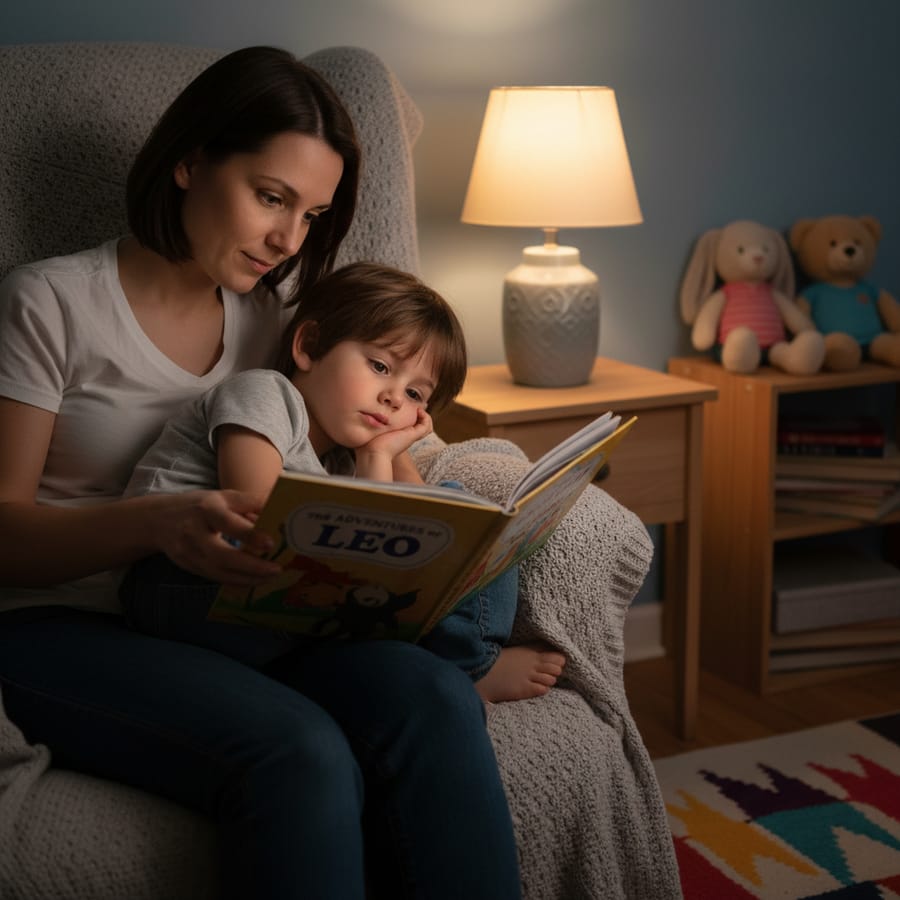
We have all been there. It is 8:00 PM, you are exhausted from a long day of work and chores, and your child seems to have found a hidden reserve of energy that could power a small city. The "bedtime battle" is a real thing, and for many parents, the idea of adding one more task to the nightly checklist feels overwhelming. However, what if I told you that just ten minutes could change everything? Building a 10-minute bedtime reading routine isn’t just about teaching your child to read; it is about creating a predictable, calm transition from the chaos of the day to the restfulness of sleep. By making this small time investment, you aren't just checking a box—you are building a lifelong bond and sparking an imagination that will serve your child forever.
Why a 10-Minute Bedtime Reading Routine is a Game-Changer
When we think about "routines," we often think of strict schedules and rigid rules. But a 10-minute bedtime reading routine is different. It is a soft landing at the end of a hard day. For a child, the world is big, loud, and often unpredictable. A routine provides a sense of safety. When they know that every night ends with a story, their nervous system begins to relax even before you open the book.
From a developmental standpoint, those ten minutes are pure gold. Research shows that children who are read to regularly have larger vocabularies and better "emergent literacy" skills. This means they understand how stories work, how sentences are formed, and how characters face challenges. But more than that, it is about the physical proximity. Sitting close to you, hearing the rhythm of your voice, and looking at the same pages creates a deep sense of security.
If you find that your child is resistant to sitting still, it might be because the stories don't feel relevant to them. This is where personalized children's books can make a massive difference. When a child sees their own face in the illustrations, they aren't just an observer; they are the hero. This level of engagement can turn a reluctant reader into someone who begs for "just five more minutes" every single night.
Setting the Stage: Creating the Perfect Reading Environment
You cannot build a successful routine in a room that feels like a playground. To make your 10-minute bedtime reading routine stick, you need to signal to your child’s brain that the "active" part of the day is over.
- Dim the Lights: Bright overhead lights keep the brain in "alert" mode. Use a small bedside lamp or a book light. This mimicry of the setting sun helps trigger the body's natural sleep hormones.
- Get Comfortable: Whether it is a "reading chair," a pile of floor pillows, or snuggling under the covers, make sure the spot is cozy. Physical comfort leads to mental relaxation.
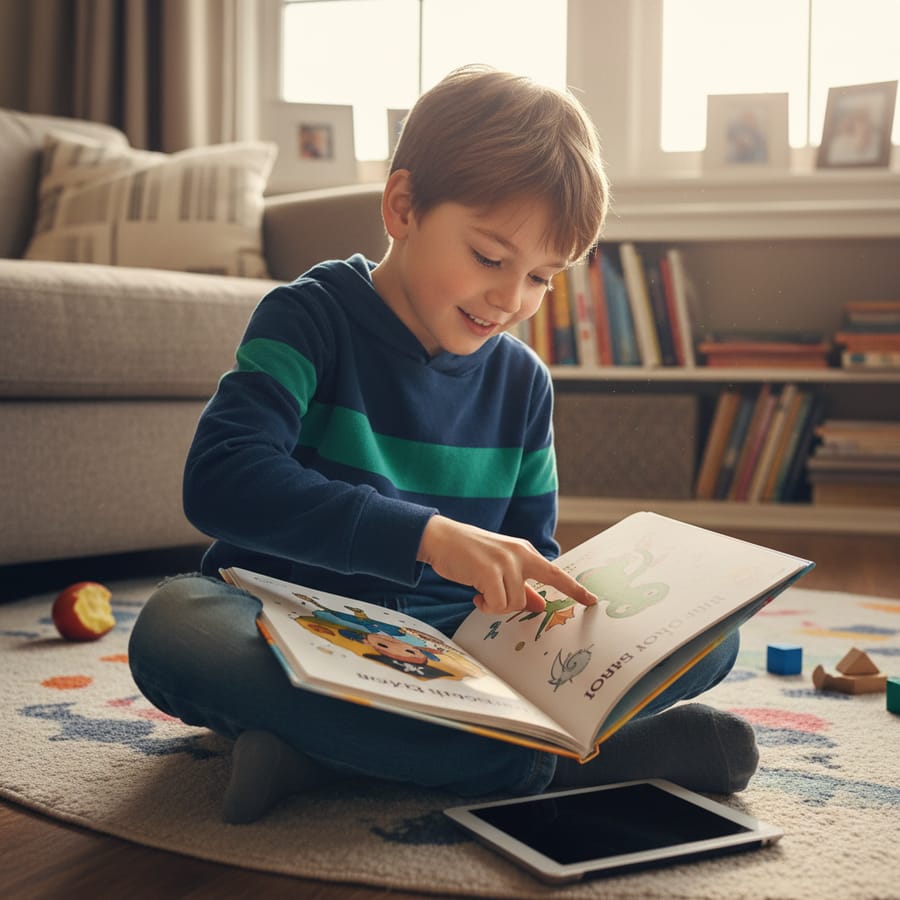
- Ditch the Screens: This is a big one. The blue light from tablets and phones can interfere with sleep. Switching to a physical book or a specialized AI-generated storybook provides a tactile experience that screens simply cannot match.
- Minimize Noise: If the rest of the house is loud, consider a white noise machine in the hallway or simply closing the bedroom door to create a "reading sanctuary."
By controlling the environment, you remove the distractions that usually lead to bedtime stalls. Your child will begin to associate these environmental cues with the story, making the transition much smoother.
Choosing the Right Books for Your 10-Minute Bedtime Reading Routine
Not all books are created equal when it comes to bedtime. You want stories that are engaging enough to hold their attention but not so high-energy that they get "wound up" again. The key is to find stories that resonate with your child’s current interests.
If your son is obsessed with space, a story about a galactic adventure is perfect. If your daughter loves animals, a jungle trek is the way to go. However, the ultimate "hack" for engagement is personalization. At StorytimeHero.ai, we believe that every child deserves to be the star. When you use a book where your child is the main character, their focus skyrockets. They want to see what "they" do next in the story.
When selecting books, look for:
- Clear Themes: Stories about kindness, bravery, or curiosity.
- Beautiful Visuals: High-quality illustrations help children who aren't reading yet follow the plot.
- Manageable Length: A book that takes 7-8 minutes to read is perfect, leaving 2 minutes for a quick chat about the story.
If you are looking for a comprehensive guide on what types of stories work best for different ages, check out our bedtime story guide to see how to match themes to your child's developmental stage.
How Personalization Supercharges Interest and Focus
Have you ever noticed how your child’s ears perk up the moment they hear their name? It is a psychological phenomenon called the "Self-Reference Effect." We are naturally more interested in information that relates to us. This is the secret sauce behind a successful 10-minute bedtime reading routine.
When a child sees their own face—not just a character that looks like them, but their actual face—integrated into the art, the story becomes real. They aren't just reading about a hero saving a dragon; they are the hero saving the dragon. This deep immersion helps with:
- Empathy: They experience the character's emotions more intensely.
- Memory: They are more likely to remember the vocabulary and lessons from the story.
- Confidence: Seeing themselves overcome obstacles in a book can translate to real-world confidence.
Using AI-generated illustrations allows us to put your child in any scenario imaginable. This level of personalization makes the 10-minute routine something they look forward to all day, rather than something they try to avoid. It turns reading from a "chore" into a "reward."
Overcoming Common Hurdles in Your 10-Minute Bedtime Reading Routine
Even with the best intentions, life happens. You might get home late, your child might be having a "difficult" day, or you might just be too tired to read a 30-page epic. Here is how to handle the common roadblocks to your 10-minute bedtime reading routine.
The "One More Story" Trap
Children are master negotiators. They will ask for one more book, a glass of water, or a specific stuffed animal just to stay awake. To counter this, set the boundary early. Say, "We are going to read one special story tonight, and then it is time for lights out." Stick to it. Consistency is the only way to make the routine stick.
The "I'm Too Tired" Night
On nights when you are truly exhausted, don't skip the routine. Instead, shorten it. Use a shorter book or even a personalized short story that keeps the habit alive without requiring a massive effort. The goal is to maintain the "streak" of reading every night.
The "Repeat" Request
It can be mind-numbing for a parent to read the same book seven nights in a row. However, repetition is actually great for reading development. It builds word recognition and confidence. If you're bored, try changing your voice for different characters or asking your child to "read" the parts they have memorized.
The Distracted Child
If your child won't sit still, try "Active Reading." Ask them questions about the pictures. "Where is the blue bird hiding?" or "What do you think [Child's Name] will do next?" This keeps their brain engaged and their body in the seat.
Practical Tips to Keep the Habit Alive
Building a habit takes time—usually about 21 to 66 days, depending on who you ask. To make sure your 10-minute bedtime reading routine becomes a permanent part of your family life, try these actionable tips:
- Pick a "Start" Trigger: Maybe the routine starts the moment the pajamas are on, or right after teeth are brushed. A consistent trigger helps the brain prepare.
- Let Them Choose: Give your child a choice between two books. This gives them a sense of control, which reduces power struggles.
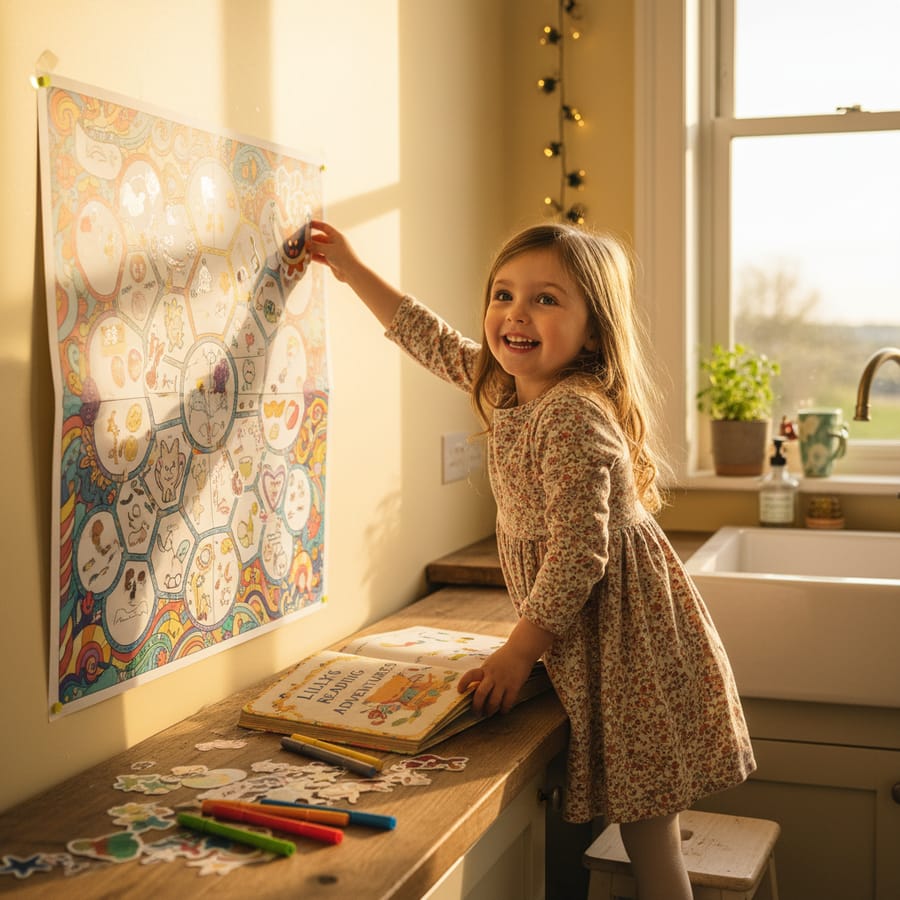
- Use a Reading Log: Kids love stickers. Let them put a sticker on a calendar for every night you complete your 10 minutes.
- Model the Behavior: Let your child see you reading your own books. If they see that you value reading, they will too.
- Keep Books Accessible: Have a small basket of books right next to the bed so there is no "hunting" for a story when you're already tired.
Remember, the goal isn't perfection. If you miss a night, don't beat yourself up. Just start again the next evening. The long-term benefits of sleep hygiene for kids and literacy development are well worth the effort of getting back on track.
Frequently Asked Questions
Related Reading
- The Science of Why Personalized Books Improve Literacy
- 5 Creative Ways to Make Your Child the Hero of Their Own Story
- How AI is Revolutionizing Children's Literature
- The Best Bedtime Stories for 5-Year-Olds: A Curated List
- Creating a Screen-Free Bedroom: A Parent's Guide
- Understanding the Benefits of Shared Reading for Toddlers
- How to Custom-Build a Storybook Using Your Child’s Photos
Free preview checklist
Get the personalized book gift checklist
Know what photo to use, what to write in the dedication, and what to review before ordering.