Redefining Best-Class Success with Personalized Books | StorytimeHero
Start a cover preview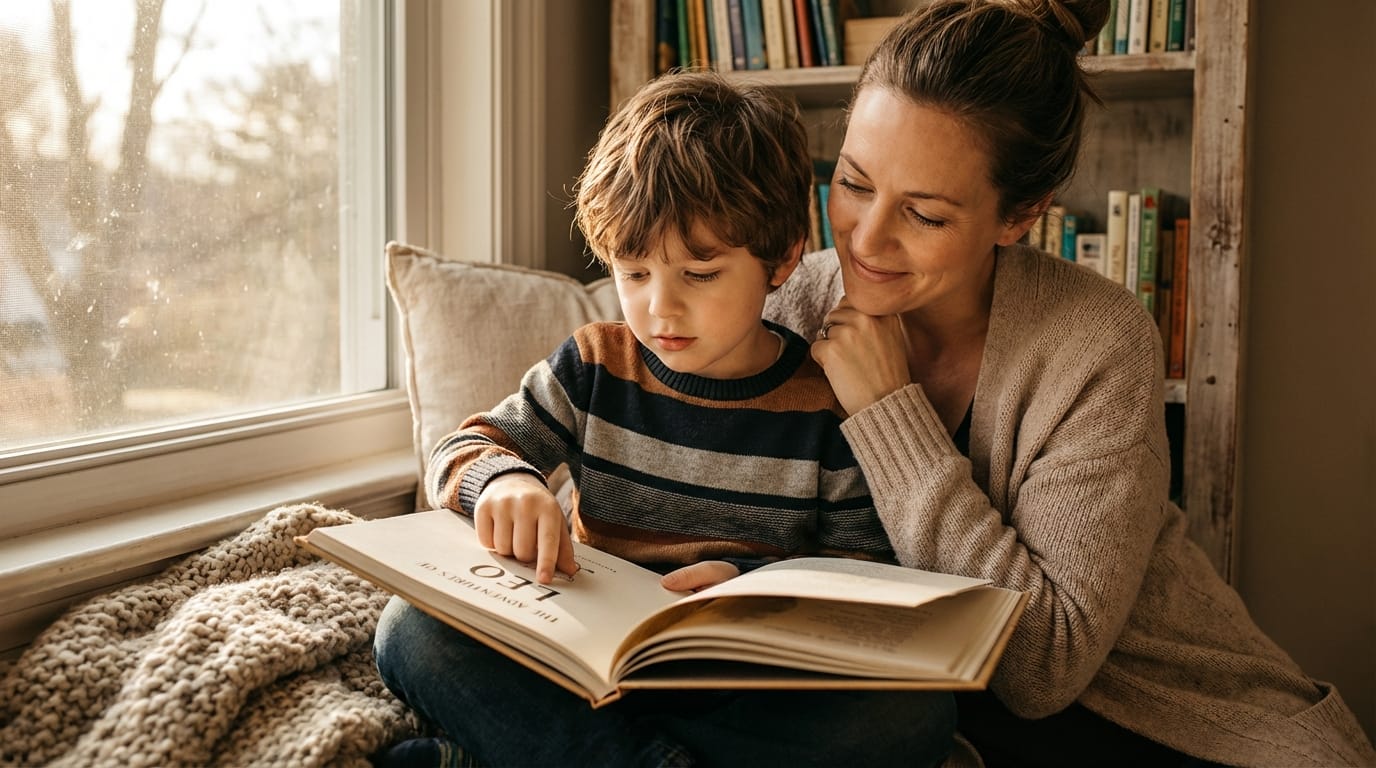
In the traditional landscape of childhood education, the phrase "best in class" often conjures a very specific image: a child sitting perfectly still, hand raised, with a folder full of gold-starred assignments. It is a metric of conformity, a standard of obedience that suggests there is only one way to truly excel. However, as our understanding of childhood development evolves in {YEAR}, parents and educators are beginning to realize that "best-class" performance isn't about being the most compliant—it’s about being the most confident in one’s unique abilities.
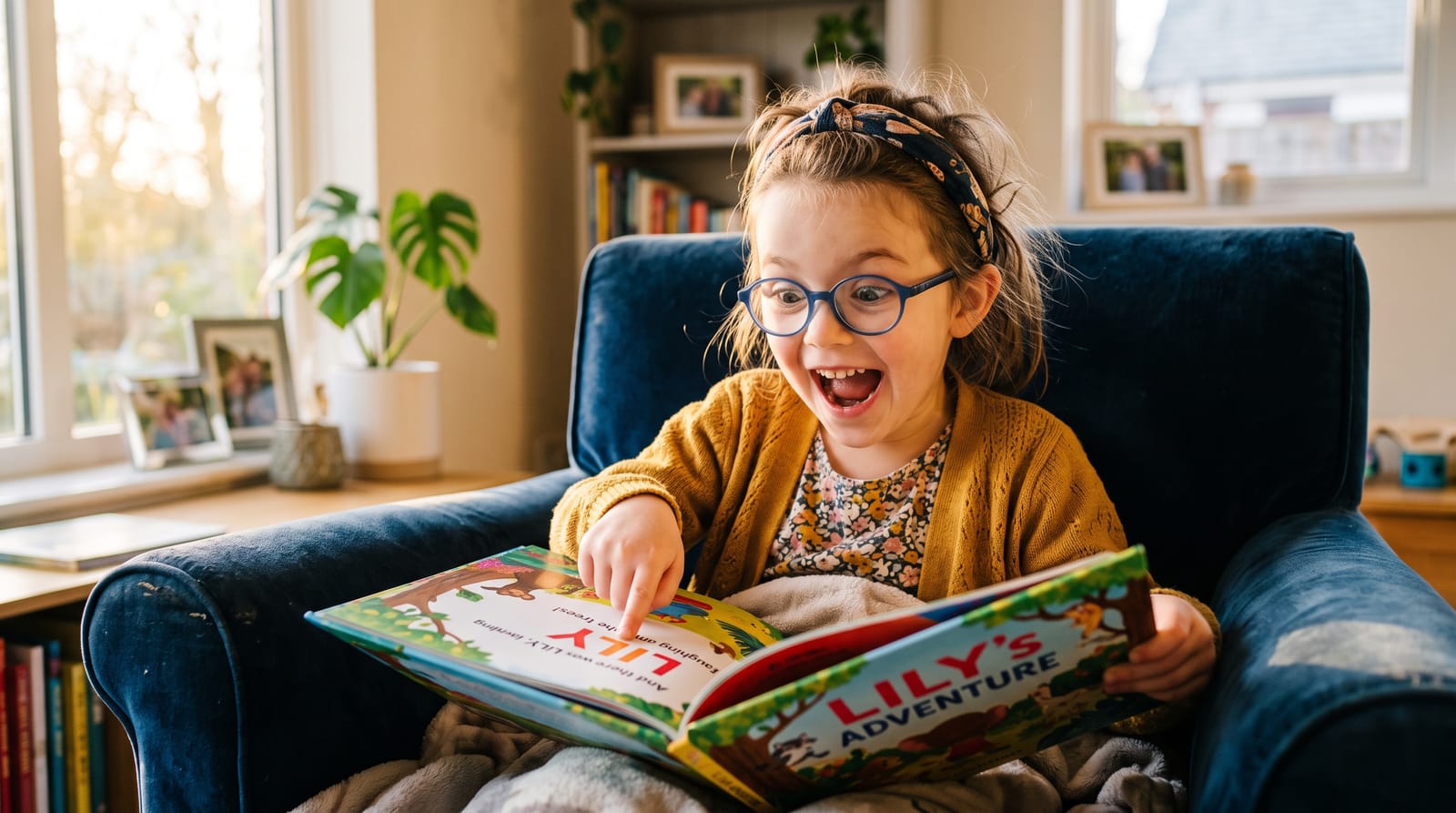
At StorytimeHero, we believe that every child deserves to see themselves as the protagonist of their own success story. Personalized books offer a revolutionary way to address the pressures of performance by shifting the focus from external validation to internal growth. By putting a child’s name and likeness at the center of the narrative, we can help them navigate the complexities of "fitting in" while celebrating the traits that make them stand out.
The Evolution of the 'Best-Class' Ideal
For decades, the standard for being "best-class" was rooted in a one-size-fits-all model. Whether it was a student in a classroom or even a pet in an obedience school, the goal was to follow instructions to the letter. While structure is important, a rigid focus on perfection can often stifle a child’s natural curiosity and enthusiasm.
When a child feels they don't naturally fit the "best-class" mold—perhaps because they are more energetic, more creative, or more anxious than their peers—they can begin to view themselves as "less than." This is where the power of storytelling becomes a vital tool. Stories allow children to rehearse social scenarios and academic challenges in a safe, imaginative space. When that story is personalized, the impact is doubled. The child isn't just reading about a hero who overcomes a challenge; they are the hero.
How Personalization Bridges the Gap Between Fitting In and Standing Out
One of the most profound ways personalized books address the "best-class" dilemma is by validating a child's individual journey. In many traditional stories, characters are rewarded for changing themselves to fit a group. However, modern personalized narratives often flip this script.
When a child sees their own name on the page, their level of engagement skyrockets. This is known as the "Name-Recognition Effect," and it plays a crucial role in how children process information. Research into why kids pay more attention when they see their name shows that personalization triggers a deep sense of relevance. If the story depicts the child succeeding by using their unique kindness, their specific sense of humor, or their particular way of solving problems, the child begins to internalize a new definition of "best-class": being the best version of themselves.
Turning "Obedience" into "Engagement"
In many learning environments, "best-class" behavior is equated with simple obedience. However, true success in life comes from engagement and motivation. Personalized books act as a bridge, turning the "chore" of reading or learning into an act of self-discovery. By increasing attention and motivation through the personalization effect, we help children develop a genuine love for learning that lasts far beyond their school years.
Addressing Neurodiversity and Different Learning Styles
The "best-class" standard can be particularly heavy for children who are neurodivergent. For a child with ADHD or Autism, a traditional classroom setting can feel like an endless series of "don'ts." They are often told to sit still, stop fidgeting, or focus harder, which can lead to a fractured sense of self-esteem.
Personalized books offer a way to rewrite this narrative. By creating "social stories" where the child is the star, parents can help their children rehearse daily routines and social interactions in a positive light. For example, using personalized books for autism and ADHD allows a child to see themselves navigating a school day successfully, turning what might be a source of anxiety into a source of pride. In these stories, being "best-class" might mean remembering to take deep breaths or finding a creative way to stay organized—victories that are just as significant as an "A" on a spelling test.
Building the "Brave Story" Script
Anxiety is another common barrier to feeling "best-class." Many children struggle with the fear of making mistakes or being judged by their peers. This performance anxiety can prevent them from participating in class or trying new things.
Through personalized storytelling, we can provide children with "brave scripts." When a child reads a book where they are the main character facing a scary situation—like the first day of school or a difficult test—they are essentially practicing bravery. These personalized "brave story" scripts help children conquer their fears by giving them a mental roadmap for success. When they eventually face those real-life challenges, they can tap into the memory of their "book self" who handled the situation with grace and courage.
The Role of Family in Redefining Success
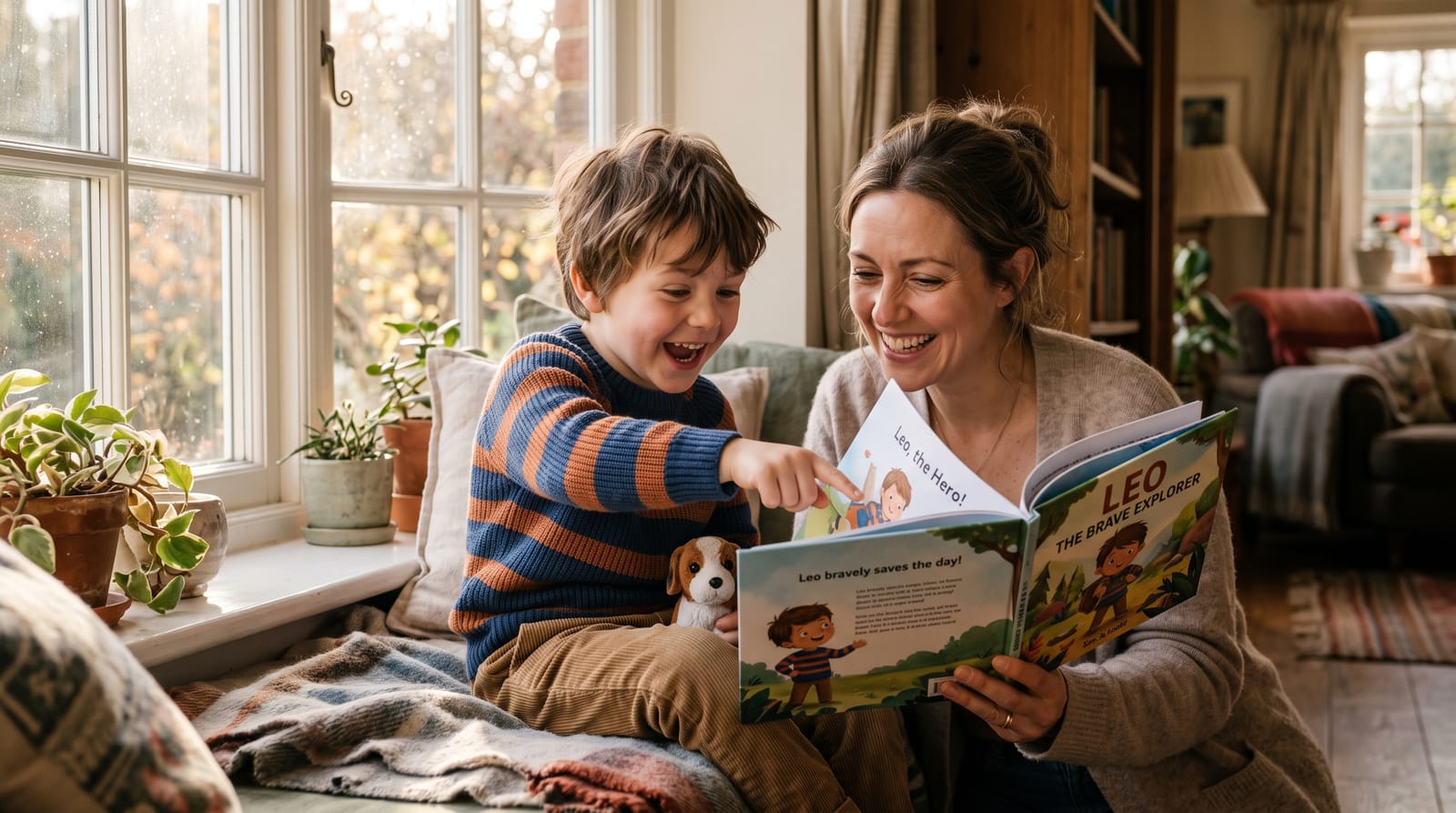
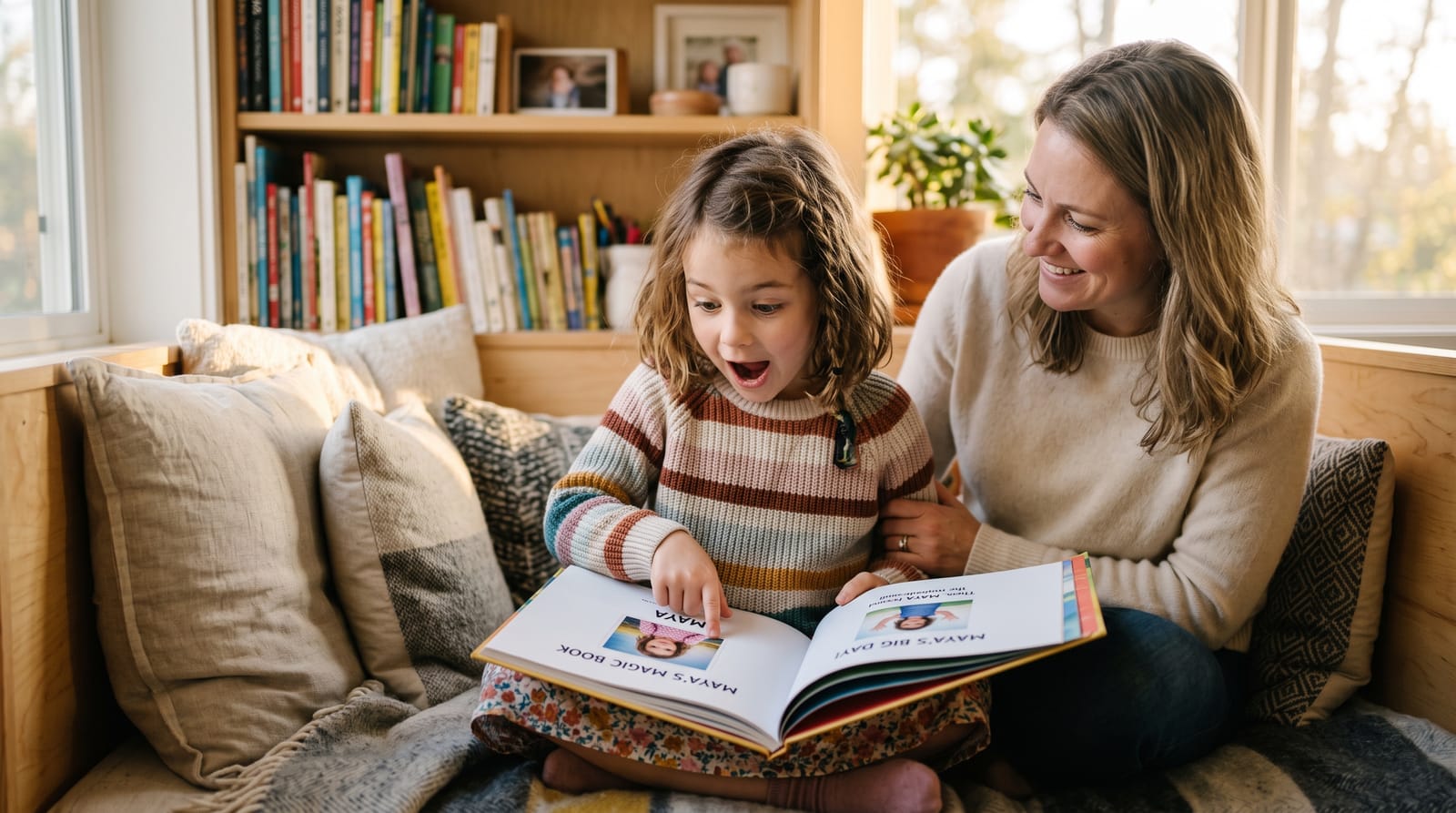
The journey to becoming "best-class" doesn't happen in a vacuum; it is nurtured at home. Personalized books are unique because they aren't just for the child; they are a collaborative experience for the entire family. When a parent sits down to read a story where their child is the hero, they are sending a powerful message of support and belonging.
This sense of being part of a "team" is essential for a child's confidence. Whether it's through personalized books that address family teamwork or stories that celebrate the bond between siblings, these books reinforce the idea that the child has a secure base from which to explore the world. A child who feels deeply connected to their family is much more likely to exhibit "best-class" traits like resilience, empathy, and curiosity.
Practical Tips for Using Personalized Books to Boost Confidence
If you’re looking to help your child find their own "best-class" rhythm, here are a few ways to integrate personalized storytelling into your daily routine:
- Focus on the Process, Not Just the Result: When reading together, point out the character's (your child's) effort. "Look how hard you worked to solve that puzzle!" This reinforces a growth mindset.
- Use Stories to Rehearse Challenges: If your child is nervous about a specific event, choose a personalized book that mirrors that situation. This helps them visualize a positive outcome.
- Create a Consistent Routine: Consistency builds security. Using a 10-minute bedtime reading routine creates a "safe zone" where the child can relax and absorb the positive messages of the story.
- Celebrate "Different" as a Strength: Use stories to highlight how the child's unique traits—even the ones that might make school a bit harder—are actually their superpowers.
Beyond the Classroom: A Lifelong Keepsake
The beauty of a personalized book is that its value doesn't expire at the end of the school year. Unlike a trophy or a certificate that might eventually be tucked away in a drawer, a custom storybook becomes a cherished keepsake.
There is a deep psychology behind why parents save custom gifts. These books serve as a time capsule of a child's identity at a specific age. Years from now, your child can look back at their "best-class" adventures and remember that they were always seen, always loved, and always capable of being the hero of their own story.
Frequently Asked Questions
How do personalized books help with school anxiety?
Personalized books help reduce anxiety by allowing children to "preview" school-related scenarios. By seeing themselves succeed in the story, they build a mental framework for success, which reduces the fear of the unknown. This is especially helpful for mid-year school transitions.
Can personalized books improve my child's reading level?
Yes! When children see their own name and likeness in a book, their engagement levels increase. This "personalization effect" leads to higher focus, better comprehension, and a greater motivation to practice reading, which naturally improves literacy skills over time.
Are personalized books suitable for children with learning differences?
Absolutely. In fact, personalized "social stories" are a gold-standard tool for children with ADHD, Autism, and other neurodivergent traits. These books allow for tailored narratives that focus on specific routines or social cues that the child may find challenging.
What is the best age to start using personalized books for confidence building?
It’s never too early! Even for toddlers, seeing themselves in a book builds self-awareness and a sense of belonging. As children grow (ages 4-8), the stories can become more complex, addressing specific "best-class" themes like perseverance and empathy.
Related Reading
- Redefining 'Best-Class' with Personalized Books
- How Personalized Books Support Family Connection
- Back-to-School Prep: Helping Your Child Face the First Day with Confidence
- The Power of Personalized Stories for ADHD Routines
- Unique Personalized Book Gifts They'll Actually Keep
In {YEAR}, let’s move away from the idea that being "best-class" means being the same as everyone else. Through the magic of personalized storytelling, we can show our children that the highest honor isn't a gold star on a chart—it's the courage to be exactly who they are. At StorytimeHero, we are honored to help you tell that story.
Free preview checklist
Get the personalized book gift checklist
Know what photo to use, what to write in the dedication, and what to review before ordering.