Bilingual Personalized Books: Cultural + Language Benefits
Start a cover preview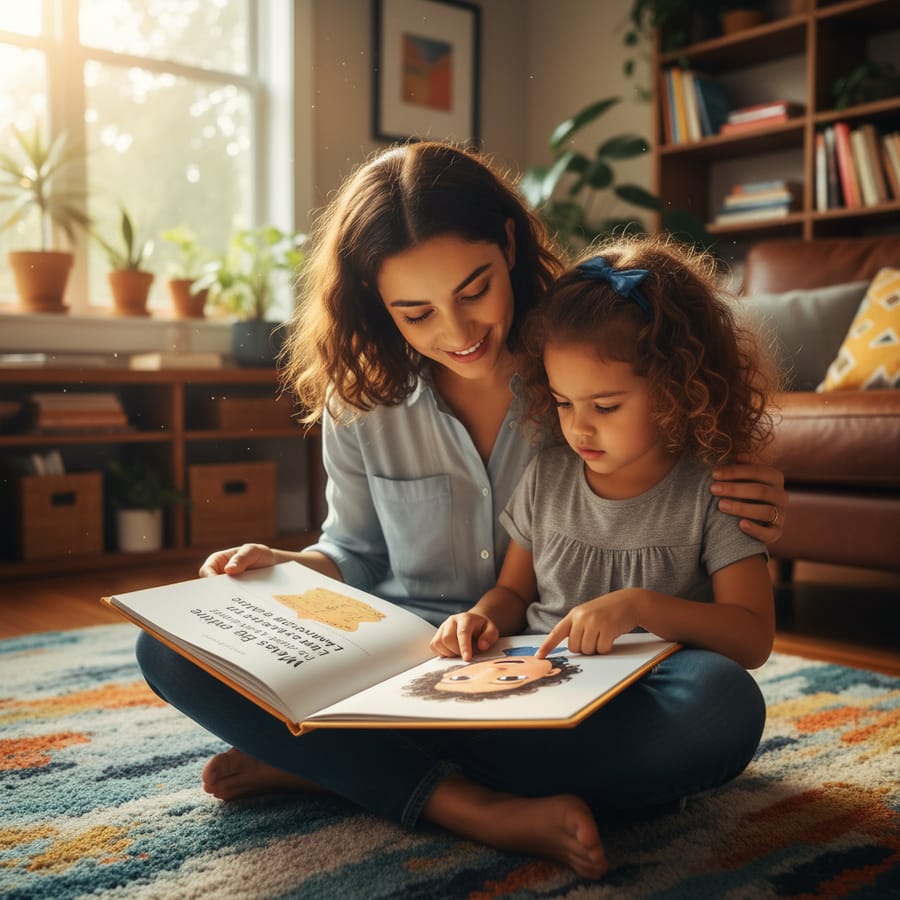
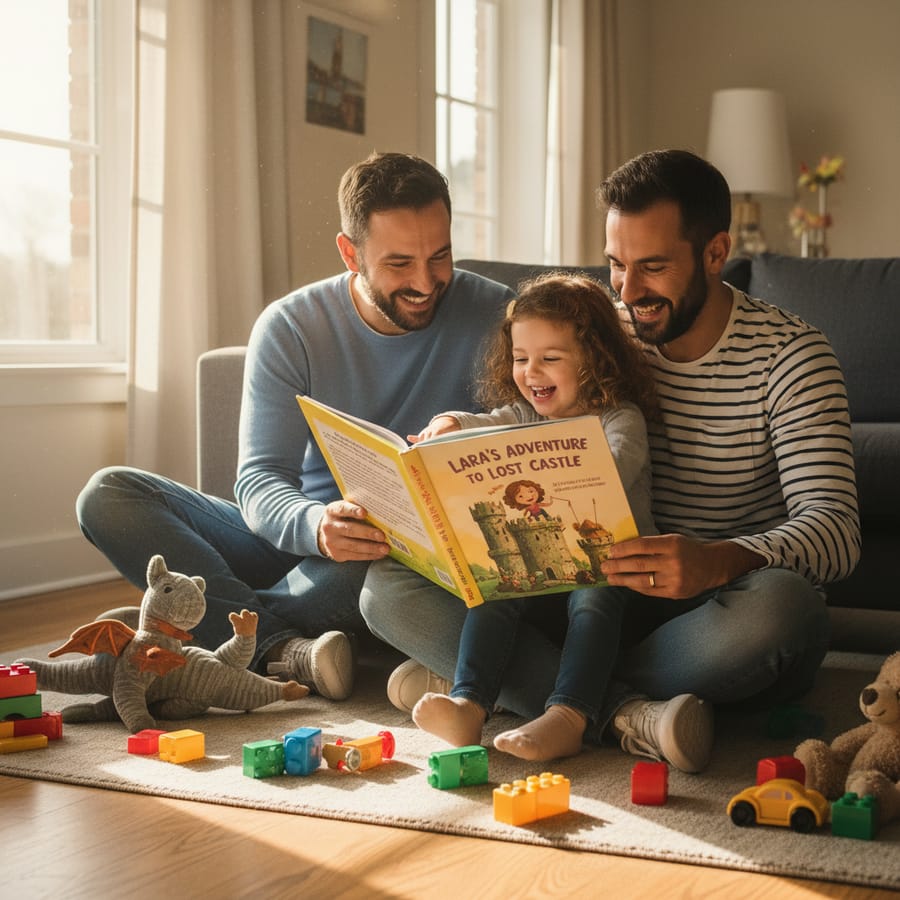
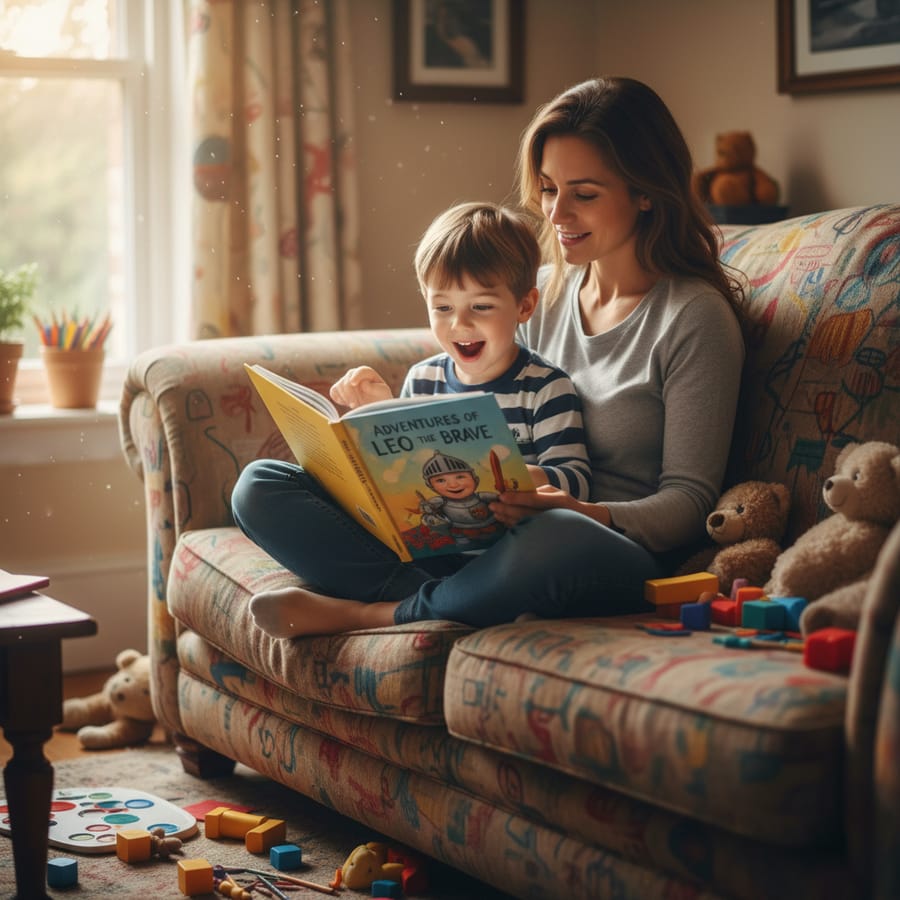
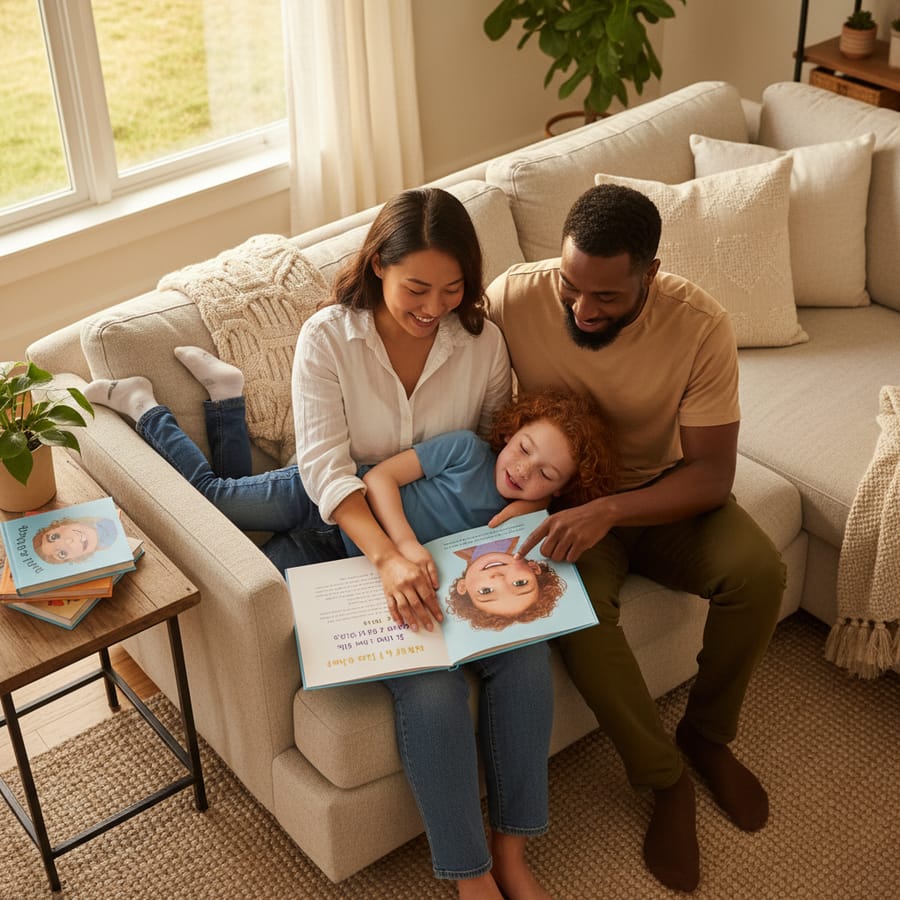
Imagine the look on your child’s face when they open a storybook and see themselves. Not just a character who looks a little bit like them, but a hero with their uploaded photo, embarking on a grand adventure. Now, imagine that story is told in both English and your family’s heritage language. This is the magic of Bilingual Personalized Books. As parents, we often struggle to find ways to make language learning feel like play rather than a chore. When your child becomes the star of the story, the words on the page suddenly matter more. They aren’t just learning a second language; they are living it. This emotional connection is the "secret sauce" that helps kids bridge the gap between two cultures while building a lifelong love for reading.
The Power of Bilingual Personalized Books in Early Development
When we talk about raising a bilingual child, we are talking about more than just vocabulary lists and grammar rules. We are talking about building a bridge between two worlds. Using Bilingual Personalized Books creates a unique cognitive environment where your child feels safe and excited to explore new sounds and meanings.
Research shows that children learn best when they can relate to the material; this is known as the "self-reference effect." When a child sees their own face in a book (thanks to the AI-generated illustrations we create at StorytimeHero.ai), their brain treats the information as highly relevant. If they see "their" character eating an "apple" in English and a "manzana" in Spanish, the brain stores that information more deeply than if it were a random cartoon character.
Personalization reduces the "cognitive load" of learning a second language. Instead of trying to figure out who the character is and what is happening, your child already knows the hero is them. This frees up their mental energy to focus on the dual-language text. It makes the transition between languages feel natural and fluid, rather than a jarring switch.
Fostering Identity with Bilingual Personalized Books
For many families, a second language is a heartbeat of their culture. It’s how we talk to grandparents, how we share traditional recipes, and how we pass down family history. However, in a world dominated by one primary language, children can sometimes feel a disconnect from their heritage. Bilingual Personalized Books serve as a powerful tool to reinforce a child’s cultural identity.
When your child is the hero of a story that uses their heritage language, it sends a clear message: "Your language is important, and you belong in these stories." This is especially vital for children from underrepresented backgrounds who may not often see people who look like them in mainstream media. By using custom avatars for kids that feature their real faces, we remove the "otherness" that can sometimes come with learning a minority language.
Think about the pride a child feels when they can read a page in their "home language" to a visiting relative. By placing them at the center of the narrative, you are giving them the confidence to own their bilingualism. They aren't just a kid who speaks two languages; they are a hero who navigates two worlds with ease. This sense of belonging is a key factor in long-term language retention. If a child feels proud of their language, they are much more likely to keep using it as they grow older.
How Bilingual Personalized Books Improve Vocabulary Retention
One of the biggest hurdles in language learning is "passive" vocabulary. This is when a child understands a word when they hear it but can’t quite bring themselves to use it in conversation. Bilingual Personalized Books help move words from the passive category to the active one.
Because these stories are personalized, the vocabulary often revolves around the child’s world. Whether they are exploring space, diving under the sea, or visiting a magical forest, the context is built around their actions. We know that reading habits for toddlers are formed through repetition and engagement. When a child asks to read "their" book for the tenth time in a row, they are getting the repetitive exposure needed to lock in new words.
The bilingual format allows for immediate "scaffolding." If your child hits a word they don't know in the target language, the English translation is right there to provide a safety net. This prevents frustration and keeps the story moving. Over time, you’ll notice them glancing at the English less and less as they start to recognize the patterns and sounds of the second language. This is how true fluency begins (not with flashcards), but with stories that matter.
The Science of Seeing Yourself in the Story
At StorytimeHero.ai, we use advanced AI to put your child’s uploaded photo into the illustrations. This isn't just a "cool feature," it's a pedagogical tool. When a child sees their own face, their amygdala (the part of the brain that handles emotions) lights up. This emotional engagement acts as a glue for memory.
In a bilingual context, this is revolutionary. Often, children might resist a second language because it feels "hard" or "different." But if the person speaking that language in the book is them, the resistance melts away. They are more likely to mimic the dialogue and repeat the phrases because they are literally putting words into their own mouths.
This level of engagement is what sets personalized storybooks apart from traditional library books. While we love the classics, there is something uniquely transformative about a book where the hero has your child’s nose, your child’s smile, and your child’s name. It turns a passive activity into an immersive experience.
Bridging the Generational Gap Through Stories
Many parents want their children to be bilingual so they can communicate with their extended family. There is a special kind of heartbreak when a grandchild and a grandparent can’t share a story because of a language barrier. Bilingual Personalized Books act as a perfect bridge for these moments.
Imagine a grandfather sitting with his grandson, looking at a book where the grandson is a knight fighting a dragon. The grandfather can read the text in his native language, while the child follows along, seeing himself in the action. It creates a shared experience that transcends the struggle of translation.
These books provide a structured way for non-English speaking relatives to participate in the child’s education. It gives them a role in the bedtime routine and allows them to pass down the nuances of their language (the idioms, the tone, and the rhythm), nuances that a translation app could never capture. You can learn more about the benefits of reading aloud to see how these shared moments impact emotional bonding.
Practical Tips for Using Bilingual Books at Home
If you’re ready to start using personalized stories to boost your child’s language skills, here are some actionable strategies to make the most of your reading time:
- The "One Person, One Language" (OPOL) Approach: If one parent speaks the heritage language and the other speaks English, take turns reading the respective sections of the book. This helps the child associate each language with a specific person.
- Point and Name: Since the book features your child’s face, use it to teach body parts and actions in both languages. "Where is [Child's Name]'s nose?" "Where is the nariz?"
- Ask Open-Ended Questions: Don't just read the text. Ask your child what "their" character is feeling or what they think will happen next, encouraging them to answer in the target language if possible.
- Record the Reading: If a grandparent lives far away, have them record themselves reading the heritage language portions of the personalized book. Your child can listen to it while looking at the pictures of themselves.
- Mix and Match: Don't feel like you have to read the whole book in both languages every time. Some nights, focus on the heritage language; other nights, read it as a bilingual blend.
Why AI Illustrations are a Game Changer for Bilingualism
In the past, personalized books were limited to generic avatars. You could pick a hair color or a skin tone, but it never truly looked like your child. With the advent of AI in children's literature, that has changed. We can now create high-quality, cinematic illustrations that feature your child’s actual likeness.
In the context of bilingualism, this visual accuracy is vital. It grounds the "foreign" language in the child’s "real" reality. When the illustrations are this realistic, the child doesn't just see a story; they see a possibility. They see themselves as a bilingual adventurer. This boost in self-esteem is just as important as the linguistic benefits. For more information on how to get started, check out our personalized children's books guide.
Creating a Language-Rich Environment
To truly see the benefits of bilingualism, the language needs to exist outside of "study time." It needs to be part of the home's fabric. Personalized books help by making the language part of the most intimate time of the day: bedtime.
When a child is relaxed and snuggled up with a parent, their brain is in a "theta state," which is highly receptive to new information. By introducing bilingual concepts during this time, you are bypassing the "filter" that often makes older children or adults struggle with new languages. You are making the second language a source of comfort and love, rather than a source of stress.
Frequently Asked Questions
How does personalization help my child learn a second language?
Personalization uses the "self-reference effect," which makes the brain prioritize information related to oneself. When a child sees their own face as the hero, they are more engaged and more likely to remember the vocabulary and sentence structures used in the story.
What if I don't speak the second language perfectly?
That's the beauty of bilingual books! The text is there to guide you. You and your child can learn together. The goal isn't perfect grammar from day one; it's about exposure, curiosity, and building a positive association with the language.
Are these books suitable for kids who are already fluent in two languages?
Absolutely. For fluent children, these books serve as a way to build literacy skills (reading and writing) in both languages. It also reinforces their dual identity and provides them with stories where they are represented as the protagonist.
How do I get my child's face into the book?
At StorytimeHero.ai, the process is simple. You upload a few photos of your child, and our AI generates consistent, beautiful illustrations of them throughout the entire adventure. You can choose the theme and the languages to create a truly one-of-a-kind gift.
What age group is best for bilingual personalized books?
While children of all ages love seeing themselves in books, the "sweet spot" for language acquisition is between ages 2 and 8. This is when the brain is most flexible and can pick up the sounds and rhythms of a second language most naturally.
Free preview checklist
Get the personalized book gift checklist
Know what photo to use, what to write in the dedication, and what to review before ordering.