Representation in Personalized Books: Why It Matters
Start a cover preview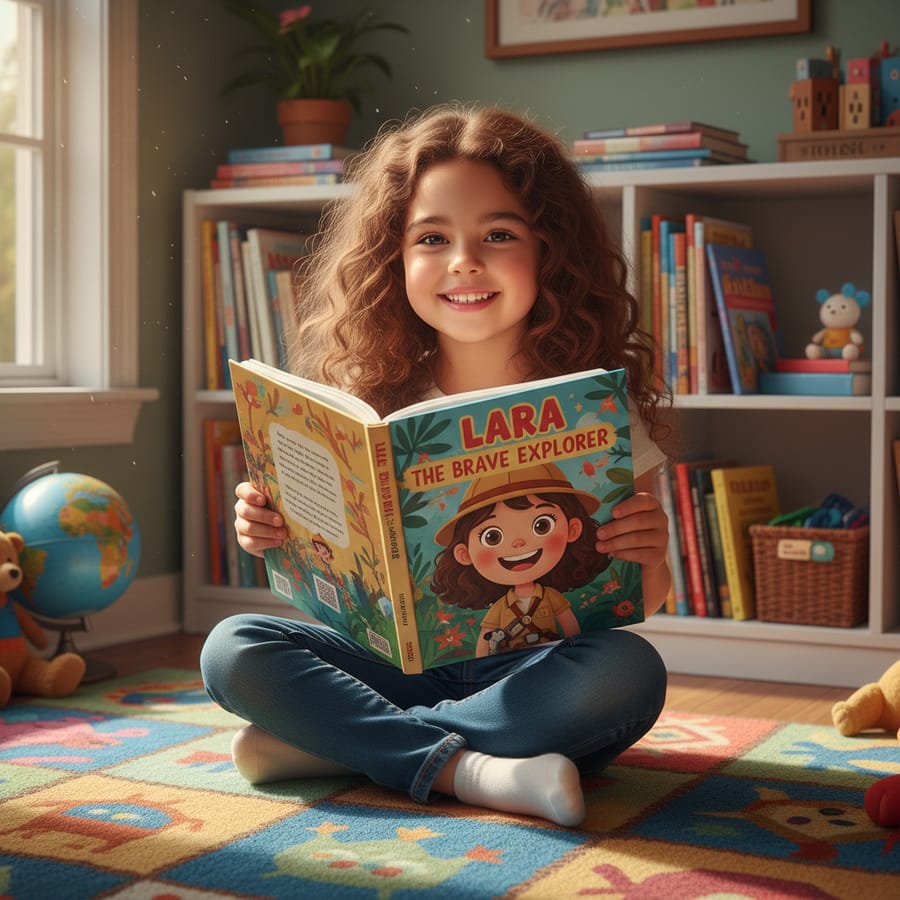
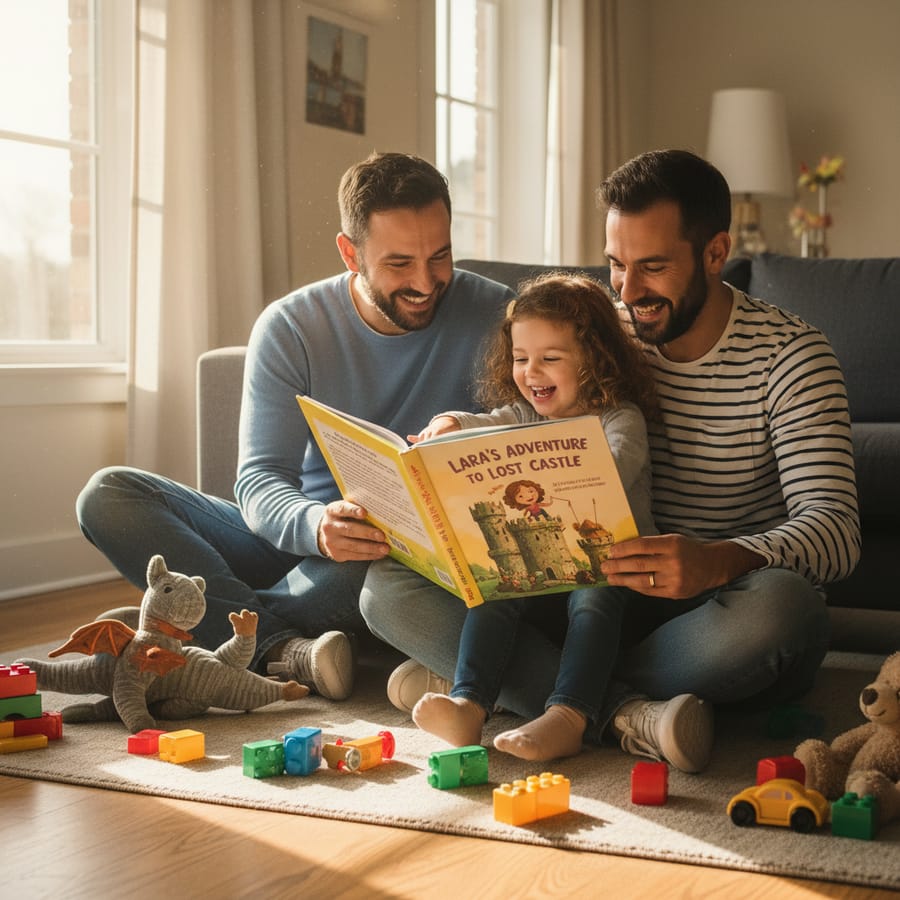
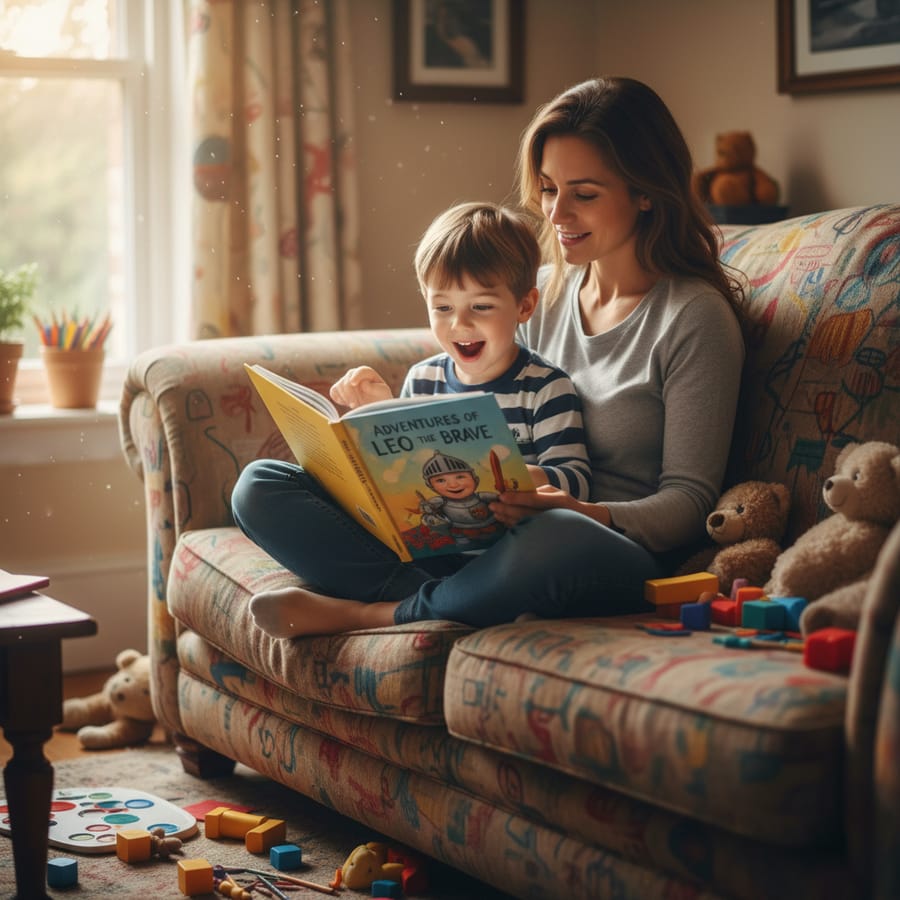
Imagine your child sitting on your lap, eyes wide as you open a brand-new book. You start reading, and suddenly, their jaw drops. It’s not just a character who shares their name or likes their favorite color. It is them. Their face, their smile, and their unique features are right there on the page, battling dragons or exploring distant planets. This moment is more than just a fun surprise; it is a powerful building block for their identity. Representation in personalized books is a topic that goes far beyond just seeing a name in print. It is about validating a child’s existence and showing them that they are worthy of being the hero of any story.
For years, many children looked at bookshelves and saw characters who looked nothing like them. While the world of children’s literature is changing for the better, there is still a gap. Personalized books have stepped in to fill that void, but even then, many only change a name or allow you to pick from three generic hairstyles. At StorytimeHero.ai, we believe that true representation means seeing your actual self in the narrative. When we talk about why representation in personalized books matters, we are talking about the deep psychological impact of a child recognizing themselves as the center of a grand adventure.
Why Representation in Personalized Books is a Game-Changer
In the world of education and child psychology, there is a famous concept called "Mirrors, Windows, and Sliding Glass Doors." This idea, introduced by Dr. Rudine Sims Bishop, suggests that children need books that act as mirrors (to see themselves), windows (to see others), and sliding glass doors (to step into new worlds).
For a long time, the "mirror" part of that equation was missing for many kids. If a child never sees a hero who looks like them—whether that means their skin tone, their hair texture, or even the shape of their glasses—they can subconsciously begin to feel like they aren't "hero material." They might start to think that the big adventures are reserved for someone else.
Representation in personalized books changes this dynamic instantly. By using AI to weave your child’s uploaded photo into the illustrations, we aren't just giving them a mirror; we are giving them a spotlight. This level of personalization tells the child, "You belong in this story. You are capable of these feats. You are the hero." This is especially vital for children from underrepresented backgrounds who may still struggle to find characters in mainstream media that truly reflect their lived reality.
When a child sees themselves in a story, the narrative becomes personal. They aren't just observing a character’s journey; they are experiencing it. This deepens their connection to the material and makes the lessons within the story—whether about bravery, kindness, or curiosity—stick much better than a generic tale might.
How Seeing Themselves in Stories Boosts Self-Esteem
Every parent wants their child to grow up with a healthy sense of self-worth. We tell them they are special, but the media they consume often has a louder voice. If the books on their shelf only feature one type of person, the message they receive is that only that type of person is important.
When you prioritize representation in personalized books, you are actively combatting those external pressures. Research has shown that when children see themselves represented positively in media, it significantly boosts their self-esteem. It validates their identity.
Think about a child who has always felt a little bit like an outsider. Maybe they have a unique physical trait or they belong to a minority group. When they open a book and see their own face as a brave knight or a brilliant scientist, it reshapes their internal monologue. Instead of thinking "I wish I looked like that hero," they think "I am that hero."
This boost in self-esteem carries over into the real world. A child who feels like a hero in their favorite book is more likely to carry that confidence into the classroom, onto the playground, and into their friendships. They learn that their story matters. You can learn more about how this affects development in our personalized children's books hub.
The Impact of Representation on Early Literacy and Engagement
We’ve all been there: trying to get a wiggly toddler or a distracted preschooler to sit still for a story. Sometimes, it feels like a losing battle. However, there is a "magic trick" to engagement, and it’s all about relevance.
Children are naturally ego-centric in their early years. They are the center of their own universe. When you bring in representation in personalized books, you are tapping into that natural developmental stage. A child who might normally lose interest after three pages will be glued to the book if they are looking for their own face on the next page.
This engagement is the first step toward a lifelong love of reading. When a child associates books with the excitement of seeing themselves, they begin to view reading as a rewarding activity rather than a chore. This is one of the many benefits of reading for kids that goes beyond just learning to decode words.
By increasing engagement, you are also improving:
- Reading Comprehension: Children pay closer attention to the plot when they are the protagonist.
- Vocabulary Growth: They are more likely to ask questions about the words describing "their" actions.
- Narrative Skills: They learn how stories are structured because they are living through the beginning, middle, and end.
When the story is about them, the stakes are higher. They want to know if they find the treasure or if they save the day. That curiosity is the engine of literacy.
Moving Beyond Names: The Power of Visual Representation in Personalized Books
In the past, a "personalized book" usually meant you typed in a name, and the printer swapped "Charlie" for "Oliver." While that’s a nice touch, it doesn't offer true representation. A name is just a label; a face is an identity.
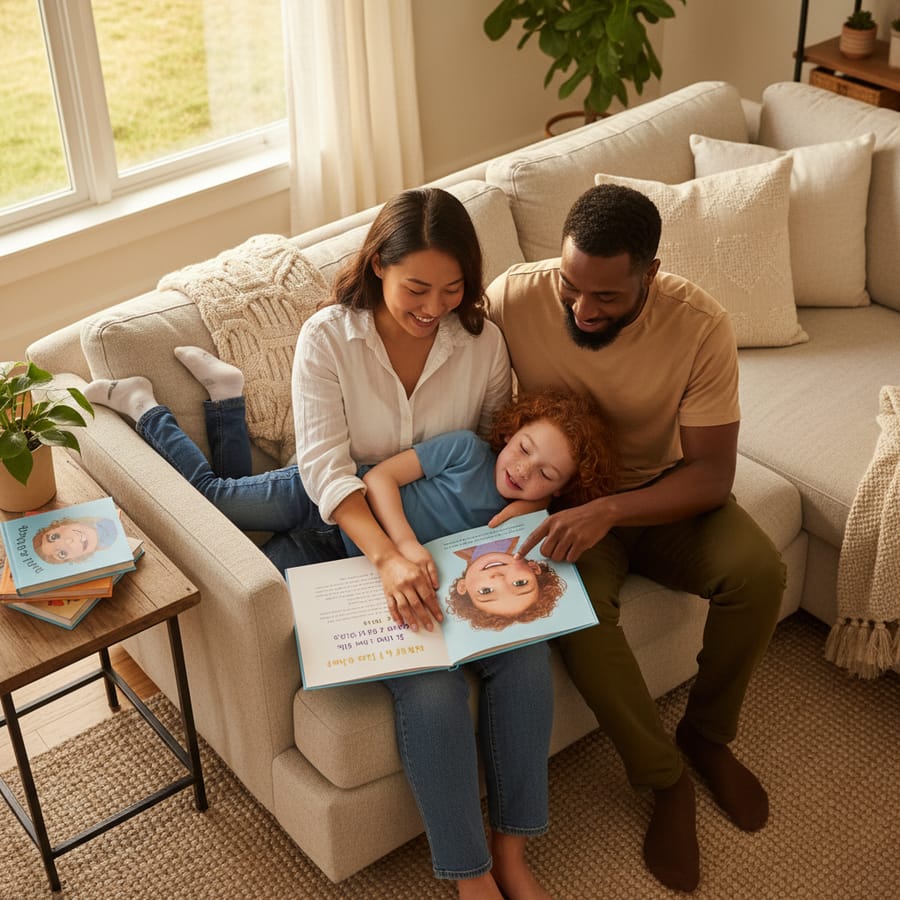
True representation in personalized books requires a visual connection. This is where modern technology has changed the game for parents. With AI-generated illustrations, we can now create a character that isn't just a generic cartoon, but a true likeness of your child.
This matters because children are visual learners. They notice the small details. They notice if the character has the same curly hair they do, or the same birthmark, or the same gap in their teeth. When these details are captured, the "magic" of the book becomes real.
Using how AI creates storybooks, we can ensure that every child—regardless of their ethnicity, physical abilities, or unique features—is represented accurately. This level of inclusion was nearly impossible with traditional printing methods, but today, it is becoming the new standard for meaningful gift-giving.
Helping Your Child Build Empathy Through Diverse Stories
While it is crucial for a child to see themselves, it is equally important for them to understand that everyone else is the hero of their own story, too. Representation isn't just about "me"; it’s about "us."
When you fill your home library with a mix of personalized books and stories about people from different backgrounds, you are teaching empathy. Your child learns that while they are the hero of their book, their friend or neighbor is the hero of theirs.
You can use personalized books to explore different cultures or scenarios. For example, you could create a story where your child travels to a different country or learns a new language. Because they are the ones in the story, they feel a more direct connection to the new cultures and ideas they are encountering. This makes the lessons of empathy and global citizenship feel much more tangible.
This is a great strategy to include in your bedtime stories for toddlers, as it helps them process the world in a safe, loving environment before they go to sleep.
Practical Tips for Choosing Representative Books
As a parent, you have the power to curate your child's world. Here are some practical ways to ensure your child is getting the representation they need:
- Audit Your Bookshelf: Take a look at the books you currently have. Do the characters look like your child? Do they look like the world around them? Aim for a 50/50 split between "mirror" books and "window" books.
- Look for Genuine Personalization: When buying personalized gifts, look for options that allow for visual representation, not just name changes.
- Support Diverse Authors: Seek out stories written by people from the communities they are writing about.
- Talk About the Illustrations: When you see a character that looks like your child (or someone they know), point it out! Ask them, "Doesn't that hero have a brave smile just like yours?"
- Use Books for Milestones: Personalized books are excellent personalized gifts for children celebrating birthdays, starting school, or becoming a big sibling. Seeing themselves succeed in these roles in a book helps them succeed in real life.
The Science of Recognition and Identity
Why does a child’s brain react so strongly to seeing their own face? It comes down to the "Self-Reference Effect." This is a psychological phenomenon where people remember information better when it is related to themselves.
When a child sees their face in a book, their brain flips a switch. The "amygdala" and "medial prefrontal cortex"—areas of the brain associated with emotion and self-processing—light up. This makes the experience of reading deeply emotional and highly memorable.
By prioritizing representation in personalized books, you are essentially "hacking" the learning process. You are making the information more relevant, which makes the child more likely to internalize the positive messages within the story. If the story is about being brave in the dark, and the child sees themselves being brave, they are much more likely to believe they can do it too.
Creating a Legacy of Belonging
At the end of the day, we want our children to feel like they belong in the world. We want them to feel seen, heard, and valued. Books are one of the earliest ways we show them what the world is like.
If their books don't include them, we are unintentionally telling them they don't belong in the world of imagination and achievement. But when we embrace representation in personalized books, we are giving them a permanent record of their own potential.
These books often become family keepsakes. They are tucked away in memory boxes and brought out years later. When your child is an adult and looks back at a book where they were the hero, they won't just remember a story. They will remember the feeling of being supported and the confidence that came from knowing they were the star of their own life.
Frequently Asked Questions
Related Reading
- The Psychological Benefits of Personalized Storytelling
- How to Choose the Perfect Gift for a 5-Year-Old
- Building a Diverse Home Library: A Parent’s Guide
- The Future of AI in Children’s Literature
- Why Bedtime Stories are Essential for Brain Development
- How to Use Stories to Teach Your Child About Bravery
- Personalized Books vs. Traditional Books: Which is Better?
Free preview checklist
Get the personalized book gift checklist
Know what photo to use, what to write in the dedication, and what to review before ordering.