How Personalization Evolves the Picture Book | StorytimeHero
Upload a photo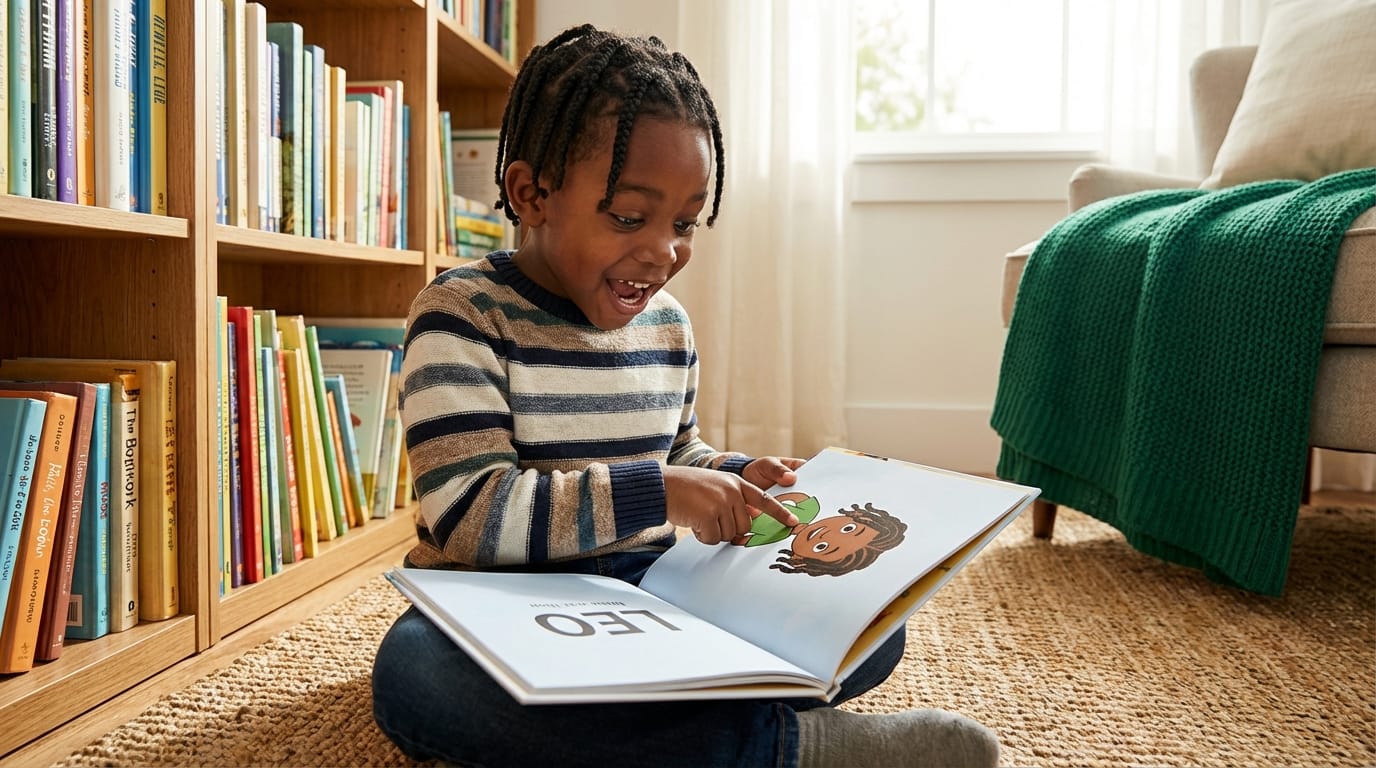
For decades, the traditional picture book has served as a child’s first window into the wider world. It is through these glossy pages and vibrant illustrations that toddlers and school-aged children first encounter the concepts of friendship, bravery, and the rhythms of daily life. However, as our understanding of childhood development and identity grows, the format of the picture book is undergoing a profound transformation.
We are moving away from "one-size-fits-all" narratives and toward stories that acknowledge the beautiful complexity of every individual brain, heritage, and emotional landscape. At the heart of this shift is the rise of personalized books—a medium that doesn't just ask a child to look through a window, but invites them to step through a door into a world where they are the undeniable center.
In {YEAR}, the conversation around the picture book has shifted. It is no longer enough for a book to simply be "for children." Today's parents and educators are looking for stories that address specific needs: neurodivergence, cultural celebration, and sensory comfort. By synthesizing these modern needs with the power of personalization, we are witnessing a new era of storytelling that validates a child’s existence in a way that traditional media often misses.
Validating the Neurodivergent Experience
One of the most significant shifts in modern literature is the increasing visibility of neurodivergent characters. Whether a story explores the sensory world of a child with autism, the rhythmic hurdles of a stutter, or the unique "curiosities" of Tourette’s, these books provide a vital service. They tell children that their brains are not "broken," but simply wired differently.
However, even the most beautifully written book about a neurodivergent character is still a story about someone else. This is where the impact of personalization becomes truly transformative. When a child who experiences the world through a specific sensory lens sees themselves—their name, their likeness, and their specific challenges—navigated successfully within a story, the psychological "click" is powerful.
For example, a child who finds certain environments overwhelming might struggle to connect with a high-energy adventure story. A personalized picture book can be tailored to mirror their pace. By centering the narrative on a protagonist who shares the reader's name, personalization helps bridge the gap between "I see you" and "I am you." It allows children to rehearse social routines or emotional responses in a safe, controlled environment. This is a key reason why personalized books for autism and ADHD have become such an essential tool for modern parents; they provide a customized roadmap for navigating a world that isn't always designed for neurodiversity.
Moving from History to Everyday Cultural Joy
Another major trend in the evolution of the picture book is the push for year-round representation of diverse cultures. For too long, stories featuring children of color were often relegated to specific months or focused primarily on historical struggles. While history is vital, modern storytelling is shifting toward "Black joy"—the celebration of everyday life, from the artistry of a haircut to the simple delight of a new outfit.
Personalization acts as a catalyst for this movement. It ensures that a child’s heritage isn't just a "topic" to be studied, but a fundamental part of their personal hero’s journey. When we create stories that feature a child’s own family structure and cultural markers, we move away from the "othering" of diverse experiences.
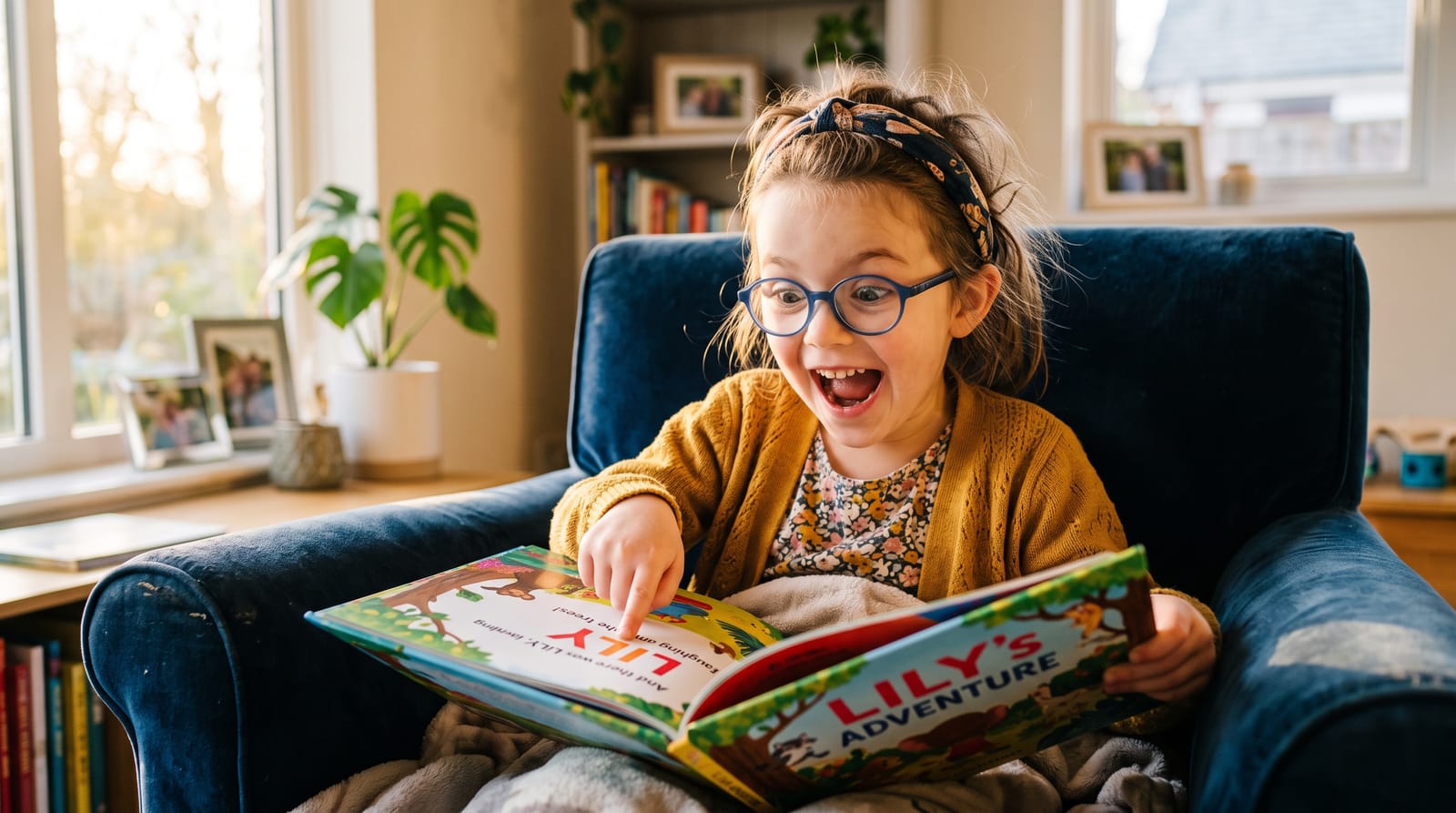
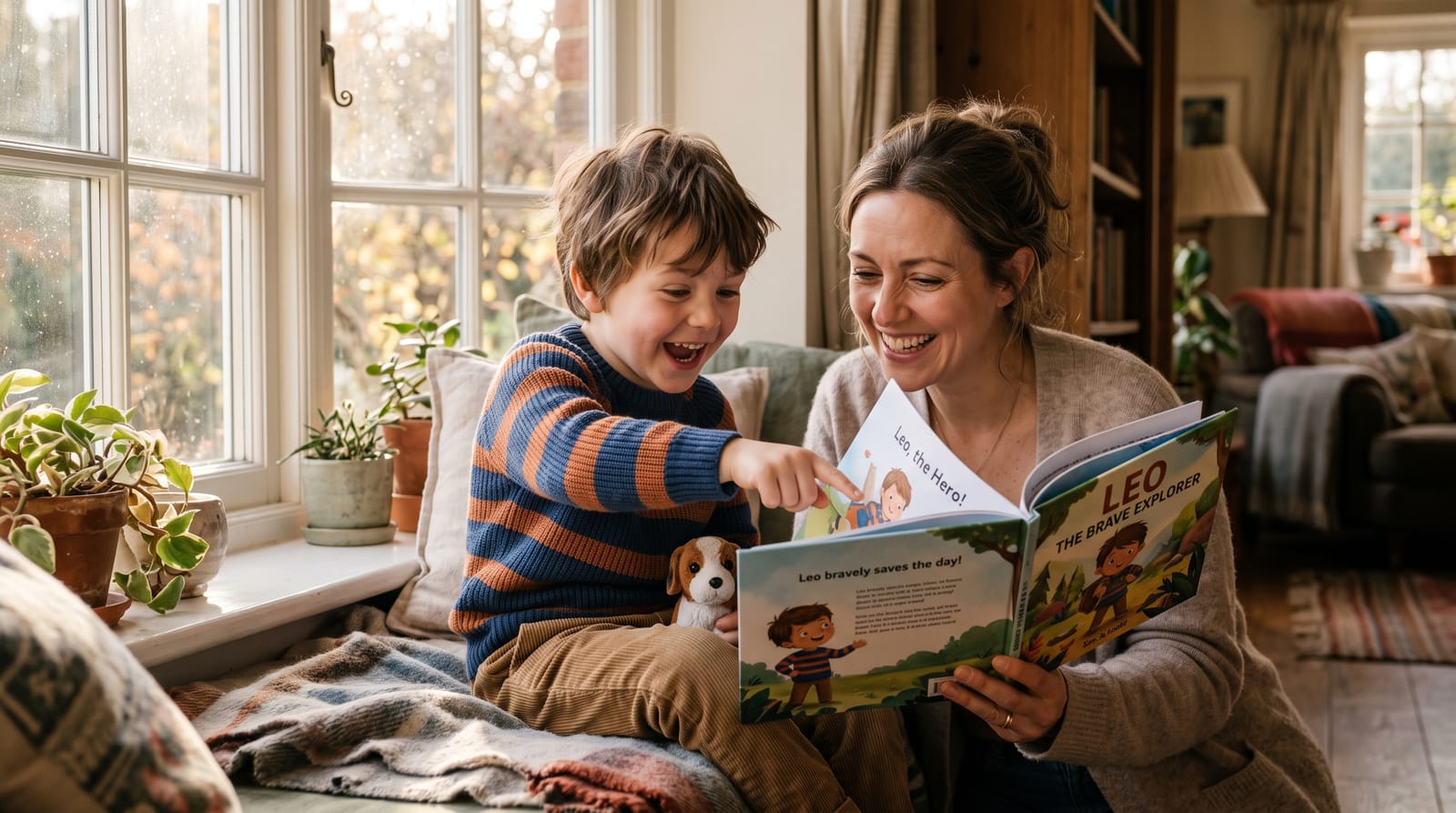
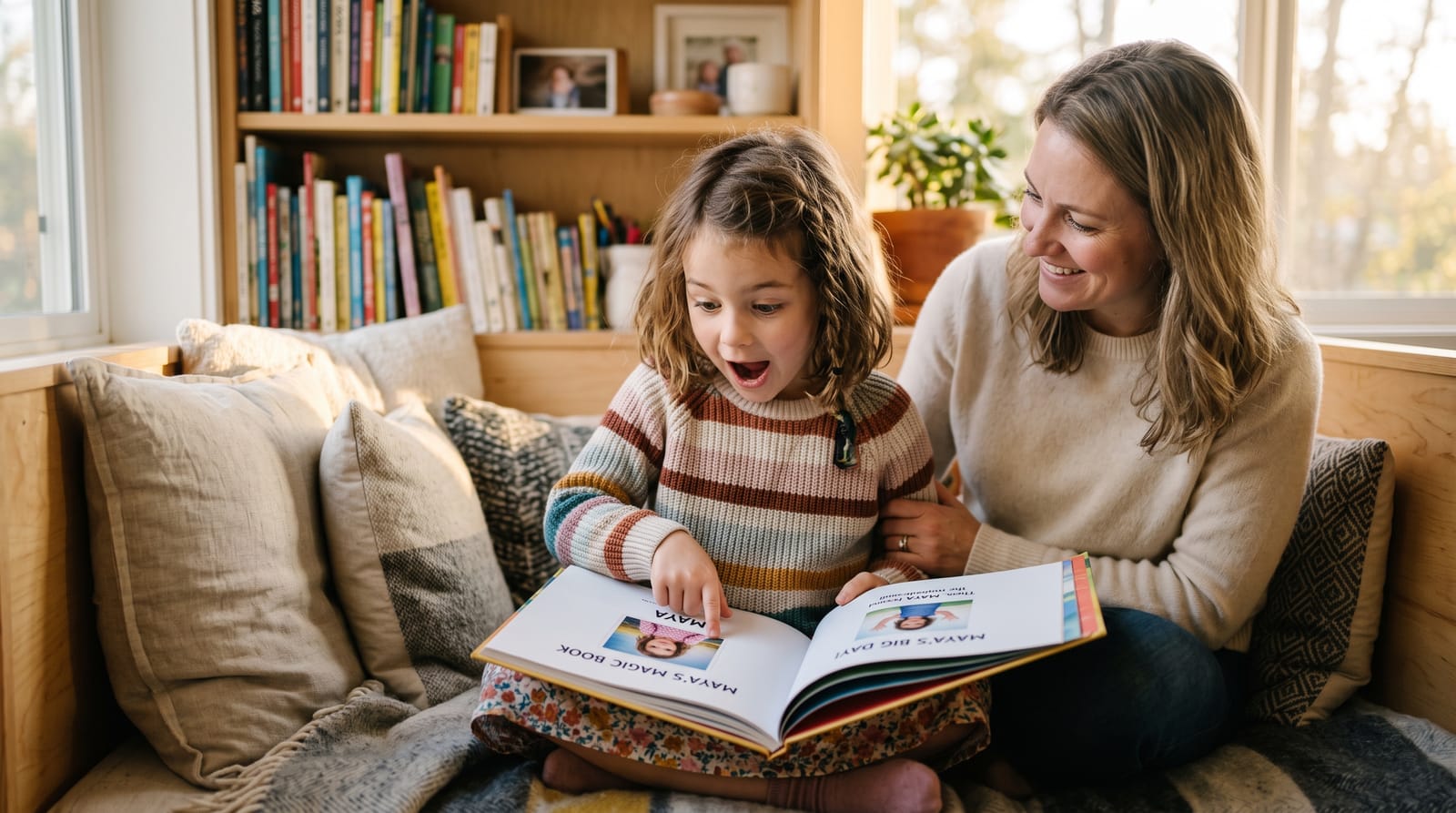
By making a child the star of a story that celebrates their specific world, we reinforce the idea that their joy is worthy of a whole book. This sense of belonging is a cornerstone of what we do at StorytimeHero. We believe that when a child sees themselves as the protagonist in a story about creativity, family, or adventure, it builds a foundation of confidence that lasts a lifetime. This deep connection is further explored in our look at how personalization redefines the picture book experience, moving it from a passive activity to an active celebration of identity.
The Architecture of Comfort: Sensory and "Cozy" Reading
In a world that often feels loud, fast, and unpredictable, the concept of the "cozy" picture book has gained immense popularity. These are books that prioritize a "hominess vortex"—stories filled with sensory details like the texture of a knitted sweater, the smell of rain, or the warmth of a fireplace. These books aren't just about the plot; they are about the feeling of being safe and loved.
Personalization enhances this "cozy" factor by creating a literal sense of belonging. When a child’s name is woven into a narrative about a rainy day spent indoors or a snowy adventure shared with loved ones, the book becomes a physical manifestation of comfort. It’s no longer just a story about a "cozy house"; it’s a story about their cozy house.
This sensory-focused storytelling is particularly effective for bedtime routines. A personalized book can act as a transition from the busyness of the day to the quiet of the night, grounding the child in a narrative where they are safe, valued, and home. Parents often find that personalized stories build confidence because they provide a consistent, positive reflection of the child’s world, which is the ultimate form of emotional "coziness."
Why Personalization is the "Next Chapter" for Picture Books
The traditional picture book will always have its place, but the "personalized book" is quickly becoming a necessary companion in the modern child's library. Why? Because it addresses the fundamental human need to be seen and understood.
- Direct Engagement: In an era of digital distractions, a book that features the reader's name has a unique ability to capture attention. The "name-recognition effect" isn't just a gimmick; it’s a cognitive hook that increases focus and retention.
- Emotional Safety: For children facing anxiety or big life changes, seeing their "book self" navigate these hurdles provides a blueprint for their "real self."
- The Architecture of Belonging: Every child deserves to feel like they are the hero of a story. For children who rarely see themselves represented in mainstream media—whether due to their family structure, their physical abilities, or their neurotype—personalization isn't just a gift; it’s a validation of their existence.
As we continue to develop new narratives at StorytimeHero, we focus on the architecture of belonging in family books. We understand that a book is more than just paper and ink; it’s a tool for building a child’s self-image.
Crafting a Personalized Library for {YEAR}
If you are looking to evolve your child’s reading experience, consider how you can mix traditional classics with personalized gems. Here is how to approach it:
- Identify the Gaps: Look at your current bookshelf. Are there voices missing? Are there specific challenges your child is facing—like a "bad speech day" or a fear of the dark—that aren't being addressed?
- Focus on Joy: Seek out personalized books that celebrate the mundane. A story about your child making a sandwich or playing in the park can be just as impactful as an epic fantasy.
- Embrace the Sensory: Choose books with descriptive language that invites your child to use their senses. When that language is paired with their own name, the immersion is complete.
The modern picture book is a living, breathing entity. It is evolving to be more inclusive, more empathetic, and more personal. By embracing these changes, we provide our children with more than just a bedtime story; we give them a mirror that reflects their best, most heroic selves.
***
Frequently Asked Questions
Related Reading
Free preview checklist
Get the personalized book gift checklist
Know what photo to use, what to write in the dedication, and what to review before ordering.