How Personalization Deepens the Picture Book Experience | StorytimeHero
Upload a photo
The landscape of the modern picture book is undergoing a quiet, beautiful transformation. For decades, these books served primarily as windows—ways for children to look out into worlds different from their own. But as we move through {YEAR}, the focus has shifted. Today’s parents and educators are looking for "mirrors"—stories that reflect a child’s specific reality, their unique brain wiring, and their cultural joy.
While the publishing industry has made strides in diversity and inclusion, there is a final frontier in making a child feel truly seen: personalization. When a child isn’t just reading about a character who shares their challenges or triumphs, but is actually the protagonist of that journey, the psychological and emotional impact deepens significantly.
The Neuro-Affirming Shift: Validating Every Brain
One of the most profound trends in the contemporary picture book world is the move toward neuro-affirming narratives. We are beginning to understand that every child’s brain processes the world through a unique lens. Some children experience the world like a rushing river; others find themselves accompanied by a whirlwind of "curiosities" or sensory inputs that the rest of the world might not notice.
In traditional literature, stories about neurodivergence often focus on the "challenge" of being different. However, the newest wave of storytelling focuses on the "joy and resistance" found within those differences. It’s about creating spaces where a child who stutters, a child with ADHD, or a child on the autism spectrum feels like their way of being is not just "accepted," but celebrated.
Personalized books take this a step further. When a child with a specific sensory profile sees their own name in a story that validates their "bad speech days" or their need for a quiet "comfort box," the narrative shifts from an external lesson to an internal truth. By utilizing ADHD-specific story structures to rehearse routines, personalization allows children to practice navigating a world that wasn't always designed for them, but does have a place for them.
Moving Beyond "Special Months" to Everyday Joy
For too long, diverse representation in children’s literature was relegated to specific calendar months. We looked for stories of Black excellence in February or neurodiversity in April. The current movement in the picture book community is a push for year-round celebration—a "routine of delight" that highlights culture, clothing, hair, and community as everyday markers of a life well-lived.
The most impactful stories today are those that offer a break from "constant reliving of horrors" and instead lean into the celebratory. They are stories about a grandfather’s art studio, the rhythm of a basketball game, or the bright, cheerful flair of a fashion designer who refused to dim his light.
When we integrate personalization into these celebratory themes, we do something powerful: we place the child at the center of a legacy of joy. A picture book that features a child’s likeness or name amidst a celebration of their heritage creates a sense of "historical and modern belonging." It tells the child that they are not just a spectator of their culture’s greatness, but a vital, living part of its ongoing story. This is a core component of how personalization reimagines the modern picture book, moving it from a static object to a dynamic tool for identity building.
The Architecture of Comfort: Sensory Storytelling
What makes a picture book feel "cozy"? It isn't just a drawing of a fireplace or a snowy window. True coziness in literature is built through "sensory details"—the visual pattern of a knitted sweater, the descriptive language of a cold wind, or the warm color palette that makes a reader feel safe.
In {YEAR}, parents are increasingly using books as a "hominess vortex," a way to combat the overwhelming nature of the outside world. Whether it’s the "hygge" vibes of a winter tale or the gentle rhythm of a bedtime story, the goal is to create a "haven" for the child.
Personalization enhances this "architecture of comfort" by anchoring the sensory experience to the child’s own life. Imagine a story where the "extra yarn" or the "twinkly lights" are being enjoyed by the child themselves. By tailoring the environment of the story to reflect a child’s real-world comforts, personalized books become more than just a reading exercise; they become a predictable, safe ritual. This is why many families are finding that personalized winter picture books are becoming the "anchor" of their seasonal traditions, providing a sense of peace that standard books can’t quite match.
Why Personalization is the "Next Level" of Inclusion
The traditional picture book is a masterpiece of art and prose, but it is, by definition, a "one-to-many" medium. Personalization transforms it into a "one-to-one" experience. This shift is particularly vital for children who have historically been sidelined in mainstream media.
1. The Name-Recognition Effect
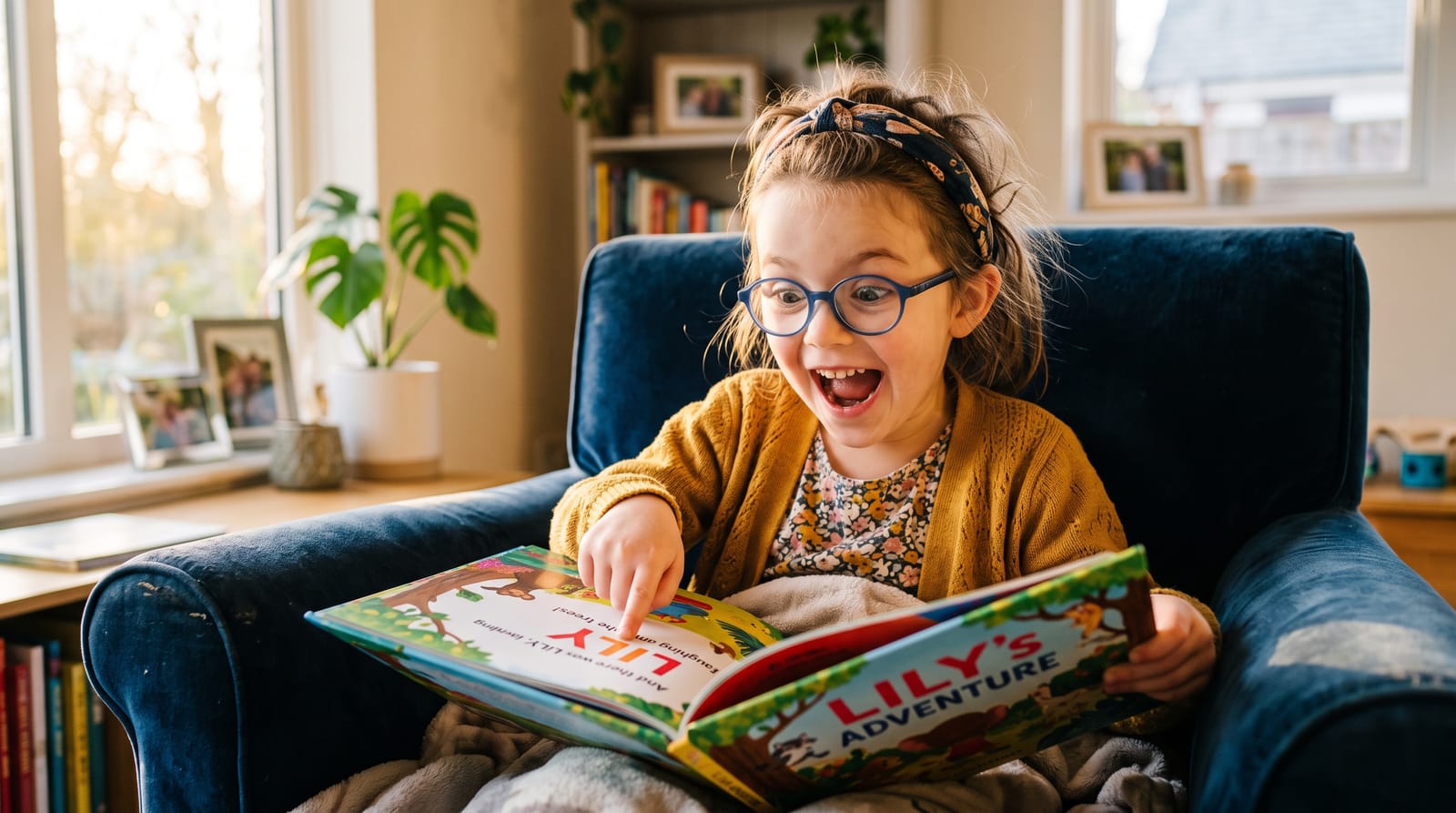
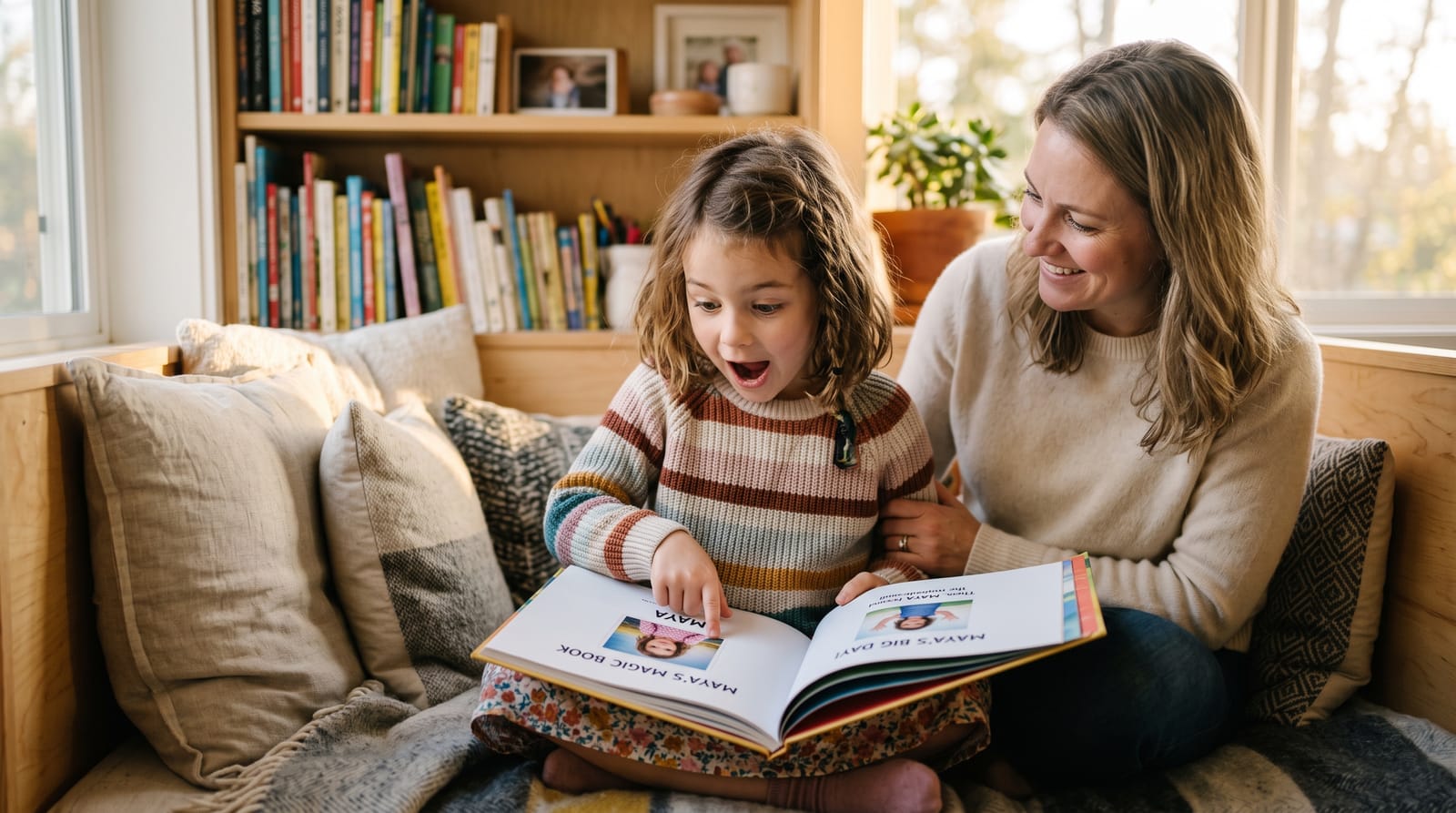
When a child sees their name in print, their level of engagement spikes. This isn't just about vanity; it’s about "cognitive relevance." For a child who may struggle with focus or who feels "othered" by society, seeing their name as the hero of a story provides an immediate sense of authority and ownership over the narrative.
2. Tailoring the "Interior Weather"
Every child has what we might call "interior weather"—the moods, anxieties, and curiosities that define their day. Personalized books allow parents to choose stories that match that weather. If a child is feeling anxious about a new school, the story can be adjusted to reflect that specific transition. If a child is celebrating a milestone, the book becomes a permanent monument to that achievement.
3. Strengthening the Family Bond
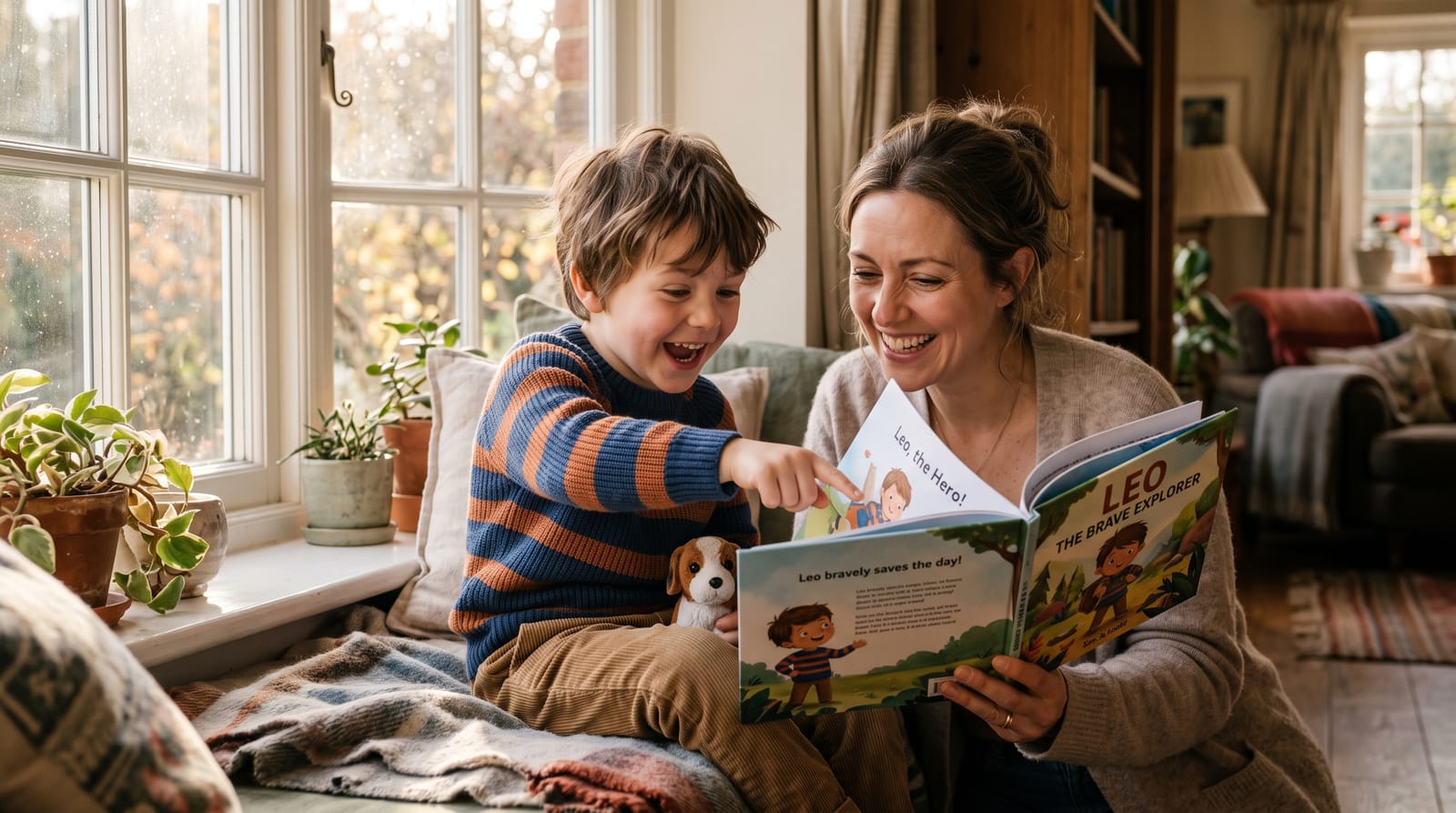
Reading is a communal act. When a parent reads a personalized book to a child, they are participating in a shared acknowledgement of the child’s importance. StorytimeHero focuses on this "warm, helpful" connection, ensuring that the book serves as a bridge between the parent’s love and the child’s developing self-esteem. As we explore in our guide on how personalized books support parenting goals, the story becomes a collaborative tool for building confidence.
The Future of the Picture Book in {YEAR}
As we look toward the future of storytelling, the line between "author" and "reader" is blurring. Technology now allows us to create high-quality, beautiful, and artistic books that are as unique as the children who read them. At StorytimeHero, we believe that the picture book of the future isn't just something you buy off a shelf—it’s something you help shape.
By combining the artistic integrity of traditional illustration with the heart-centered focus of personalization, we can address the gaps that have existed in children's literature for far too long. We can create a world where every child, regardless of their brain wiring, their background, or their "interior weather," can open a book and see a hero who looks, acts, and feels exactly like them.
FAQ: What Parents Ask About Personalized Picture Books
Q: Do personalized books actually help with reading development?
A: Yes! Research into the "name-recognition effect" shows that children are often more motivated to decode words and follow a narrative when the story is about them. It increases "attention and motivation," which are key pillars of early literacy.
Q: Can personalized books address "heavy" topics like neurodivergence or anxiety?
A: Absolutely. In fact, personalization is one of the best ways to tackle these topics because it allows the child to "rehearse" social situations or emotional responses in a safe, fictionalized version of their own life. It turns a scary topic into a "brave story" where they are already the winner.
Q: Is a personalized book as "high quality" as a traditional picture book?
A: It depends on the creator, but at StorytimeHero, we prioritize "sensory-rich illustrations" and professional-grade prose. Our goal is to match the "cozy, artistic" feel of the best-selling books you’d find in a boutique bookstore, just with your child as the star.
Q: How do I choose the right "vibe" for my child's book?
A: Consider your child's current "interior weather." If they need comfort, look for "cozy" themes with warm palettes. If they need a boost of confidence, look for adventure-themed narratives. The beauty of personalization is that you can match the book to the child’s specific emotional needs.
Related Reading
- How Personalization Reimagines the Picture Book
- Personalized Winter Picture Books: A Guide to Cozy Reading
- ADHD: Using Stories to Rehearse Routines
- The Power of Attention + Motivation in Personalized Books
- How Personalized Books Support Parenting Goals
***
In a world that often asks children to fit into pre-made boxes, the picture book remains a sanctuary of possibility. By embracing personalization, we aren't just giving children a story; we are giving them the gift of belonging—to their families, to their cultures, and most importantly, to themselves. Whether it’s through the "rhythm of a river" or the "extra yarn" of a cozy afternoon, every child deserves to be the hero of their own story in {YEAR} and beyond.
Free preview checklist
Get the personalized book gift checklist
Know what photo to use, what to write in the dedication, and what to review before ordering.