Personalization and the Modern Picture Book | StorytimeHero
Upload a photo
The magic of a traditional picture book is undeniable. For generations, these vibrant volumes have served as a child’s first gallery, their first theater, and their first window into worlds beyond their own backyard. But as we move further into {YEAR}, a significant shift is occurring in how families engage with these stories. We are moving from a model of observation—where children watch a character navigate a journey—to a model of immersion, where the child is the heartbeat of the narrative.
Personalized books are not merely a tech-driven novelty; they are a meaningful evolution of the picture book medium. By weaving a child’s identity directly into the fabric of the story, these books address several core needs in early childhood development, from cultural representation to emotional security.
The Power of Seeing One’s Self: Beyond Simple Representation
In recent years, the literary community has rightly emphasized the importance of diverse voices in children’s literature. It is vital for children to encounter stories that celebrate a wide array of backgrounds, fashions, and heritages. However, personalization takes this a step further.
When a child sees a character who shares their name, their hair texture, or their family structure, the story ceases to be a "lesson" and becomes a personal manifesto. For children from underrepresented communities, this is particularly profound. While a standard picture book might offer a beautiful window into cultural celebrations or historical milestones, a personalized book offers a mirror.
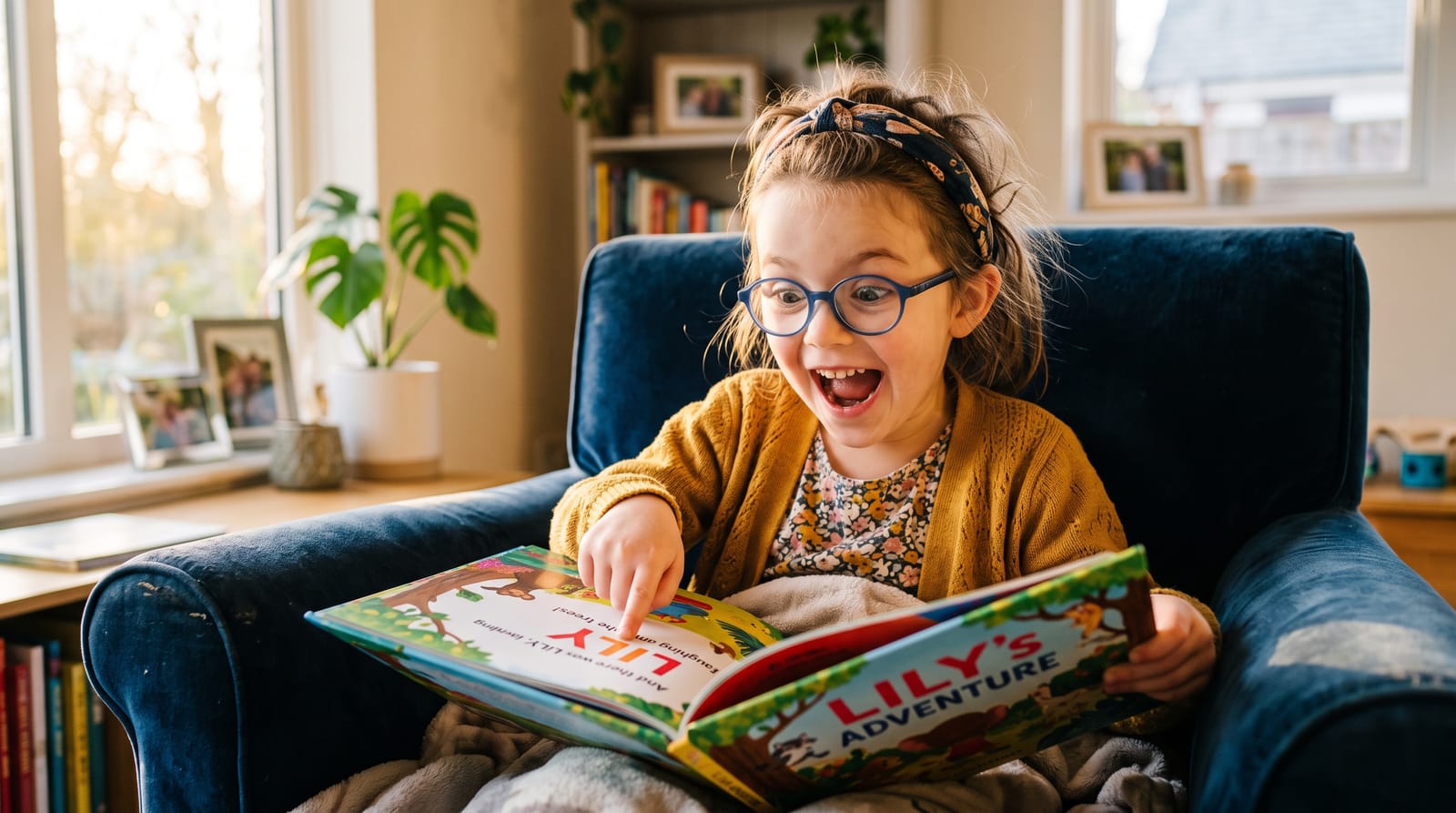
Instead of reading about a hero who looks like them, the child is the hero. This shift from "they can do it" to "I am doing it" builds a foundational sense of agency. When we talk about how personalization enhances the picture book experience, we are really talking about the psychological impact of belonging. It validates a child’s existence within the world of imagination, signaling that their story is just as worthy of being told as any legendary figure or fictional adventurer.
Creating an Atmosphere of Emotional Safety (The "Cozy" Factor)
There is a specific kind of magic found in "cozy" literature. You know the feeling: the soft glow of a lamp, a heavy blanket, and a story that feels like a warm hug. Traditionally, this atmosphere is created through sensory descriptions—the smell of cocoa, the texture of a knitted sweater, or the rhythmic pitter-patter of rain on a roof.
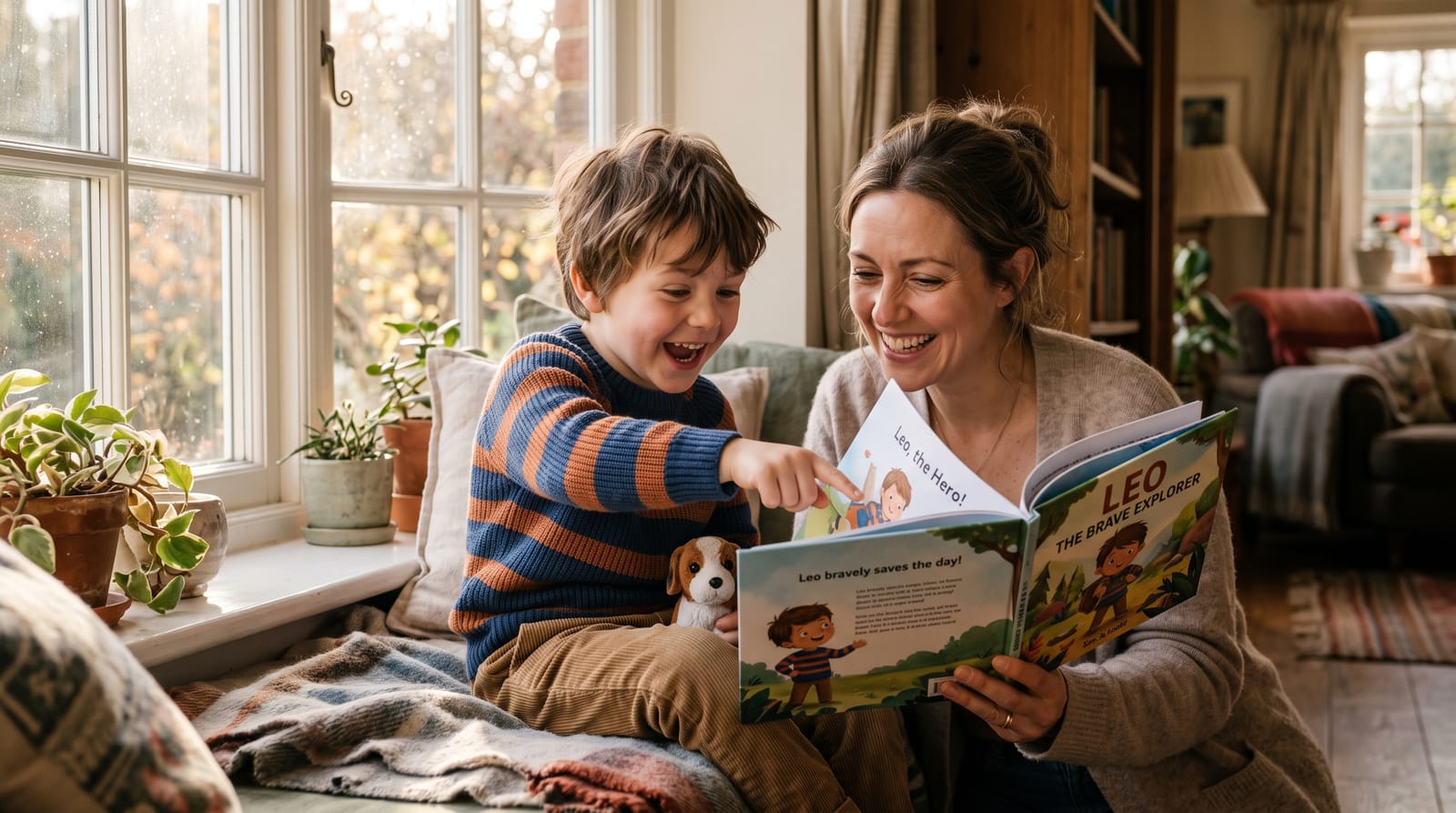
Personalized books amplify this sense of "hygge" or comfort by grounding the story in the child’s actual life. When a narrative mentions the child’s favorite toy, their pet, or their specific bedtime routine, it creates an "emotional home" within the pages. This familiarity lowers a child’s stress levels and makes them more receptive to the story’s themes.
In a world that can often feel overwhelming or fast-paced, these stories provide a sanctuary. By focusing on sensory details that the child recognizes from their own environment, the book becomes more than a reading exercise; it becomes a ritual of connection. This is why many parents find that a 5-minute reading method works significantly better when the child is the star—the level of focus and emotional investment is naturally higher when the content feels "safe" and familiar.
Navigating the Seasons of Life Through Story
Children experience the world through cycles: the changing of the leaves, the first snowfall, or the excitement of a birthday. Picture books have always been a tool for helping children process these transitions. Whether it’s a story about a fox preparing for winter or a child learning to share with a sibling, these narratives provide a framework for understanding life’s rhythms.
Personalization turns these frameworks into practical rehearsals for real life. Consider a story about the first day of school. In a standard picture book, the child watches a character overcome their nerves. In a StorytimeHero book, the child sees themselves standing in front of the school gates, meeting their teacher, and making a new friend.
This type of "narrative rehearsal" is incredibly effective for building confidence. It allows children to visualize success in specific scenarios. Whether it is preparing for a new sibling or understanding the quiet beauty of a snowy day, personalization makes the abstract concrete. By placing the child within the seasonal or situational context, the book serves as a bridge between the world of "what if" and the world of "I can."
The Literacy Connection: Why Personalization Drives Engagement
From a developmental standpoint, the "name-recognition effect" is a powerful driver of early literacy. A child who is still learning to decode letters will almost always recognize the unique shape of their own name first. When that name appears repeatedly throughout a story, it acts as an anchor, pulling the child’s attention back to the text.
This increased focus leads to better reading comprehension and a more positive association with books in general. For reluctant readers, the barrier to entry is often a lack of interest in the protagonist. Personalization removes that barrier instantly. Suddenly, the stakes of the story are personal. The child isn't just curious about whether the dragon is defeated; they are curious about how they defeated the dragon.
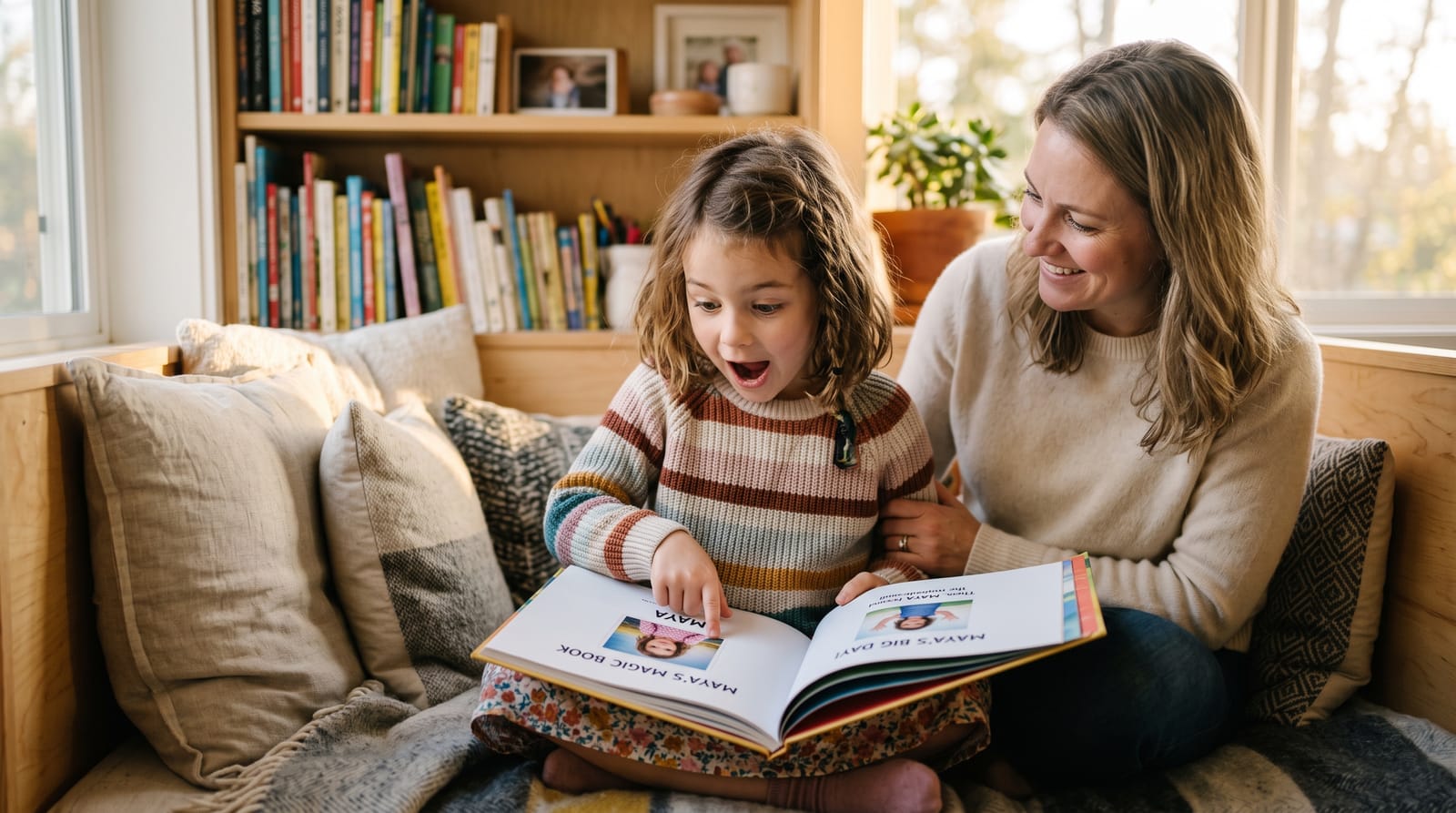
This deep engagement is why many families view these books as more than just gifts; they are essential tools for redefining the picture book. They transform reading from a passive activity into an interactive dialogue between the parent, the child, and the text.
Building a Legacy: The Psychology of the Keepsake
Why is it that parents often struggle to part with custom-made items, even when the child has outgrown them? There is a profound psychology behind keepsakes. A standard picture book is a commodity, but a personalized book is a record of a specific moment in a child’s life.
It captures their interests, their appearance, and their place in the family at a specific age. Twenty years from now, a child won't just look back at a book they liked; they will look back at a book that was theirs. This longevity is a key reason why personalized books have become a staple for milestones like first birthdays or holiday traditions. They serve as a physical manifestation of a parent's love and a child’s growing identity.
Integrating Personalization Into Your Home Library
If you are looking to expand your child’s library in {YEAR}, consider how a mix of traditional and personalized stories can create a well-rounded reading diet.
- Use Traditional Books for Perspective: Keep reading those beautiful stories by diverse authors and illustrators. They are essential for teaching empathy and showing your child the vastness of the human experience.
- Use Personalized Books for Confidence: Turn to StorytimeHero when your child needs to see themselves as a leader, a brave adventurer, or a beloved family member. Use these for bedtime routines or when navigating big life changes.
- Use Activity-Based Books for Skill Building: Don't forget that personalization extends to fine motor skills. Custom coloring books or puzzle stories can make the "work" of learning feel like play.
By blending these two worlds, you provide your child with both the "window" to see others and the "mirror" to see themselves.
Frequently Asked Questions
Related Reading
- How Personalized Books Enhance the Picture Book Experience
- The Psychology of Why Parents Save Custom Gifts
- How Personalization Reimagines the Classic Picture Book
- Using Stories to Build Parenting Confidence
***
In the end, the goal of any great picture book is to make a child feel something—wonder, joy, curiosity, or comfort. By adding the element of personalization, we aren't just changing the words on the page; we are changing the child’s relationship with literature itself. We are telling them, in no uncertain terms, that they are the hero of their own story, today and every day.
Free preview checklist
Get the personalized book gift checklist
Know what photo to use, what to write in the dedication, and what to review before ordering.