How Personalized Books Enhance the Picture Book Experience | StorytimeHero
Upload a photo
For decades, the traditional picture book has served as a cornerstone of early childhood development. It is often a child’s first window into the world, offering a vibrant landscape of colors, emotions, and lessons. However, as we move through {YEAR}, the way we approach these stories is shifting. While the magic of a beautifully illustrated page remains timeless, there is a growing movement toward making these experiences more intimate.
The rise of personalized books represents a significant evolution in children’s literature. It moves the reader from the role of an observer to the role of a participant. By weaving a child’s own name, likeness, and specific life details into the narrative, these stories address the core needs of modern families: the desire for representation, the need for emotional comfort, and the goal of fostering a lifelong love of reading.
The Power of Seeing Oneself: Representation Beyond the Generic
One of the most vital roles of a picture book is to reflect the diversity of the human experience. We often look for stories that celebrate specific cultures, traditions, and physical traits—whether that is the texture of a child's hair, the clothes they wear, or the historical figures they look up to. These stories are essential because they validate a child’s existence and place in the world.
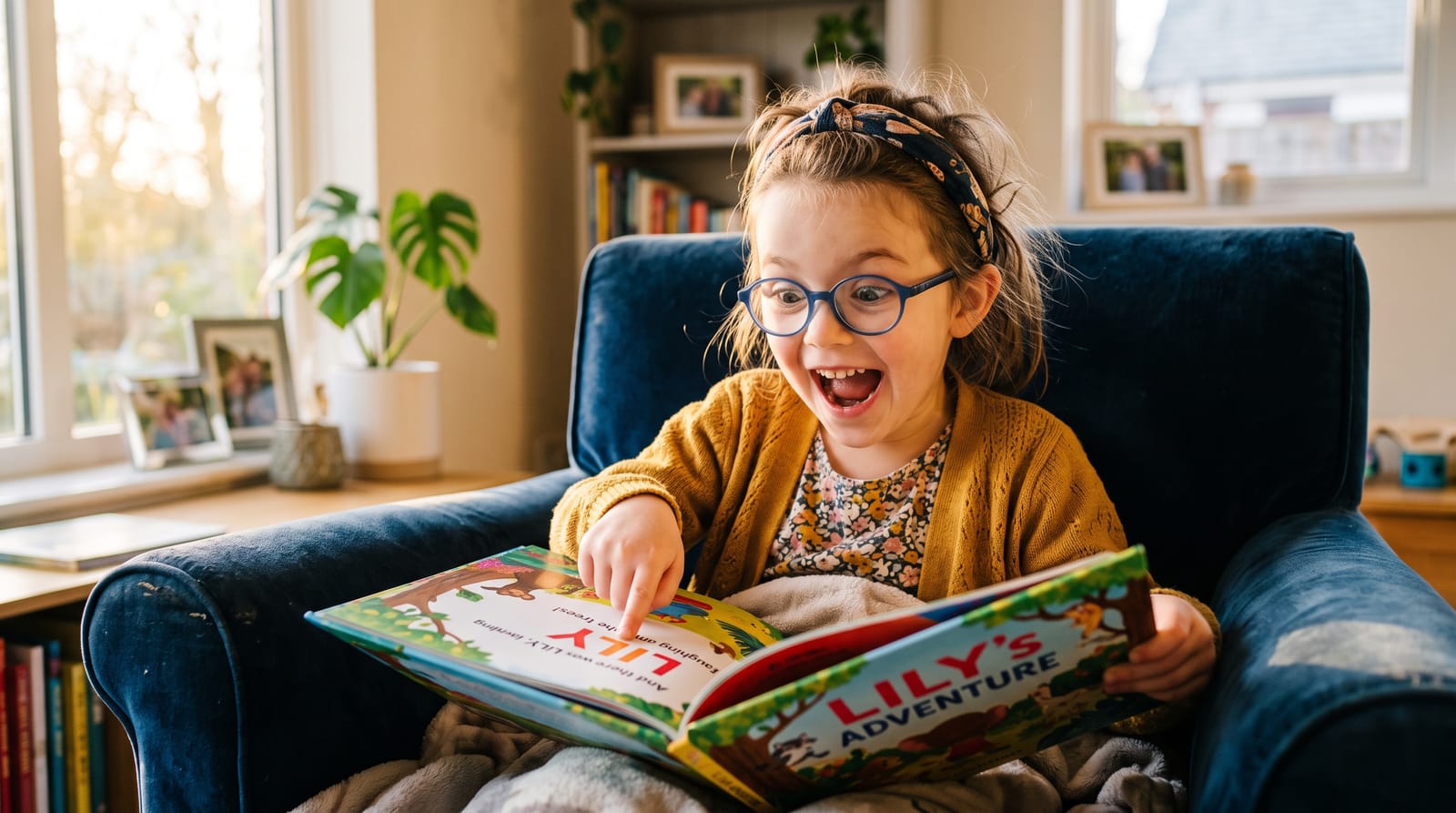
Personalized books take this concept a step further. Instead of a child looking for a character who looks like them, they are presented with a character who is them. This shift is profound. When a child sees their own name on a cover or sees an illustrated version of themselves navigating a challenge, it removes the barrier between "the story" and "my life."
This level of personalization helps address a gap that generic books sometimes leave behind. While a traditional story might focus on a broad cultural celebration, a personalized narrative can focus on the child’s specific family structure or their unique daily routines. This creates a sense of belonging that is difficult to replicate. When a child is the hero of their own story, they aren't just learning about a concept; they are experiencing it through their own identity.
Building the "Architecture of Cozy": Sensory Reading and Emotional Safety
There is a specific kind of magic found in "cozy" literature. Many parents seek out books with warm color palettes, rhythmic language, and themes of comfort—especially during the colder months of the year. The goal is to create a "hominess vortex," a safe space where a child can feel completely at peace.
In the context of a picture book, "coziness" isn't just about the illustrations of blankets or falling snow; it’s about the sensory experience of the reading moment. When you introduce personalized books into this ritual, the emotional safety of the story increases exponentially.
Imagine a winter-themed story where the protagonist isn't a nameless fox or a generic child, but your own son or daughter. The "extra yarn" in the story is being knitted into a sweater for them. The "winter dance" through the woods is happening in a forest that looks like the park down the street. By grounding the "cozy" elements of a story in the child’s actual reality, personalized books help children process the world around them with a sense of security.
This approach is particularly helpful for navigating transitions. Whether it's the quiet of a snowy day or the bustle of a new school year, having a personalized "brave story" can act as a psychological anchor. You can explore more about this in our guide on how personalization redefines the picture book experience.
From Repetition to Recognition: Enhancing Early Literacy
Early childhood educators have long championed the "repeating pattern" found in many classic picture books. Whether it’s a rhythmic refrain or a predictable plot structure, repetition helps children anticipate what comes next, which builds confidence in their language skills.
Personalized books leverage this psychological principle but add a layer of personal motivation. A child might enjoy hearing a story about a bear, but they are far more likely to stay engaged with a story that repeats their own name or the names of their siblings and pets. This is often referred to as the "Name-Recognition Effect."
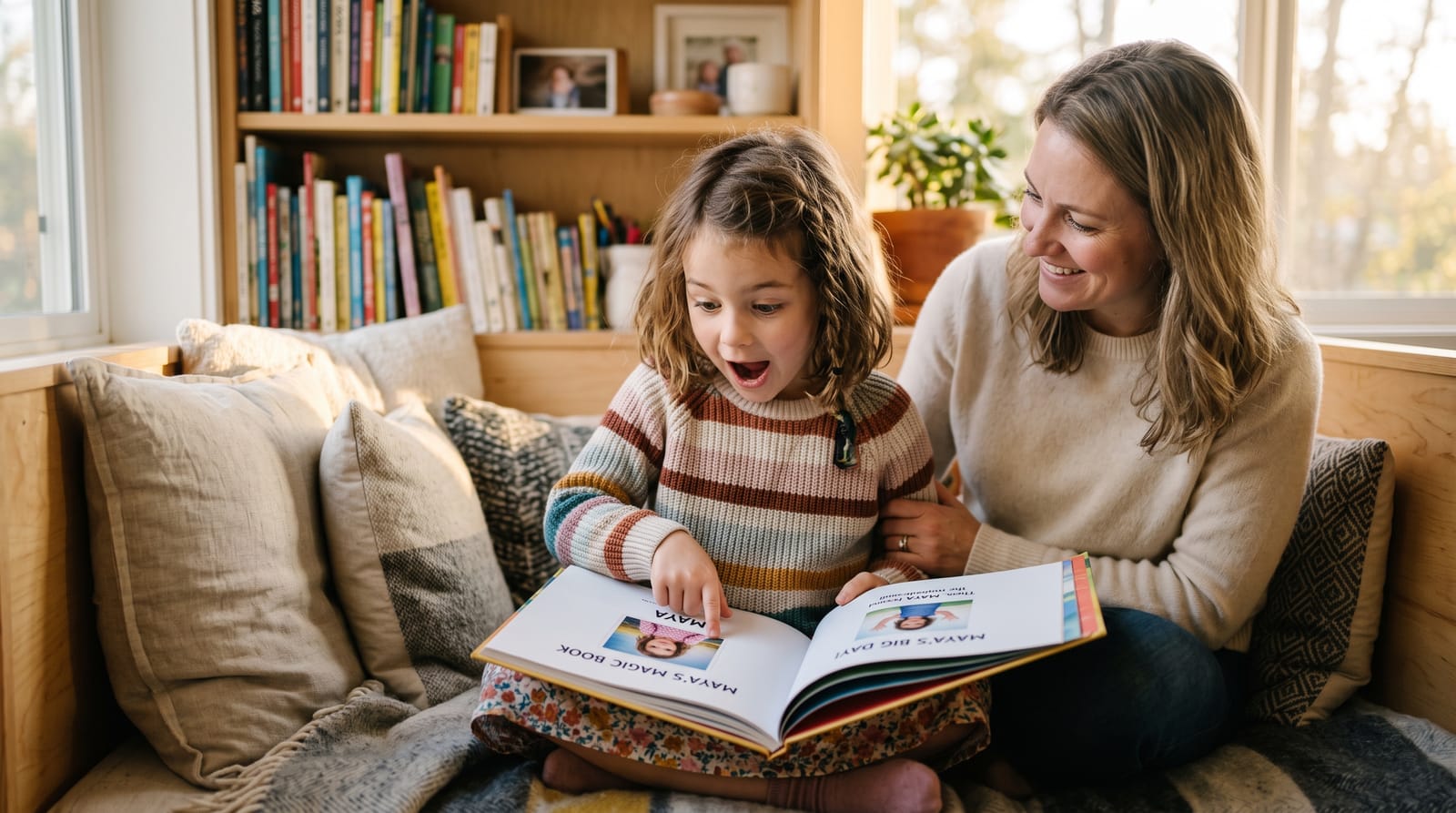
When a child’s name is the focal point of the narrative, their attention span naturally extends. They are more likely to point at the letters, ask questions about the plot, and want to read the book "one more time." This increased engagement is a powerful tool for reluctant readers. By making the child the center of the universe, we transform reading from a passive task into an active adventure. For parents looking to boost this engagement, understanding attention and motivation through personalization is key.
Creating Modern Family Artifacts
In previous generations, family history was often passed down through oral storytelling or photo albums. Today, the personalized picture book serves as a bridge between these traditions. It is more than just a bedtime story; it is a keepsake that captures a snapshot of a child’s life at a specific age.
Many families are now using these books to commemorate milestones—birthdays, graduations, or even the arrival of a new sibling. Because the child is the star, the book becomes a "best-in-class" gift that parents and grandparents are likely to save long after the child has outgrown the reading level.
This aspect of personalization addresses the need for connection in an increasingly digital world. While we have thousands of photos on our phones, a physical book that tells a story about a child’s life offers a tactile, permanent way to celebrate family bonds. It reinforces the architecture of belonging within the home, showing the child that their story is important enough to be printed and bound.
How Personalized Books Support Social-Emotional Learning
Beyond literacy and "coziness," the modern picture book is often used as a tool for social-emotional learning (SEL). Parents use stories to help children understand complex emotions like empathy, patience, and resilience.
Personalized books are uniquely suited for this task because they allow for "rehearsal." If a child is struggling with a specific routine—like a difficult bedtime or nervousness about a new sibling—a story featuring them successfully navigating that situation provides a mental blueprint for real-life success.
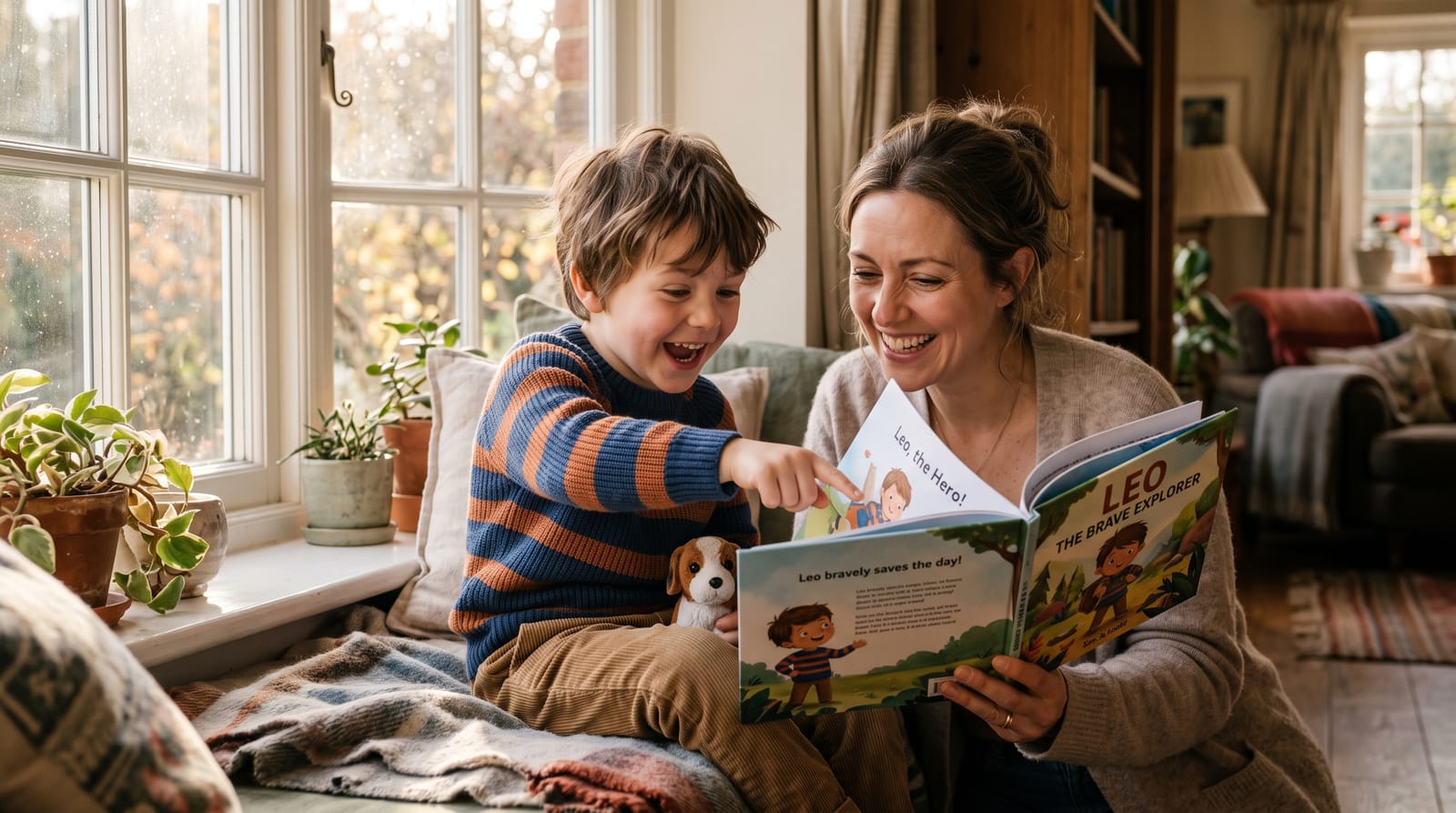
Instead of watching a fictional character be brave, the child sees themselves being brave. This reduces the cognitive load required to translate a story's lesson into real-world action. When the child is the hero, the lesson isn't "the bear was brave," it's "I can be brave." This subtle shift in perspective is what makes personalized stories such a potent tool for building self-esteem.
Practical Tips for Integrating Personalized Stories into Your Routine
If you’re looking to expand your home library with personalized books, here are a few ways to ensure they have the greatest impact:
- Match the Theme to the Season: Just as you might reach for a winter-themed book in January, look for personalized stories that match the current "vibe" of your home. A "cozy" personalized book is perfect for the winter months, while an adventure-themed story might be better suited for summer vacation.
- Involve the Child in the Creation: Depending on the age of your child, let them help choose the avatar or the "path" the story takes. This increases their "buy-in" and makes them feel even more connected to the final product.
- Use Books for "Mirroring": Use personalized stories to mirror the child's current challenges or interests. If they are obsessed with animals, a personalized book where they visit a zoo or live in a forest will be their most cherished possession. You can find inspiration in our list of best animal-themed books by age.
- Create a Reading Ritual: Pair your personalized book with a specific "cozy" environment—dim lights, a favorite blanket, and a dedicated time. This helps the child associate the story (and themselves) with feelings of warmth and safety.
The Future of the Picture Book
As we look toward the future of children's publishing, the trend is clear: readers want more than just a story; they want an experience. The traditional picture book will always have a place on our shelves, but personalized books are filling a vital niche by making those stories more relevant, more engaging, and more emotionally resonant.
At StorytimeHero, we believe that every child deserves to be the hero of their own narrative. By combining the classic elements of the picture book—stunning art, rhythmic prose, and heartfelt themes—with the power of personalization, we are helping families create a new kind of magic. One where the child doesn't just read the book—they live it.
FAQ: Common Questions About Personalized Picture Books
Q: Are personalized books only for toddlers?
A: Not at all! While they are incredibly effective for toddlers who are just starting to recognize their names, older children (ages 4-8) benefit greatly from seeing themselves as protagonists in complex adventures. It builds their reading confidence and keeps them engaged with longer narratives.
Q: Can personalized books help with specific behavioral challenges?
A: Yes. Many parents use personalized stories to help children with transitions, such as starting school or moving to a new house. By seeing themselves navigate these changes in a book, children feel more prepared to handle them in real life. We have more information on this in our article about using stories to reduce bedtime resistance.
Q: How do personalized books compare to traditional books in terms of quality?
A: High-quality personalized books, like those at StorytimeHero, prioritize the same standards as traditional publishing: professional illustrations, durable binding, and expert storytelling. The "personalization" is an added layer of value on top of a solid literary foundation.
Q: Is it better to buy personalized books on Amazon or from a direct brand?
A: Buying directly from a brand often allows for more deep-level customization (like choosing specific hair colors, family members, or story paths) that generic platforms might not support. For a breakdown of the differences, check out our comparison of brands.
---
Related Reading
Free preview checklist
Get the personalized book gift checklist
Know what photo to use, what to write in the dedication, and what to review before ordering.