Fine Motor Skills: Personalized Coloring Books
Start a cover preview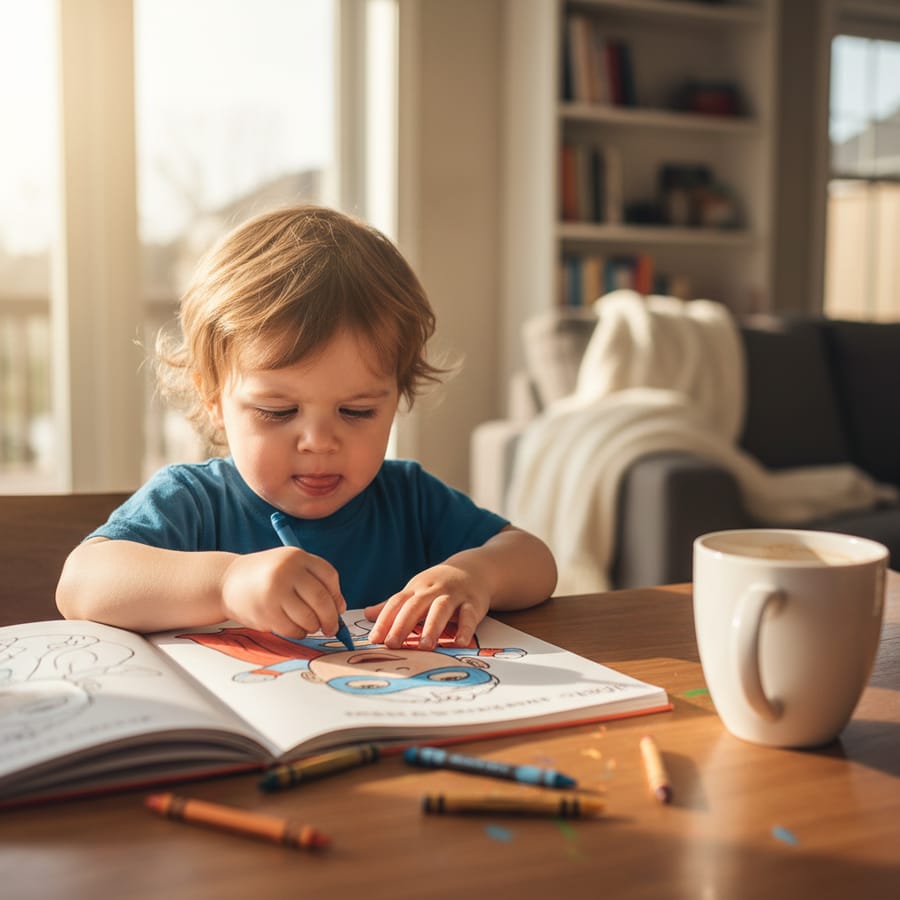
Imagine your toddler sitting at the kitchen table, tongue poking out in a tiny gesture of intense concentration. They aren't just coloring a random cartoon character; they are carefully filling in the cape of a superhero who has their very own face. This isn't just a quiet moment for you to finally finish a warm cup of coffee; it’s a high-level workout for their developing brain and body. When we talk about Fine Motor Skills, personalized coloring books are one of the most effective, undercover tools in a parent's toolkit. By putting your child at the center of the adventure with StorytimeHero.ai, you aren't just giving them a toy; you're giving them a reason to lean in, grip that crayon, and develop the essential physical skills they’ll use for the rest of their lives.
Why Fine Motor Skills Matter in Early Childhood
Before we dive into the "how-to," let’s talk about the "why." Fine motor skills involve the coordination of small muscle movements, usually those involving the hands and fingers, in synchronization with the eyes. These are the skills that eventually allow your child to button their own shirt, use a fork, and eventually write their own name.
In the early years, these muscles are like unconditioned athletes. They need practice, repetition, and resistance to get stronger. When a child picks up a crayon, they are learning how to control pressure and direction. They are figuring out the "pincer grasp," which is the ability to hold something between the thumb and index finger. This is a massive milestone!
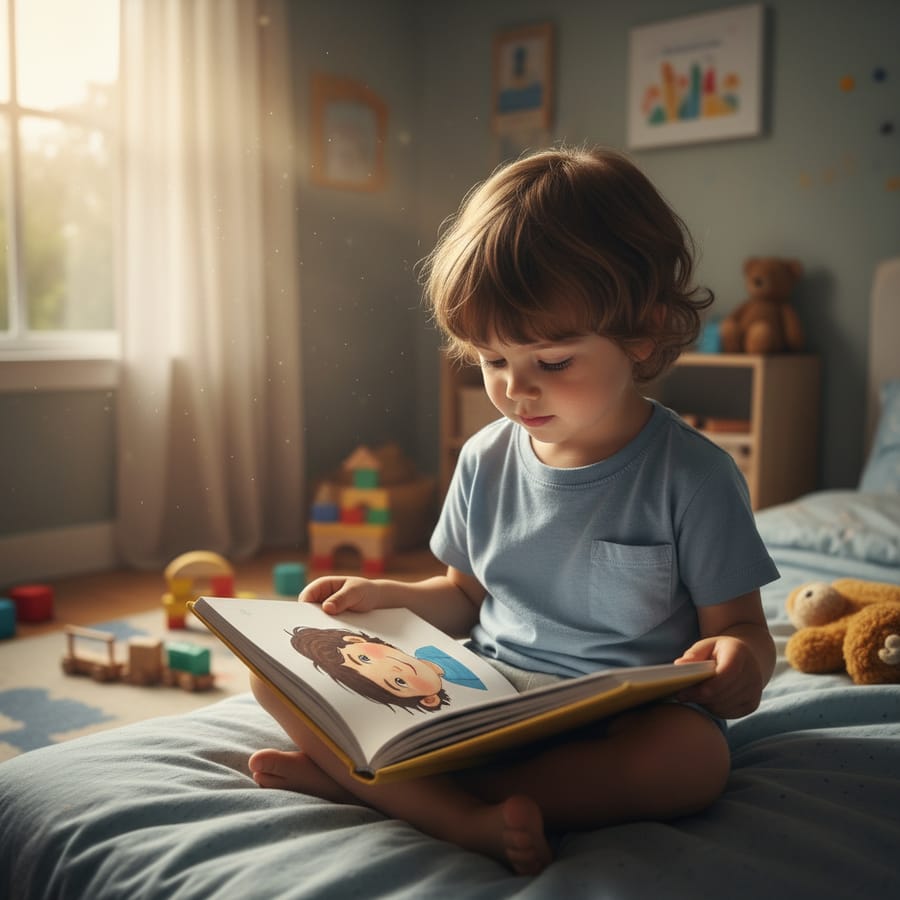
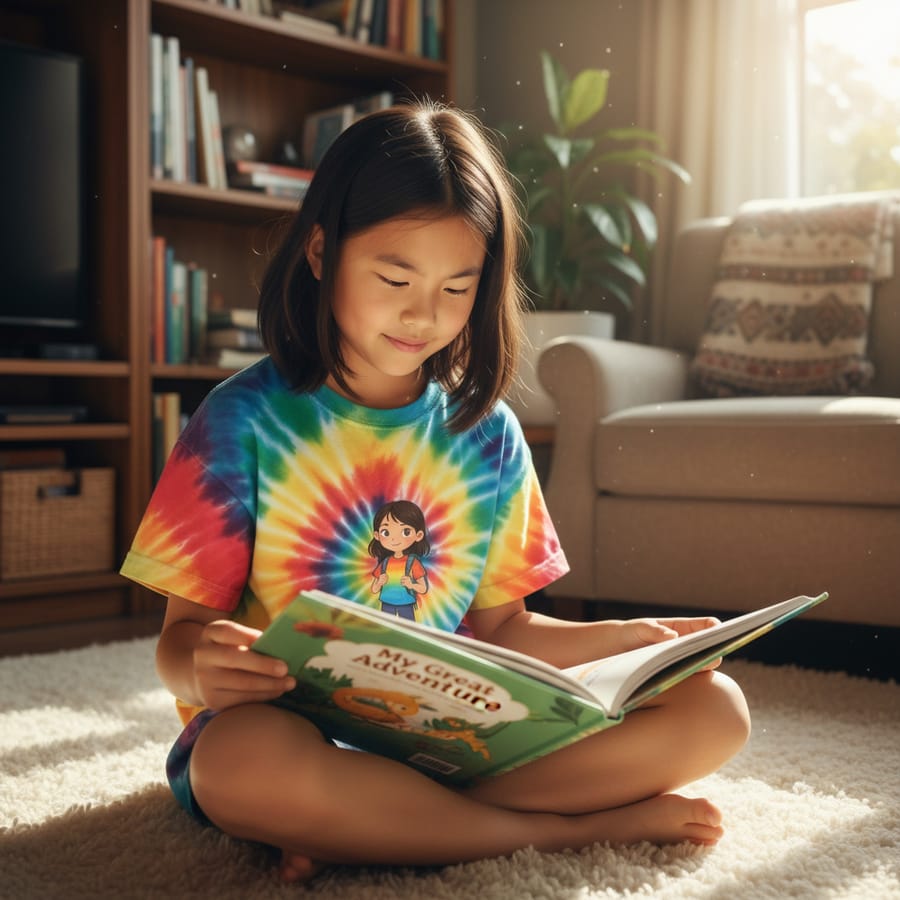
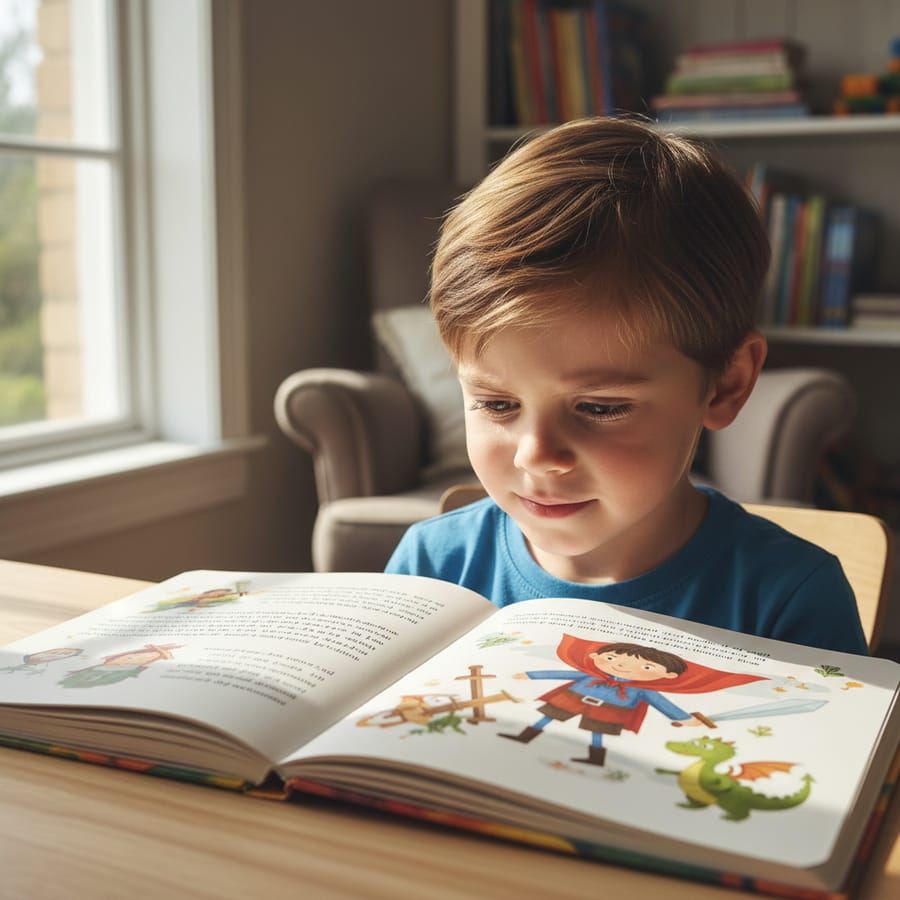
But here’s the catch: practicing these skills can sometimes feel like "work" to a child. If they are bored with the subject matter, they’ll drop the crayon after two minutes. That is where personalized bedtime stories and activity books change the game. When the character on the page looks exactly like them (thanks to our AI-generated illustrations), the motivation to stay engaged skyrockets. They aren't just coloring; they are "fixing" their own adventure.
Strengthening Hand-Eye Coordination with Fine Motor Skills: Personalized Coloring Books
Hand-eye coordination is the ability of the vision system to coordinate the information received through the eyes to control, guide, and direct the hands in the accomplishment of a given task. It sounds complicated, but for a child, it’s as simple as trying to stay inside the lines of a drawing.
Using Fine Motor Skills: Personalized Coloring Books provides a unique psychological edge. Research shows that children have a "self-reference effect," meaning they remember information better and stay focused longer when the content relates to them personally. When a child sees their own face on a page, their brain signals that this task is high-priority.
The Challenge of the Lines
Staying inside the lines requires a child to plan their movements. They have to see the boundary, process it, and then tell their hand to stop or turn. This feedback loop is the foundation of hand-eye coordination. In a custom storybook with your child's face, the "lines" represent their own hair, their own favorite shirt, or their own smiling eyes. This creates an emotional drive to "do a good job" that a generic coloring book simply can't match.
Crossing the Midline
Another big part of motor development is "crossing the midline." This is the ability to reach across the middle of the body with the arms and legs. When coloring a large personalized scene, a child often has to reach across the page to color a detail on the opposite side. This strengthens the communication between the left and right hemispheres of the brain.
The Science of Focus: Why Kids Color Longer When They Are the Hero
We’ve all been there: you buy a giant coloring book from the grocery store, your child colors one ear of a bunny, and then they’re done. Their attention span at a young age is naturally short. However, we’ve seen that when kids use AI-generated children's books that feature their own likeness, that attention span doubles or even triples.
Entering the "Flow State"
Psychologists call it "flow," that state where you are so absorbed in an activity that time seems to disappear. For a child, flow happens when the challenge of the activity matches their skill level and, most importantly, when they are deeply interested. By using Fine Motor Skills: Personalized Coloring Books, you are tapping into their natural self-interest. They want to see how "they" look in the story. They want to complete the scene because it’s their scene.
Persistence and Problem Solving
Fine motor development isn't just about muscles; it's about the "don't give up" attitude. When a child colors a personalized page, they are more likely to persist through the frustration of a hand cramp or a broken crayon tip because they are invested in the outcome. This persistence is a "soft skill" that translates directly into academic success later in life.
From Scribbles to Masterpieces: Fine Motor Skills and Personalized Coloring Books
Development happens in stages. You can't expect a three-year-old to color a complex geometric pattern perfectly. However, you can use our personalized activity books to meet them exactly where they are.
The Scribble Stage (Ages 2-3)
At this age, it’s all about the "palmar supinate grasp" (holding the crayon in a fist). The goal here isn't accuracy; it's sensory exploration. In a personalized book, even a few wild scribbles over "their" face is a win. It’s about the child making a physical mark on their own story.
The Controlled Scribble (Ages 3-4)
This is when you’ll start to see circular motions and some attempts to stay near the lines. This is the perfect time to introduce benefits of reading for toddlers alongside coloring. Read the story to them, and then let them "color the hero" (themselves) to bring the story to life.
The Pre-Writing Stage (Ages 4-6)
Now, the grip becomes more refined (the tripod grasp). This is where Fine Motor Skills: Personalized Coloring Books really shine. The details in our AI-generated illustrations provide just enough complexity to challenge their control without being overwhelming. They can color the buttons on their astronaut suit or the scales on their pet dragon.
Beyond the Crayon: Fine Motor Skills and Personalized Coloring Books for Holistic Growth
While the physical benefits are huge, we can't ignore the emotional and cognitive growth that happens simultaneously. At StorytimeHero.ai, we believe that when a child sees themselves as the hero, their self-esteem grows alongside their physical abilities.
Language Development
As your child colors, talk to them about what "they" are doing in the picture. "Look, you’re climbing the mountain! What color should your climbing boots be?" This connects the physical act of coloring with language acquisition and storytelling. They aren't just moving a crayon; they are narrating their own life.
Spatial Awareness
Coloring helps kids understand spatial relationships (up, down, left, right, over, and under). "Can you color the sun above your head?" or "Let's color the grass under your feet." When the "head" and "feet" in the picture belong to the child, these spatial concepts become much more concrete, and easier to grasp.
Practical Tips for Improving Fine Motor Skills at Home
You don't need a classroom to help your child develop. Here are some simple ways to use your StorytimeHero.ai books and other household items to boost those tiny hand muscles:
- Mix Your Mediums: Don't just stick to crayons. Offer colored pencils, thin markers, and even finger paints. Each requires a different level of pressure and grip.
- Use Stickers: Our personalized books are great for stickers! Peeling a sticker off a sheet and placing it on "their" hand in the book is an incredible workout for the pincer grasp.
- Vertical Surface Coloring: Tape a page from the coloring book to the wall or the fridge. Coloring on a vertical surface builds shoulder and wrist stability, which is essential for writing later on.
- Short Crayons: It sounds counterintuitive, but breaking crayons in half actually forces a child to use their fingertips rather than their whole hand. This encourages the development of the tripod grasp.
- Talk About the Story: Before they start coloring, read the page together. Ask them what's happening. This builds the mental map they need before they start the physical task.
Frequently Asked Questions
Free preview checklist
Get the personalized book gift checklist
Know what photo to use, what to write in the dedication, and what to review before ordering.