Teaching Sight Words Through Personalized Stories
Start a cover preview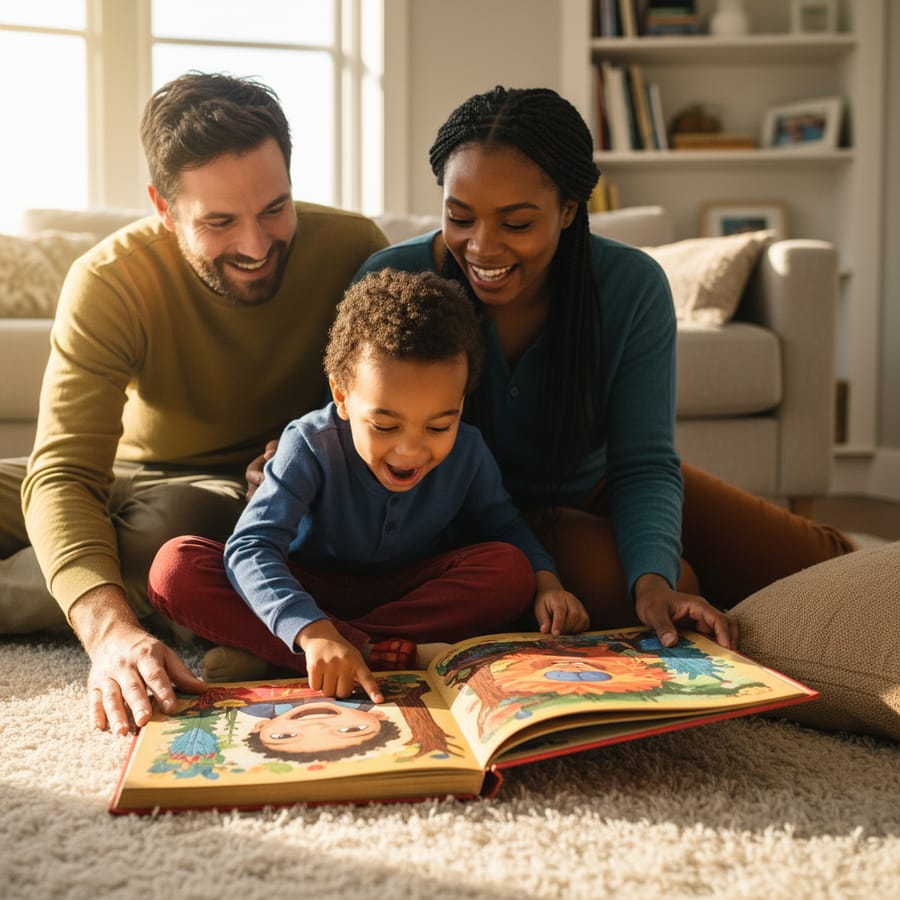
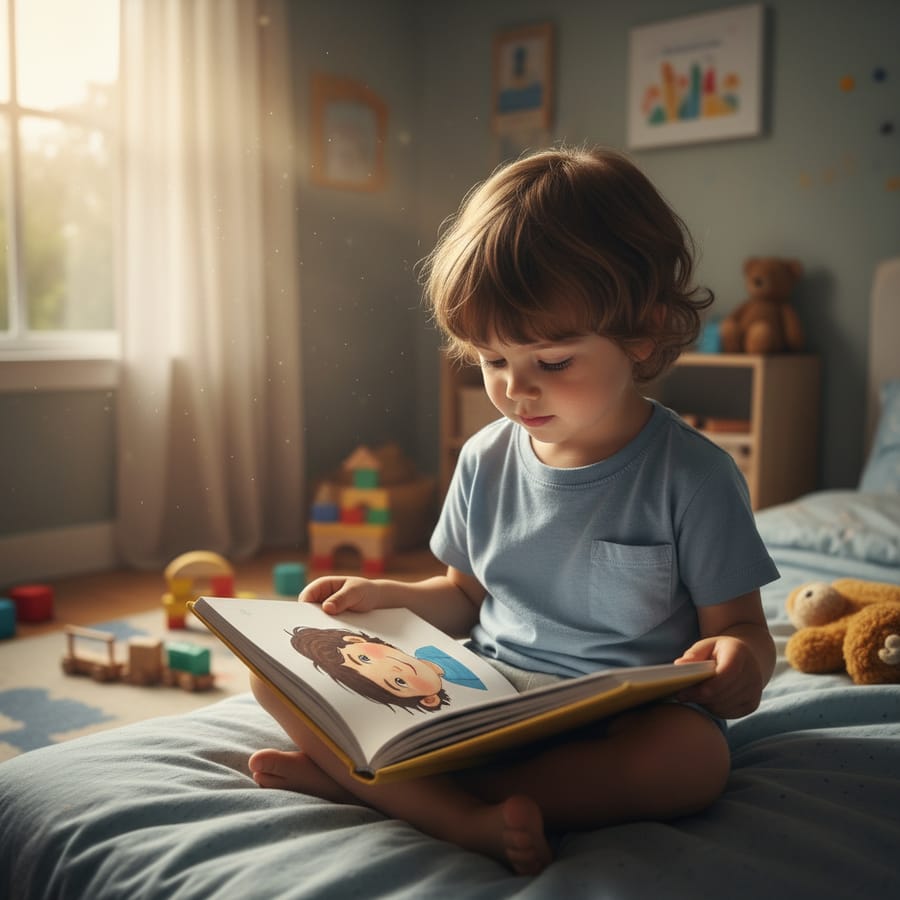
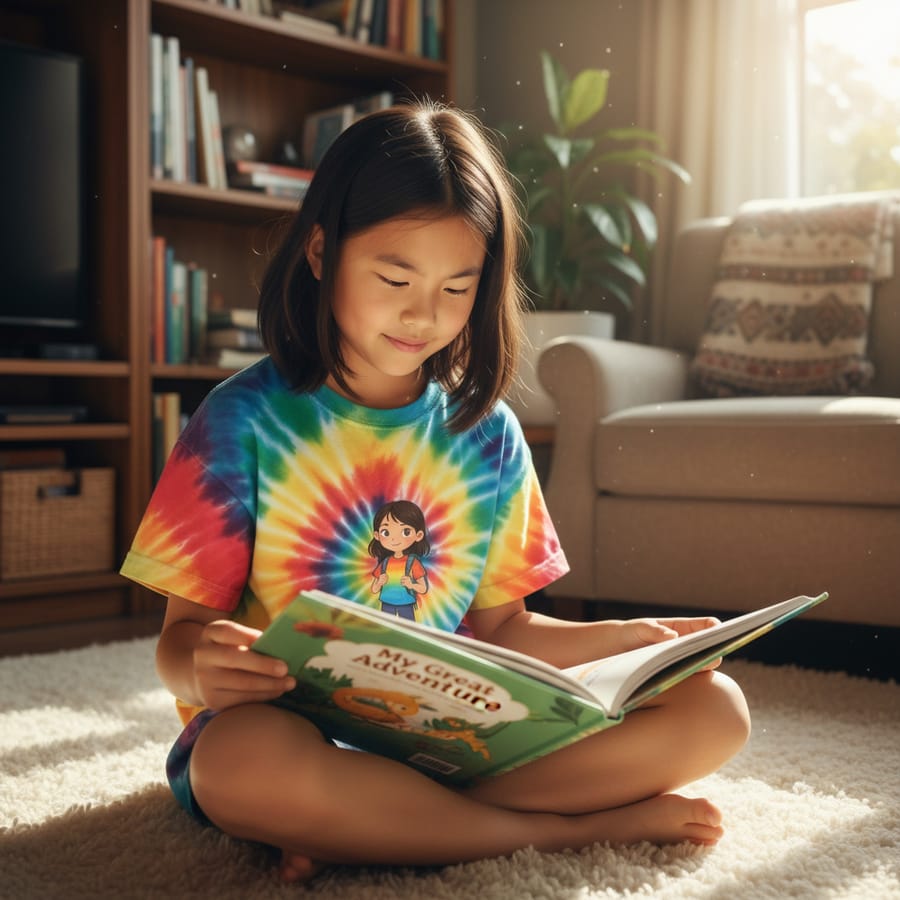
Imagine the look on your child’s face when they open a book and see themselves—not just a character who looks like them, but their uploaded photo—staring back from the pages. Now, imagine that same child, who usually groans at the sight of flashcards, suddenly pointing to the word "the" or "said" with a giant grin because they are the hero of the story. Teaching sight words through personalized stories isn’t just a clever trick; it’s a powerful way to bridge the gap between "learning to read" and "loving to read." For many parents, the struggle to help a child memorize high-frequency words feels like an uphill battle. We’ve all been there: the repetitive drills, the frustration when they forget a word they knew yesterday, and the general lack of engagement. But when the story is about them, the words suddenly matter more.
Why Teaching Sight Words Through Personalized Stories Boosts Retention
When we talk about "sight words," we are referring to those high-frequency words that appear most often in the English language. Words like "of," "was," "to," and "you" often don't follow standard phonetic rules. You can't really "sound them out." Instead, children need to recognize them by sight. This is where the challenge lies. Rote memorization can be incredibly dull for a six-year-old. However, teaching sight words through personalized stories changes the neurological stakes.
When a child sees their own name and face in a story, their brain enters a state of high engagement. This is known in psychology as the "Self-Reference Effect." Essentially, we remember information much better when it is related to ourselves. By placing your child in the middle of the action—perhaps they are exploring a jungle or flying a rocket ship—the words surrounding their image become anchored to a positive, personal experience. Instead of "the" being a random collection of letters on a white card, it becomes part of the sentence: "The brave hero [Your Child's Name] found the golden key."
In this context, the brain isn't just trying to decode a symbol; it’s trying to understand a personal narrative. This emotional connection acts like a "superglue" for memory. When you focus on early literacy development, you are building the foundation for all future learning. Personalized stories provide the context that flashcards lack, making those tricky Dolch words and Fry words feel like natural parts of their own world.
The Science of High-Frequency Words and Engagement
To understand why this method is so effective, we have to look at how children actually learn to read. Reading is a complex process that involves both phonics (the sounds letters make) and sight word recognition. Most early reading curricula rely on the Dolch list, a collection of 220 words that make up about 50% to 75% of all vocabulary found in children's books.
The problem is that many of these words are "abstract." You can draw a picture of a "cat" or a "tree," but how do you draw a picture of "where" or "from"? Because these words are hard to visualize, children often struggle to hold onto them. This is where personalized children's books provide a massive advantage.
In a personalized book from StorytimeHero.ai, the AI-generated illustrations show your child interacting with the world. If the sentence is "You are away in the clouds," the child sees themselves literally away in the clouds. The abstract word "away" suddenly has a visual, personal anchor. This visual-spatial association helps the child’s brain map the word to the concept much faster than a standard classroom reader ever could.
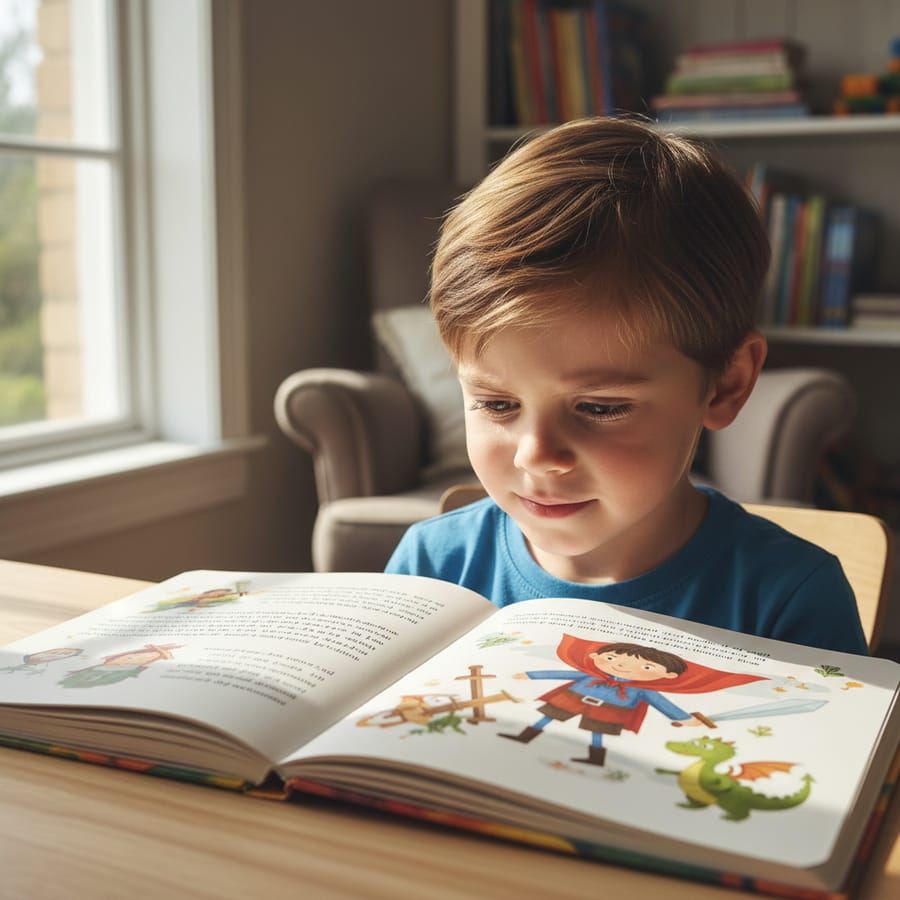
Furthermore, engagement is the primary driver of "time on task." The more time a child spends looking at a page, the more likely they are to absorb the text. A child who is bored will flip the page as fast as possible. A child who is looking at a picture of themselves wearing a superhero cape will linger on that page, pointing at the details, and naturally scanning the text to see what they are doing next in the adventure.
Steps for Teaching Sight Words Through Personalized Stories During Bedtime
Bedtime is the "golden hour" for learning. The house is quiet, the distractions are put away, and your child is relaxed. This is the perfect time to implement a strategy for teaching sight words through personalized stories. You don’t need to turn bedtime into a formal lesson; in fact, it’s better if you don't. Here is a simple, stress-free routine you can follow:
- The "Follow the Finger" Technique: As you read your child’s personalized adventure, run your finger under the words. When you reach a target sight word (like "go," "see," or "my"), pause for a split second. Let your child’s eyes catch up to your finger.
- The "Hero Check-In": Since your child is the hero, ask them questions about the text. "Look, it says 'You see the dragon.' Where is the word 'see'?" Because they are invested in what they are doing in the story, they are more likely to hunt for the word.
- Echo Reading: Read a short sentence from their book, then have them read it back to you. "I am fast," you read. "I am fast," they repeat. Seeing their face on the page while saying "I" helps them internalize that specific sight word instantly.
- Spot the Word Game: Before you start the story, pick one "magic word" for the night—for example, the word "was." Tell your child, "Every time we find the word 'was' in your story, we’re going to give each other a high-five."
- Contextual Clues: If they get stuck on a word, point to the illustration of them. If the word is "jump" and the picture shows them jumping over a log, say, "Look at what you are doing in the picture. What word do you think that is?"
By using a customized reading experience, you are turning a chore into a bonding activity. The focus remains on the fun of the story, while the literacy skills are built quietly in the background.
Moving Beyond Flashcards: Why Personalized Books Win
Flashcards have been the standard for decades, but they have a major flaw: they lack "flow." When a child looks at a flashcard, the word exists in a vacuum. There is no beginning, middle, or end. There is no emotional payoff. In contrast, teaching sight words through personalized stories offers a narrative arc that keeps the child moving forward.
Consider the difference in these two scenarios:
- Scenario A: You hold up a card that says "with." Your child sighs, guesses "will," then "went," and finally gets "with" after three tries. They are bored and feel like they are failing a test.
- Scenario B: You are reading a StorytimeHero.ai book where your child is a detective. The sentence says, "You search with your magnifying glass." Your child wants to know what happens next. They see the word "with," they use the picture of themselves holding the glass to help them, and they read the word correctly. They feel like a successful reader and a successful detective.
The benefits of reading together are well-documented, but those benefits are amplified when the material is highly relevant. Personalized books win because they reduce "reading resistance." When a child identifies with the protagonist, their "affective filter"—the emotional wall that can block learning—is lowered. They aren't afraid to make mistakes because they are having too much fun seeing themselves as the hero.
The Long-Term Benefits of Teaching Sight Words Through Personalized Stories
The goal of early literacy isn't just to pass a kindergarten test; it's to build a lifelong habit. When we focus on teaching sight words through personalized stories, we are actually building reading confidence. Confidence is the "secret sauce" of education. A child who believes they are a "good reader" will tackle harder books, ask more questions, and eventually become a proficient student in all subjects.
Personalized stories help build this confidence by ensuring early "wins." Because the vocabulary in these books is tailored to be accessible, and because the child is so motivated to read about themselves, they experience a high rate of success. This success triggers the release of dopamine in the brain, which makes the child want to repeat the activity.
Over time, this creates a positive feedback loop:
- The child reads a personalized story.
- They recognize sight words easily because of the context and personal connection.
- They feel proud and "smart."
- They ask to read again the next night.
- Their fluency improves, and they begin to recognize these words in other, non-personalized books.
This transition from personalized books to general literature is a critical step. The sight words they learn while creating your own hero don't stay confined to those pages. They transfer to school assignments, signs on the street, and other library books. The personalized book serves as the "training wheels" that make the process of learning to ride a bike—or in this case, learning to read—much less scary.
How StorytimeHero.ai Simplifies the Process
As a parent, you’re already busy. You don't have time to manually write stories and glue photos into a scrapbook. This is where modern technology becomes a parent's best friend. StorytimeHero.ai uses advanced AI to create high-quality, professional-grade children's books that feature your child's uploaded photo in every illustration.
The process is designed to be as simple as possible for parents:
- Upload a Photo: You provide a clear photo of your child.
- Choose an Adventure: Whether your child wants to be an astronaut, a princess, a forest explorer, or a deep-sea diver, there is a story for them.
- AI Magic: The system generates a full-length book where the illustrations are consistent and look exactly like your child.
- Literacy-Focused Text: The stories are written with early readers in mind, naturally incorporating the high-frequency words that teachers want children to master.
By using these tools, you are giving your child a "literacy advantage." You are providing them with a tool that is specifically designed to capture their attention and hold it. In a world of tablets and fast-paced cartoons, a book that features them is one of the few things that can compete for their focus. You can find more resources and tips on our Early Literacy Hub to help you on this journey.
Practical Tips for Parents: Making Sight Words Stick
Beyond just reading the stories, there are several small ways you can maximize the learning potential of your personalized books. Here are some actionable tips:
- Create a "Sight Word Wall": When your child masters a word from their personalized story, write it on a post-it note and put it on their bedroom door. Tell them, "This is a word you read in your astronaut book!"
- Use Multi-Sensory Approaches: After reading a page, have your child trace a sight word with their finger on the carpet or in a tray of sand. Saying the word aloud while tracing it helps solidify the memory.
- The "Flashlight Find": Turn off the lights and use a flashlight to read the personalized book. Ask your child to "shine the light on the word 'is'." The novelty of the flashlight makes the "work" feel like a game.
- Sentence Building: Take a simple sentence from their book, like "I can fly," and write the words on separate pieces of paper. Have your child arrange them to match the sentence in the book. Seeing their face on the page helps them remember the order of the words.
- Celebrate the Progress: Every time your child finishes a personalized book, celebrate it! Make a big deal out of the fact that they read a whole story about themselves. This emotional reinforcement is key to long-term success.
Remember, the goal isn't perfection; it’s progress. Some nights they will be tired and just want to look at the pictures of themselves as a dinosaur. That’s okay. Even just looking at the text while you read builds "print awareness," which is the understanding that those squiggly lines on the page represent the words you are saying.
Frequently Asked Questions
What are sight words exactly?
Sight words are high-frequency words that appear very often in reading materials for children. Many of them do not follow regular spelling rules (like "was" or "the"), so children are encouraged to memorize them "at sight" rather than sounding them out phonetically.
At what age should I start teaching sight words?
Most children begin learning basic sight words in Pre-K or Kindergarten (ages 4-6). However, you can start introducing them through personalized stories as soon as your child shows interest in the pictures and text during read-alouds.
How many sight words should a child know?
By the end of Kindergarten, many schools expect children to know about 20-50 sight words. By the end of First Grade, that number usually jumps to 100 or more. Using personalized stories can help a child reach these milestones faster because of the increased engagement.
Does personalization really help with learning?
Yes! Studies on the "Self-Reference Effect" show that people of all ages remember information better when it is personally relevant. For a child, seeing their own face and name in a book is the ultimate form of relevance.
Can I use personalized books for children with reading difficulties?
Absolutely. In fact, personalized books are often recommended for children with dyslexia or ADHD because the high level of visual interest and personal connection can help them stay focused and reduce the frustration often associated with traditional reading materials.
Related Reading
- How AI is Revolutionizing Personalized Children's Literature
- The Importance of Representation in Kids' Books
- 5 Creative Ways to Use Personalized Stories in the Classroom
- Understanding the Dolch and Fry Word Lists
- How to Choose the Right Adventure for Your Child's Personality
- The Connection Between Emotional Engagement and Memory in Early Learners
- Why Your Child's Face in a Book Changes Everything
- Transitioning from Picture Books to Chapter Books
Free preview checklist
Get the personalized book gift checklist
Know what photo to use, what to write in the dedication, and what to review before ordering.