The Evolution of the Modern Picture Book | StorytimeHero
Upload a photo
There is a specific kind of magic that happens when a child opens a picture book and sees a reflection of their own world. For decades, the traditional picture book served as a window—a way to look out at other lives, far-off lands, and fantastical creatures. But in {YEAR}, the landscape of children’s literature is shifting. We are moving away from the era of the "generic hero" and into an era of radical inclusion and personal resonance.
As we look at the current trends in the industry, it is clear that the modern picture book is no longer just a tool for literacy; it is a tool for identity formation. At StorytimeHero, we’ve observed how this shift toward more nuanced storytelling—specifically regarding neurodiversity, cultural celebration, and emotional "coziness"—is being amplified through the power of personalization.
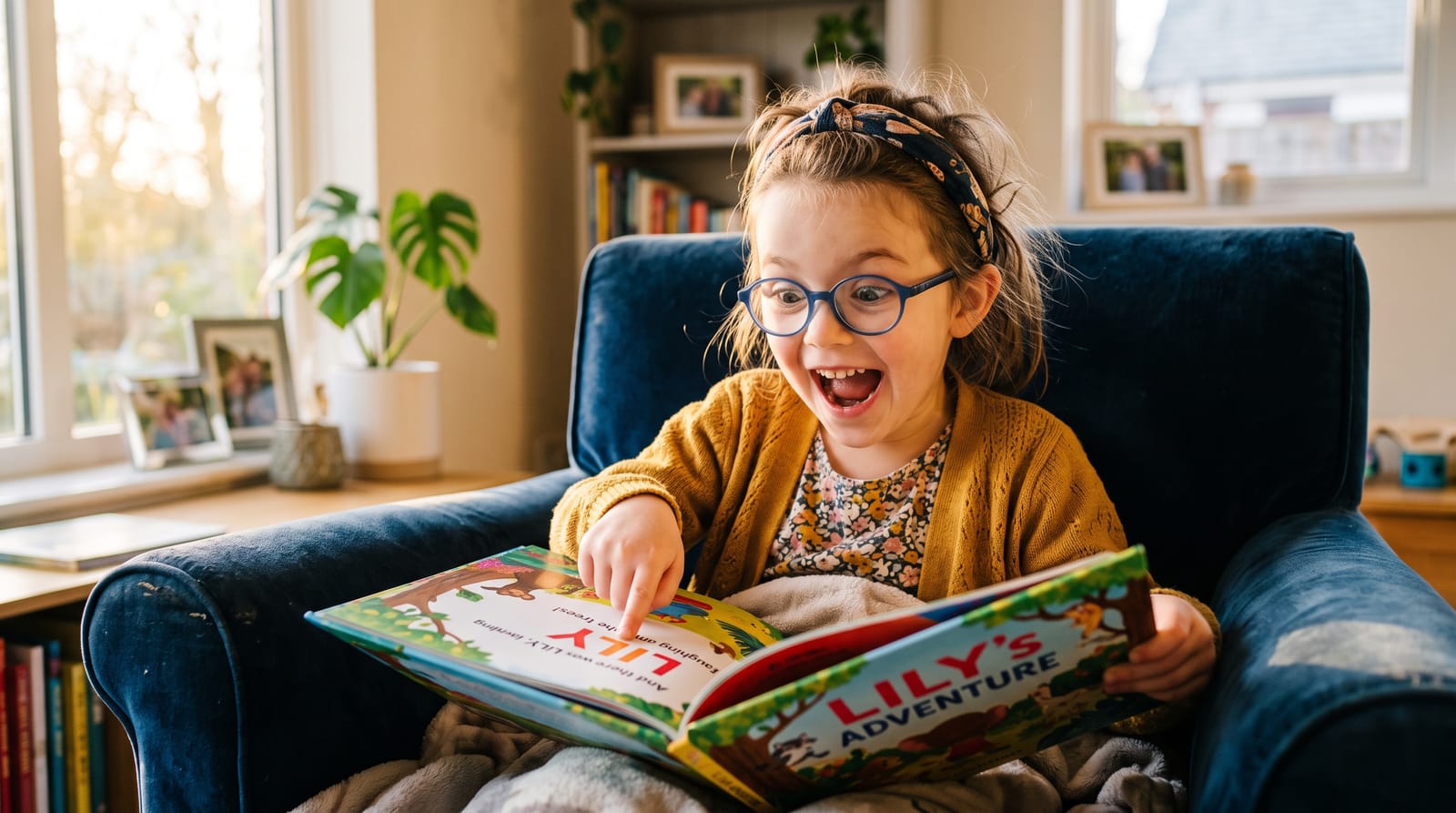
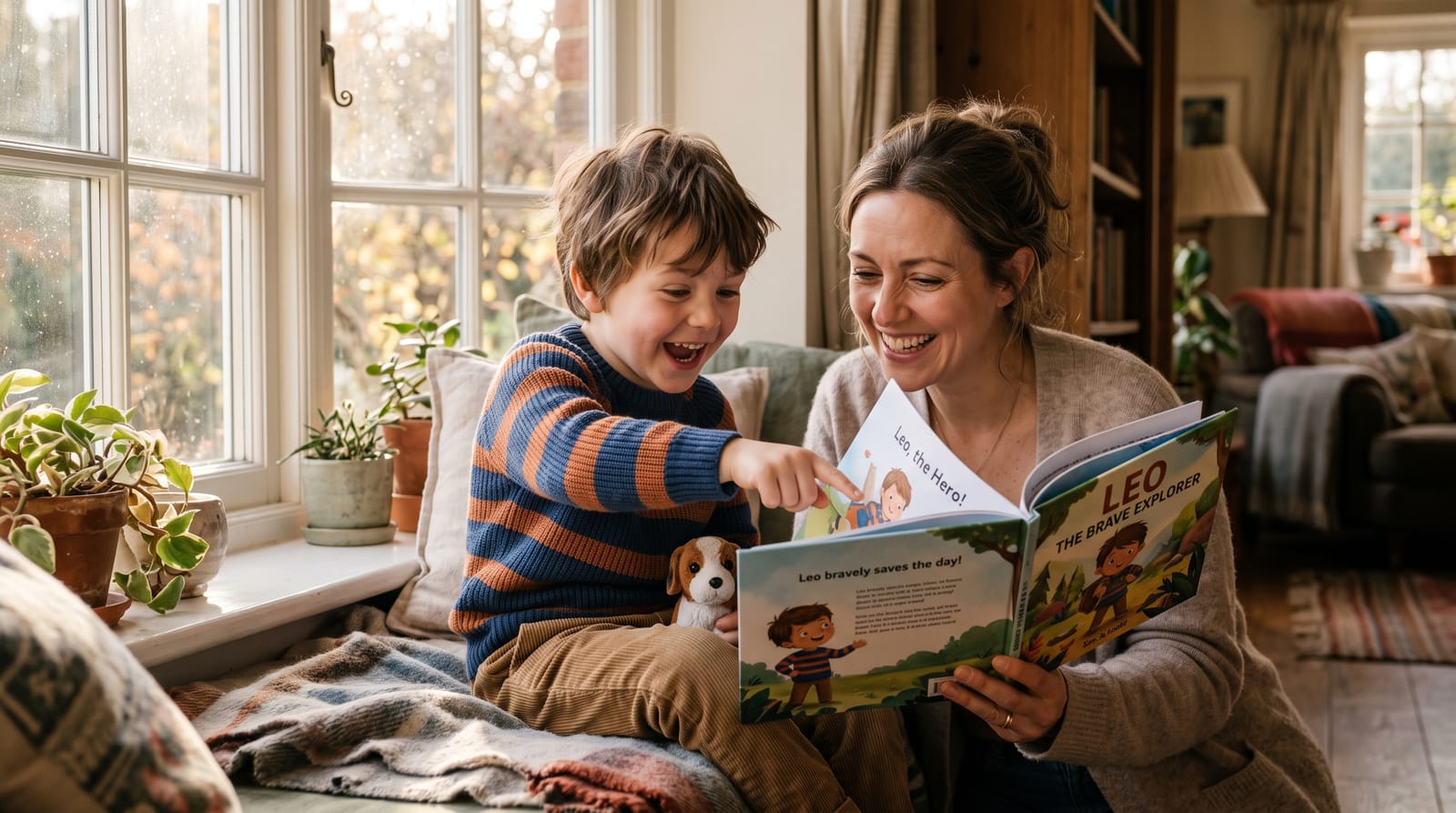
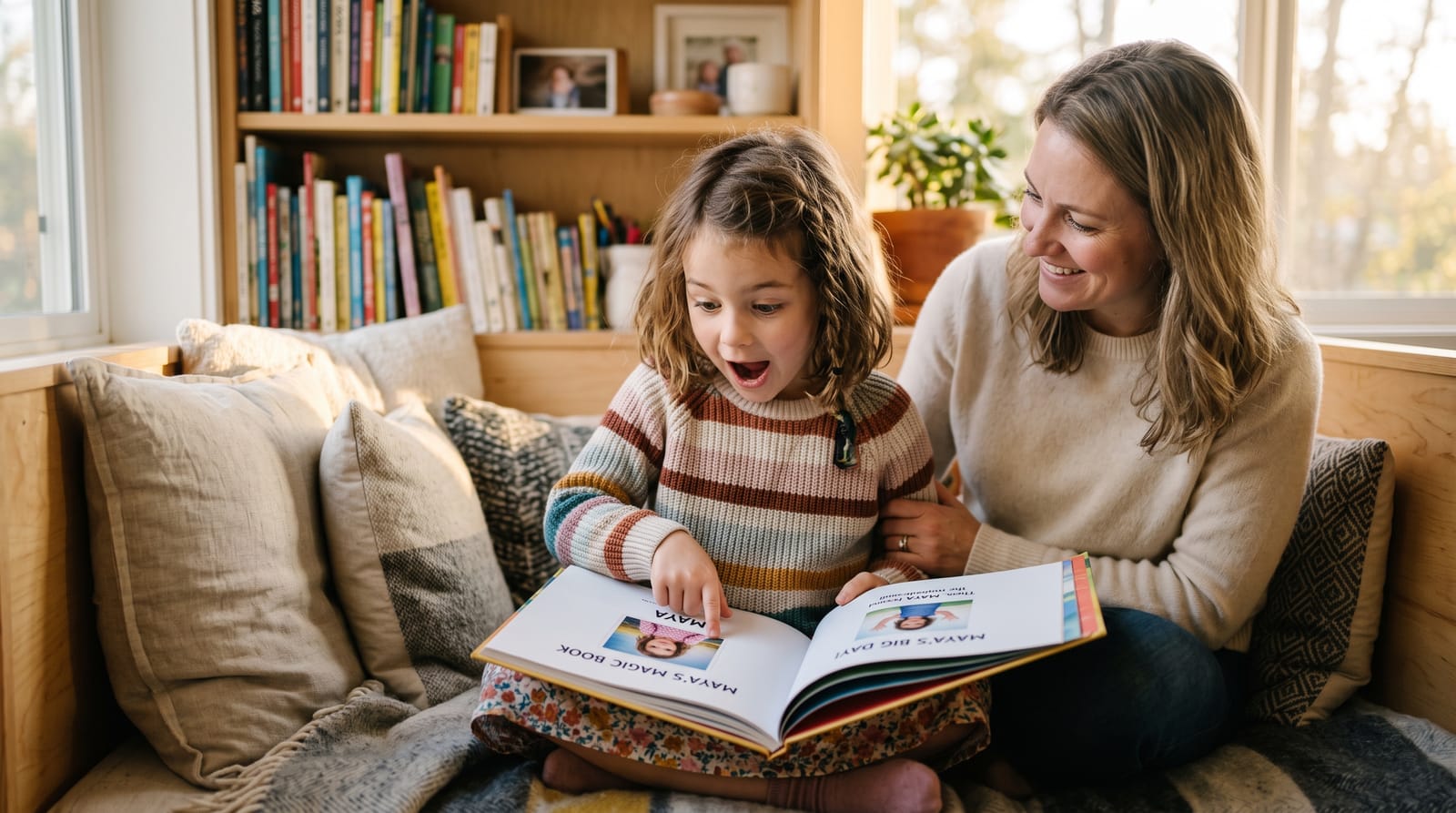
When a story is built around a child’s own name, appearance, and specific life experiences, the "window" of the book transforms into a "mirror." Here is how personalized books are addressing the evolving needs of today’s young readers.
Beyond Awareness: Normalizing Neurodiversity in the Picture Book
For a long time, books about children with "different brains" were often clinical or focused entirely on the challenges they faced. Today, a beautiful trend is emerging where neurodivergence—whether it is autism, ADHD, Tourette’s, or speech differences—is portrayed as a natural part of the human experience.
Modern authors are moving away from explaining a diagnosis and moving toward capturing the feeling of navigating the world with a unique perspective. We see stories that celebrate the "curiosities" of a wandering mind or the rhythmic beauty of a stutter. These stories don't just teach other children empathy; they give neurodivergent children a sense of belonging.
Personalized books take this a step further. When a child who struggles with sensory processing or social cues sees themselves as the protagonist of a story, it validates their reality in a way a generic character cannot. By integrating a child’s specific name into a narrative that celebrates "different ways of being," we move from "awareness" to "celebration." This is particularly impactful when using Personalized Books for Autism & ADHD to help children rehearse daily routines or find comfort in their unique rhythms.
The Power of Sensory Language
In the modern picture book, the text is becoming more sensory. It’s not just about what happens; it’s about how it feels. Authors are using prose that mimics the "flow of a river" or the "textures of a knitted sweater" to help children connect with the physical world. For a neurodivergent child, this sensory-heavy storytelling can be incredibly grounding. When personalized, these sensory details feel like they belong to the child’s own life, creating a deep emotional anchor.
Moving Toward Year-Round Cultural Joy
Another significant shift in the world of the picture book is the move toward "Black Joy" and the celebration of everyday cultural markers. For too long, diverse stories were relegated to specific months of the year or focused primarily on historical struggles. The modern trend, however, is to celebrate the "light" within every child—focusing on hair, clothing, community traditions, and the simple delight of being oneself.
This is where the Evolution of Personalized Representation in Picture Books becomes so vital. Representation shouldn't be a "special event." By making a child the hero of their own story every single day, we normalize their presence in every kind of narrative—from space adventures to quiet afternoons in the garden.
When a child of color sees a character who looks like them, shares their name, and is experiencing a story centered on joy rather than conflict, it builds a foundation of self-worth. It tells the child: "Your story is worth telling, not just because of your history, but because of who you are right now."
The Architecture of "Cozy": Creating a Sanctuary Through Story
In a world that often feels fast-paced and overwhelming, parents are increasingly seeking out "cozy" picture books. This trend, often referred to as hygge in children’s literature, focuses on creating a "hominess vortex."
What makes a book feel cozy? It’s a combination of:
- Warm Palettes: Using ambers, soft blues, and earthy tones.
- Visual Textures: Illustrations that make you want to reach out and touch a "knitted blanket" or "glowing lantern."
- Predictable Rhythms: Gentle, repetitive prose that lowers the heart rate.
- Atmospheric Detail: Focusing on the "twinkly lights" or the "sound of falling snow."
At StorytimeHero, we believe that the ultimate "cozy" experience is one where the child feels safe within the narrative. Personalization enhances this "architecture of belonging." When a child hears their name spoken in a gentle, rhythmic story about a winter’s night or a quiet forest, the book becomes a literal sanctuary. It’s not just a story being read to them; it’s a space created for them.
For parents looking to lean into this trend, exploring Personalized Winter Picture Books can be a wonderful way to establish a calming bedtime routine that fosters deep emotional connection.
Why Personalization is the "Next Chapter" for Picture Books
The traditional picture book is a masterpiece of art and word, but it is, by definition, static. Personalization introduces a dynamic element that addresses several modern parenting challenges:
1. Combating the "Attention Gap"
With the rise of digital distractions, keeping a toddler or preschooler engaged with a physical book can be a challenge. However, the "Name-Recognition Effect" is a powerful psychological tool. When a child hears their name, their brain naturally perks up. By making the child the hero, personalized books naturally command more attention and foster a deeper love for reading.
2. Building Narrative Competence
When a child is the protagonist, they aren't just observing a plot; they are practicing "being" in the world. They see themselves solving problems, being brave, and showing kindness. This helps build what experts call narrative competence—the ability to understand and construct one's own life story. This is a core part of How Personalized Books Support Parenting Goals, as it gives parents a framework to discuss complex emotions and milestones.
3. Strengthening Family Bonds
The act of reading a personalized book is inherently collaborative. It often leads to "off-script" conversations: "Look, that character has the same curly hair as you!" or "That’s your name on the cover!" This dialogue strengthens the Architecture of Belonging in Family Books, turning storytime into a shared legacy rather than a passive activity.
The Future of the Picture Book
As we look toward the future, the "picture book" will continue to evolve. We will see more stories that embrace the "messy" parts of childhood—the bad days, the sensory overloads, and the quiet moments of reflection. We will see a continued push for diverse voices that celebrate joy in all its forms.
And at the center of this evolution will be the child.
Personalized books are not just a "gift idea"; they are the logical next step in the journey of children’s literature. By taking the best elements of modern storytelling—the inclusivity, the sensory richness, and the emotional depth—and tailoring them to the individual child, we create a reading experience that is truly transformative.
In {YEAR}, every child deserves to be the hero. Every child deserves to see their "light" reflected in the pages of a book. By embracing the trends of neuro-inclusion, cultural joy, and cozy atmosphere, personalized books are ensuring that the magic of the picture book remains relevant, resonant, and deeply personal for generations to come.
---
Frequently Asked Questions
Related Reading
Free preview checklist
Get the personalized book gift checklist
Know what photo to use, what to write in the dedication, and what to review before ordering.