Resilience & Representation in Picture Books | StorytimeHero
Upload a photo
The landscape of children’s literature is undergoing a profound transformation. For decades, the traditional picture book served as a window into distant worlds—tales of talking animals, faraway kingdoms, or generic childhood milestones. But as we move through {YEAR}, the "window" is becoming a "mirror." Parents and educators are increasingly seeking stories that don’t just entertain, but also validate the specific, lived experiences of the children holding the book.
At StorytimeHero, we’ve observed that the most impactful stories today are those that lean into the complexities of identity, the nuances of neurodiversity, and the quiet power of emotional safety. When a child sees a character who navigates the world exactly as they do—perhaps with a stutter, a different way of processing sensory input, or a unique cultural heritage—the act of reading shifts from a passive pastime to an act of profound self-discovery.
Embracing Every Brain: Neurodiversity in the Modern Picture Book
One of the most significant shifts in contemporary storytelling is the visibility of neurodivergent characters. In the past, "difference" was often treated as a problem to be solved or a lesson to be learned by others. Today’s best literature treats neurodivergence as a fundamental part of a child’s whole self—a source of unique strengths as much as specific challenges.
Validating the "Bad Day"
Every child experiences frustration, but for children with sensory processing differences or emotional regulation challenges, a "bad day" can feel insurmountable. Modern stories are beginning to explore these moments with incredible tenderness. Instead of simply telling a child to "calm down," these narratives acknowledge that the world isn't always designed for everyone's comfort. They highlight the importance of finding one's "safe space"—whether that’s a physical corner, a specific rhythm of speech, or a quiet internal sanctuary.
Finding Voice in Nature and Rhythm
Communication isn't a one-size-fits-all experience. We are seeing a beautiful trend where authors use the natural world to mirror the way children speak and think. A stutter isn't portrayed as a "broken" way of talking, but rather as a movement with its own flow—much like a river that ebbs, flows, and crashes against rocks. This shift in perspective helps children move away from isolation and toward a sense of belonging. When we incorporate these themes into personalized books, the impact is doubled. Imagine a child who struggles with speech seeing their own name associated with the strength and beauty of a rushing river.
Cultural Celebration Beyond the Calendar
Another vital evolution is the push for year-round representation. For too long, diverse stories were relegated to specific "heritage months," making them feel like educational exceptions rather than part of the literary fabric. The modern movement in children’s publishing insists that Black joy, indigenous wisdom, and multicultural experiences should be celebrated every single day.
From Struggle to Joyful Celebration
While it is important to acknowledge historical struggles, there is a growing and necessary focus on "joyful representation." This means stories about the simple delights of childhood: a new outfit that makes you feel like a star, the rhythm of a favorite song, or the warmth of a community gathering.
When a picture book focuses on the vibrancy of a child's culture—the textures of their hair, the colors of their clothing, or the specific traditions of their family—it builds a foundation of self-worth. By utilizing personalized storytelling, parents can ensure that their child isn't just an observer of this joy, but the very heart of it. Seeing themselves as the hero of a story that celebrates their heritage helps solidify their identity in a world that is still learning how to be fully inclusive.
The Architecture of Sanctuary: The Rise of the 'Cozy' Book
In an era that often feels fast-paced and digitally overwhelming, there is a renewed craving for "coziness" in children’s literature. This isn't just about aesthetics; it’s about creating an emotional sanctuary. A cozy story functions as a "hominess vortex," pulling the reader into a space of safety and peace.
Sensory Details and the 'Hygge' Effect
What makes a book feel truly cozy? It’s often found in the sensory details—the visual texture of a knitted sweater, the glow of a warm lamp, or the descriptive language that evokes the scent of rain or the hush of falling snow. These elements help ground a child in the present moment.
The "cozy" trend in the modern picture book often explores themes of community care. It might be a story about someone who works tirelessly to bring warmth to their neighbors, or a tale about the quiet comfort of a shared blanket. This type of narrative is particularly effective for bedtime, as it lowers cortisol and prepares the brain for rest. For more on this, you might enjoy reading about The Architecture of Cozy in Picture Books.
How Personalization Bridges the Gap
While traditional publishing is making great strides in representation and emotional depth, it can still be difficult to find a book that hits every single note for your specific child. This is where the power of personalized books becomes transformative.
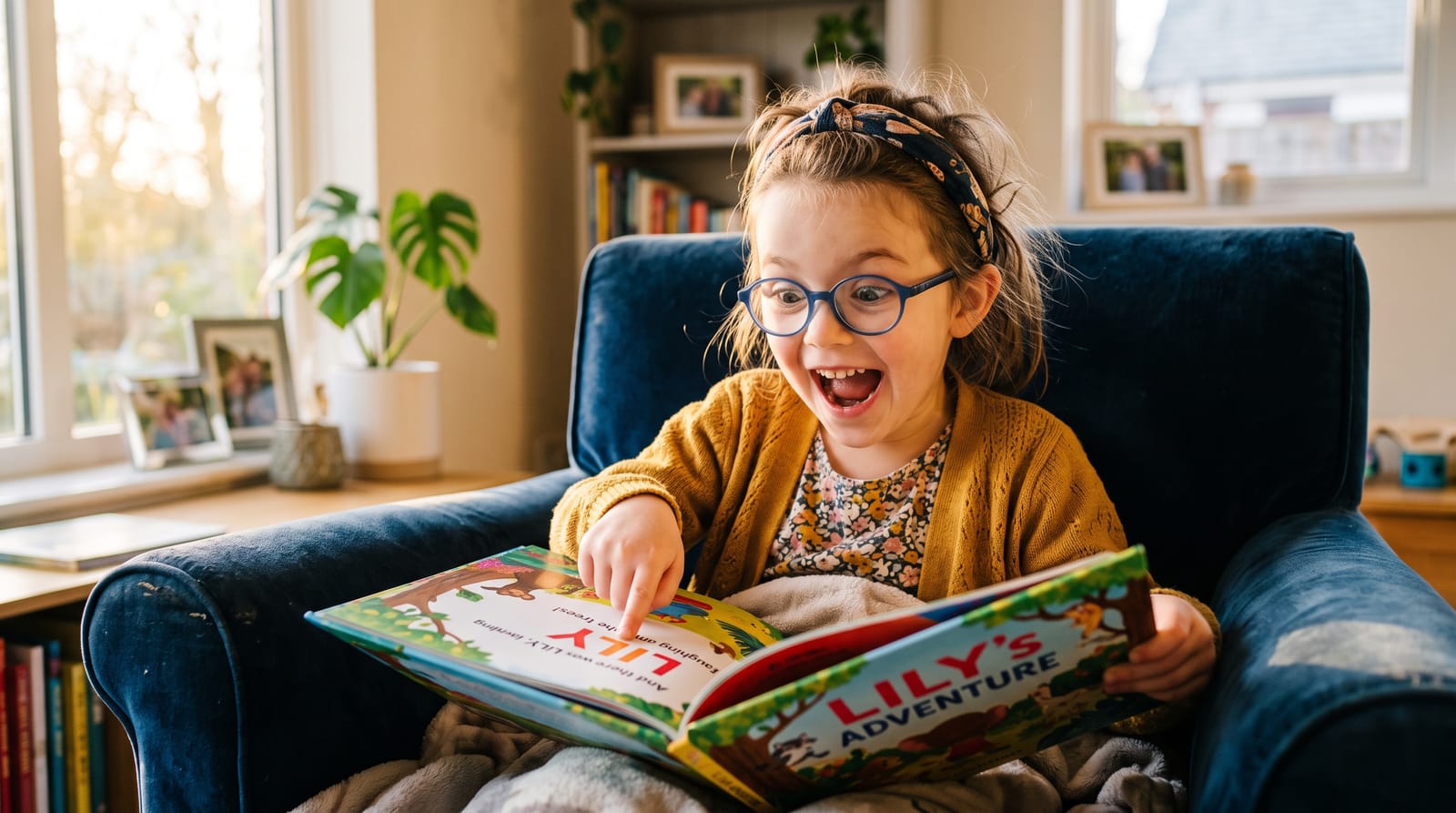
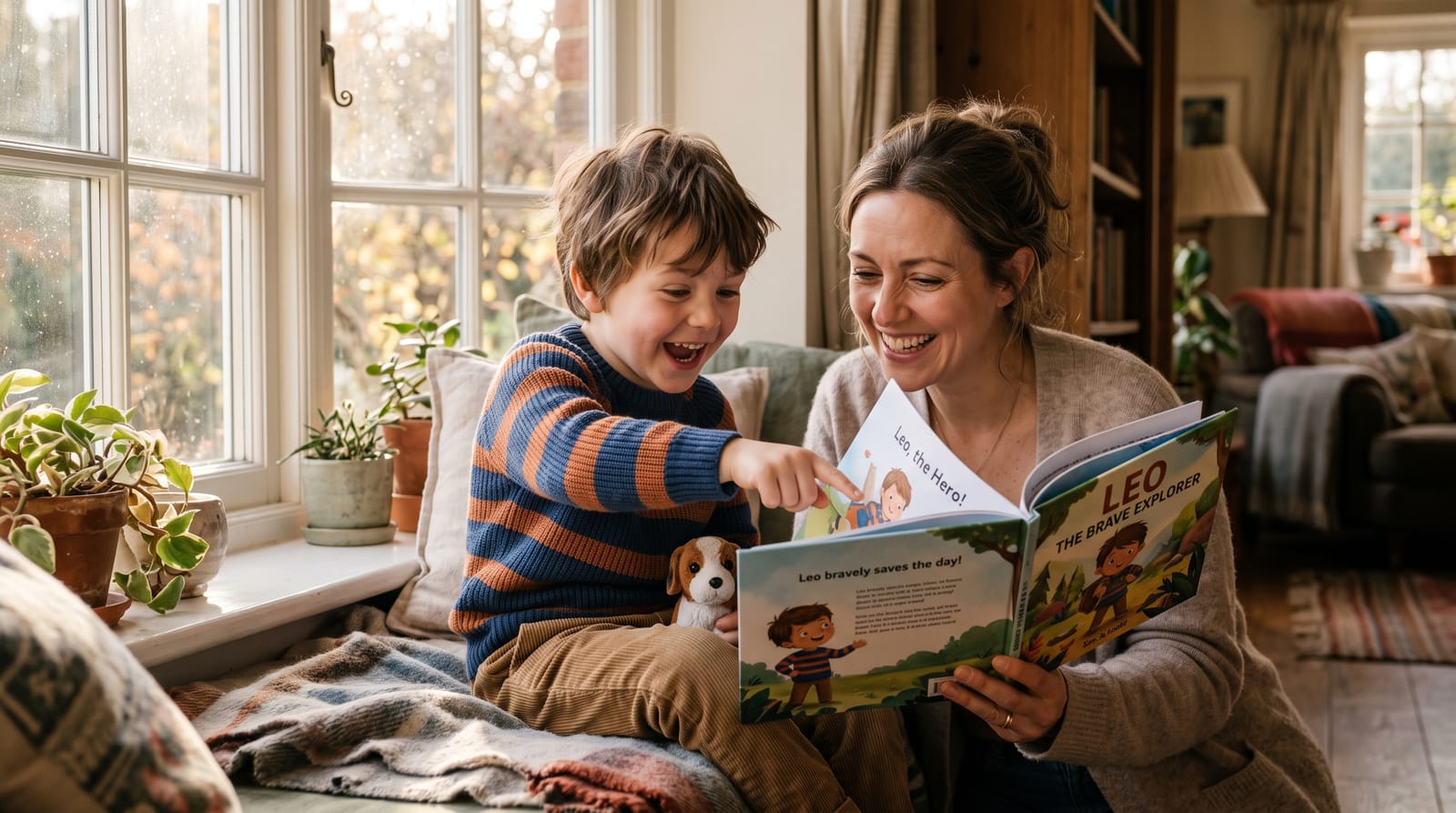
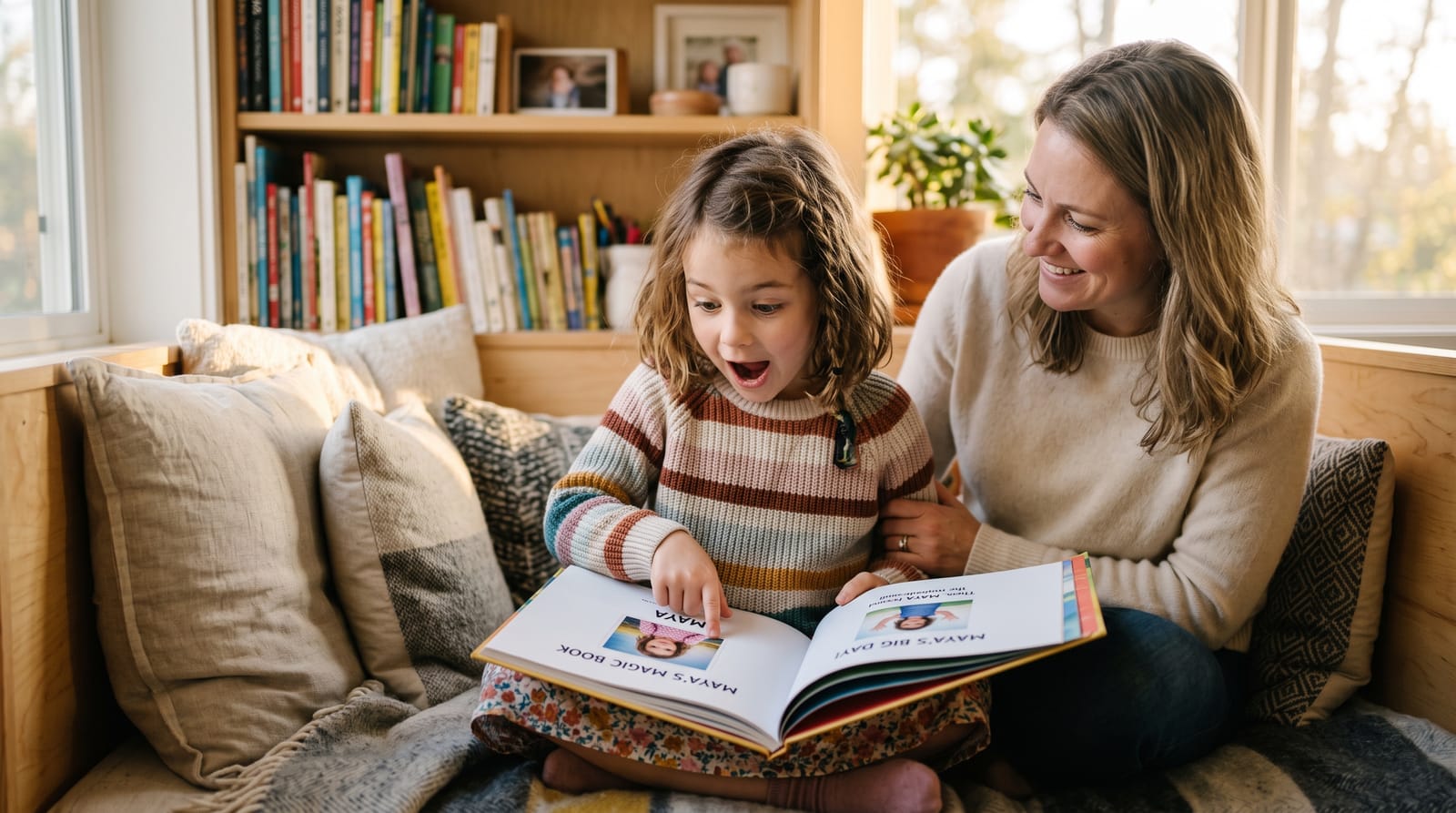
Personalization isn't just about swapping a name; it's about narrative integration. When a child sees their own likeness and name within a story that addresses these modern themes—whether it’s neurodiversity, cultural pride, or emotional resilience—the "lesson" of the book becomes a personal truth.
- Direct Engagement: A child who sees themselves in the story is more likely to stay engaged, which is crucial for reluctant readers or those with shorter attention spans.
- Emotional Safety: If a story is about overcoming a fear or navigating a difficult day, having the child as the protagonist allows them to "rehearse" bravery in a safe environment.
- Strengthening Bonds: Reading a personalized story together creates a shared history between the parent and the child. It says, "I see you, and I value your specific journey."
As we explore the Evolution of the Modern Picture Book, it’s clear that personalization is the next logical step in making literature truly inclusive.
Why This Matters for the Next Generation of Readers
The goal of the modern picture book is no longer just literacy; it’s empathy, resilience, and identity. When we provide children with stories that reflect their whole selves—including their challenges and their triumphs—we give them the tools to navigate a complex world.
By choosing books that celebrate neurodiversity, prioritize joyful representation, and offer sensory comfort, we are doing more than just reading a story. We are building a foundation of mental well-being. And when we add the layer of personalization, we turn that foundation into a fortress of self-esteem.
In {YEAR}, the most "successful" book in your child’s library won't necessarily be a bestseller. It will be the one that makes them feel seen, heard, and deeply loved. Whether it's a story about a "bad day" that turns into a moment of connection or a celebratory tale of cultural fashion, these narratives are the ones that stick with a child for a lifetime.
To understand more about how these stories are changing the game, check out our piece on How Personalized Books Redefine the Picture Book.
***
Frequently Asked Questions
Related Reading
If you enjoyed this exploration of the modern picture book, you might find these other articles from StorytimeHero helpful:
- Personalization and the Modern Picture Book - A deep dive into how belonging is crafted through custom narratives.
- How Personalized Books Support Family Connection - Exploring the role of stories as a "narrative anchor" for families.
- How Personalization Reshapes the Picture Book - An analysis of how resonance is achieved when the reader becomes the star.
- Personalized Picture Books: A New Way to Get Cozy - Practical tips for creating a warm, inviting reading environment.
- The Calliope-Callisto Effect: Personalized Books & Wisdom - Understanding the psychological impact of seeing one's name in print.
At StorytimeHero, we believe every child deserves to be the hero of their own story. By combining the best trends of the modern picture book with the magic of personalization, we’re helping parents create keepsakes that do more than just sit on a shelf—they build a lifetime of confidence.
Free preview checklist
Get the personalized book gift checklist
Know what photo to use, what to write in the dedication, and what to review before ordering.