How Personalized Books Redefine the Picture Book | StorytimeHero
Upload a photo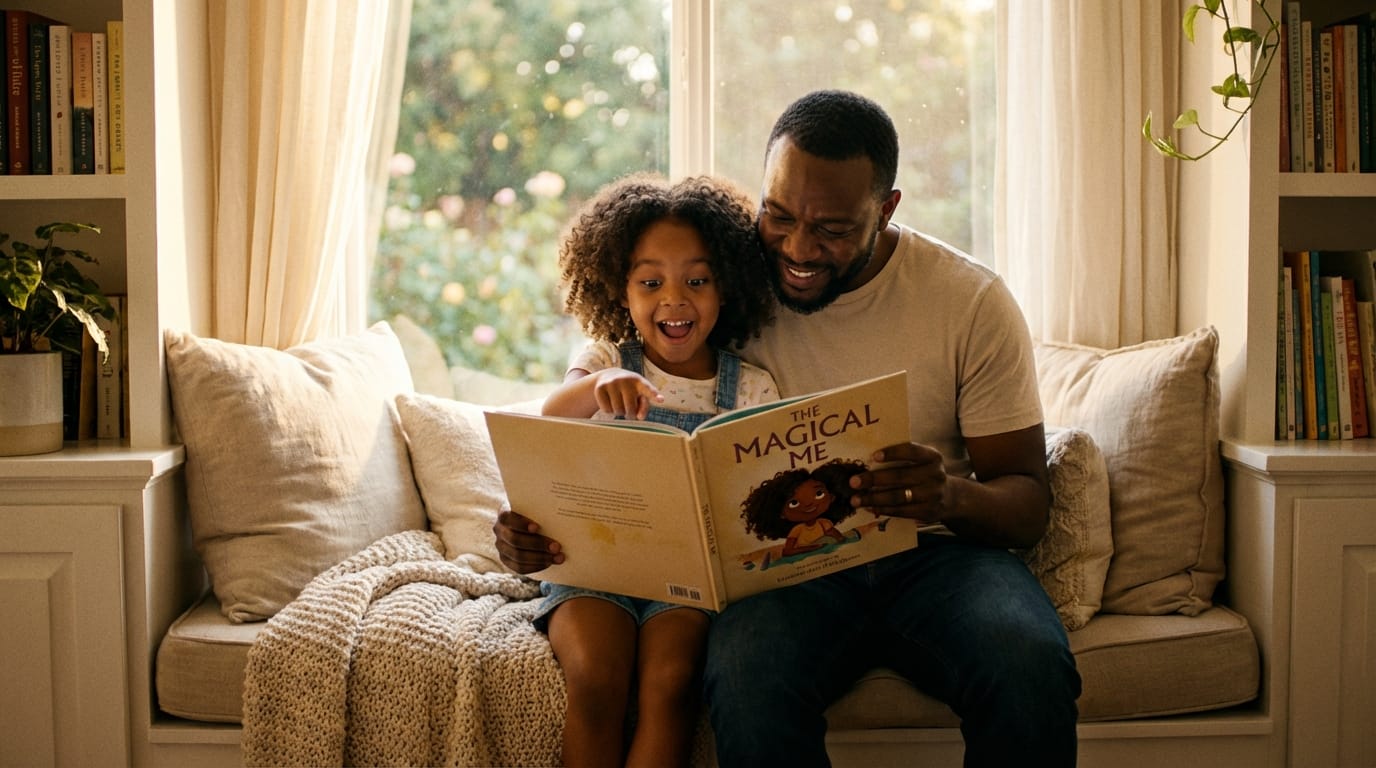
The magic of a traditional picture book lies in its ability to transport a child to a world beyond their own bedroom walls. For decades, these stories have served as windows, offering glimpses into different lives, magical realms, and historical moments. But as we move through {YEAR}, a significant shift is occurring in how we define the "perfect" story. We are moving from the era of the "window" to the era of the "mirror."
In this new landscape, the picture book is no longer just a static object to be observed; it is becoming a dynamic space where the child is the primary resident. By integrating personalization into the core of children’s literature, we are seeing a profound evolution in how stories address sensitive topics like neurodiversity, cultural representation, and emotional well-being.
Centering the Individual in the Neurodivergent Experience
One of the most powerful trends in modern storytelling is the rise of books that celebrate different ways of thinking. We are finally moving away from a "one-size-fits-all" model of childhood, acknowledging that every brain navigates the world with its own set of rhythms and "curiosities."
Traditional narratives often feature neurodivergent characters as secondary figures or as "lessons" to be learned by others. However, when we apply the lens of a personalized book, the child with a unique way of speaking, moving, or processing sensory input becomes the undisputed hero.
Imagine a story where a child who stutters doesn't just read about a boy whose voice flows like a river—they read about themselves finding that same rhythm. When a child sees their own name attached to a character who experiences the world with intense sensitivity or unique focus, it validates their internal reality. It transforms a "challenge" into a core part of their heroic journey. This shift helps bridge the gap between feeling "different" and feeling "essential." By making the child the protagonist of a story that honors their specific perspective, we foster a sense of belonging that traditional, broader narratives sometimes miss.
Representation Beyond History: Celebrating Everyday Joy
For too long, representation in children’s literature—particularly for Black families and other communities of color—was often relegated to historical struggle or specific commemorative months. The modern picture book movement is correctly pushing for "joy-forward" narratives that celebrate hair, clothing, community, and simple daily delights year-round.
Personalized books take this a step further by ensuring that a child’s specific identity is the "default" for adventure. When a child sees an illustration that mirrors their own skin tone, hair texture, and family structure in a story about something as universal as a trip to the park or a dream about fashion, it sends a powerful message: Your joy is worthy of a book.
In these stories, cultural markers aren't just background details; they are part of the hero's identity. Whether it's a story celebrating the "light" within every child or a tale about a creative spirit breaking boundaries in the world of design, personalization ensures the child doesn't have to imagine themselves in the role. They are already there. This creates a lasting impact on self-esteem, as the child grows up seeing themselves as the center of stories that are filled with light, laughter, and success rather than just struggle.
The Architecture of Emotional Safety and "Hygge"
There is a tactile, sensory side to the picture book that is often overlooked. It’s the "cozy" factor—the feeling of being tucked in, safe, and surrounded by warmth. This concept, often associated with the Danish term hygge, is about more than just blankets and fireplaces; it’s about creating an atmosphere of emotional security.
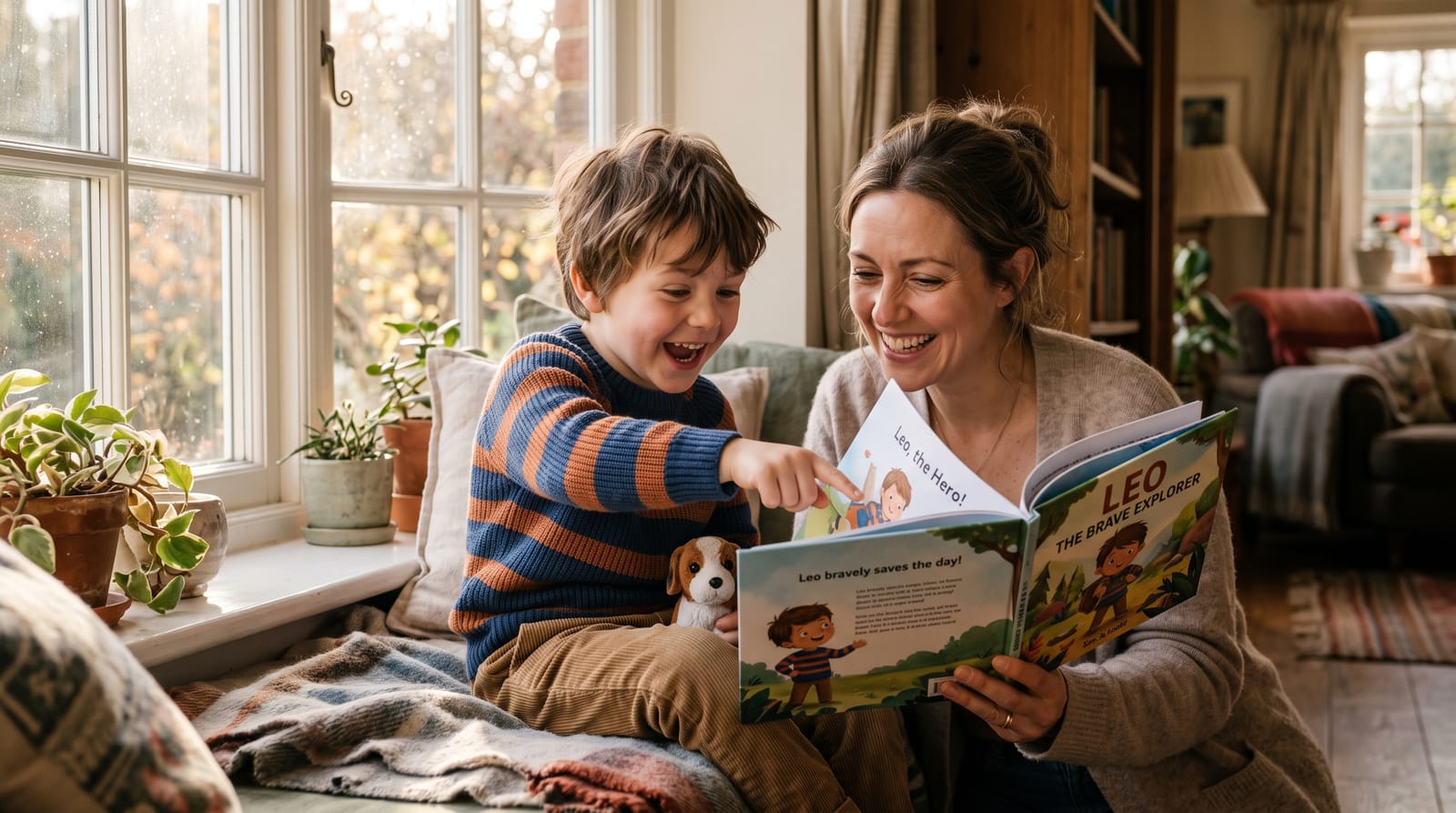
Personalized books enhance this sense of safety by weaving the child’s familiar world into the narrative. When a story mentions the child’s hometown, their favorite toy, or even their pet, the "fictional" world of the book begins to merge with the child's "safe" world. This creates a unique sensory sanctuary.
For a child who has had a "bad day"—perhaps feeling overwhelmed by school or social pressures—retreating into a book where they are the hero provides a level of comfort that a generic story cannot match. It’s a form of narrative therapy. The story becomes a place where they are always understood, always capable, and always home. This is particularly effective in personalized winter picture books, where the themes of hibernation and warmth are already at the forefront.
Why Personalization is the Future of the Picture Book
The evolution of the picture book is moving toward deeper intimacy. As parents and educators, we are looking for ways to make reading more than just a pre-bedtime chore. We want it to be an experience that builds a child's "narrative identity"—the internal story they tell themselves about who they are and what they can achieve.
StorytimeHero and other innovators in this space are proving that a book is most effective when it speaks directly to the reader. By addressing the child by name and placing them in scenarios that reflect their lived or desired experiences, we are using the picture book as a tool for building resilience.
1. It Increases Engagement for Reluctant Readers
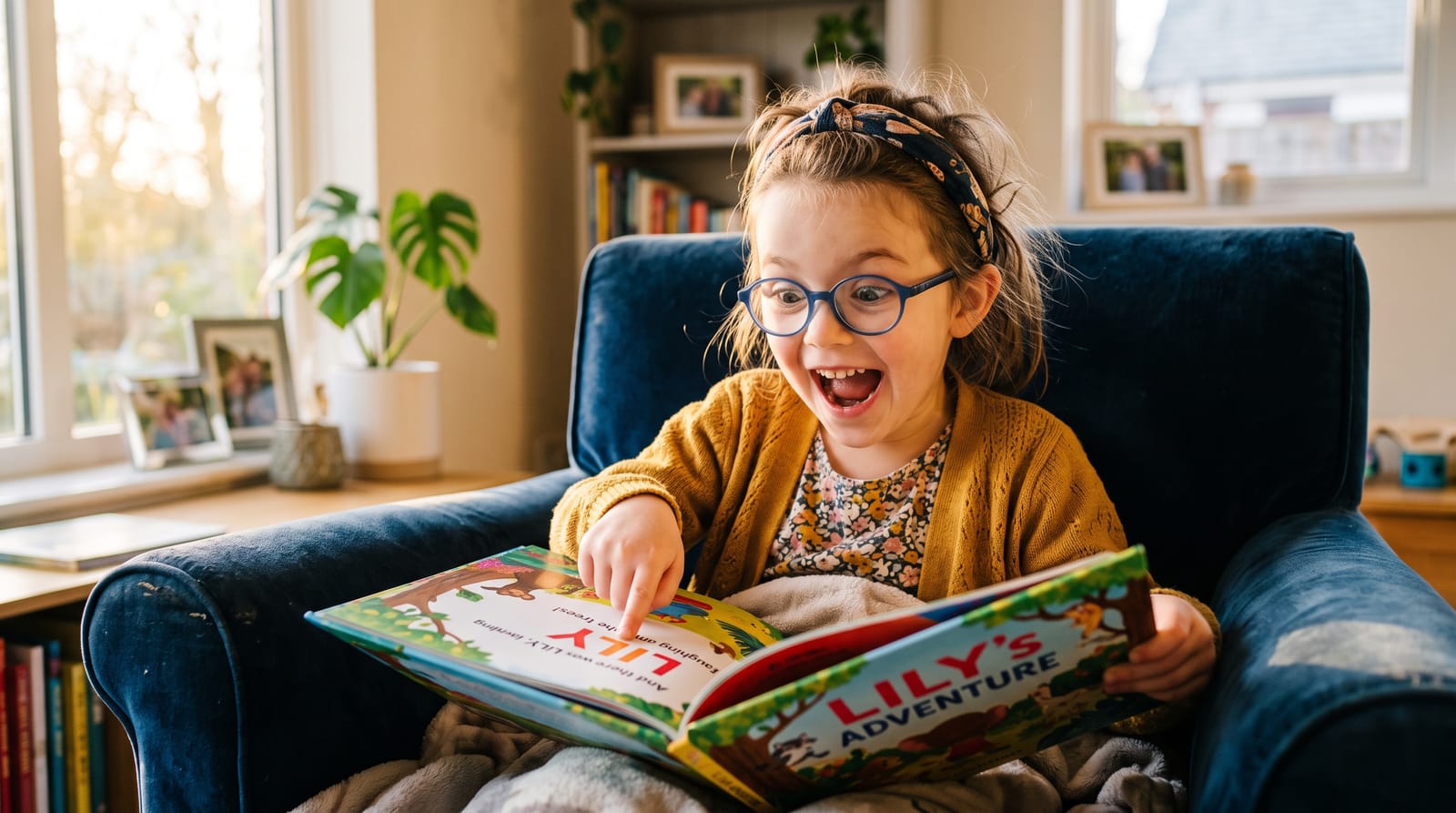
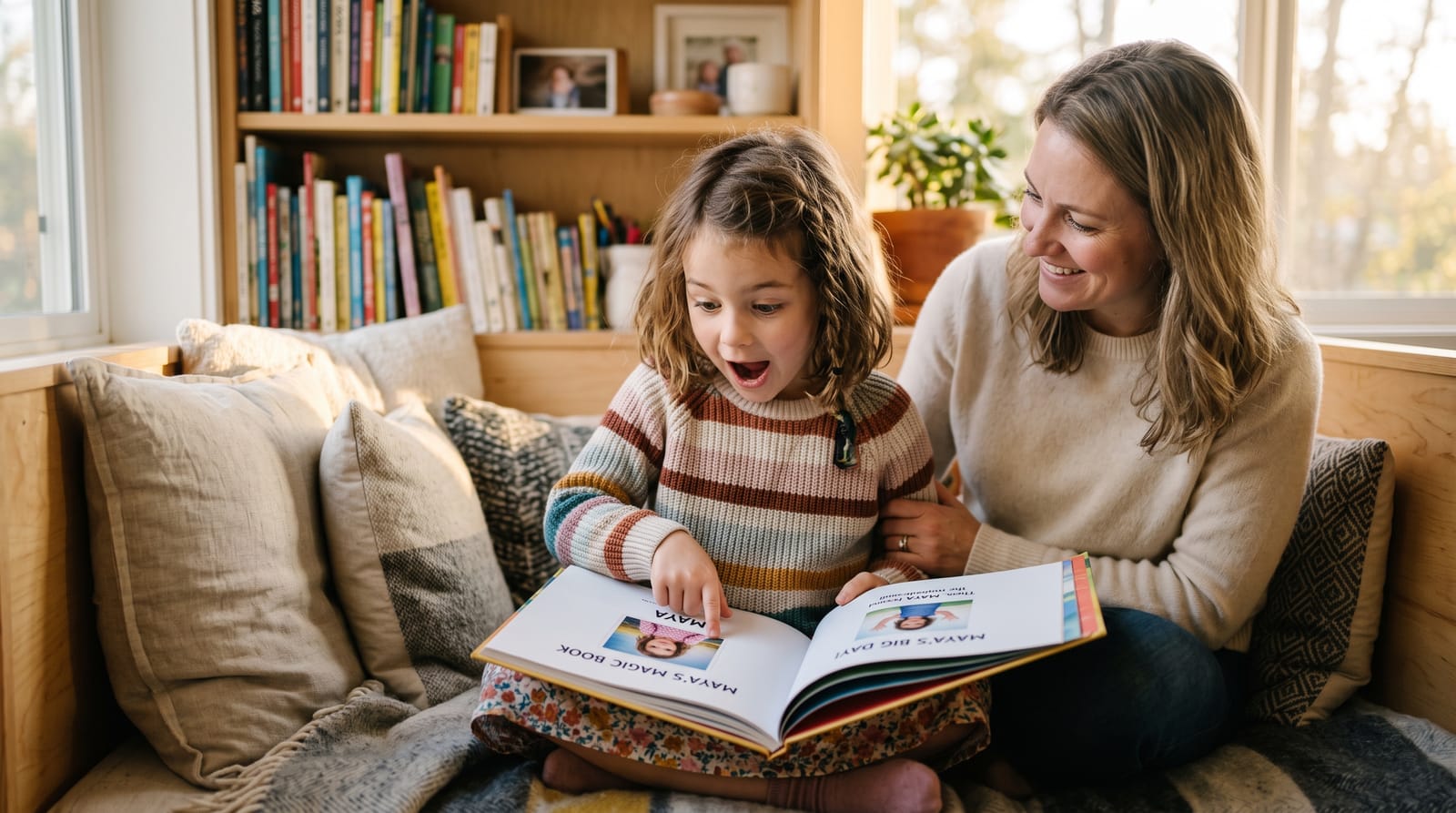
When a child sees their own face or name on the cover, the "buy-in" is immediate. They aren't just reading a book; they are investigating a mystery about themselves. This is a crucial hook for children who might otherwise struggle to focus on a page of text.
2. It Facilitates Difficult Conversations
Whether it's discussing ADHD and routines or navigating the complexities of inclusive storytelling, having the child as the protagonist makes these topics more accessible. It’s much easier to talk about "how you handled that big emotion in the story" than to talk about a character the child doesn't feel a connection to.
3. It Creates a Permanent Legacy
A personalized book isn't just a reading tool; it’s a keepsake. It captures a snapshot of who the child was at a specific age—their interests, their appearance, and their place in the family. This contributes to the architecture of belonging that every child needs to thrive.
Conclusion: Making the Hero Real
The modern picture book is no longer a one-way street where an author speaks to a child. It is becoming a conversation. By embracing themes of neurodiversity, cultural joy, and emotional coziness through personalization, we are giving children the greatest gift a story can offer: the realization that they are the hero of their own life.
At StorytimeHero, we believe that every child deserves to see themselves in the pages of a beautiful book. Not just as a background character, but as the one who solves the problem, discovers the magic, and finds the way home. As the world of children's literature continues to evolve, the most important "trend" will always be the one that makes a child feel seen, heard, and loved.
---
FAQ: What Parents Ask About Personalized Picture Books
Q: Are personalized books only for younger children who are just learning to recognize their names?
A: Not at all! While the "name-recognition effect" is a powerful tool for toddlers and preschoolers, older children benefit immensely from the psychological boost of being the protagonist. For school-aged kids, personalization can help them navigate complex social situations or build confidence in their unique abilities, like neurodivergent strengths.
Q: Can personalized books help with specific behavioral challenges, like "bad days" or school anxiety?
A: Yes. Many parents use personalized stories as "social scripts." By seeing themselves successfully navigate a challenging day in a book, children can mentally rehearse those positive outcomes in real life. It provides a safe, low-stakes environment to process big feelings.
Q: How do personalized books handle representation for diverse family structures?
A: This is one of the biggest strengths of the modern personalized book. Unlike traditional mass-market books, which may only feature a "nuclear" family, personalized platforms often allow you to customize the adults in the story, ensuring that children from all types of families—including single-parent households, multi-generational homes, or LGBTQ+ families—see their reality reflected accurately.
---
Related Reading
- **Personalization and the Modern Picture Book:** A deep dive into how custom stories are changing the landscape of inclusive literature.
- **The Architecture of Belonging in Family Books:** How stories create a sense of place and safety for children within the family unit.
- **ADHD: Using Stories to Rehearse Routines:** Practical tips for using personalized narratives to help children with ADHD manage daily transitions.
- **A Guide to Cozy Winter Reading:** How to create the perfect "hygge" reading environment for your little hero.
Free preview checklist
Get the personalized book gift checklist
Know what photo to use, what to write in the dedication, and what to review before ordering.