The Narrative Glue: Custom Books & Family Identity | StorytimeHero
Start a cover preview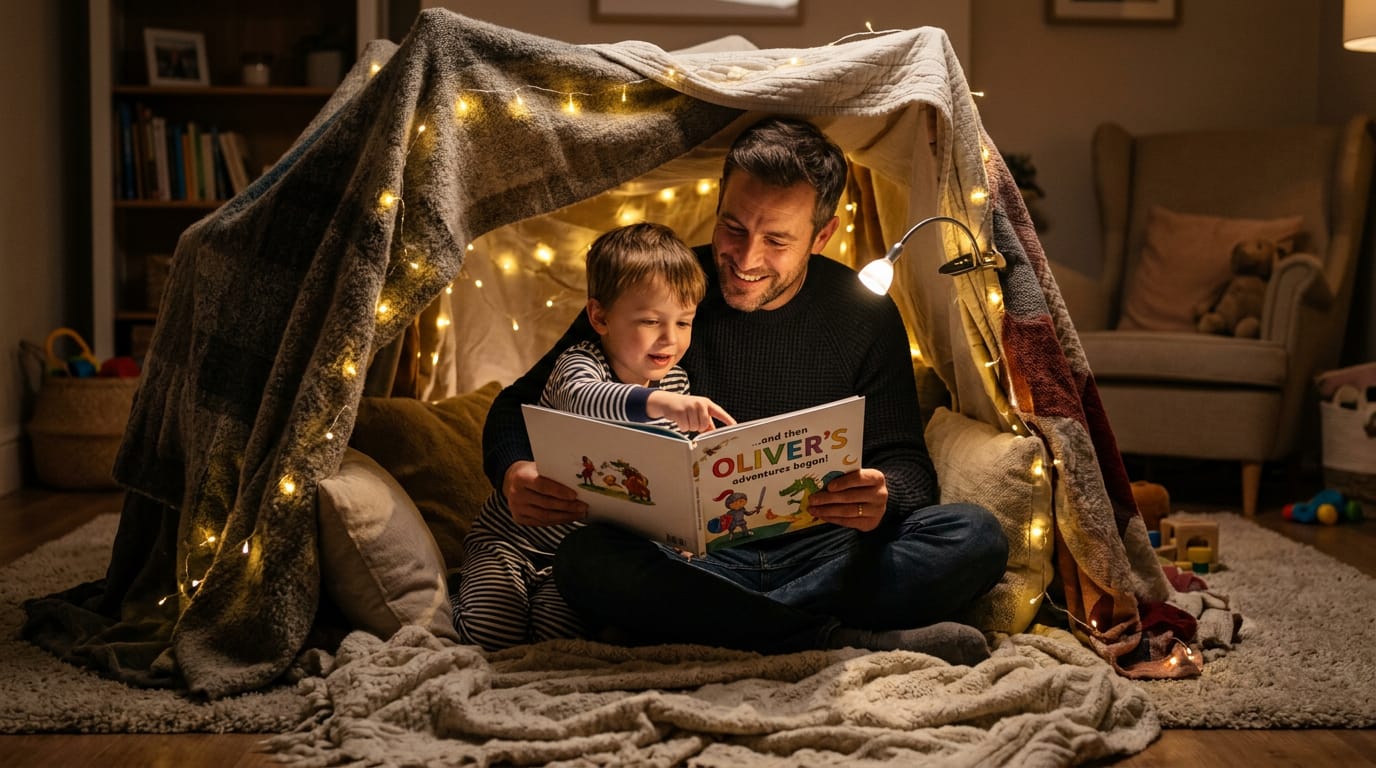
In the whirlwind of modern parenting, we often find ourselves searching for the "secret sauce" that makes a family feel like a cohesive unit. We look for it in the big moments—the international vacations where we learn new phrases together, the festive holiday dinners with slow-cooked recipes passed down through generations, or the Friday night movie marathons where we revisit the classics that defined our own childhoods.
But while these milestones are beautiful, the true essence of a family is often forged in the quiet, repetitive spaces in between. It is found in the stories we tell ourselves about who we are. This is where the concept of the "family narrative" becomes vital. In {YEAR}, one of the most powerful tools for anchoring this identity is the personalized children’s book.
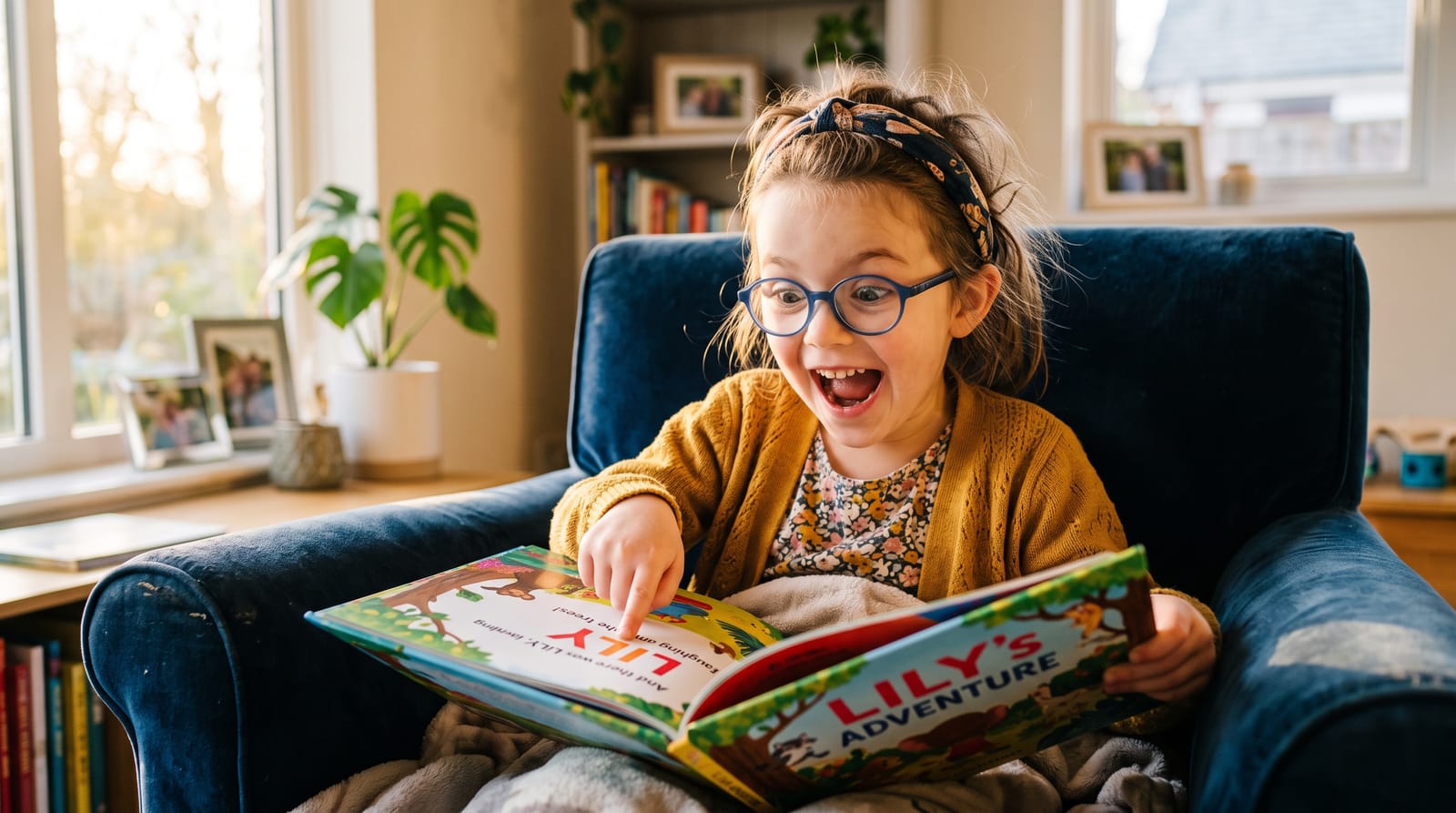
At StorytimeHero, we believe that when a child sees themselves—and their family—woven into the fabric of a story, it does more than just encourage literacy. It creates a sense of "narrative glue" that binds the family together across generations and experiences.
The "Unconventional" Power of Shared Stories
When we think about family rules, we often think about chores or screen time. However, some of the most impactful "unconventional" rules involve how we protect our time together. Just as some families decide to ditch homework during a vacation to prioritize presence, or commit to learning a new language to respect a new culture, choosing to prioritize personalized storytelling is a commitment to the family’s internal culture.
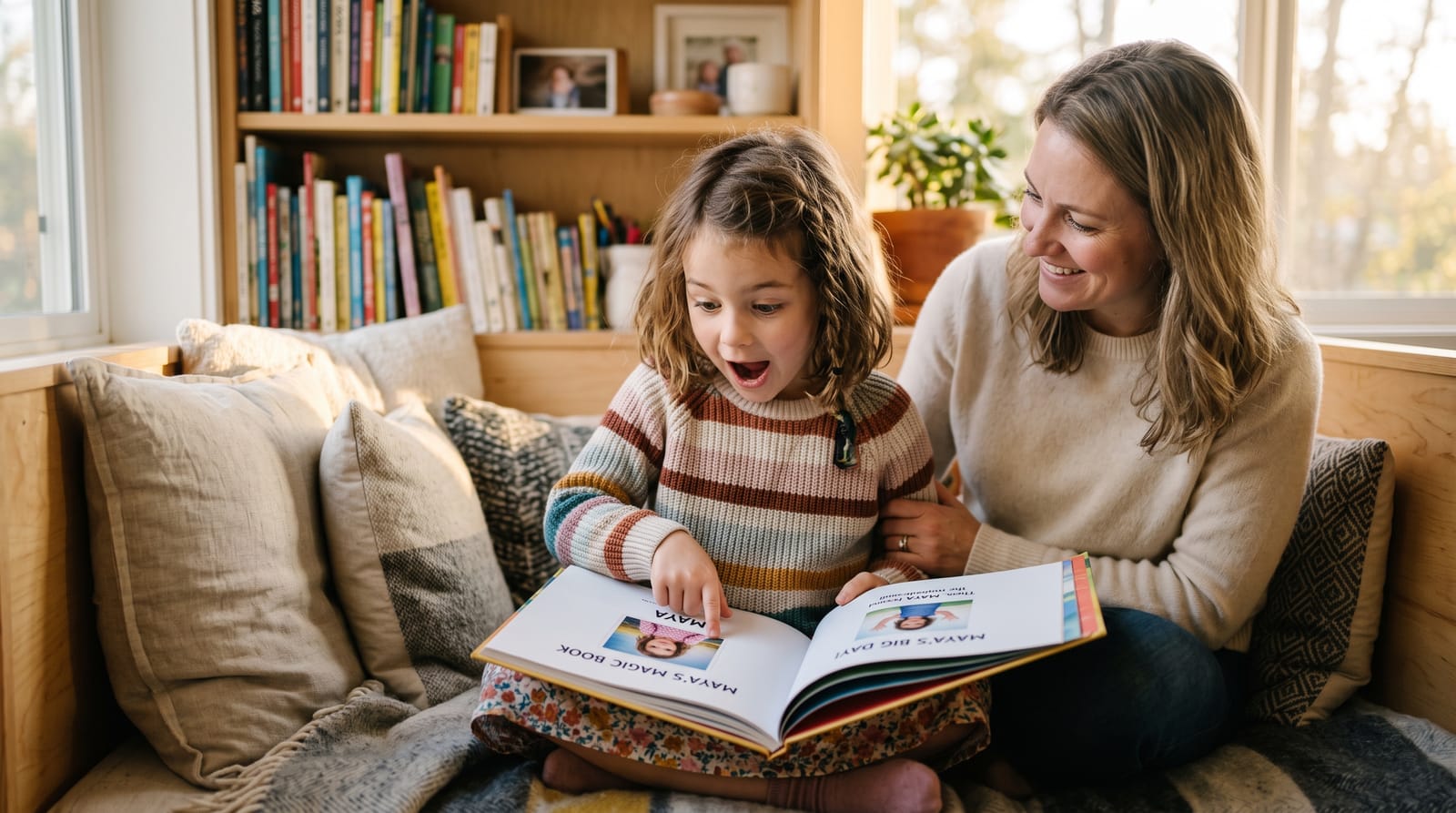
Personalized books act as a mental "private car service" for the imagination. They remove the barriers to entry that some children feel when they don't see themselves represented in traditional media. By placing the child at the center of the adventure, these stories signal that the child’s life is worthy of being documented, celebrated, and shared.
This is particularly important in a world that is increasingly digital and fast-paced. A physical book that features your family’s names, your specific dog, or a journey that mirrors your own values provides a tangible anchor. It says, "In this house, this is our story."
The "Rewatch" Factor: Why Familiarity Breeds Security
Think back to the family movies of the 1990s. There was a certain magic in the "video store era"—the act of picking out one film and rewatching it until the dialogue was memorized. There is a psychological comfort in that repetition. It builds a shared vocabulary; a single quote from a talking pig or a bumbling adventurer can trigger a decade’s worth of family inside jokes.
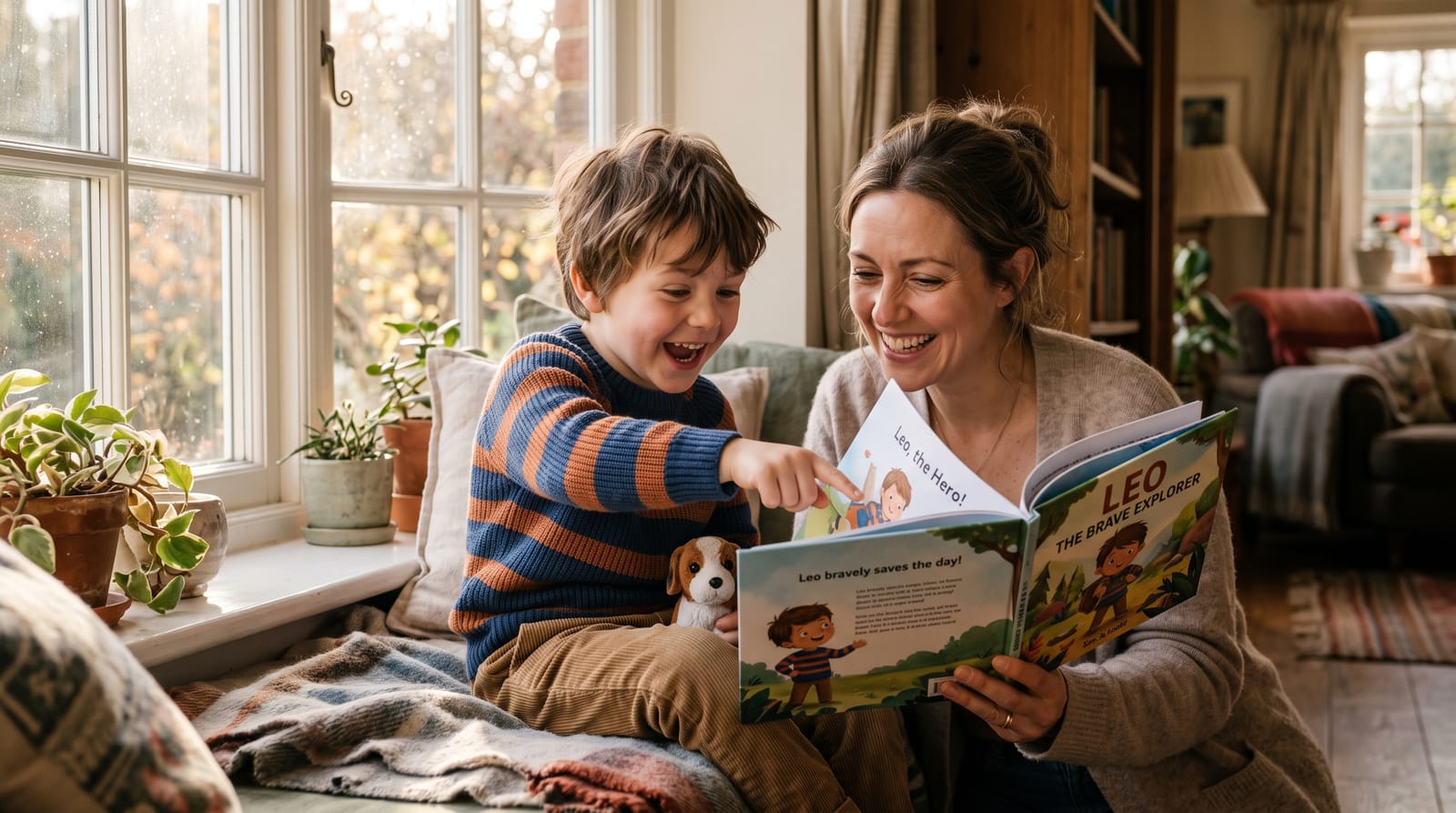
Personalized books tap into this same "rewatch" (or re-read) factor. When a book is about them, children are naturally more inclined to return to it night after night. This repetition isn't just about entertainment; it’s about reinforcing their place in the world.
How Personalized Books Redefine the Picture Book often involves this shift from a "one-off read" to a "cherished artifact." In the same way that a favorite movie becomes a household staple, a personalized story becomes a foundational text for the child’s developing ego. They aren't just reading a story about a hero; they are witnessing their own capacity for bravery, kindness, or curiosity.
Building Traditions Without the Stress
We often put a lot of pressure on ourselves to create "perfect" traditions. We imagine elaborate St. Patrick’s Day feasts or perfectly coordinated holiday photos. But the most sustainable traditions are often the ones that require the least amount of "prep" and the most amount of "presence."
A personalized book is a "low-prep, high-impact" tradition. It doesn’t require a slow cooker or ten hours of simmering. It only requires a few minutes at the end of the day. By integrating these stories into the bedtime routine, you are Building Modern Family Culture with Personalized Books in a way that feels organic rather than forced.
Over time, these books become a "Living Family Narrative." They capture a snapshot of who the child was at a specific age—their interests, their appearance, and the people who loved them. Unlike a digital photo album that might get lost in the cloud, a personalized book sits on the shelf, ready to be pulled down whenever the family needs a reminder of their shared bond.
The Language of Belonging
In travel, we often learn that knowing just a few key phrases in a local language can transform an experience from "tourist" to "guest." The same is true within a family. Every family has its own "language"—its own set of values, quirks, and stories.
Personalized books help children learn the "key phrases" of their own family identity. When a story emphasizes a family’s love for nature, their resilience in the face of challenges, or their specific way of showing affection, it validates those traits for the child. It helps them understand the "rules" of belonging in their specific tribe.
This sense of belonging is a powerful shield against the outside world. When a child knows they are part of a strong Living Family Narrative, they carry that confidence with them into school, friendships, and eventually, adulthood.
Why Personalization Matters More Than Ever in {YEAR}
We live in an era of "mass customization," but there is a difference between a product that has your name on it and a story that has your soul in it. In {YEAR}, parents are looking for ways to cut through the noise of generic content.
Personalized books address the family by:
- Validating the Individual: In a large family, it can be easy for a child to feel like "one of the pack." A book where they are the sole protagonist gives them a dedicated space to shine.
- Bridging the Generational Gap: When grandparents read a book to a child that features the child’s name and likeness, it creates a unique point of connection that bypasses the "age gap."
- Preserving "The Now": Kids change so fast. A personalized book acts as a time capsule, preserving the magic of their current age in a way that a standard book cannot.
By Mapping Family Identity with Personalized Books, parents are essentially creating a roadmap for their child’s self-esteem. They are showing them that they are the hero of their own life, supported by a cast of family members who are always in their corner.
Creating a Legacy of Literacy and Love
Ultimately, the goal of any family activity—whether it’s a trip to Disneyland or a simple walk in the park—is to build a reservoir of positive memories. Personalized books are a unique way to ensure that those memories are tied to the act of reading.
When a child associates books with the feeling of being seen and loved by their family, they develop a lifelong passion for stories. They don't just see reading as a school requirement; they see it as a doorway to connection. This is the ultimate gift we can give our children: the knowledge that their story is worth telling, and that they have a family who will always be there to read it with them.
In the end, personalized books aren't just about the "me"; they are about the "us." They are a celebration of the unique, messy, beautiful unit that is a family. And in a world that can often feel fragmented, that "narrative glue" is more precious than ever.
---
FAQ: Common Questions About Personalized Family Books
Q: Are personalized books only good for younger children?
While toddlers and preschoolers especially love the "magic" of seeing their name and face in a book, older children (up to ages 8-10) often appreciate the humor and the specific details that reflect their growing personalities. It becomes less about the "magic" and more about the "tribute" to who they are.
Q: How do personalized books help with siblings?
Personalized books are a great way to give each child "special time." While many families read together, having a book that is specifically about one child allows that child to feel prioritized. Conversely, many books now allow for multiple characters, which can help siblings see themselves as a "team" working together toward a common goal.
Q: Can these books help with "difficult" family transitions?
Yes. Personalized stories are often used by parents to help children navigate moving to a new house, the arrival of a new sibling, or even coparenting situations. By placing the child in the story, you can "rehearse" these changes in a safe, fictional environment, making the real-life transition feel more manageable.
---
Related Reading
Free preview checklist
Get the personalized book gift checklist
Know what photo to use, what to write in the dedication, and what to review before ordering.