How Personalized Books Redefine the Picture Book | StorytimeHero
Upload a photo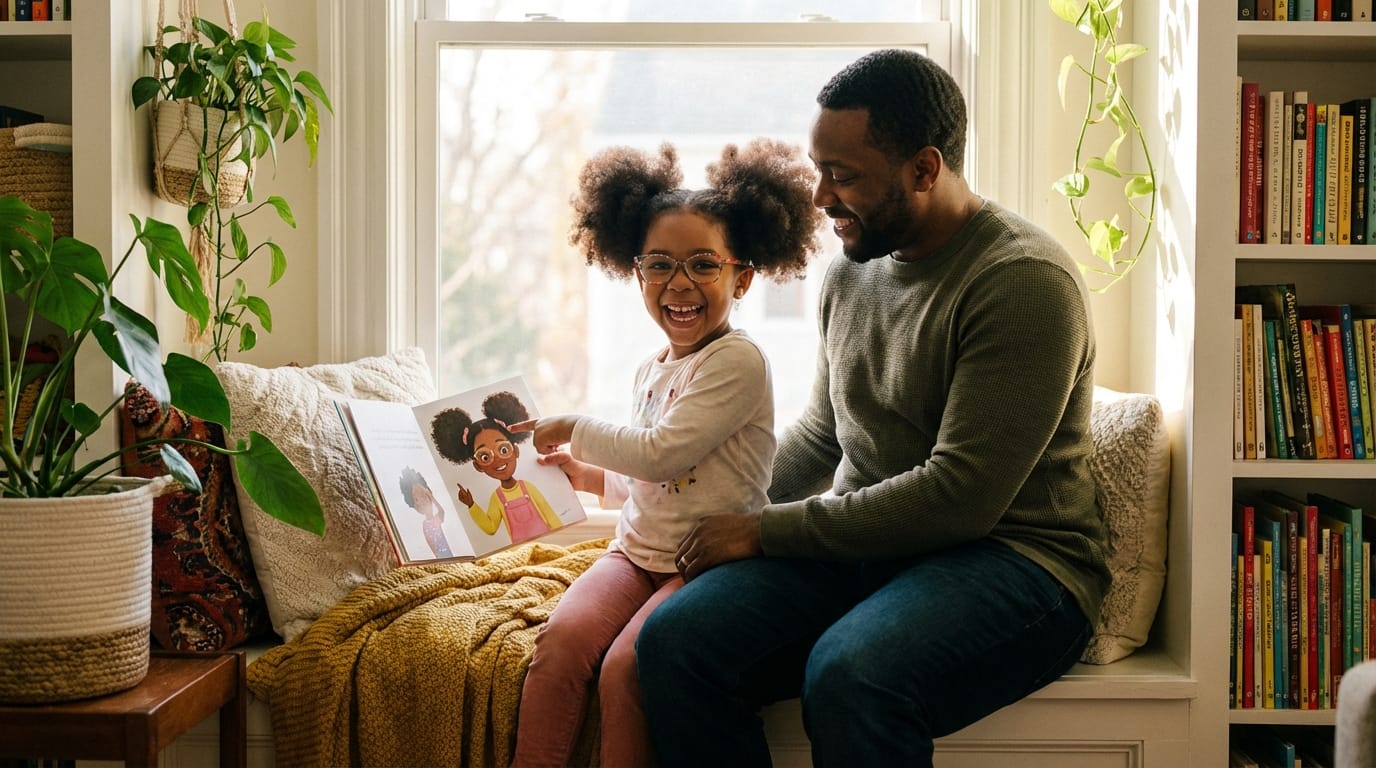
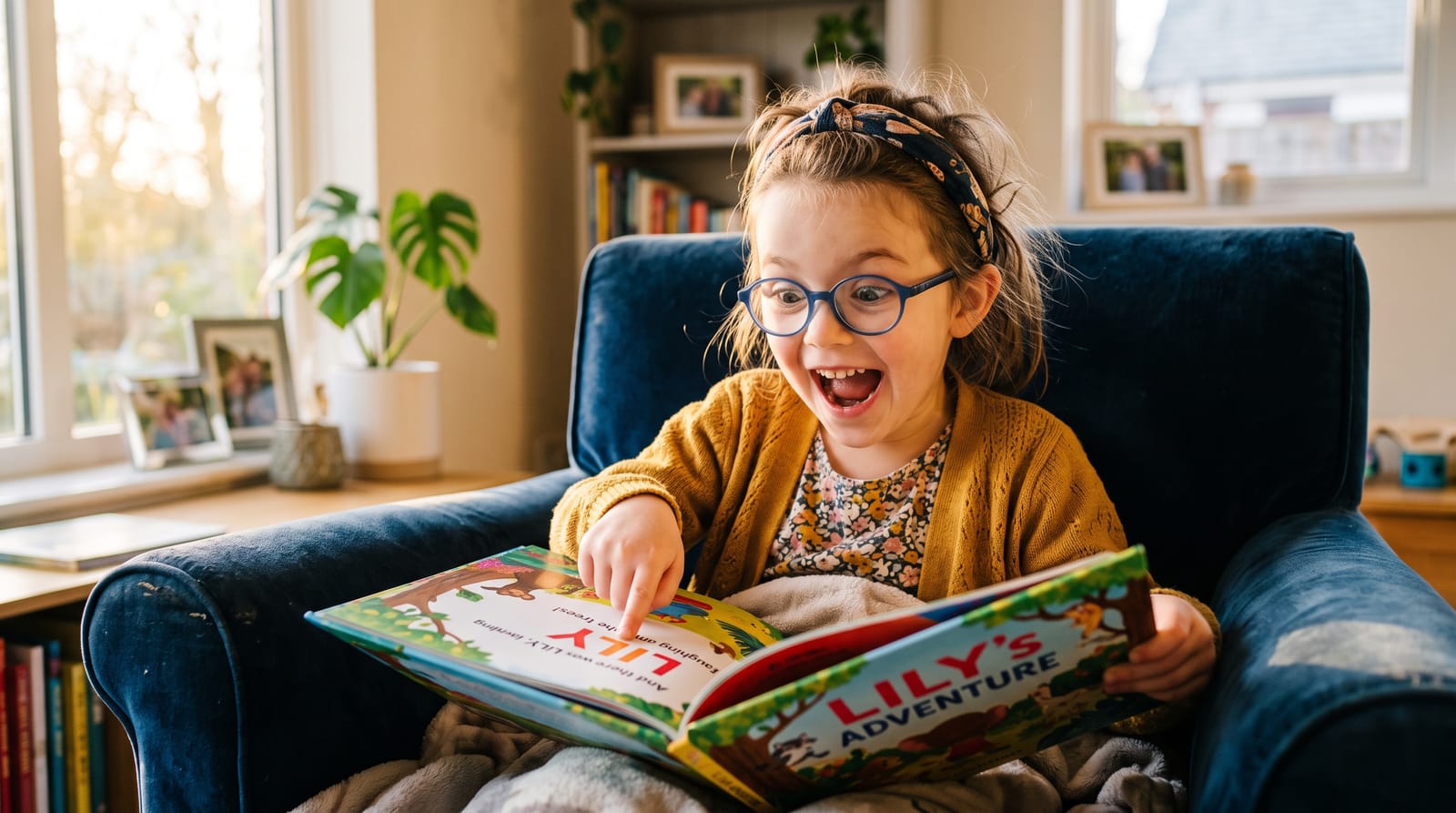
The magic of a children’s picture book has always rested in its ability to transport a reader. For decades, these thin, vibrant volumes have served as the first art galleries and libraries a child ever encounters. However, as we move through {YEAR}, the role of the picture book is undergoing a profound transformation. It is no longer just a window into someone else’s world; it is becoming a mirror that reflects the child’s own identity, challenges, and triumphs.
At StorytimeHero, we believe that the most powerful story a child can hear is one where they are the protagonist. When we look at the current trends in children’s literature—from the celebration of neurodiversity to the vital push for joyful representation—it becomes clear that personalized books are not just a "nice-to-have" gift. They are a fundamental evolution of the storytelling medium.
The Shift Toward Joyful Representation
For a long time, books featuring characters from diverse backgrounds often focused heavily on struggle or historical hardship. While these stories remain essential, modern educators and authors are emphasizing the need for "joyful representation." This means creating stories where children of color are seen simply being children—playing sports, exploring fashion, or enjoying a quiet day with their grandparents.
A modern picture book should celebrate the everyday magic of a child’s life. Whether it’s the way their hair is styled or the specific rhythm of their community’s celebrations, these details matter. When a book is personalized, this representation becomes even more intimate. A child doesn’t just see a character who looks like them; they see themselves as the hero of a story that prioritizes delight over struggle. This shift helps build a foundation of self-worth that carries over into every other aspect of their development.
By integrating personalization into these narratives, we bridge the gap between "the story over there" and "my story here." You can explore more about this in our deep dive into The Heart of the Story: Personalization & Modern Picture Books.
Embracing Different Ways of Thinking
The definition of a "typical" childhood is expanding as we better understand neurodiversity. Modern picture books are increasingly tackling themes that were once left to clinical textbooks: stuttering, sensory processing differences, Tourette’s, and ADHD.
The beauty of the current wave of literature is that it treats these differences not as problems to be "fixed," but as unique ways of experiencing the world. A child who stutters might find a connection to the ebb and flow of a river; a child with sensory sensitivities might find comfort in a specific "safe space" at home.
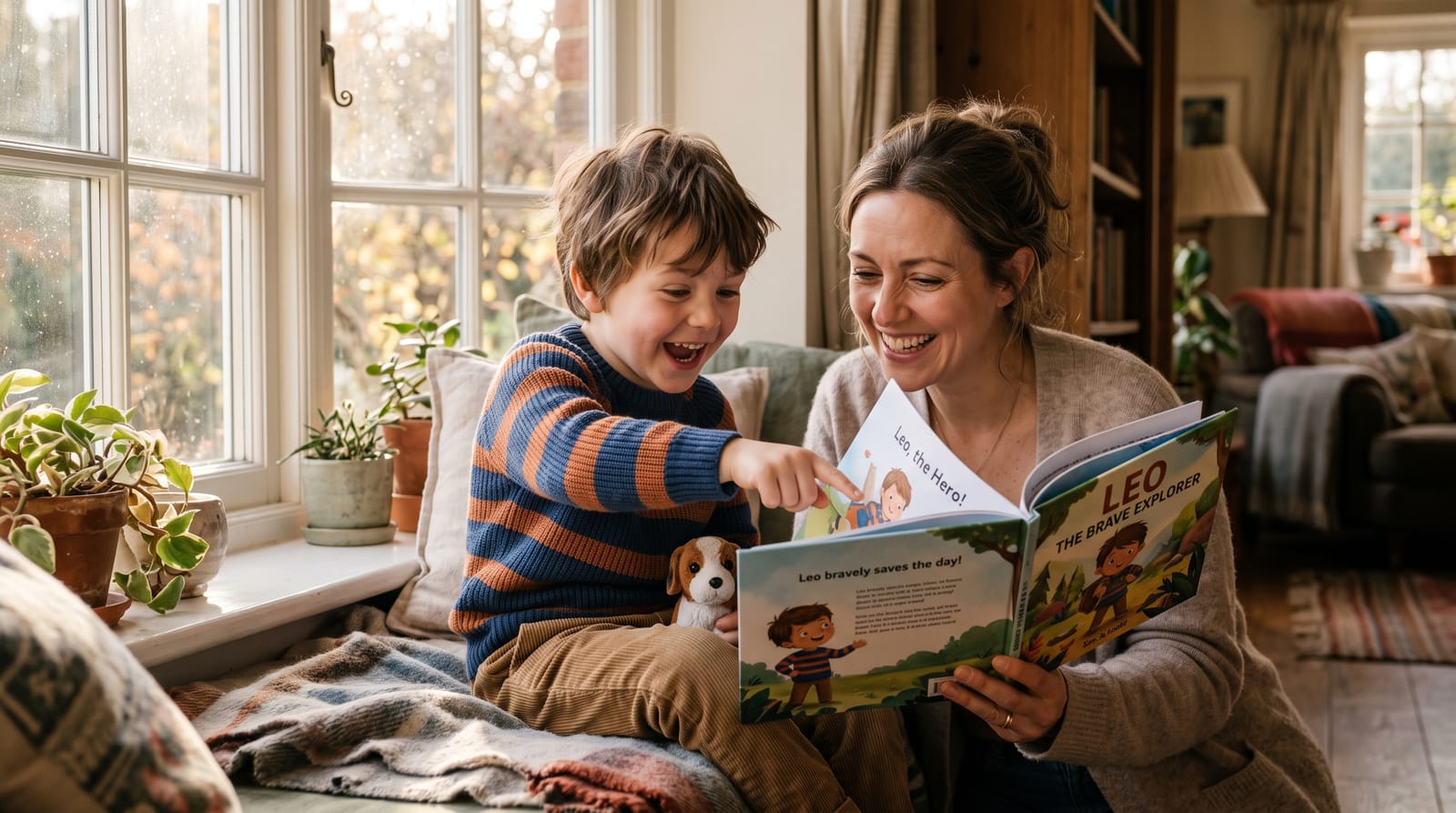
Personalized books take this a step further. For a neurodivergent child, seeing their name associated with a character who navigates the world differently can be life-changing. It validates their experience in a way a generic story cannot. For example, using stories to rehearse routines for children with ADHD can turn a stressful morning into a narrative adventure where the child knows exactly what to do because they’ve already "read" themselves doing it.
The Architecture of a Modern Classic: Humor and Rereadability
What makes a picture book a "favorite"? If you ask a parent, they might say it’s the message. If you ask a child, they’ll likely say it’s the humor or the "cool" pictures. The best books of {YEAR} are leaning into wit, unique visual styles, and stories that don't talk down to their audience.
Rereadability is the ultimate test of a picture book. When a child asks for the same story every night for a month, they are looking for comfort and mastery. They want to predict the next line and spot the hidden detail in the illustration. When that story is personalized, the engagement level triples. The child isn't just reciting a line; they are asserting their place in the world.
At StorytimeHero, we focus on creating narratives that stand the test of time, ensuring that the "hero" of the book—your child—is someone they want to revisit night after night. This creates a sense of Resilience & Representation in Picture Books that grows as the child does.
Why Personalization is the Ultimate Tool for Inclusion
Inclusivity in literature is about more than just checking boxes. It’s about ensuring that no child feels like an outsider in the world of imagination. While traditional publishing is making great strides, it can never account for every unique family dynamic, every specific cultural nuance, or every individual child’s physical appearance.
This is where personalized books fill the void. They allow for:
- Unique Family Structures: Stories that can include two moms, two dads, grandparents as primary caregivers, or single parents.
- Specific Physical Traits: Ensuring a child with glasses, a certain hairstyle, or a mobility aid sees themselves represented accurately.
- Cultural Specificity: Moving beyond broad strokes to include the names and traditions that actually resonate within a child's home.
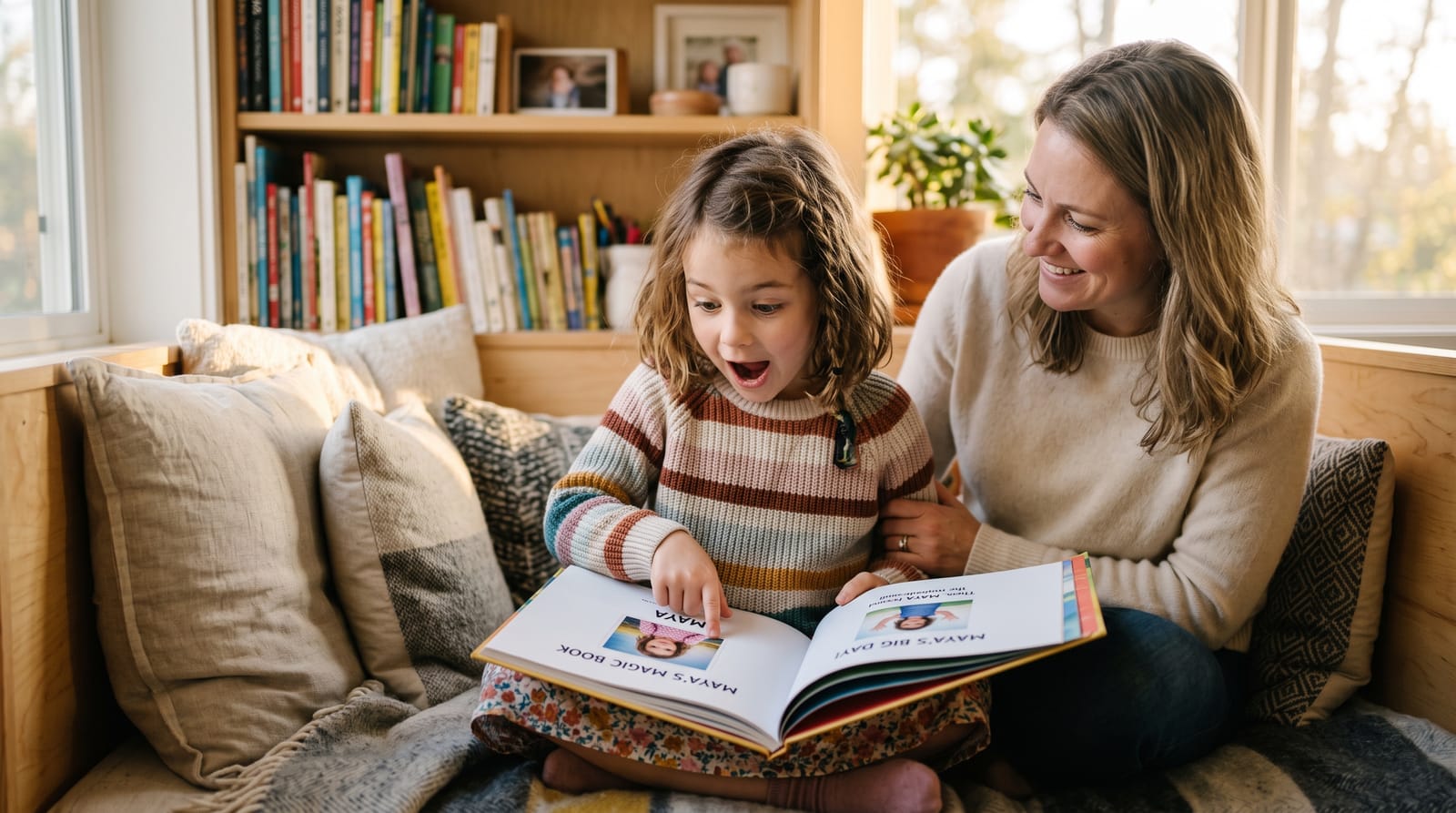
When a child sees their name on the cover of a picture book, the psychological barrier between "fiction" and "reality" thins. They realize that they are worthy of being written about, and that their life is a story worth telling. This is a core part of the Evolution of Personalized Representation that we are witnessing today.
Tips for Choosing the Right Picture Books in {YEAR}
With thousands of new titles released every year, how can parents curate a collection that truly serves their child? Here are a few things to look for:
- Look for "Mirror" and "Window" Books: Your child needs books that reflect their own life (mirrors) and books that show them lives different from their own (windows). Personalized books are the ultimate mirrors.
- Prioritize Emotional Intelligence: Choose stories that help children label their feelings. Whether it’s a "bad day" or a moment of overwhelming joy, seeing a character navigate these emotions provides a roadmap for the child.
- Don't Fear Complexity: Children are capable of understanding deep themes if they are presented with heart and clarity. A picture book about a difficult topic—like a move or a loss—can be a gentle way to start a big conversation.
- Check for "Read-Aloud" Flow: Before buying, try to read a few pages aloud. Does the rhythm work? Is there a sense of musicality to the prose? Great picture books are meant to be heard as much as seen.
The Future of Storytime: A Hero in Every Household
As we look toward the future, the line between "author" and "reader" will continue to blur. Technology allows us to put the tools of creation into the hands of parents, enabling them to craft stories that are perfectly tuned to their child’s needs.
A picture book is a child’s first introduction to the power of language. By making that introduction personal, we aren't just teaching them to read; we are teaching them to believe in themselves. Whether it’s through a story about a brave knight who shares their name or a quiet tale about a child who "talks like the river," the goal is the same: to make every child feel like a hero.
For more insights into how these stories shape our children's lives, explore The 'Live-Like' Philosophy in Personalized Books.
---
Frequently Asked Questions
Related Reading
Free preview checklist
Get the personalized book gift checklist
Know what photo to use, what to write in the dedication, and what to review before ordering.