Building Modern Family Culture with Personalized Books | StorytimeHero
Start a cover preview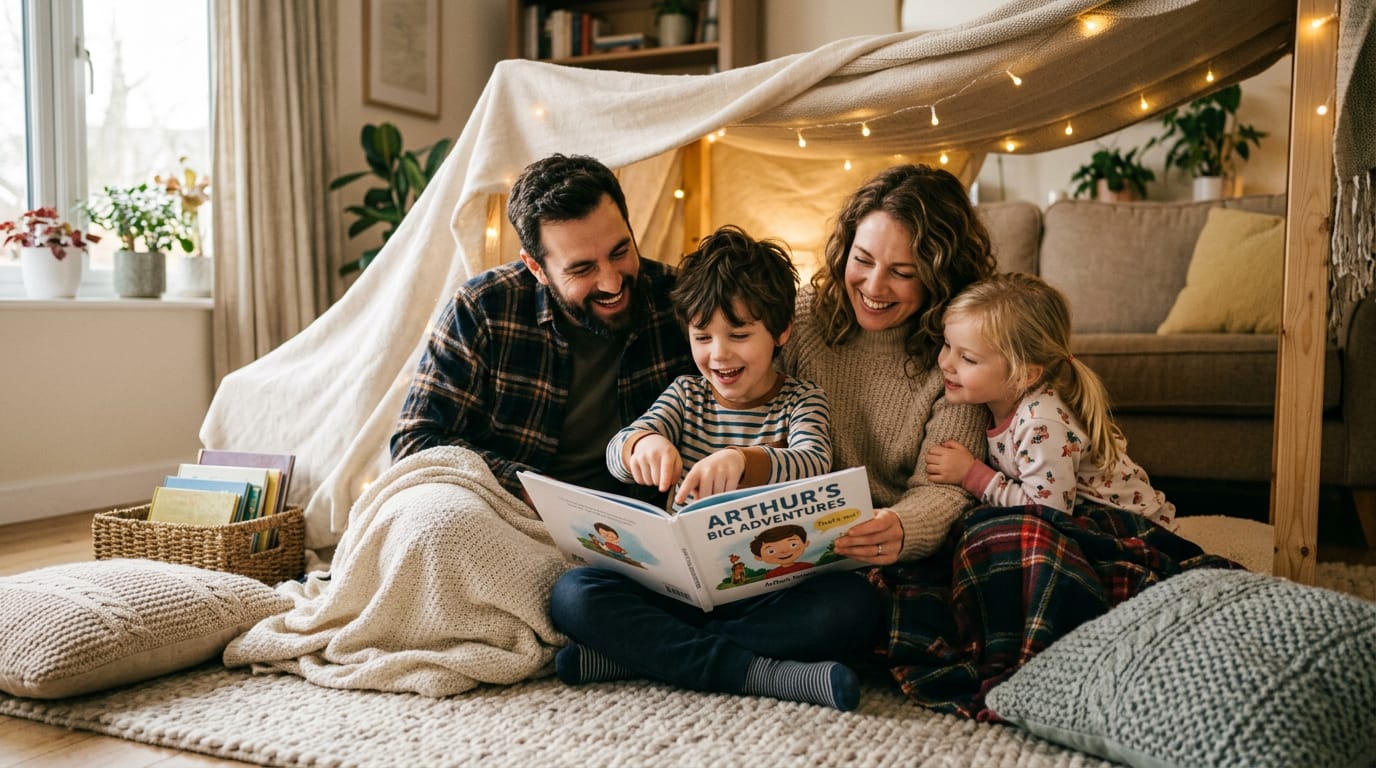
There was a specific kind of magic found in the aisles of a local video store in the 1990s. For many of us, Friday night wasn't just about the movie; it was about the negotiation, the shared anticipation, and the eventual collective experience of crowding around a single screen. Because options were limited, those stories became part of the family's internal shorthand. We quoted the same lines, laughed at the same physical comedy, and felt the same stakes. In a world of infinite streaming and individual tablets, that "shared hearth" feeling can sometimes feel like a relic of the past.
However, as we navigate parenting in {YEAR}, we are finding new ways to reclaim that sense of "us." One of the most potent tools in this journey is the rise of the personalized book. By moving the child—and often their family members—from the sidelines into the heart of the narrative, these stories do more than just teach literacy; they architect a sense of belonging that mirrors the tight-knit family cultures we remember from decades ago.
The "Shared Video Store" Effect: Creating a Common Family Language
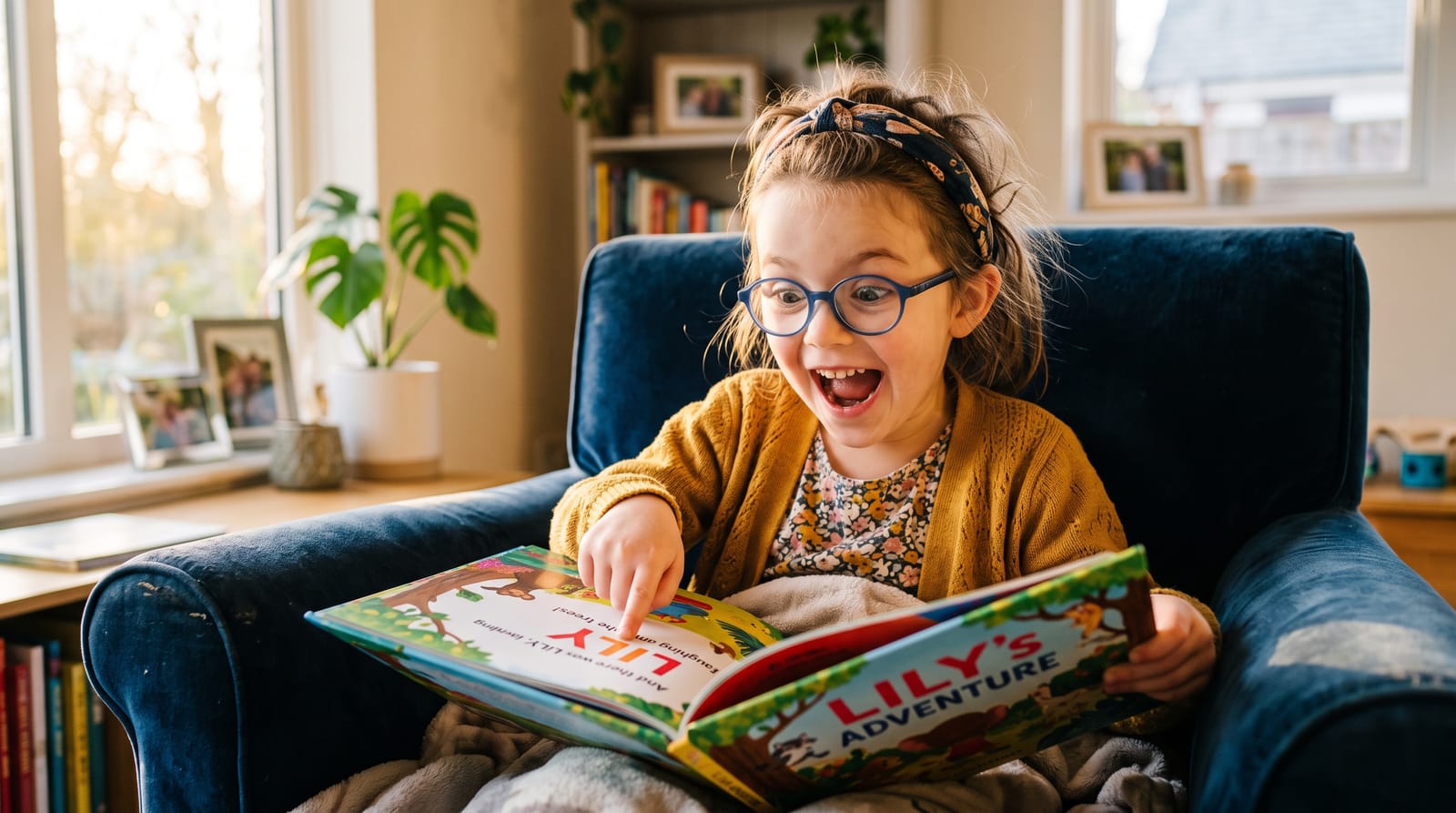
In the era of 90s family cinema, a single movie could define a household’s personality for months. Whether it was the underdog spirit of a farm animal or the chaos of a family road trip, those stories provided a mirror for our own lives. Personalized books operate on a similar frequency. When a child sees themselves as the hero, the story stops being a "product" and starts being "lore."
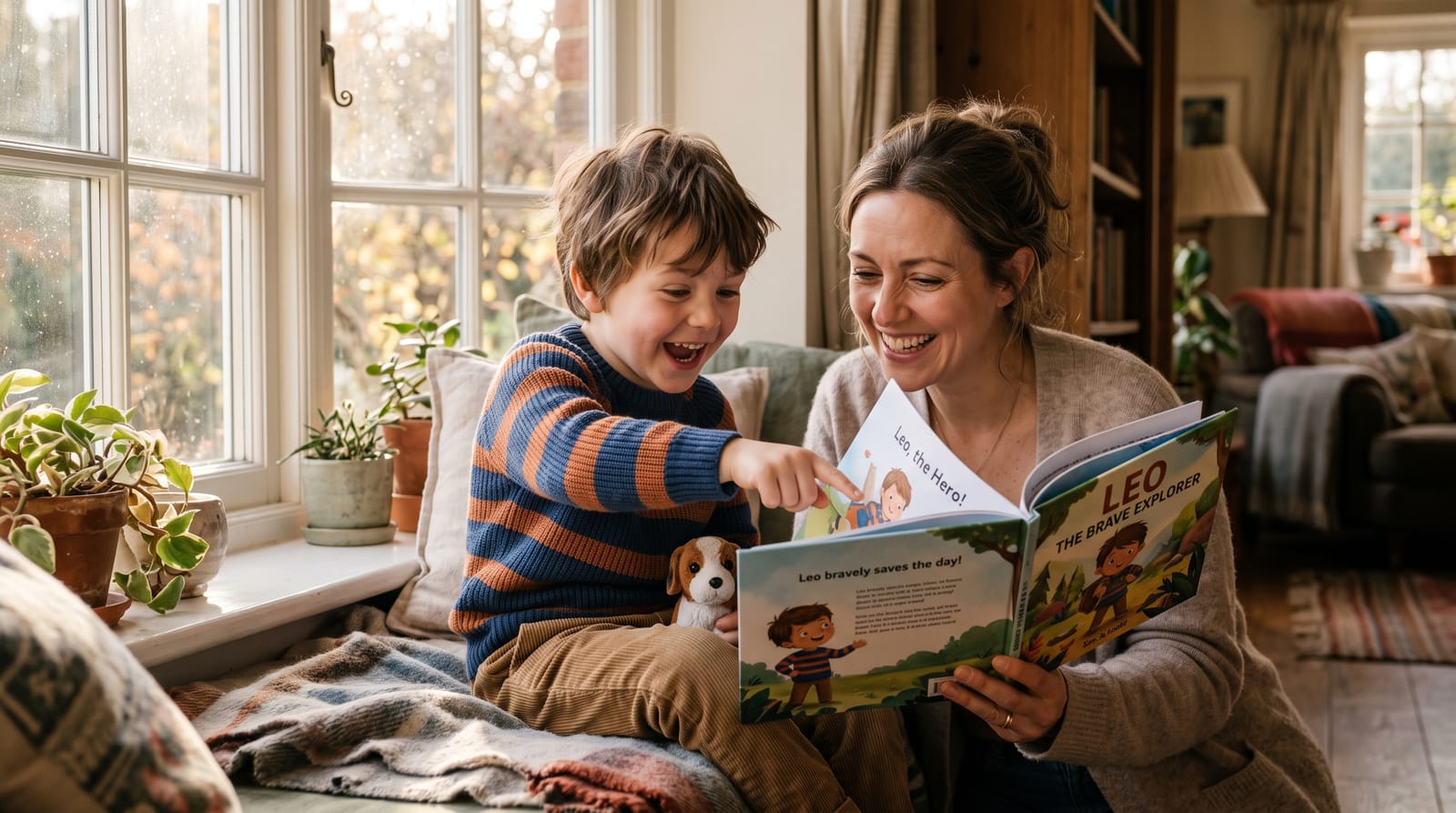
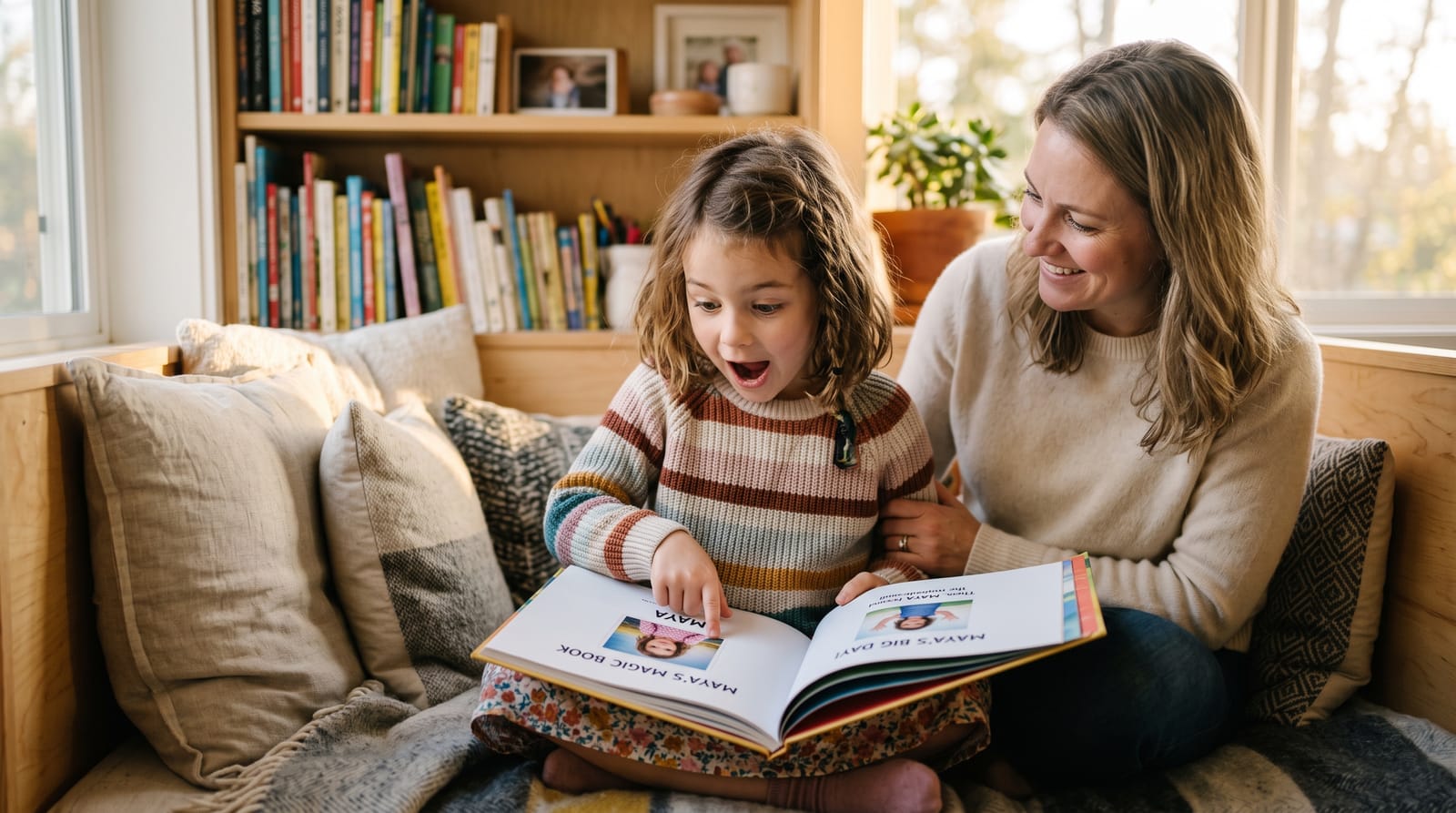
At StorytimeHero, we believe that when a family reads a book where the protagonist shares their child’s name, hair color, or favorite pet, it creates an immediate, exclusive bond. This is the modern version of that Friday night movie ritual. It’s a story that belongs specifically to your living room.
This shared language is vital for family identity. When a story acknowledges the specific nuances of your child’s world, it validates their place within the family unit. It says, "Our family is a team, and you are a central player in our adventures." This helps bridge the gap between individual experiences and the collective family narrative.
Intentionality Over Obligation: The "Travel Rule" for Connection
Modern parenting is often a marathon of "shoulds." We should be doing more educational activities; we should be limiting screen time; we should be creating Pinterest-worthy memories. Sometimes, the most profound connection happens when we set "unconventional rules" to protect our family time—much like a family deciding to forgo homework during a vacation to prioritize presence.
Personalized books act as a facilitator for this kind of intentionality. In a busy schedule, finding twenty minutes for deep connection can feel daunting. However, a custom story provides a "fast track" to engagement. Because the child is the star, their "buy-in" is instantaneous. You aren't fighting for their attention against a tablet; the book itself is the reward.
By choosing stories that reflect your family's specific values—whether that's a love for nature, a sense of humor, or a focus on kindness—you are setting the "rules" for your family culture. You are deciding that in your house, the stories we tell are about us and the way we see the world. It’s a way of traveling through the imagination together, where the destination is always a stronger bond.
The Slow-Cooker Approach to Family Traditions
We often think of traditions as grand gestures: elaborate holiday dinners, expensive vacations, or complex crafts. But as any parent who has tried to bake a four-tier cake on a Tuesday knows, high-effort traditions often lead to high-stress outcomes. The most sustainable traditions are often the "slow-cooker" variety—low-effort, high-reward, and consistently nourishing.
Personalized books fit perfectly into this "slow-cooker" philosophy. They don't require you to be a master storyteller or a professional educator. The "magic" is baked into the personalization. Reading a custom book at bedtime becomes a ritual that requires very little prep but delivers a massive emotional payoff.
Consider how we approach holidays like St. Patrick’s Day. For some, it’s about elaborate leprechaun traps; for others, it’s simply the comfort of a slow-cooked meal shared at the table. Personalized stories are the literary equivalent of that comfort meal. They provide a predictable, warm, and deeply personal space for families to land at the end of a long day. Over time, these nightly readings become the bedrock of a child’s childhood memories—not because they were fancy, but because they were consistent and personal.
Building the "Architecture of Belonging"
Why does it matter so much that a child sees themselves in a book? It’s about the architecture of belonging. Every family is a small, private civilization with its own history, jokes, and values. When a child is young, they are trying to figure out where they fit into that civilization.
Personalized books provide a map. They literally place the child in the center of the world. This does several things for their development:
- Validation of Identity: Seeing their name in print alongside positive traits (bravery, curiosity, kindness) reinforces a child’s self-image.
- Narrative Competency: When children are the protagonists of their own stories, they learn to view their own lives as a narrative where they have agency.
- Security and Safety: In a world that can feel unpredictable, a book that features the child and their loved ones provides a "safe harbor." It’s a reminder that they are surrounded by a support system that sees them and values them.
By using personalized books, parents are essentially building a "home" within the pages of a story. It’s a place where the child is always welcome, always understood, and always the hero.
Moving Beyond the Individual: The Family as a Team
While the child is usually the star of a personalized book, the underlying message is always about the family as a unit. Many modern stories allow for the inclusion of siblings, parents, or even grandparents. This transforms the book from a solo journey into a team adventure.
Think back to those classic 90s movies where a group of kids or a family had to work together to solve a problem. That sense of "teamwork" is something we can cultivate through personalized storytelling. When a book depicts a brother and sister going on a quest together, it reinforces their real-life bond. It moves the needle from "my story" to "our story."
This is particularly helpful during transitions, such as moving to a new house, starting a new school, or welcoming a new sibling. By "rehearsing" these family milestones through a personalized lens, children can process their emotions in a space that feels familiar and supportive.
Practical Ways to Integrate Personalized Stories into Your Family Culture
If you're looking to start using personalized books to strengthen your family's identity, here are a few expert tips:
- Make it a "Launch" Event: When a new personalized book arrives, treat it like a movie premiere. Clear the schedule, get some snacks, and read it together for the first time as a family.
- The "Family Vocabulary" Game: Use the names or themes from the book in your daily life. If the book features a "Brave [Child's Name]," remind them of that "Brave Hero" when they are nervous about a doctor's visit.
- Rotate the Spotlight: If you have multiple children, ensure each has their own "starring role" in different books. This prevents "main character syndrome" and teaches them to cheer for each other's stories.
- Connect to Real-Life Traditions: Pair a personalized book with a real-life activity. If the book is about a garden, spend the next Saturday planting seeds together. This bridges the gap between the "imaginary" family in the book and the "real" family in the living room.
Conclusion: The Legacy of the Shared Story
Long after the toys are donated and the clothes are outgrown, the stories we tell our children remain. The 90s movies we loved weren't just about the plots; they were about who we were when we watched them. Personalized books offer that same legacy. They are a snapshot of a child’s life, a parent’s love, and a family’s unique culture, all bound between two covers.
In a fast-paced world, these books invite us to slow down, lean in, and remember that the greatest adventures don't happen on a screen—they happen right here, in the stories we build together. At StorytimeHero, we are honored to help you write those chapters.
---
Related Reading
- How Personalized Books Support Family Connection
- Family Connection Through Personalized Books
- How Personalized Books Support Parenting Goals
- The Architecture of Belonging in Family Books
---
Frequently Asked Questions
How do personalized books help with sibling rivalry?
Personalized books can be a great tool for siblings because they allow children to see themselves working together. Many books offer options to include two or more children in the same story, emphasizing themes of cooperation, shared adventure, and mutual support. By seeing a "fictionalized" version of their relationship where they are a team, siblings often find it easier to mirror that behavior in real life.
Are personalized books better for certain ages?
While children between the ages of 2 and 8 often show the most outward excitement at seeing their names, personalized books have benefits for all ages. For toddlers, it helps with name recognition and early literacy. For older children (ages 6-10), it can help reluctant readers engage with text because the "hook" is so personal. Even for babies, the sound of their name being read in a rhythmic, loving story helps with early bonding.
Can personalized books help during difficult family transitions?
Yes, personalized stories are excellent for "social scripting." Whether it's a move, a divorce, or the loss of a pet, seeing a character who looks like them navigate a similar situation provides a sense of "narrative safety." It allows the child to process complex emotions from a distance while still feeling personally connected to the outcome.
What makes a personalized book a good "keepsake" compared to a regular book?
A regular book is a window into someone else's world; a personalized book is a mirror of your child's world. Parents often save these books because they capture a specific moment in time—the child's name, their appearance, and the family's interests at that age. It becomes a time capsule of their childhood and the bond you shared during bedtime in {YEAR}.
Free preview checklist
Get the personalized book gift checklist
Know what photo to use, what to write in the dedication, and what to review before ordering.