How Personalized Books Build Family Bonds | StorytimeHero
Start a cover preview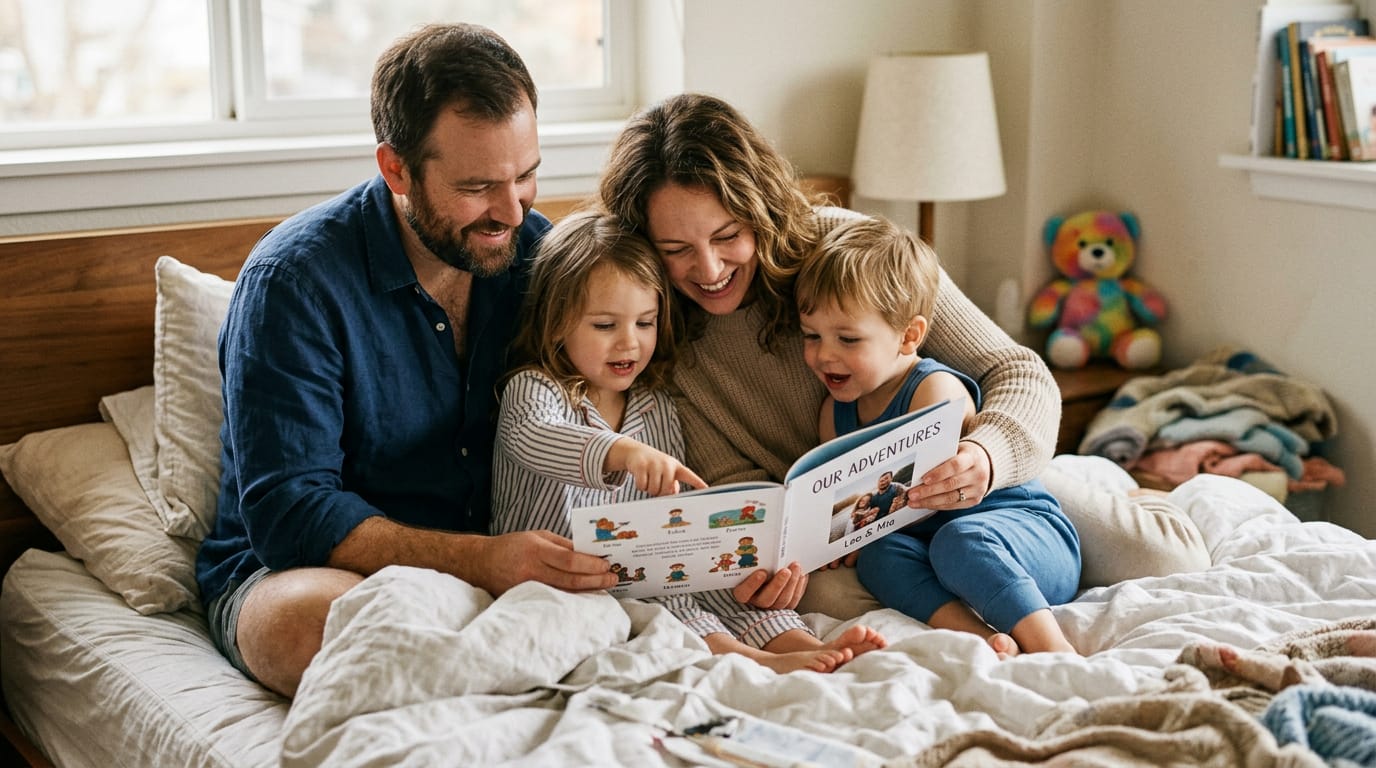
In the whirlwind of modern parenting, the concept of "family" often feels like a series of logistical hurdles. We navigate school schedules, manage household chores, and attempt to squeeze in moments of genuine connection between the cracks of our digital lives. Yet, at its core, a family isn’t just a group of people living under one roof; it is a shared narrative. It is a collective "we" that is constantly being written through the choices we make, the traditions we uphold, and the stories we tell.
As we move through {YEAR}, many parents are looking for ways to move beyond the "autopilot" mode of parenting. They are seeking tools that don't just entertain their children, but actually anchor them within the family unit. This is where the unique power of personalized books comes into play. By placing a child—and their specific family dynamics—at the center of a narrative, these stories do more than teach literacy; they build the architecture of belonging.
The Architecture of Belonging: Why Family Identity Matters
Children begin to form their sense of self by looking at the people closest to them. They are like little anthropologists, constantly observing the "rules" and "vibes" of their tribe. When a family prioritizes intentional connection, they provide a child with a psychological safety net. This sense of belonging is the foundation upon which confidence and resilience are built.
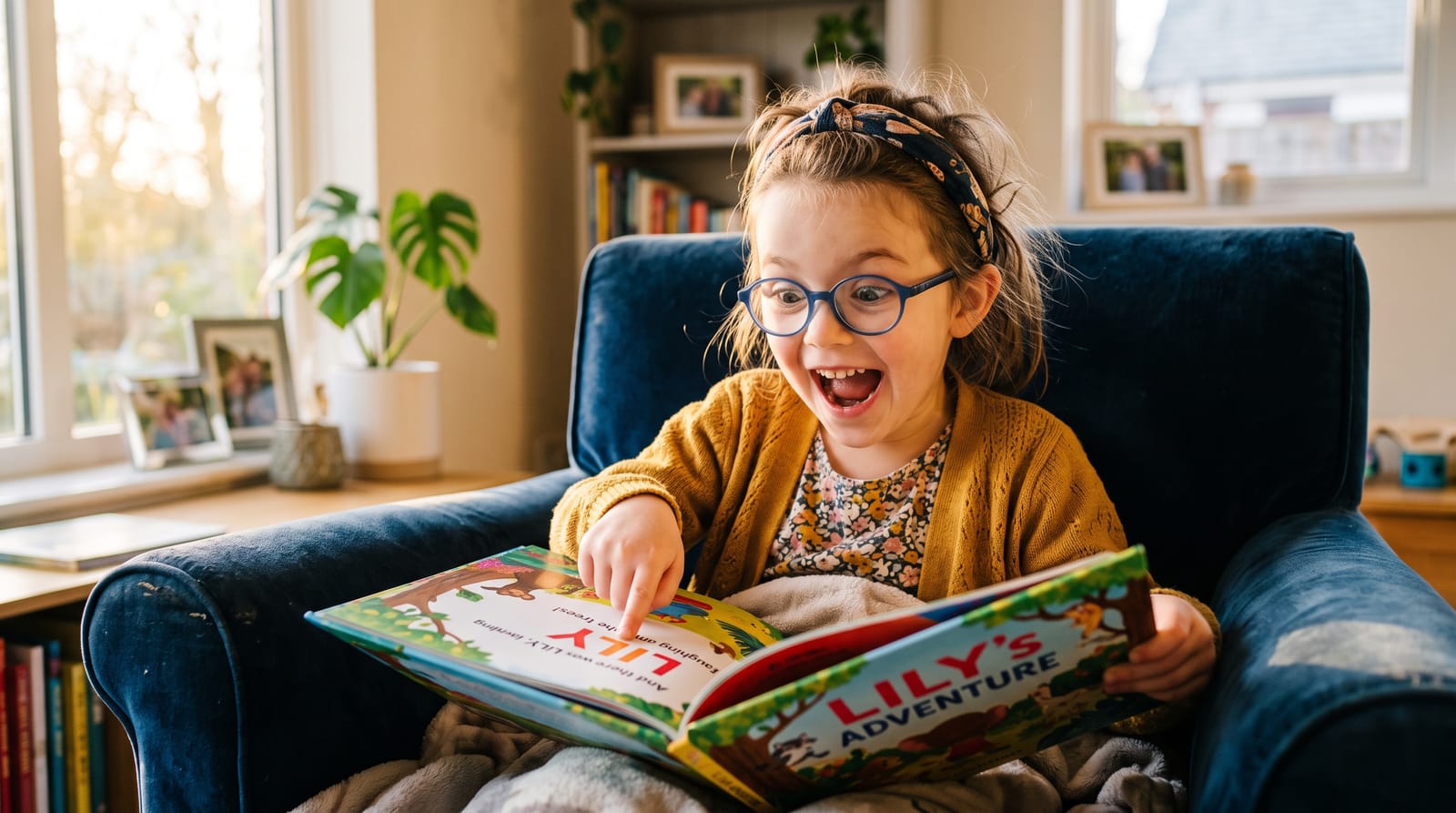
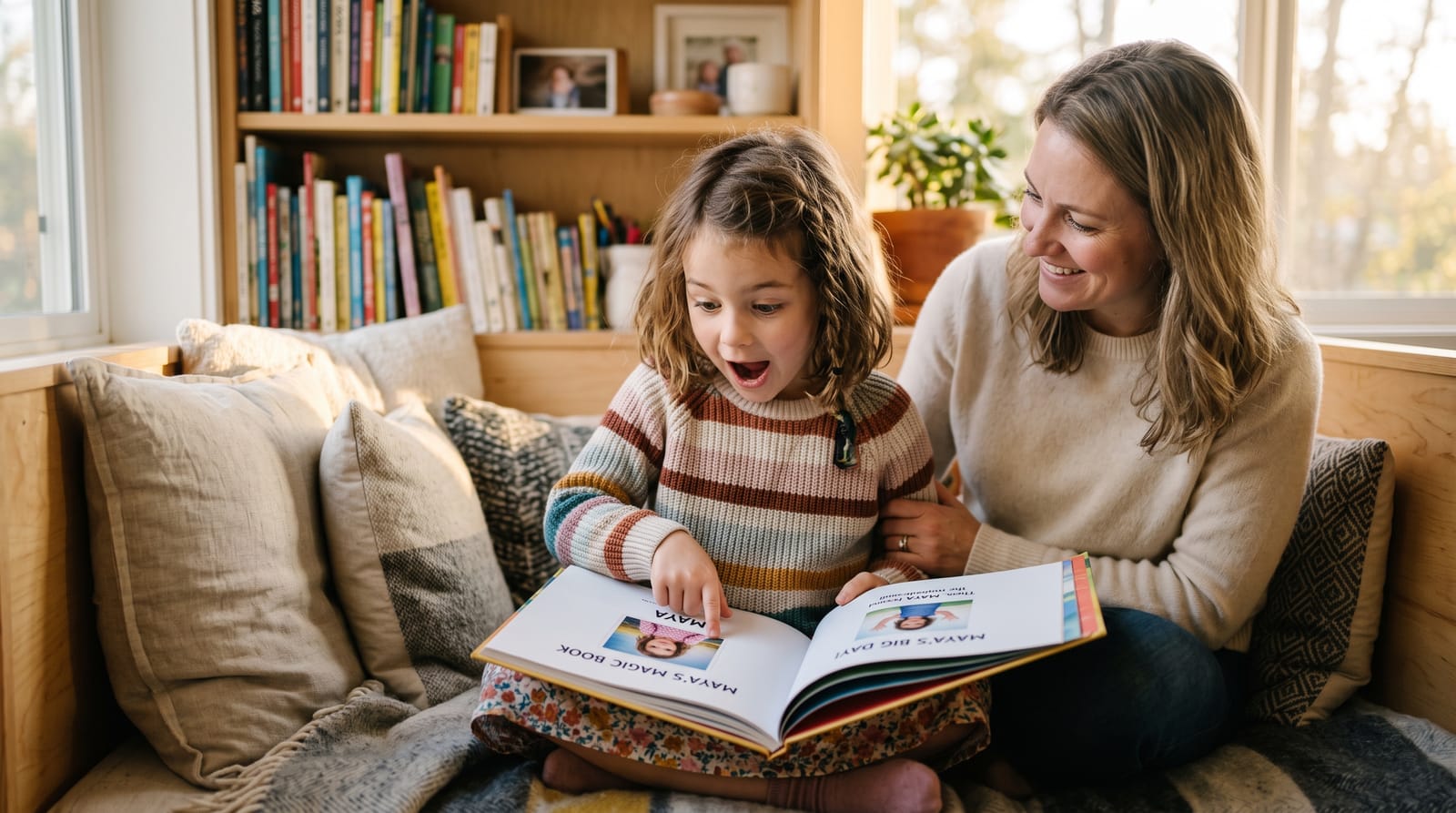
Personalized books serve as a tangible manifestation of this belonging. When a child opens a book and sees their own name, their house, or their family members woven into the plot, the message is clear: You are a vital part of this story. This isn't just about vanity; it’s about validation. It confirms that their life, their family, and their experiences are worthy of being "in a book."
In a world that often feels fragmented, How Personalized Books Support Family Connection explains how these stories act as a narrative anchor, providing stability and a sense of "home" regardless of where the family finds themselves.
From Kitchen Tables to New Horizons: Forging Identity Through Shared Experiences
One of the most profound ways families build identity is through shared experiences—the big adventures and the small, quiet rituals alike.
The "Team" Mentality in Travel and New Environments
Think about the last time your family stepped out of its comfort zone. Perhaps it was a long-distance trip or even just a visit to a new part of town. These moments often require a "team" mentality. Families who thrive in these situations often have "unspoken rules"—ways they support one another when things get stressful.
Whether it’s learning a few key phrases of a new language together or deciding that certain stressors (like schoolwork) are off-limits during a vacation, these decisions define the family’s culture. They say, "This is how we do things."
Personalized books can mirror this team dynamic. Stories that feature the child navigating a "big adventure" with the support of their family reinforce the idea that they are never alone. By seeing themselves as the hero of a journey, supported by their real-life "cast," children internalize the idea that their family is a source of strength and partnership.
The Power of Modern Traditions
Traditions don't have to be centuries old to be meaningful. In fact, some of the most powerful family bonds are forged through "micro-traditions"—the things we do just because they bring us joy. This might be a specific meal served on a minor holiday, like slow-cooking a traditional dish for St. Patrick’s Day, or a specific way of saying goodnight.
These rituals provide a sense of rhythm to a child’s life. They are the "chapters" in their personal history. When families use Personalized Stories to Weave the Fabric of Family, they are essentially documenting these rituals. A book that mentions a favorite family meal or a specific bedtime routine becomes a time capsule of that child’s upbringing.
The "Intentional Reset": Using Stories to Reconnect
Connection doesn't happen by accident. In the busyness of the work week, it is easy for families to drift into a state of "parallel play," where everyone is in the same room but no one is truly interacting. Breaking this cycle requires what experts call an "intentional reset."
An intentional reset is a moment where the family decides to put down the screens, ignore the to-do list, and simply be together. Reading a personalized book is perhaps the most effective tool for this reset. Unlike a standard picture book, which tells a story about someone else, a personalized story demands a higher level of engagement.
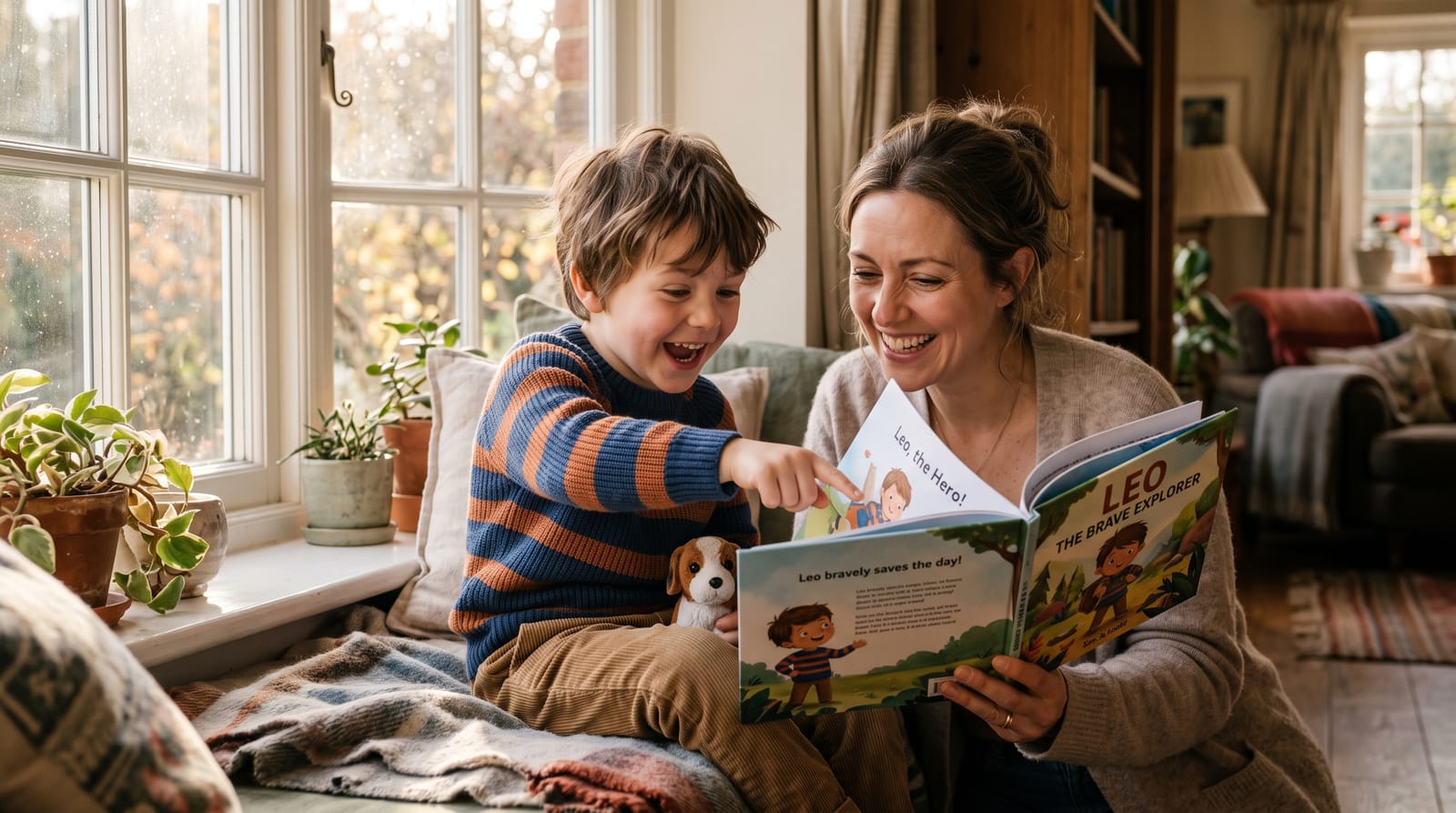
As you read, you aren't just reciting text; you are discussing the family. "Look, there’s our dog!" or "Remember when we went to that park?" This dialogue transforms reading from a passive activity into an active bonding session. It allows parents to address Modern Parenting Hurdles by creating a dedicated space for emotional intimacy and shared laughter.
Personalized Books as a Mirror for Family Values
Every family has a set of values, whether they are explicitly stated or simply lived out. Some families value curiosity and learning; others value humor and resilience.
Personalized books allow parents to "script" these values into their child’s life. When a child sees themselves practicing kindness or bravery in a story, they are more likely to adopt those traits in real life. This is the "Mirror and the Map" effect: the book reflects who the child is today while providing a map for who they can become.
By choosing stories that emphasize the Architecture of Belonging, parents can subtly reinforce the idea that the family is a place of unconditional support. In these stories, the "family team" is the ultimate superpower.
Practical Ways to Deepen Family Connection Through Reading
If you are looking to use personalized books to strengthen your family bonds in {YEAR}, consider these three strategies:
- The "We" Narrated Read-Aloud: When reading a personalized book, change the pronouns or add commentary that emphasizes the family unit. Instead of just reading the text, say, "And then [Child's Name] and Mommy decided to be brave together, just like we did at the doctor's office last week."
- Creating "Story-Link" Traditions: Link the book to a real-world activity. If the book features a family adventure, plan a "mini-version" of that adventure in your backyard or local park. This bridges the gap between the fictional world and the child’s lived experience.
- The Bedtime Recap: Use the personalized book as a jumping-off point for a "Best Part of the Day" conversation. Seeing their own face or name in a book often opens children up to sharing more about their own feelings and experiences.
Building a Legacy of Connection
Ultimately, the goal of any family-focused tool is to create memories that outlast the childhood years. We want our children to grow up with a deep-seated knowledge of where they come from and who they belong to.
StorytimeHero is built on the belief that every child deserves to be the hero of their own story, but more importantly, every child deserves to see themselves as a vital part of a loving family. Personalized books aren't just gifts; they are investments in a child’s emotional bank account. They are a way of saying, "Your place in this family is permanent, celebrated, and central to our world."
As we navigate the complexities of modern life, let’s remember that the simplest things—a shared story, a familiar name on a page, a quiet moment on the couch—are often the things that build the strongest bonds.
---
Related Reading
- The Living Family Narrative: Modern Traditions
- How Personalized Books Strengthen Family Identity
- Mapping Family Identity with Personalized Books
---
Frequently Asked Questions
How do personalized books help with sibling rivalry?
Personalized books can be a great way to highlight the unique "team" aspect of a family. By featuring siblings together in a story where they must cooperate to solve a problem, you are reinforcing the idea of the "sibling team." It helps children see their brother or sister as a partner rather than a competitor.
At what age do children benefit most from "family-centered" stories?
While even infants benefit from hearing the rhythm of a parent’s voice, the "belonging" aspect of personalized books really peaks between ages 2 and 7. This is the window when children are actively forming their identity and learning how they fit into the social structure of the family.
Can personalized books help during family transitions, like moving or a new baby?
Absolutely. Transitions can be destabilizing for children. A personalized book that depicts the child successfully navigating a move or becoming a "big helper" to a new sibling provides a narrative roadmap. it helps them visualize a positive outcome and see their family as a constant source of support through change.
What if my family doesn't look like the "traditional" families in books?
This is one of the greatest strengths of StorytimeHero and personalized books in general. You have the power to ensure the story reflects your reality. Whether you are a single-parent household, a multi-generational family, or a family with two moms or two dads, personalization ensures that your child sees a family that looks exactly like theirs, validating their reality as "normal" and beautiful.
Free preview checklist
Get the personalized book gift checklist
Know what photo to use, what to write in the dedication, and what to review before ordering.