Personalized Books: Bridging Fantasy & Resilience | StorytimeHero
Start a cover preview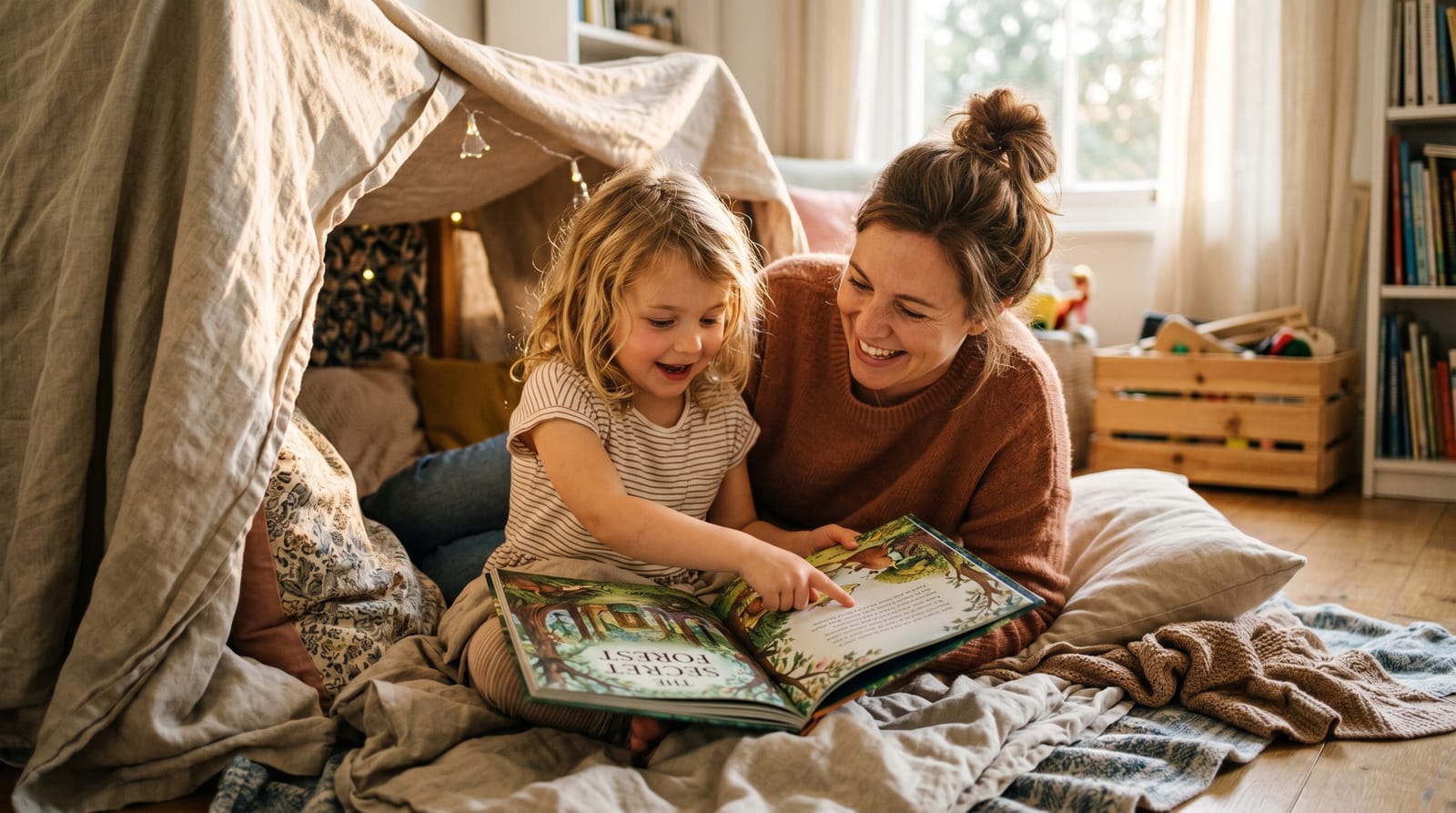
The landscape of children’s literature is undergoing a quiet but profound transformation. Gone are the days when a picture book was merely a simple moral fable or a basic introduction to the alphabet. Today, the shelves of libraries and nurseries are filled with sophisticated world-building, nuanced explorations of emotional resilience, and lyrical celebrations of identity.
As parents and educators, we are witnessing a golden age of storytelling where the "cozy" meets the "complex." However, with this depth comes a new challenge: helping children find their own place within these sprawling narratives. This is where the magic of StorytimeHero and the broader movement of personalized books become essential. By placing a child at the center of the story, we don't just give them a book; we give them a seat at the table of modern literature.
The Rise of "Cozy Fantasy" and Immersive World-Building
One of the most exciting trends in the modern picture book market is the emergence of "high fantasy" for the youngest readers. For years, deep world-building was reserved for middle-grade novels or epic trilogies. Now, publishers are seeking stories that offer the same richness—maps, ancient lore, and intricate magic systems—within the thirty-two pages of a traditional picture book.
This trend often manifests as "cozy fantasy." These are stories that feel like a "warm hug," prioritizing comfort, community, and atmosphere over high-octane conflict. Think of a dragon who prefers baking bread to hoarding gold, or a small owl navigating a whimsical forest cafe. These stories offer a sanctuary for children, providing a safe space to explore the "what ifs" of magic.
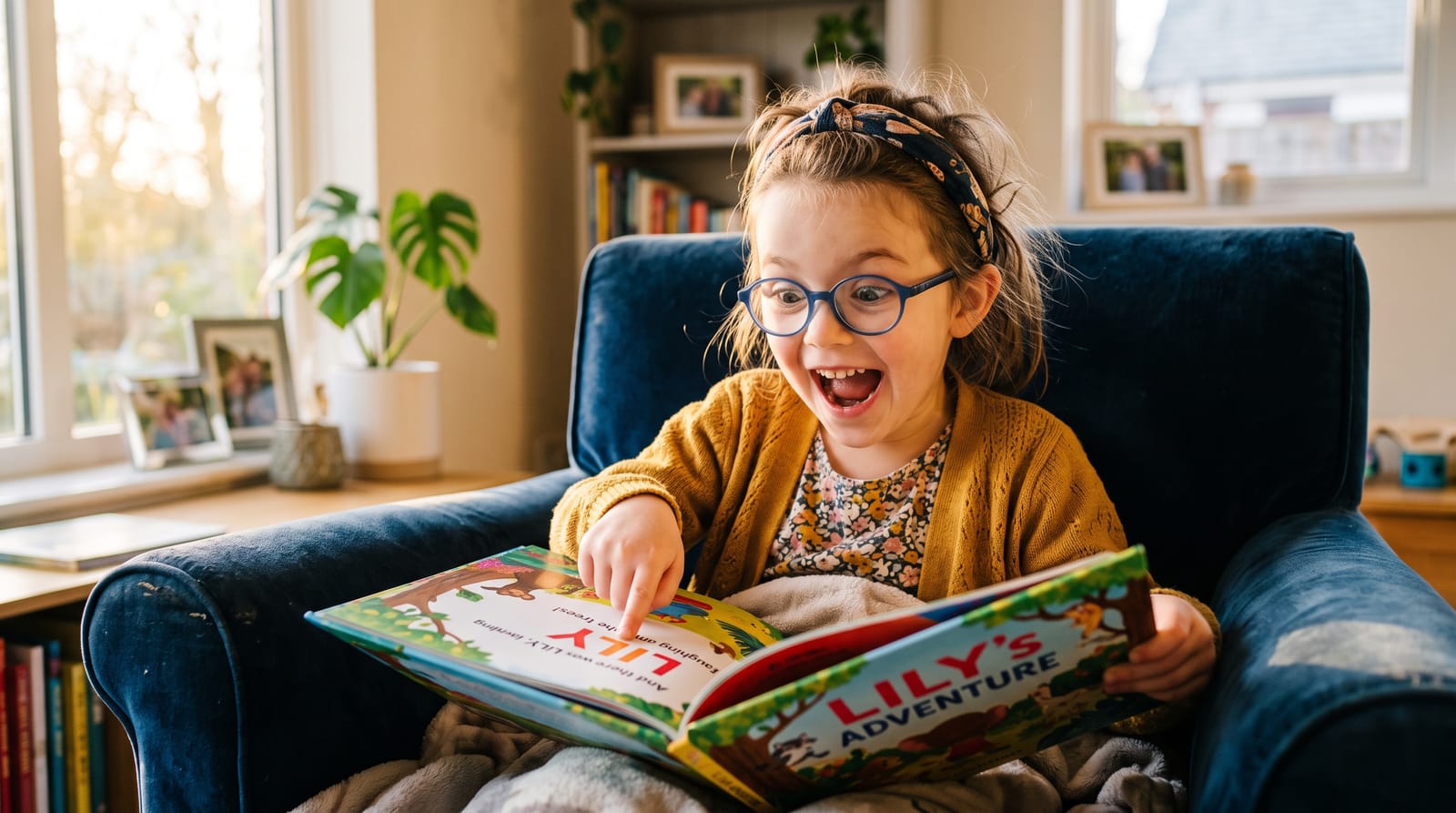
When you introduce personalization into these high-fantasy settings, the impact is doubled. When a child sees their own name on the cover of a book about a mystical quest, the world-building isn't just something they are observing—it’s a place they inhabit. Personalization allows the child to feel the "warm hug" of the story more personally, turning a generic fantasy world into their own private kingdom.
How Personalization Reimagines the Picture Book explores how this shift from observer to participant fundamentally changes how children process imaginative play.
Navigating the Real World: Resilience and Growth Mindset
While fantasy offers an escape, another vital trend in the modern picture book involves grounding children in the realities of their own lives. We are seeing a surge in stories that tackle specific, often difficult, topics like food allergies, social anxiety, and the necessity of a growth mindset.
Modern authors are moving away from "preachy" lessons and toward narrative problem-solving. A story might follow a character who has to navigate a birthday party while managing a peanut allergy, or a child who learns that making a mistake is simply the first step in a larger creative process. These books serve as "social-emotional mirrors," reflecting the challenges children face every day.
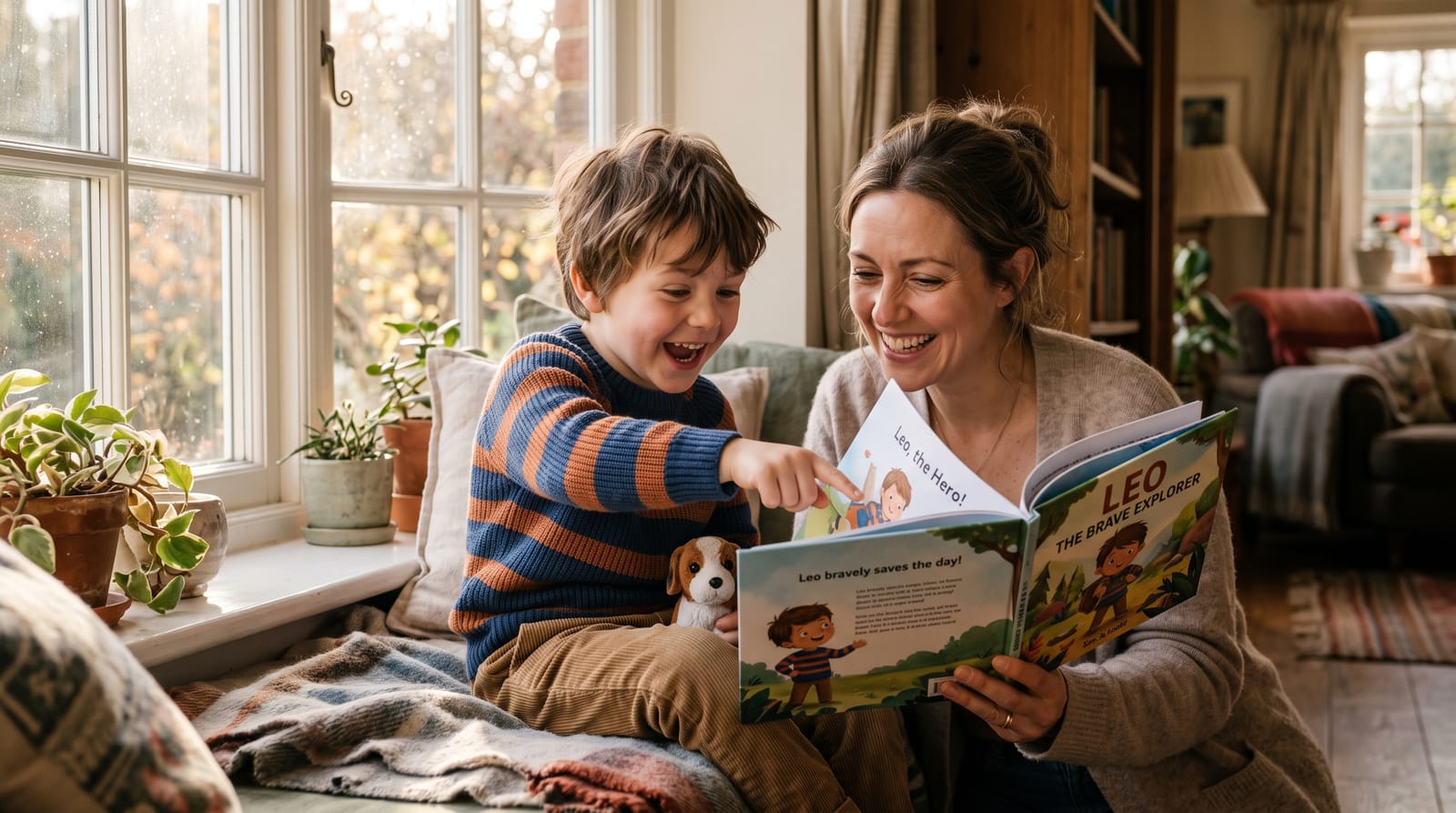
Personalized books take this a step further by making the "growth mindset" a personal achievement. When a child reads a story where they are the ones who find a creative solution to a problem, it builds a sense of self-efficacy that a standard book cannot match. It’s one thing to read about a character being brave; it’s another thing entirely to see yourself—your name, your likeness, your family—exhibiting that bravery on the page.
The Balm of Poetry and the Power of Ancestry
In an increasingly digital and fast-paced world, the rhythmic, slow-burning nature of poetry is making a comeback in the picture book format. Educators often describe poetry as a "balm" for the heart and brain, offering a way to process deep feelings through startling imagery and the joy of sound.
Modern poetry books for children are also diving deep into themes of ancestry and identity. They celebrate where we come from, the stories of those who walked before us, and the unique cultural threads that make up a child’s heritage. These books are essential for building a sense of belonging in a globalized world.
At StorytimeHero, we believe that every child’s history is a story worth telling. By integrating personalized elements into stories that mirror these lyrical and ancestral themes, we help children anchor themselves in their own family narrative. Personalized Picture Books: Poetry, Nature & Community delves deeper into how the rhythm of language can be used to strengthen a child's connection to their environment and their past.
Why the "Protagonist Effect" Matters in {YEAR}
You might wonder: why does it matter if my child is the main character? Can’t they just empathize with a fictional bear or a generic protagonist?
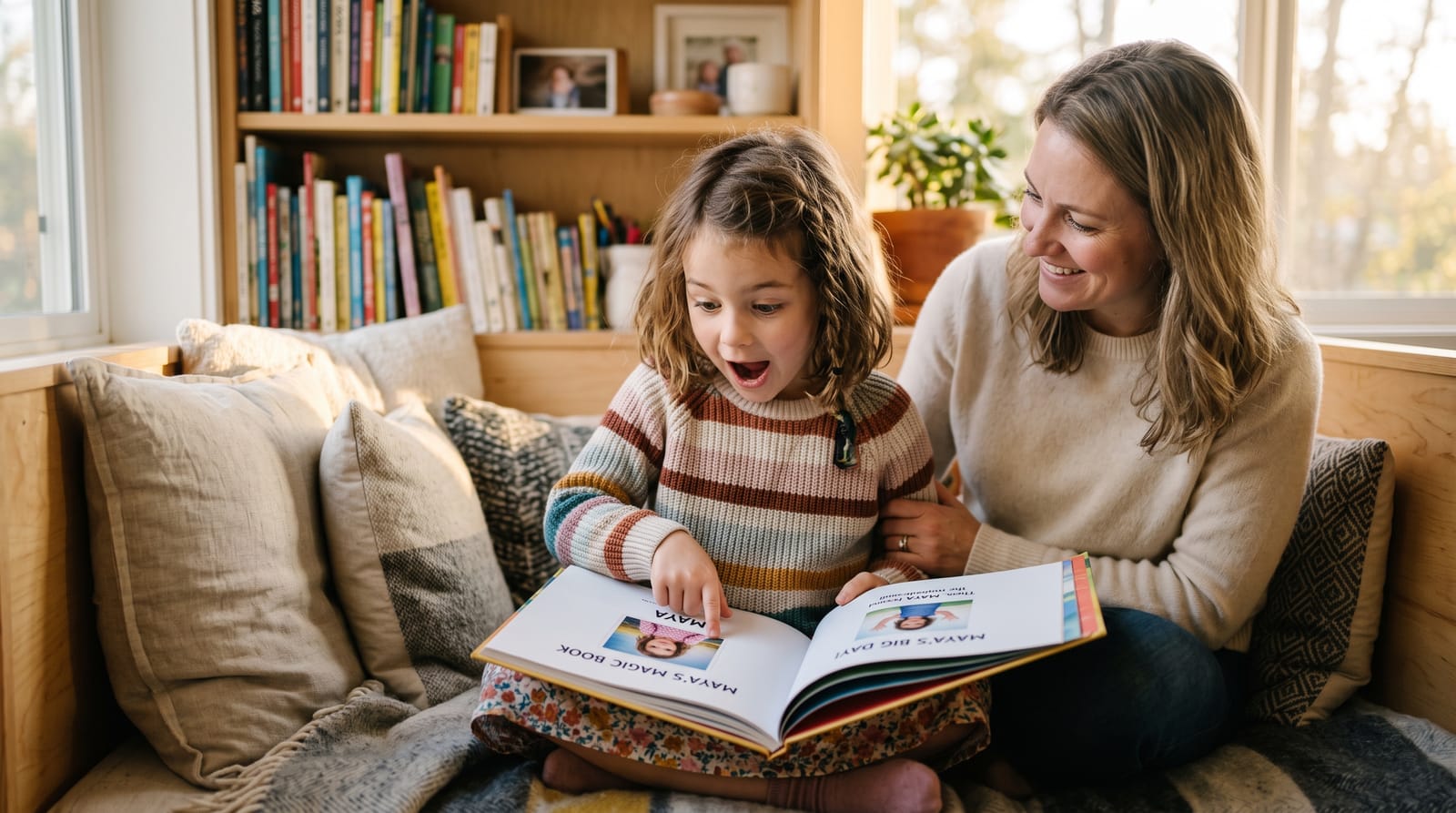
While traditional books are vital for developing empathy for others, personalized books are uniquely suited for developing empathy for oneself. This is known as the "Protagonist Effect." When a child is the hero of the narrative, their cognitive engagement skyrockets. They are more likely to remember the vocabulary, internalize the moral lessons, and return to the book again and again.
In the context of the modern picture book—which is already dealing with complex themes like world-building, health resilience, and poetic identity—this engagement is the key to comprehension. Personalization acts as the "narrative glue" that binds the child to the sophisticated concepts being presented. It transforms a reading session from a passive activity into an active exploration of the self.
Why Kids Read More When They're the Main Character provides a look at the psychological benefits of this engagement, explaining why "me-centered" stories are actually a gateway to broader literacy.
Integrating Modern Values into Your Home Library
As we look toward the future of children's literature in {YEAR}, the goal for many parents is to create a "living library"—a collection of books that evolves with the child and reflects the diverse world they live in.
To achieve this, consider a balanced approach to your picture book selection:
- The Imaginative Pillar: Include high-fantasy and "cozy" stories that encourage wonder and world-building.
- The Practical Pillar: Seek out stories that address your child’s specific life experiences, whether that’s a new sibling, a move, or a health challenge.
- The Cultural Pillar: Incorporate poetry and stories of ancestry that ground the child in their identity.
- The Personalized Pillar: Use personalized books to bridge these categories, making the imaginative feel real, the practical feel manageable, and the cultural feel deeply personal.
By weaving these elements together, you aren't just teaching your child to read; you are teaching them that they are a significant part of the world’s ongoing story. How Personalized Books Address Family Identity offers practical tips on how to use these stories to strengthen the bonds within your own home.
Frequently Asked Questions
Related Reading
If you enjoyed this exploration of modern children's literature, you may find these other resources helpful:
- The Evolution of the Modern Picture Book - A deep dive into how stories have changed over the decades.
- Personalization and Modern Picture Book Themes - How to choose books that reflect today's values.
- Modernizing the Picture Book: The Power of Personalization - Why the "standard" story is evolving into something more participatory.
In the end, the most important story a child will ever read is the one they believe about themselves. By utilizing the trends of the modern picture book and the power of personalization, we can ensure that every child believes they are the hero of a magical, resilient, and beautiful life.
Free preview checklist
Get the personalized book gift checklist
Know what photo to use, what to write in the dedication, and what to review before ordering.