How Personalization Reimagines the Picture Book | StorytimeHero
Upload a photo
The landscape of children’s literature is currently undergoing a quiet but profound transformation. For decades, the standard picture book served as a window—a way for children to look out into worlds different from their own. But as we move through {YEAR}, that window is becoming a mirror. Parents and educators are no longer looking for just any story; they are seeking narratives that offer deep world-building, emotional resilience, and a sense of belonging that traditional, mass-produced media often struggles to provide.
At StorytimeHero, we’ve observed that the most successful stories today aren't just about what happens on the page; they are about who the story happens to. By weaving a child’s own identity into the fabric of the narrative, personalized books are addressing the evolving needs of modern families in ways that traditional publishing is only beginning to explore.
The Rise of "Cozy Fantasy" and Immersive World-Building
One of the most exciting shifts in the world of the modern picture book is the emergence of high-fantasy themes tailored for the youngest readers. Historically, complex world-building was reserved for middle-grade novels or epic young adult sagas. However, there is a growing appetite for what creators call "cozy fantasy"—stories that feature the magic of dragons, mythical forests, and ancient quests, but deliver them with the warmth of a soft blanket.
In these stories, the setting is as much a character as the protagonist. Whether it’s a tiny dragon who prefers baking bread to hoarding gold or a magical café hidden at the edge of a monster-filled woods, these worlds offer a "warm hug" to readers.
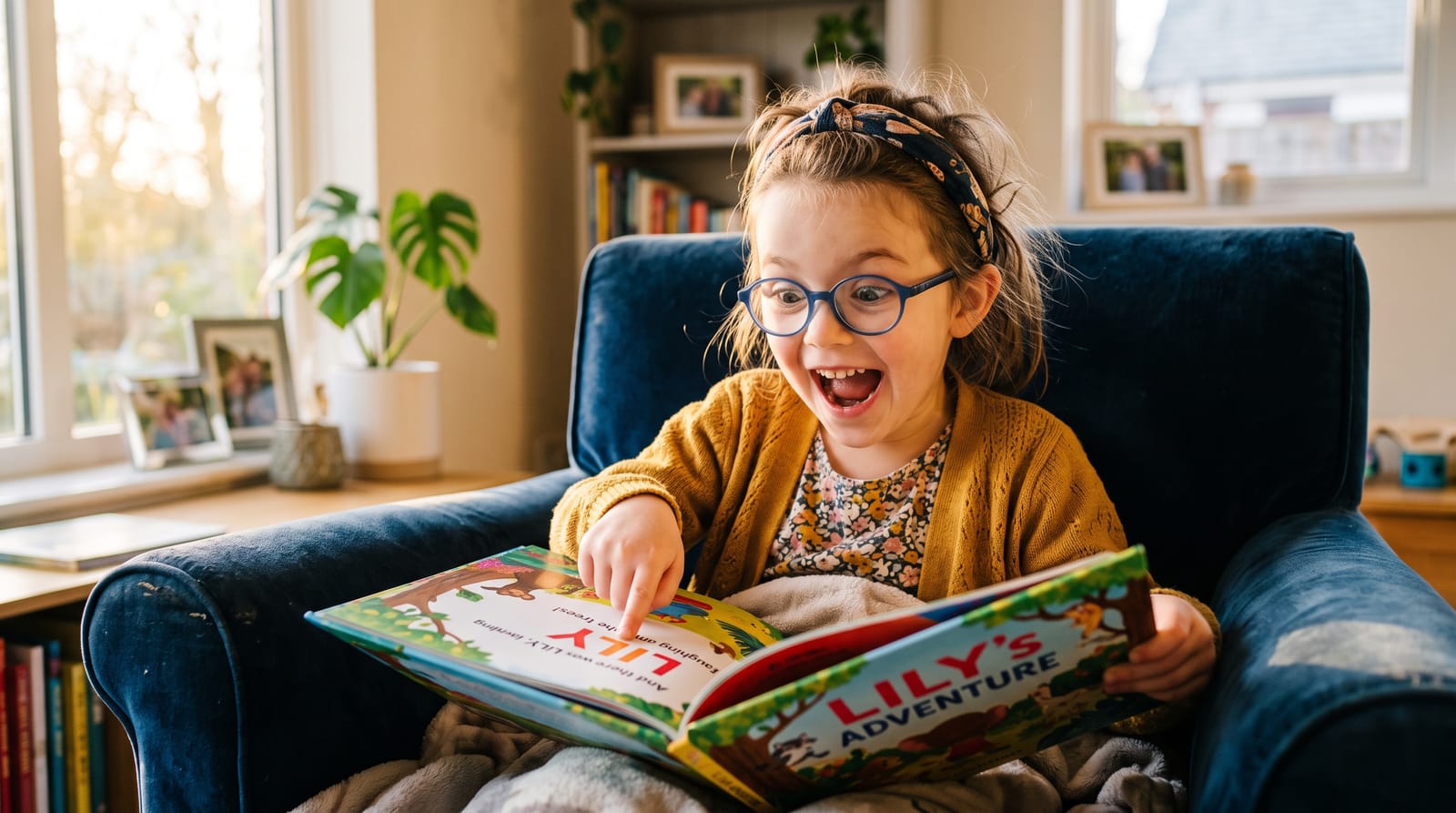
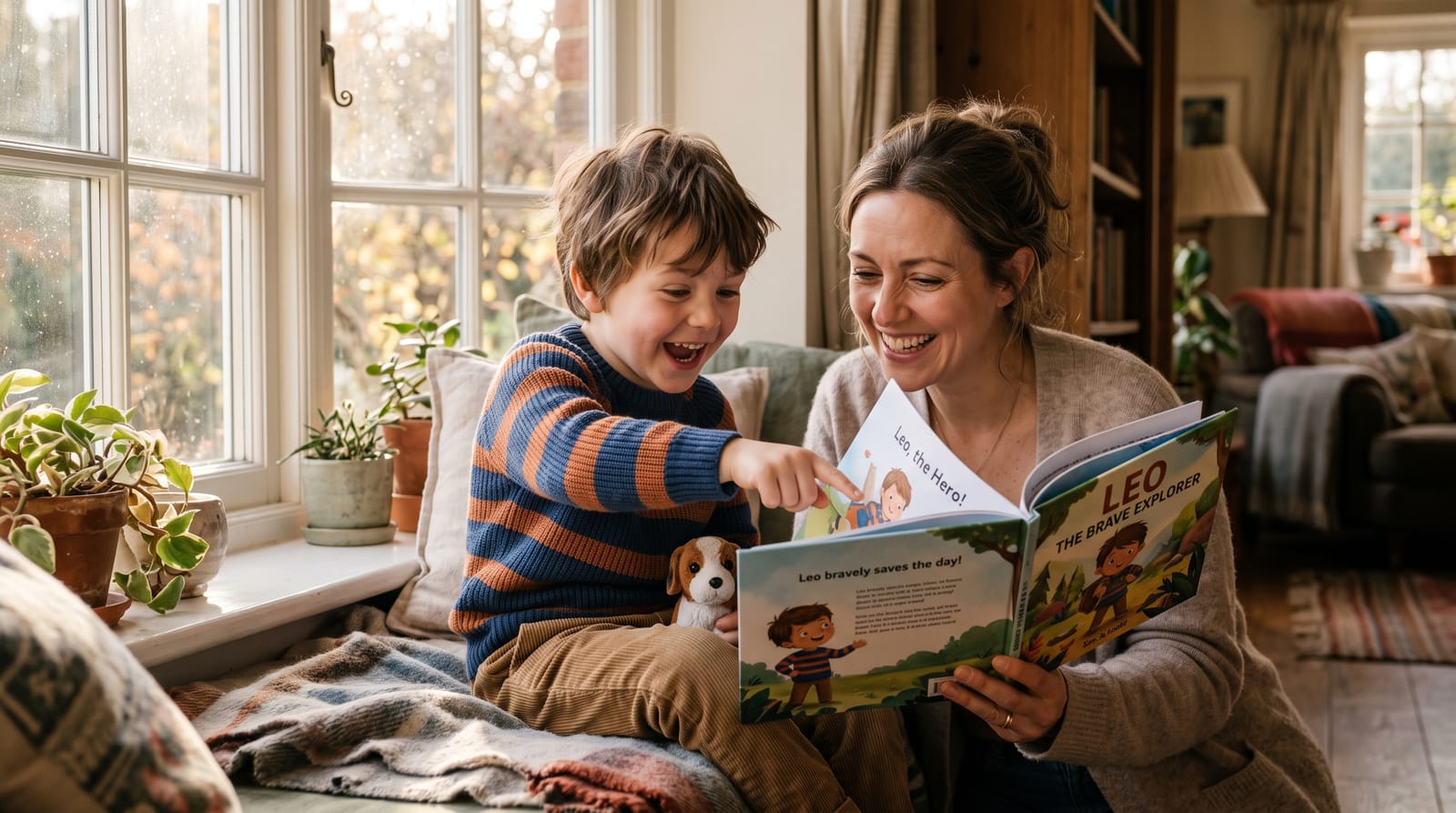
When you introduce personalization into this trend, the impact is multiplied. In a standard picture book, a child watches a hero navigate a magical world. In a personalized book, the child is the hero. They aren't just reading about a dragon; they are the ones befriending it. This shift from observer to participant makes the world-building feel personal. It grounds the fantasy in reality, helping the child feel that if they can navigate a forest of giants in a book, they can certainly navigate the "giants" of their own daily lives.
Addressing Real-World Hurdles: Growth Mindsets and Resilience
Modern parenting has moved toward a focus on emotional intelligence and the "growth mindset." We want our children to understand that mistakes are merely stepping stones and that challenges—whether they are social, academic, or physical—are manageable.
Contemporary picture books are increasingly tackling these heavy topics, from navigating food allergies to solving complex social problems. These stories serve as social-emotional rehearsals. For instance, a story about a character finding a creative solution to a dietary restriction doesn't just entertain; it validates the lived experience of thousands of children.
However, the "protagonist effect" is a powerful tool here. Why Kids Read More When They're the Main Character is a phenomenon rooted in the idea that children internalize lessons more deeply when they see themselves at the center of the conflict. If a generic character learns to be brave, it’s a good lesson. If the child themselves is the one in the story learning to ask for help or trying a new skill, the lesson becomes a part of their own identity. Personalized books act as parenting allies, providing a safe space for children to "practice" resilience before they have to apply it in the real world.
The Lyricism of Identity: Poetry as a Balm
We often think of the picture book as a medium for prose, but there is a significant resurgence in poetic narratives. Poetry in children's literature acts as a balm for the brain and the heart. It introduces a rhythm to the day, a cadence that can soothe anxiety and spark a love for the musicality of language.
Beyond the sounds, poetry is being used today to explore deeper themes of ancestry, identity, and the "joy of sound." Modern authors are using verse to celebrate historical figures or to help children remember their place in a long line of ancestors.
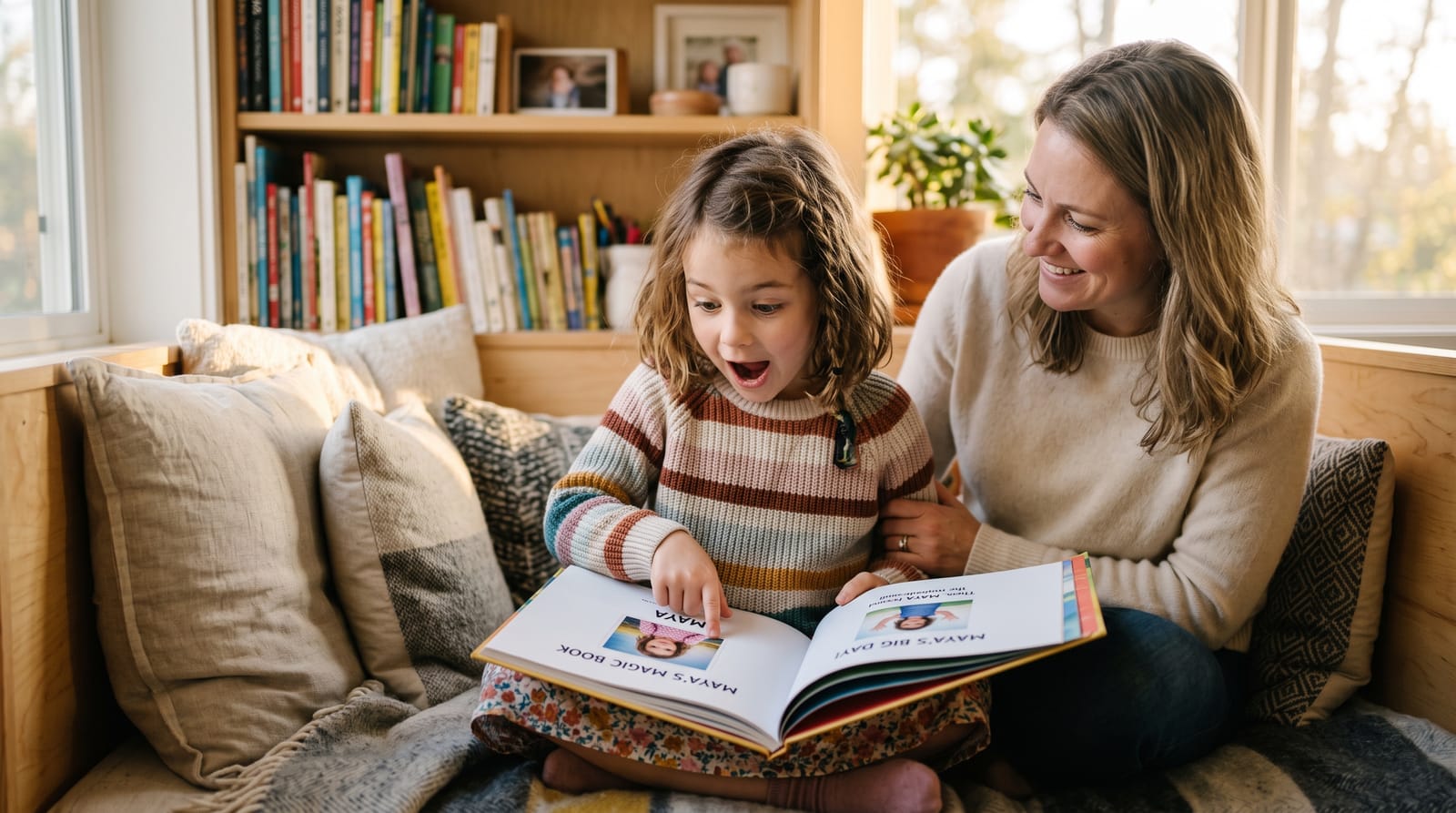
When personalization meets poetry, something magical happens. Hearing one’s own name woven into a rhythmic, lyrical text creates a unique emotional resonance. It transforms the reading experience from a passive activity into a foundational ritual. It reinforces a child’s sense of self, ensuring that their name is associated with beauty, rhythm, and strength. This intersection of representation and embodiment ensures that children don't just hear a poem—they feel it.
Why Personalization is the Missing Piece of the Puzzle
While the trends in the traditional picture book market—high fantasy, emotional resilience, and lyrical verse—are wonderful, they often face a "relevance gap." A story about a child in a different city, with a different family structure, or a different set of challenges can sometimes feel distant.
Personalized books bridge this gap by acting as the "narrative glue." They take the best elements of modern storytelling and anchor them to the child’s specific reality.
- Direct Engagement: By placing the child’s name and likeness in the story, the "barrier to entry" for reading disappears. The child is instantly invested.
- Validation of Values: Modern families often have unique values or community structures. Personalization allows these modern values and community themes to be highlighted specifically for that family.
- Longevity: A generic book might be read a few times and donated. A personalized book becomes a family heirloom—a record of who the child was at that moment in time.
Creating a "Warm Hug" at Bedtime
The ultimate goal of any picture book is to foster a connection—between the parent and the child, and between the child and the world. The "cozy" trend we see in fantasy is a response to a world that often feels fast-paced and overwhelming.
By choosing personalized narratives, parents can curate an environment of safety and wonder. Whether the story is about a dragon's bakery or a poetic journey through nature, the presence of the child as the protagonist ensures that the "warm hug" of the story is directed exactly where it needs to go.
At StorytimeHero, we believe that every child deserves to see themselves as the hero of a high-quality, beautifully illustrated narrative. As the picture book continues to evolve through {YEAR} and beyond, the move toward personalization isn't just a trend—it’s a return to the roots of storytelling, where every tale was told specifically for the person sitting across from the fire.
FAQ: What Parents Ask About Personalized Books
Related Reading
Free preview checklist
Get the personalized book gift checklist
Know what photo to use, what to write in the dedication, and what to review before ordering.