Personalized Books: Representation and Embodiment | StorytimeHero
Upload a photo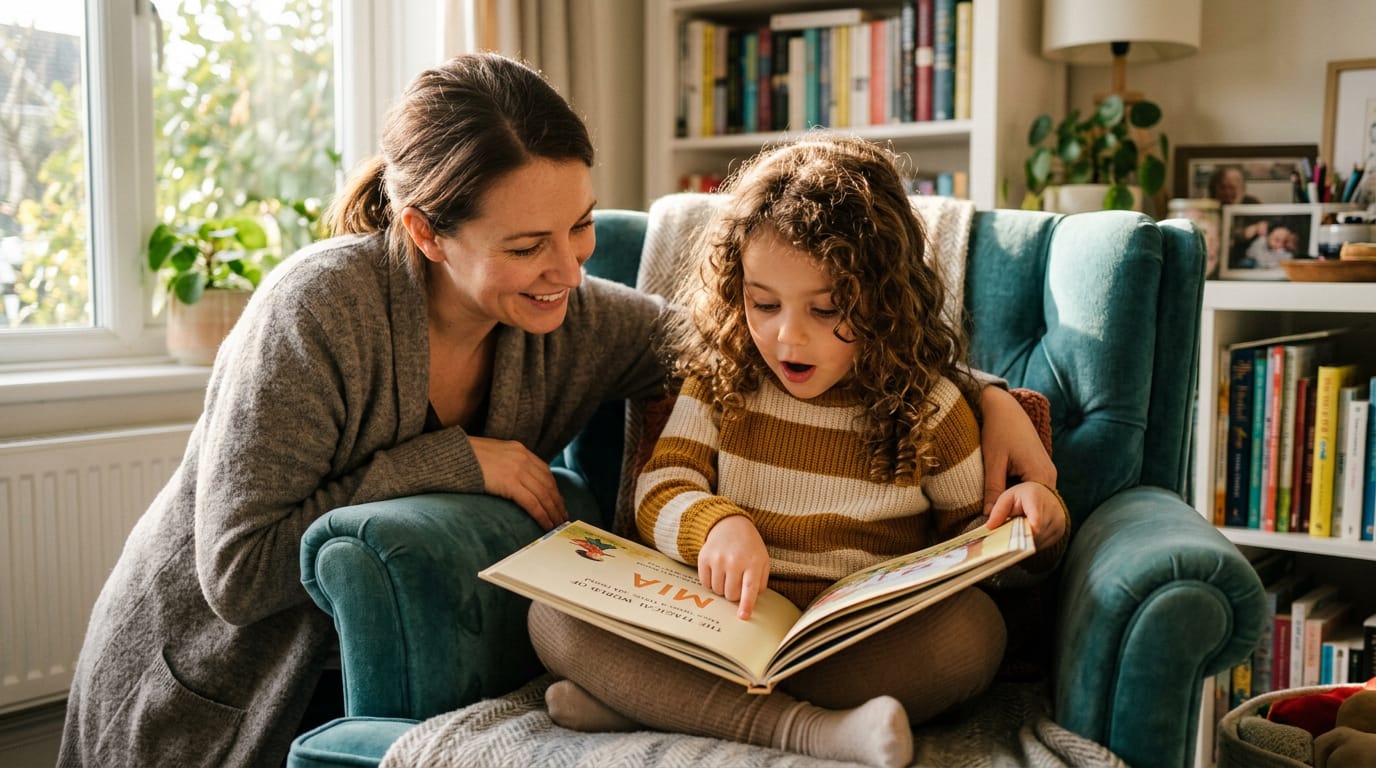
There is a specific, quiet magic that occurs when a child opens a picture book and sees a reflection of their own world. For decades, the "mirror" of children’s literature was limited, offering only a narrow glimpse into the vast diversity of human experience. We’ve made incredible strides in recent years, with shelves now bursting with stories of female athletes breaking records, neurodivergent children navigating sensory worlds, and vibrant celebrations of Black joy and culture.
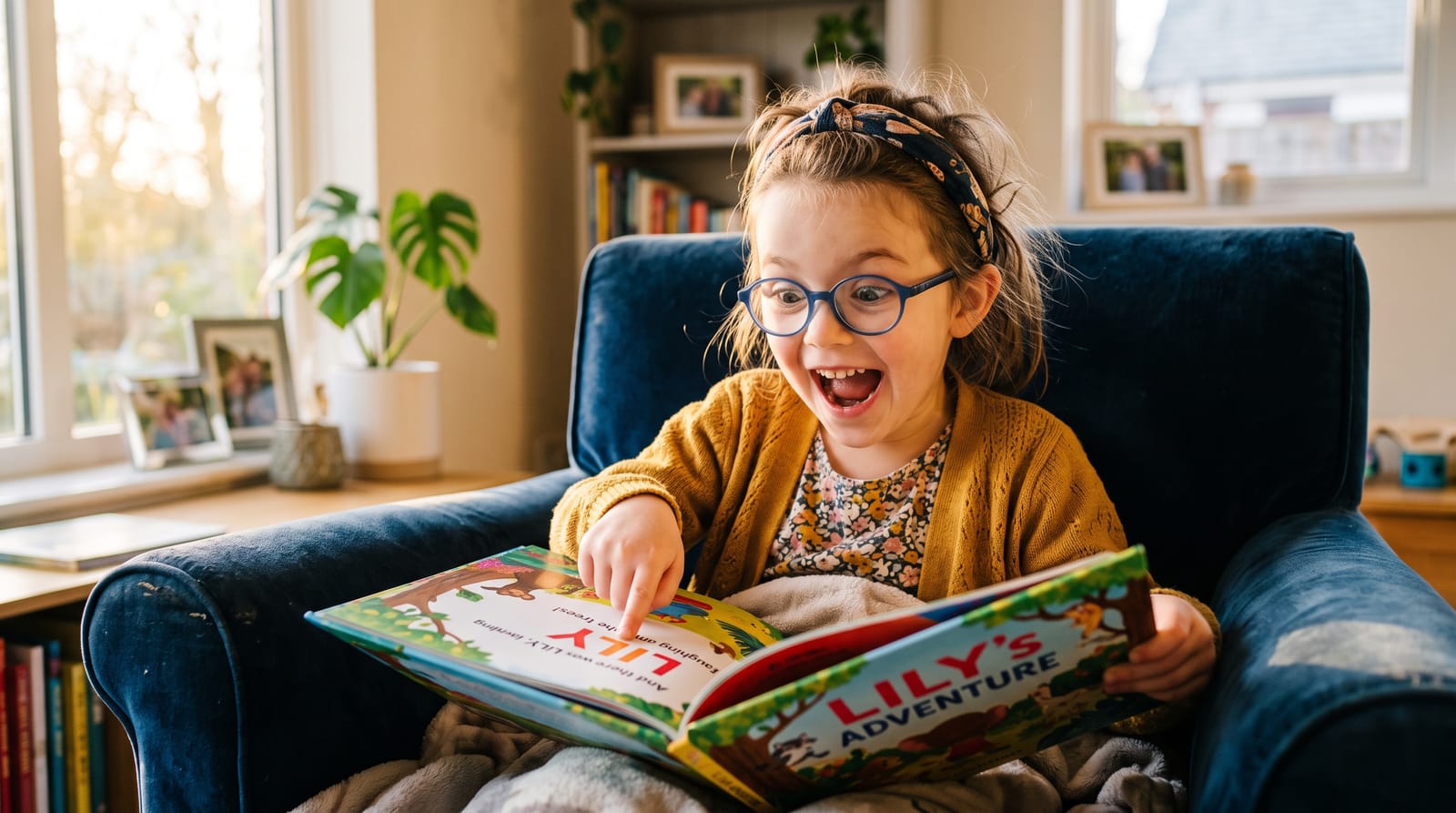
However, as we move through {YEAR}, a new evolution is taking place. While traditional publishing has opened doors, personalized books are inviting children to step through them. It is no longer just about seeing a character who looks like them or acts like them; it is about the child becoming the engine of the narrative itself.
At StorytimeHero, we believe that when a child becomes the protagonist, the lessons of resilience, inclusion, and self-love aren't just observed—they are lived.
Moving Beyond the "Diversity Calendar"
A common trap in modern parenting and education is the "seasonal" approach to representation. We often find ourselves reaching for books about female pioneers in March or Black history in February. While these moments of focused celebration are vital, the true work of identity formation happens in the quiet, "un-themed" moments of a child's life.
A picture book shouldn't be a guest in a child's home only during a specific month. Representation is most effective when it is woven into the fabric of daily life. This is where personalized books offer a unique solution. When a child is the hero of their own story, their identity—their heritage, their family structure, and their personal aspirations—becomes a permanent fixture of their bookshelf.
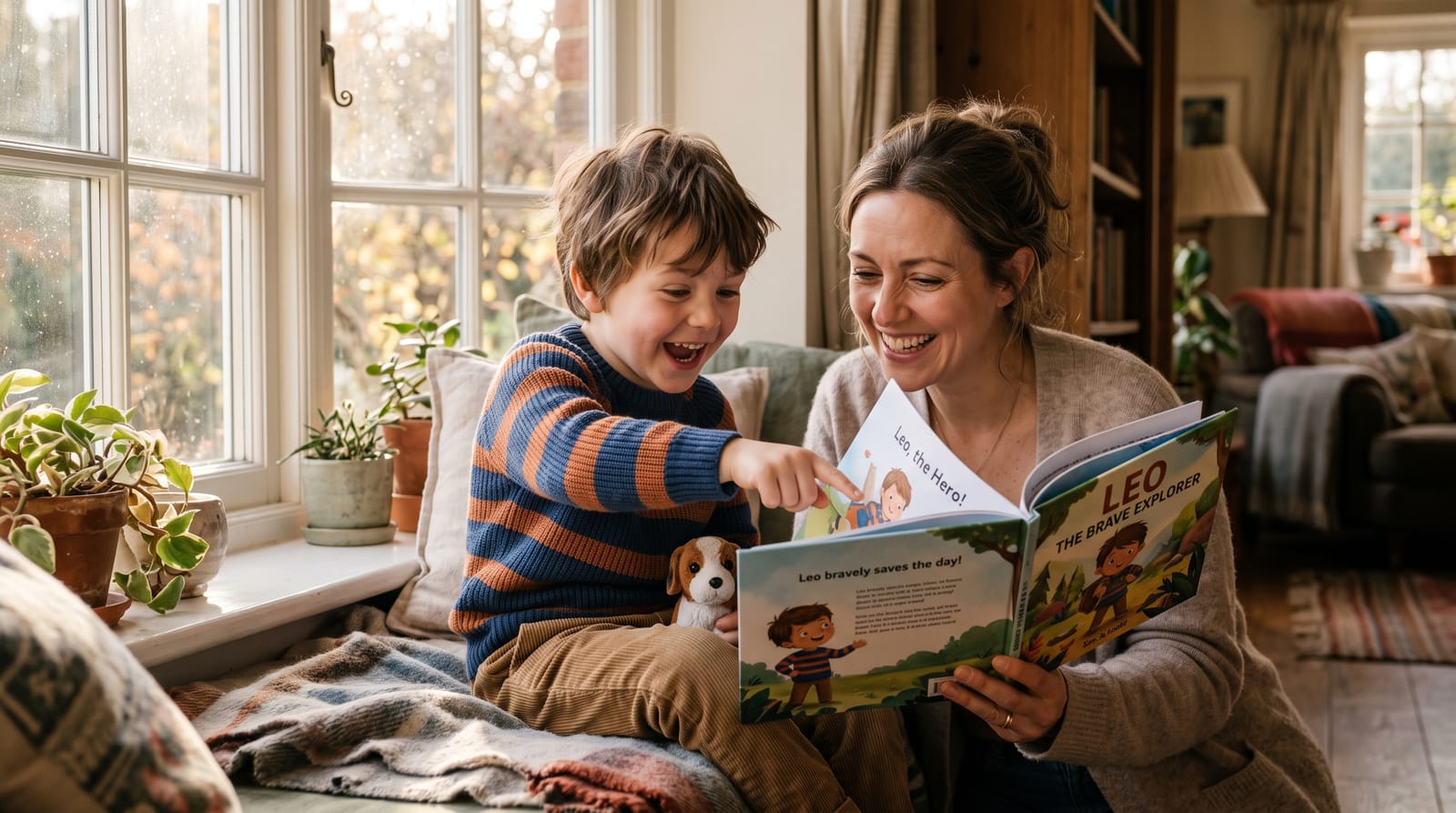
By integrating the child’s name and likeness into stories of adventure or everyday discovery, we move away from "teaching" diversity as a subject and toward experiencing it as a fundamental reality. It transforms the reading experience from a history lesson into a personal manifesto.
The Architecture of Neurodivergent Joy
One of the most profound shifts in the modern picture book landscape is the nuanced portrayal of neurodivergence. We are seeing more stories that move away from "fixing" a child and toward celebrating the unique rhythm of their mind. Whether it’s a character who finds peace in the movement of a river to help with a stutter, or a child who uses a "comfort box" to regulate a difficult day, these stories provide essential vocabulary for children and parents alike.
Personalization takes this empathy a step further. For a neurodivergent child, the world can often feel like it was designed for someone else. Standard narratives might inadvertently reinforce this feeling of being an outsider. However, when you place that child at the center of a personalized book, you are effectively building a world around their needs and their perspective.
In a custom story, the "bad day" isn't happening to a stranger; it’s a narrative tool that helps the child rehearse their own coping mechanisms. It validates their specific sensory experiences. When a child sees their own name associated with a character who finds strength in their unique way of processing the world, it fosters a deep sense of belonging that traditional media often struggles to replicate.
Celebrating Everyday Excellence and "The Joyful Break"
There is a vital movement in literature to highlight "Black Joy"—stories that center on the delight of a new hairstyle, the pride in a handmade outfit, or the simple warmth of a grandmother’s studio. These stories are a necessary counterbalance to narratives that focus solely on historical struggle. They remind children that their culture is defined by beauty, creativity, and laughter.
Personalized books are the perfect vessel for this "joyful break." Instead of the child being a spectator to someone else’s celebration, they become the recipient of the praise. Imagine a picture book where the "light" being celebrated is explicitly the child’s own light.
By removing the distance between the reader and the "hero," we allow children to internalize positive affirmations. When a book celebrates the child’s specific dreams—whether they want to be a fashion designer, a scientist, or a ping-pong champion—it builds a foundation of "everyday excellence." This isn't just about representation; it’s about giving the child permission to be the most exuberant version of themselves.
Breaking Stereotypes Through Personal Agency
The image of what an "athlete" or a "leader" looks like is constantly being redefined. We see this in the rise of picture books featuring female rock climbers, skaters, and skiers. These books are essential for dismantling the "backsliding" of social progress and showing all children that strength has many faces.
However, there is a psychological shift that happens when a child isn't just reading about a champion, but is the champion. In the world of developmental psychology, this is often referred to as "narrative transport." When a child is deeply immersed in a story, they are more likely to adopt the traits of the protagonist.
If a young girl reads a picture book about a girl climbing a mountain, she is inspired. If she reads a StorytimeHero book where she is the one solving the "problem" of the rock face, she is practicing. She is building the mental architecture of a person who overcomes obstacles. Personalization turns a passive reading experience into a dress rehearsal for life.
Why Personalization is the "Narrative Glue" for Families
Modern families are more diverse and complex than ever before. We have multi-generational households, co-parenting arrangements, and families built through adoption or choice. Traditional picture books, while improving, often rely on a "standard" family template that may not resonate with every child.
Personalized books act as a form of "narrative glue." They allow families to see their specific dynamics reflected as the "norm." This is particularly important for children who might feel "different" due to their family structure or background. By seeing their family celebrated in print, the child receives a powerful message: Our story is a "real" story. Our story belongs in a book.
This sense of belonging is the ultimate goal of any great picture book. Whether we are discussing neurodiversity, racial identity, or breaking gender norms, the objective is to ensure that no child feels like an asterisk in the story of humanity.
{YEAR} and the Future of Storytelling
As we look toward the future of children's media, the trend is clear: the "one-size-fits-all" approach is fading. Parents are looking for tools that do more than just entertain; they want stories that act as partners in their parenting journey.
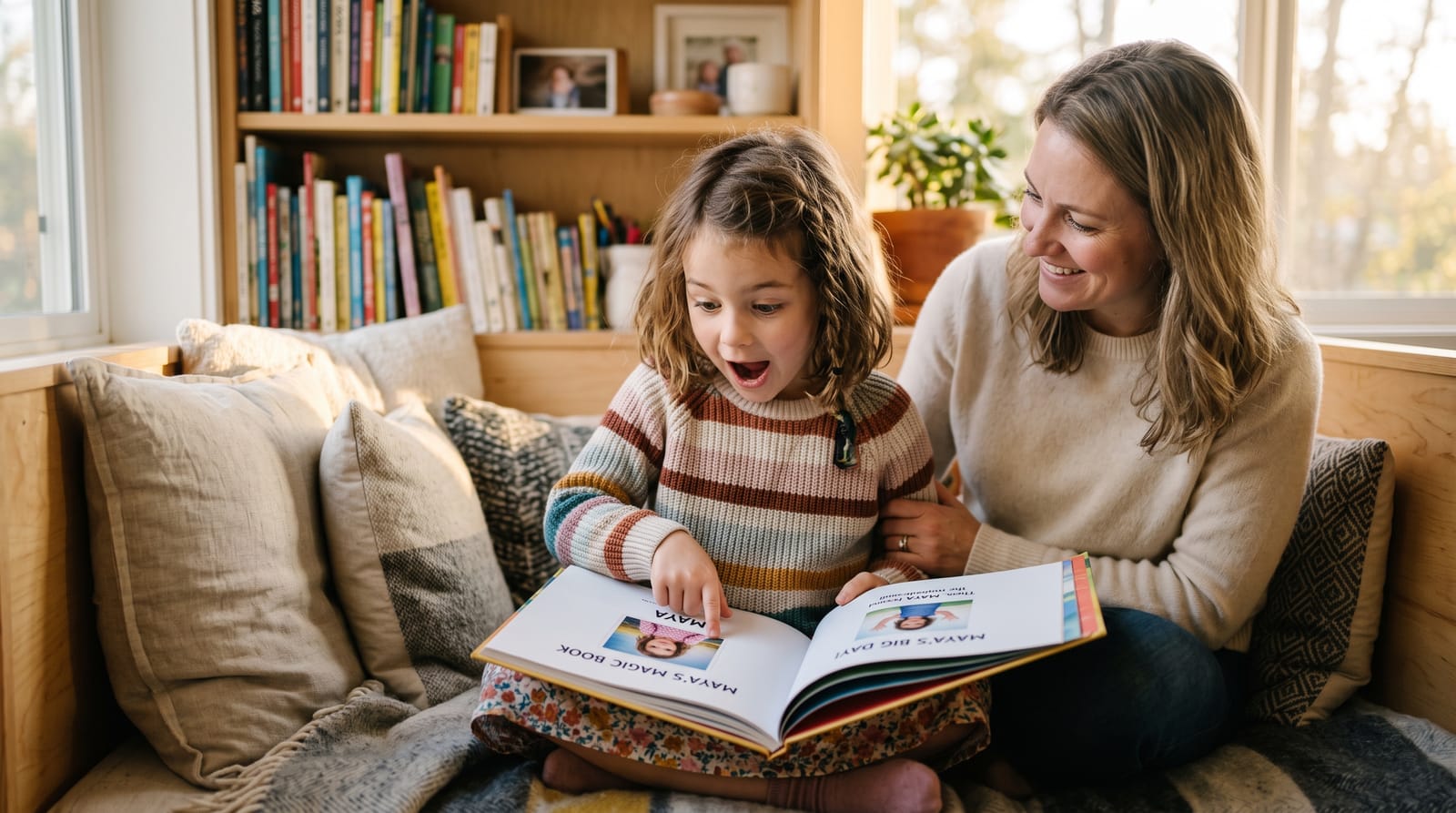
Personalized books address the gaps that traditional publishing—no matter how well-intentioned—simply cannot fill. They provide a level of intimacy and relevance that makes the lessons of the story "stick." When a child sees their name on the cover, they aren't just opening a book; they are opening a door to their own potential.
At StorytimeHero, we are proud to be part of this evolution. We believe every child deserves to be the hero, not just because it’s fun, but because it’s a fundamental building block of a confident, empathetic, and resilient human being.
---
FAQ: Common Questions About Personalized Picture Books
1. Does seeing their own name in a book actually help with learning?
Yes. Research suggests that "self-referencing" can significantly improve engagement and word recognition in early readers. When a child sees their name, their brain "wakes up," making them more attentive to the surrounding text and the themes of the story.
2. Are personalized books just a "gimmick," or do they have lasting value?
While the "wow" factor of seeing their name is great, the lasting value lies in the emotional connection. Children often keep personalized books much longer than standard ones because the book becomes a keepsake of their childhood identity. It’s a "time capsule" of who they were and what they dreamed of at that age.
3. Can personalized books help children with anxiety or big transitions?
Absolutely. By placing the child in a "brave" role within the story, parents can use personalized books as a form of "social storytelling." It allows the child to visualize themselves successfully navigating a move, a new school, or a doctor's visit, which can significantly lower anxiety levels.
4. How do personalized books handle sensitive topics like neurodivergence?
The best personalized books focus on the child's strengths and the "joy" of their unique perspective. Rather than labeling a child, these stories celebrate their specific way of interacting with the world, helping them find their "voice" and "rhythm" just like the characters in the most beloved modern picture books.
---
Related Reading
Free preview checklist
Get the personalized book gift checklist
Know what photo to use, what to write in the dedication, and what to review before ordering.