The Power of Presence in Modern Picture Books | StorytimeHero
Upload a photo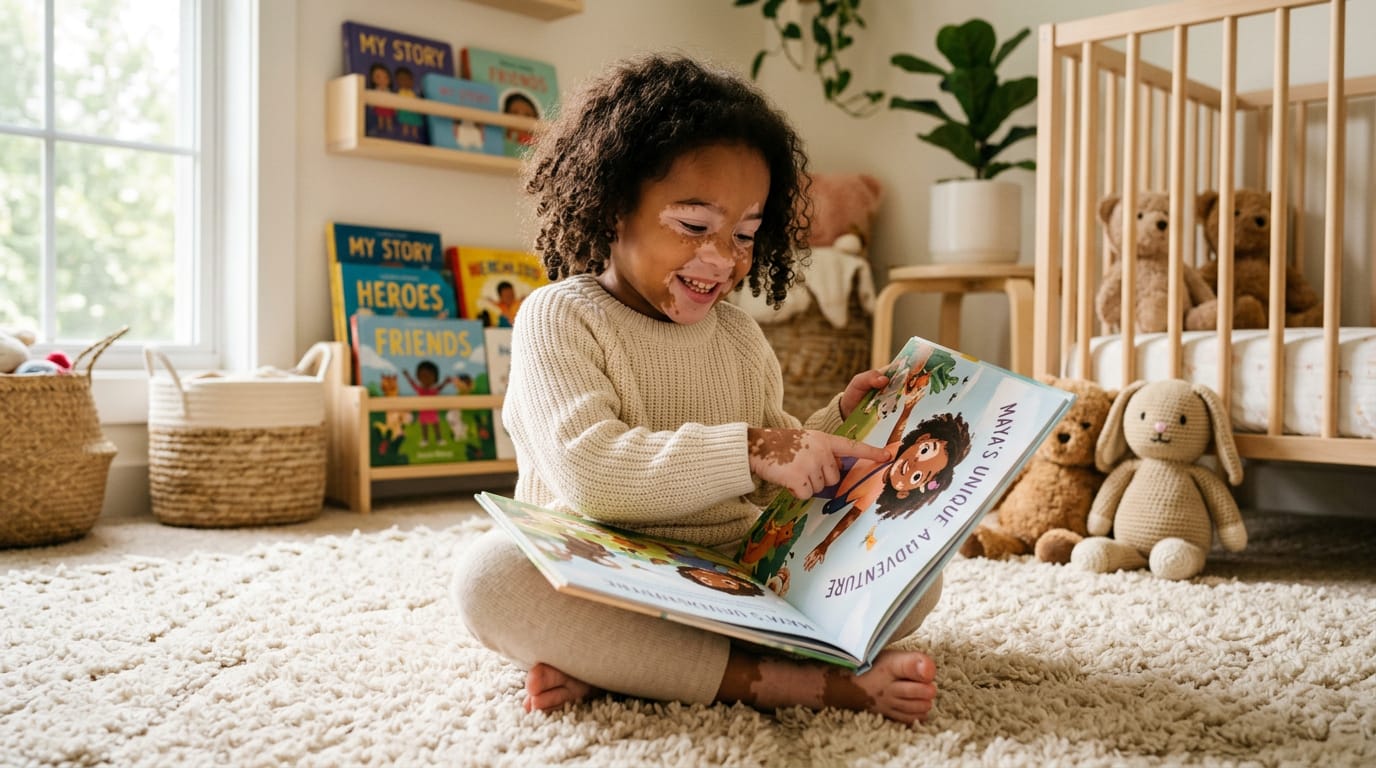
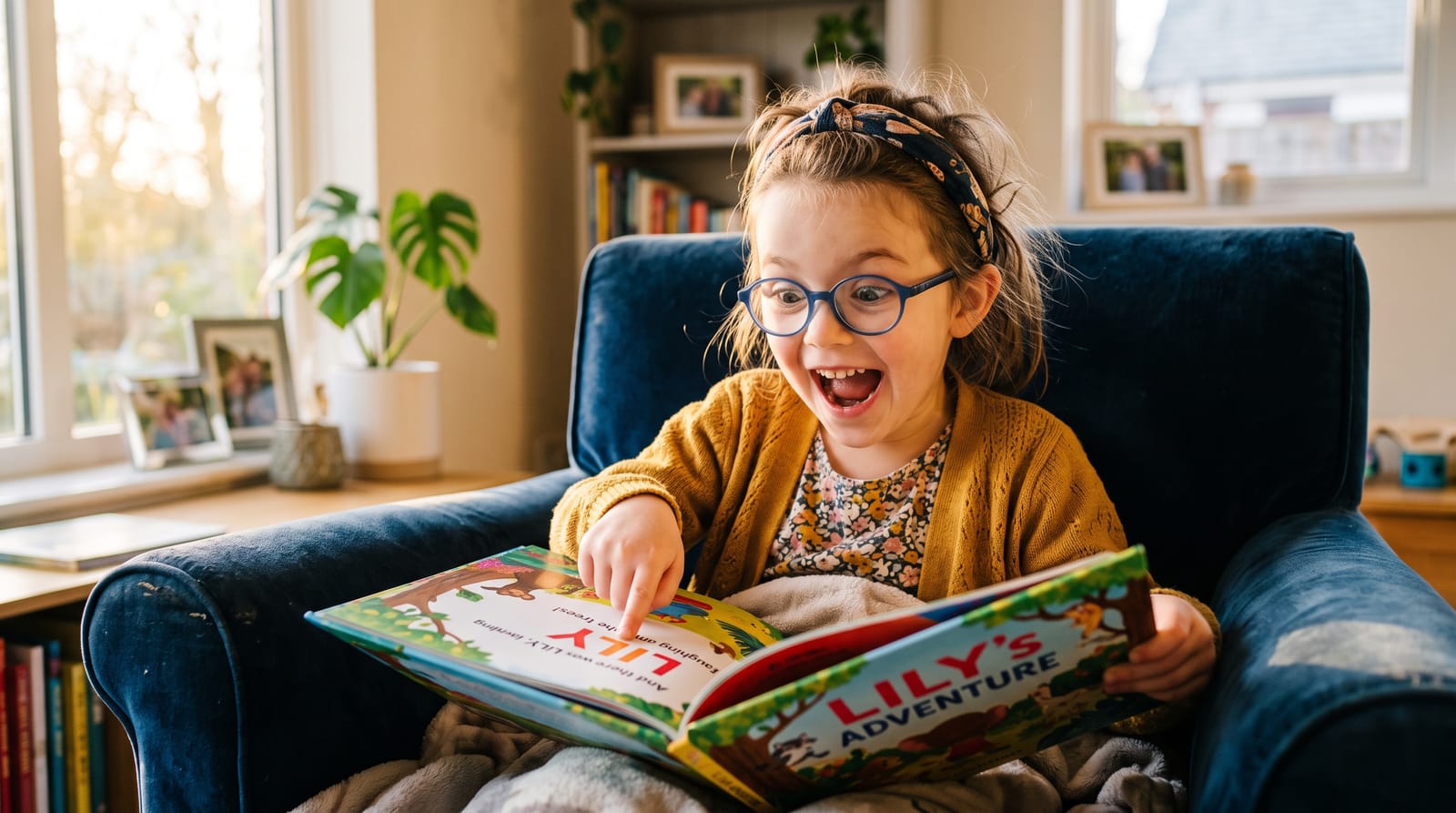
The magic of a picture book lies in its ability to act as both a window and a mirror. For decades, these stories have invited children to look out into worlds different from their own and, occasionally, catch a glimpse of themselves reflected in the pages. However, as we move through {YEAR}, the expectations for these mirrors have grown more profound. Parents and educators are no longer satisfied with "generic" representation; they are seeking stories that speak directly to the lived experience of the individual child.
This is where the evolution of the personalized book steps in. By moving beyond a one-size-fits-all narrative, personalized storytelling addresses a critical gap in the traditional picture book market. It ensures that representation isn't just a theme explored during a specific month of the year, but a permanent, daily reality for the child holding the book.
Beyond the Calendar: Year-Round Representation
In the world of traditional publishing, there is often a seasonal rhythm to diversity. We see a surge of stories about female trailblazers in March or a focus on Black history in February. While these spotlights are vital, they can inadvertently send a message that these identities are "special topics" rather than fundamental parts of the everyday human experience.
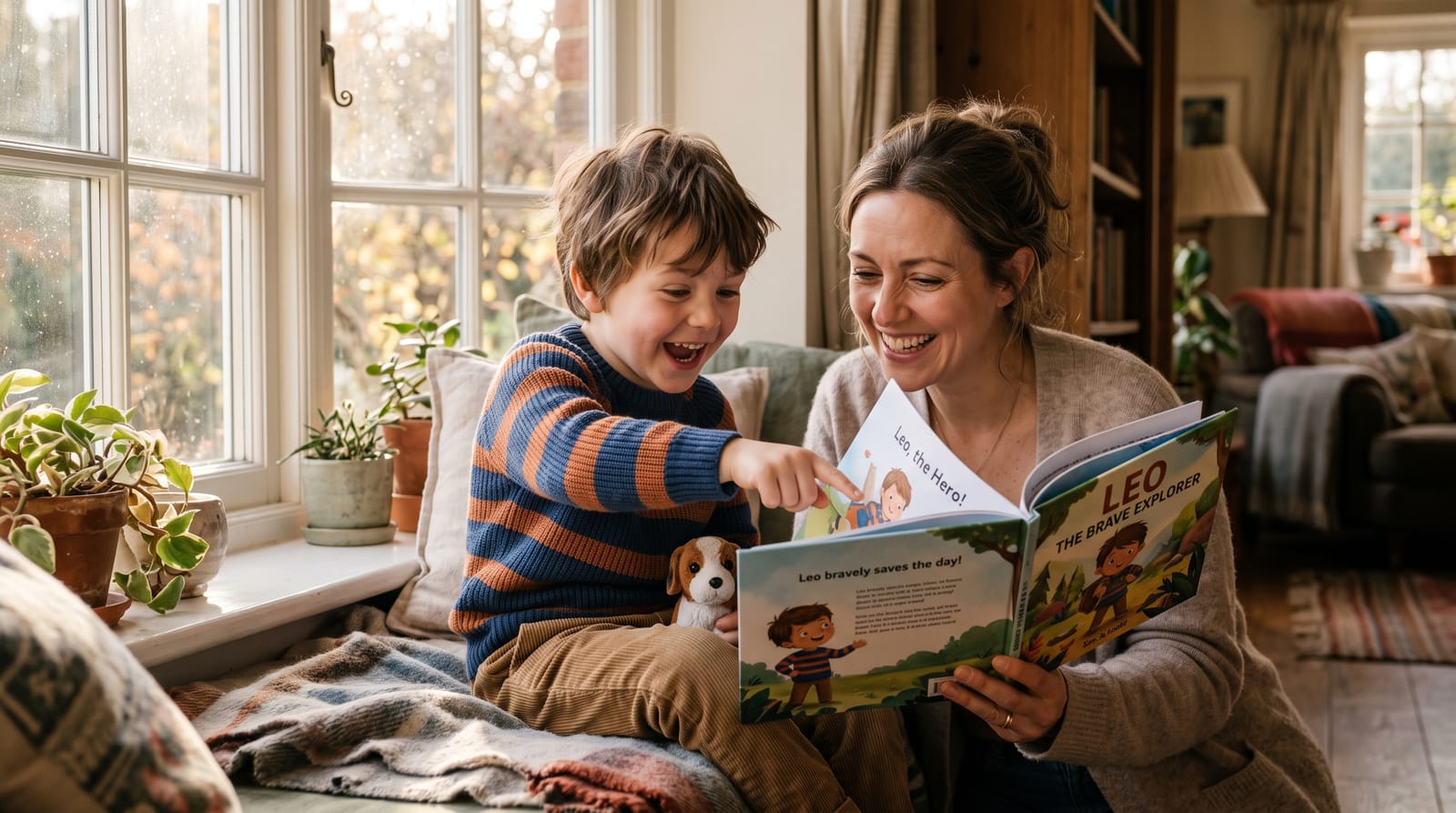
Personalized books disrupt this cycle by making the child’s specific identity the cornerstone of the story every single day. When a child sees themselves as the protagonist—not just a background character or a representative of a group—the narrative shifts. It moves from "learning about someone like me" to "experiencing my own potential."
Whether it’s a story about a young girl dominating the hockey rink or a boy exploring his creative flair in fashion, How Personalized Books Evolve the Picture Book demonstrates that when a child is the hero, their interests and identity aren't relegated to a heritage month. They are the heart of the adventure, 365 days a year.
Validating the Spectrum of the Mind
One of the most significant shifts in the modern picture book is the increasing focus on neurodiversity. We are beginning to understand that every brain is wired differently, and these differences come with a unique set of strengths and sensory perspectives. However, children who navigate the world through the lens of autism, ADHD, or speech differences like stuttering often struggle to find stories that mirror their specific internal monologue.
Traditional stories about neurodivergence are often written to explain a condition to other children. Personalized books flip this perspective. They allow parents to craft a narrative where the "challenges" aren't flaws to be fixed, but environmental hurdles to be navigated with the child's existing strengths.
Imagine a story where a child’s specific "comfort zone"—perhaps a quiet corner or a favorite repetitive motion—is depicted not as an oddity, but as their "power station." By integrating these personal nuances into a high-quality picture book, we provide a sense of safety and community. This approach aligns with the idea of Resilience & Representation in Picture Books, where the story serves as a roadmap for navigating a world that isn't always designed with every brain type in mind.
Breaking Stereotypes Through Individual Agency
The traditional picture book has often relied on archetypes: the brave knight, the nurturing caregiver, the star athlete. While these archetypes are changing, there is still a subtle pressure for characters to "fit" a certain image. We see this in the ongoing work to redefine what a scientist, a dancer, or a champion looks like.
Personalization removes the "middleman" of the archetype. When you create a book at StorytimeHero, the child’s name and likeness are directly attached to the action. If the story is about a rock climber overcoming a difficult "problem" on a cliff face, it is your child doing the climbing. There is no need to wonder if they "look the part" or if someone with their background belongs in that space. The book provides the evidence of their belonging.
This direct connection is essential for building a child’s self-concept. It moves the needle from "I could do that" to "I am doing that." This sense of agency is a core component of Personalization and the Modern Picture Book, as it empowers children to see themselves as the masters of their own destiny, regardless of societal expectations.
The Narrative Glue of Family Identity
While much of the focus on personalized books is on the individual child, these stories also serve as a vital tool for family cohesion. Every family has its own culture, its own "inside jokes," and its own history. Traditional books, by their nature, cannot capture the specific rhythm of your household.
Personalized books act as a bridge, connecting the child’s individual journey with the broader family narrative. They allow parents to weave in values that are specific to their heritage or lifestyle. For example, a family might choose to emphasize the importance of perseverance through a story about a child learning a difficult skill, or they might highlight the joy of community through a tale of a neighborhood celebration.
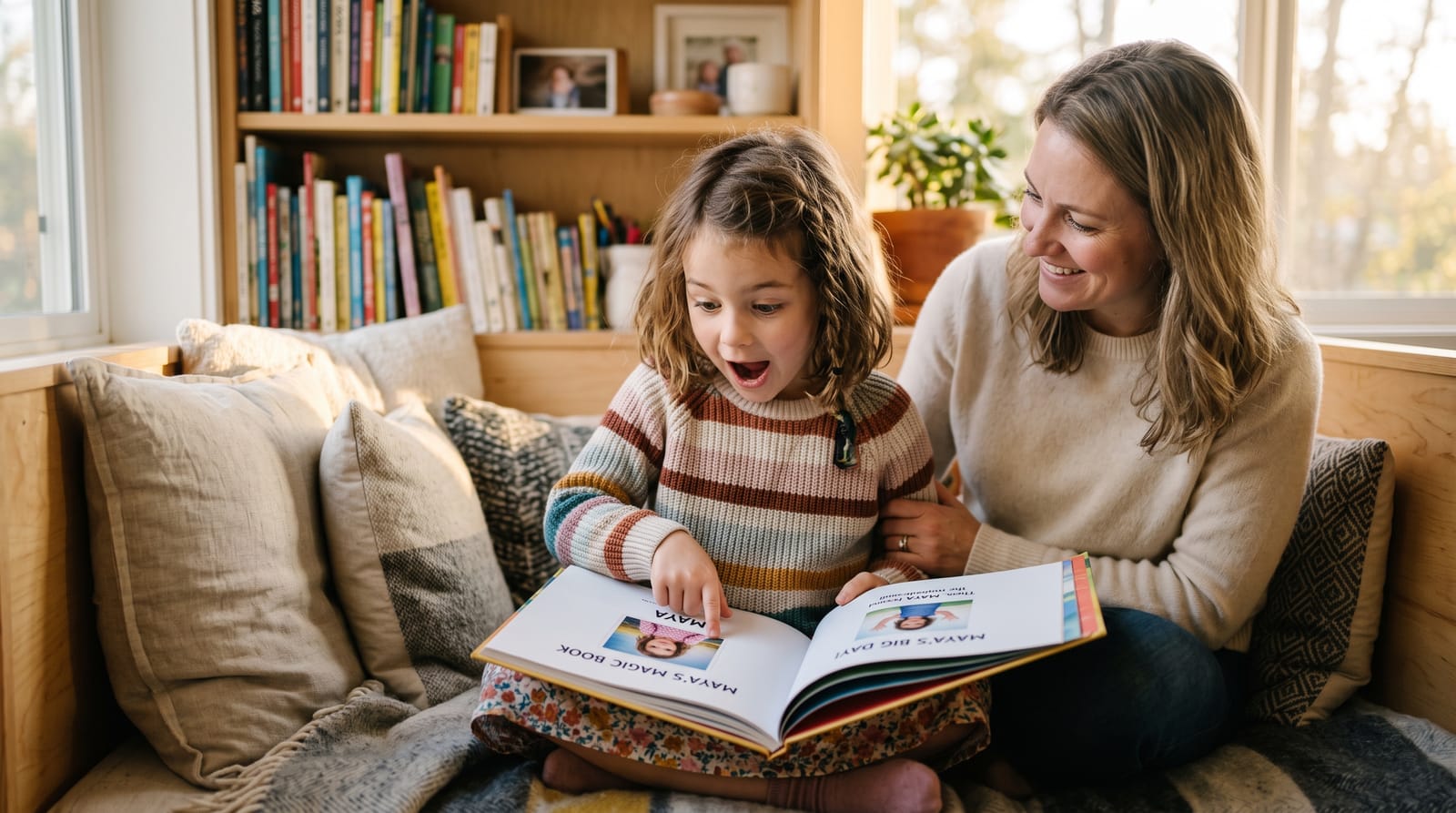
This "narrative glue" helps children feel grounded. In a fast-paced world, having a picture book that explicitly mentions their home, their pets, or their favorite family traditions provides a sense of stability. It’s a way of Mapping Family Identity with Personalized Books, creating a tangible record of who they are and where they come from.
Why Personalization is the Future of Literacy
From a developmental standpoint, the "Name-Recognition Effect" is a powerful motivator in early literacy. When a child sees their own name in print, their engagement levels spike. They aren't just decoding words; they are discovering secrets about themselves.
But the benefits go beyond mere engagement. Personalized books help children develop empathy for themselves. By seeing their own struggles and triumphs mirrored in a beautifully illustrated picture book, they learn to view their own life as a story worth telling. This builds the emotional intelligence necessary to understand that others, too, have their own "hero's journey" unfolding.
At StorytimeHero, we believe that every child deserves to be the protagonist. We aren't just making books; we are creating artifacts of childhood that say, "Your story matters." As we look at the future of the picture book, it’s clear that the most impactful stories won't be the ones that try to speak to everyone at once, but the ones that speak deeply and truly to one child at a time.
FAQ: What Parents Ask About Personalized Picture Books
Related Reading
- How Personalized Books Evolve the Picture Book
- Resilience & Representation in Picture Books
- Personalization and the Modern Picture Book
- Mapping Family Identity with Personalized Books
- The 'Live-Like' Philosophy in Personalized Books
By embracing the power of presence, personalized books are doing more than just entertaining; they are redefining what it means to be "seen" in a story. They turn the act of reading into an act of affirmation, ensuring that every child knows they have a place in the grand narrative of the world.
Free preview checklist
Get the personalized book gift checklist
Know what photo to use, what to write in the dedication, and what to review before ordering.