The Evolution of the Modern Picture Book | StorytimeHero
Upload a photo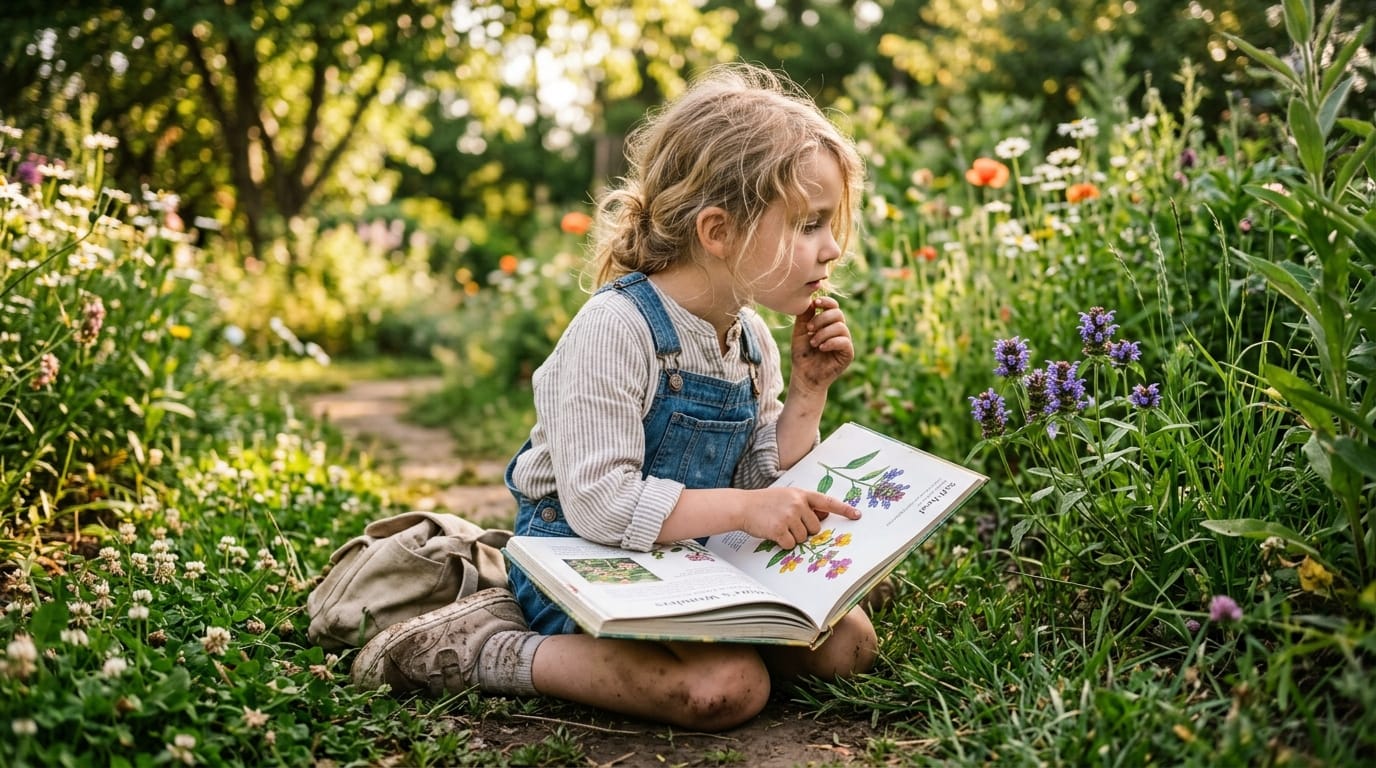
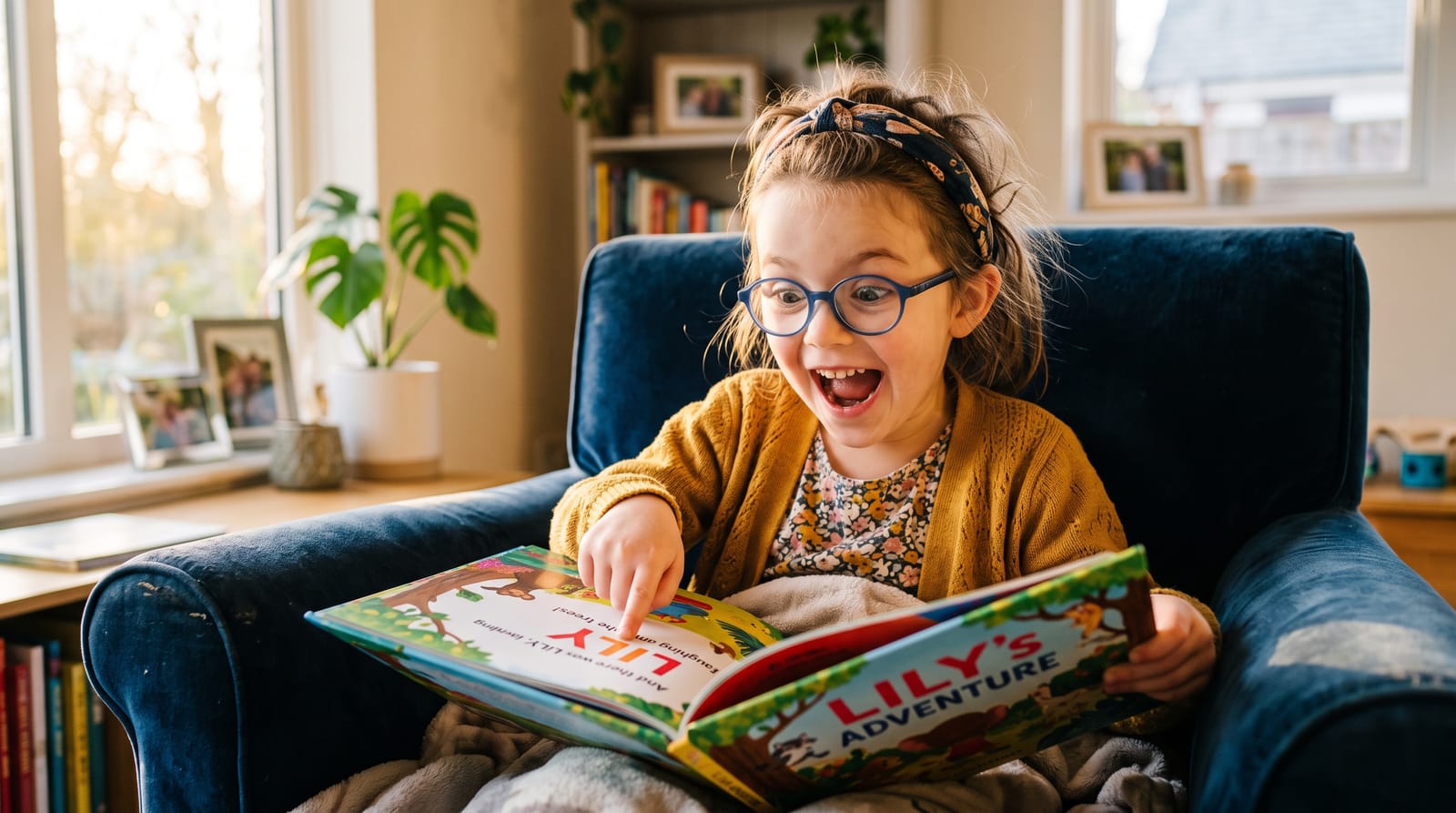
The first time a child holds a picture book, they aren't just holding paper and ink; they are holding a passport to a wider world. Historically, these books served as windows, offering a glimpse into lives, places, and magical realms far removed from the child’s bedroom. However, as we move through {YEAR}, the role of the picture book is undergoing a profound transformation. It is shifting from a window into a mirror—and more specifically, a bridge.
Today’s parents are looking for more than just a bedtime distraction. They are seeking tools that help their children navigate a complex world filled with unique challenges, from understanding their own physical health to finding their place in a fast-paced, digital-heavy society. This is where the intersection of high-quality literature and personalization becomes vital. By placing a child directly into the narrative, personalized books act as a catalyst for emotional growth, making the lessons of the story feel less like a lecture and more like a lived experience.
Navigating the Real World: Beyond the Fairy Tale
In the past, children’s literature often focused on the fantastical. While dragons and talking animals still have their place, there is a growing trend toward "real-world" resilience. Modern picture books are increasingly addressing the granular details of a child’s daily life—things like food allergies, social anxieties, and the "growth mindset" required to tackle a difficult puzzle or a new sport.
When a story addresses a specific challenge, such as a food allergy, it does more than just educate; it validates. It tells the child that their experience is seen and that they have the agency to solve problems. However, when you introduce personalization into this equation, the impact doubles. Instead of watching a fictional character navigate a "sweet solution" to a problem, the child sees themselves as the protagonist.
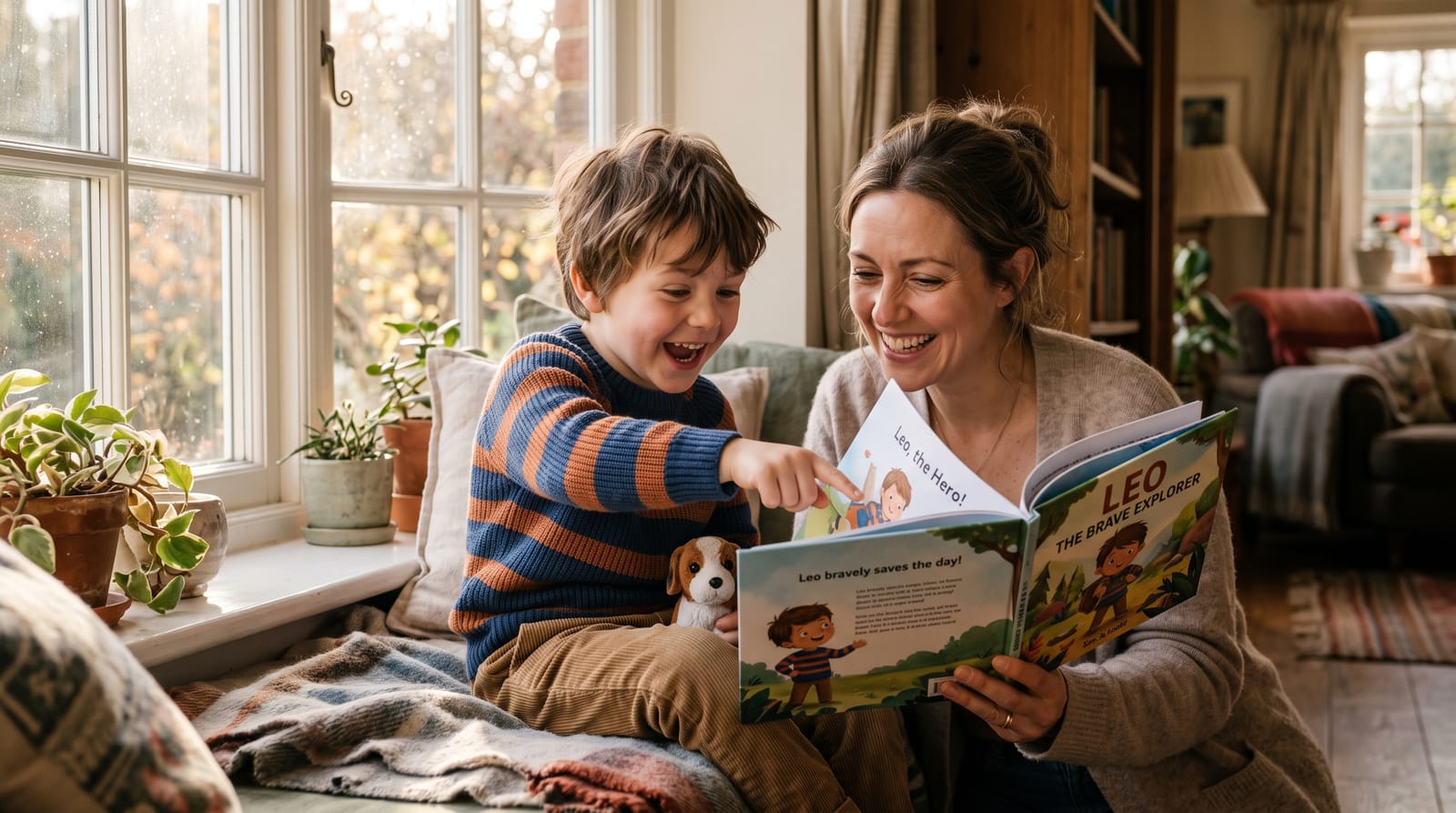
When StorytimeHero creates a narrative where the child is the one practicing a growth mindset, the brain processes that information differently. It moves from passive observation to active rehearsal. The child isn't just learning how a character solves a problem; they are practicing how they solve a problem. This build-up of "narrative confidence" is a powerful tool for early childhood development.
Resilience in the Face of Everyday Challenges
Resilience isn't built in a day; it’s built through the small, repeated successes of daily life. Modern picture books are moving away from the "happily ever after" trope in favor of "I tried, I failed, and I tried again." This shift is crucial for helping children understand that struggle is a natural part of growth.
Personalized books take this a step further by anchoring these lessons in the child's own identity. By seeing their name and likeness associated with perseverance, the child begins to internalize a resilient self-image. They start to believe, "I am a person who figures things out," which is perhaps the greatest gift a book can give.
The Rhythm of Self: Poetry and the Power of Personal Voice
There is a unique magic in the cadence of a picture book. Whether it’s the rhythmic bounce of a rhyming story or the lyrical flow of a poetic biography, the "sound" of a book is just as important as its visuals. Experts often describe poetry as a "balm"—a soothing influence that helps children process deep feelings and startling images.
In the landscape of {YEAR}, poetry in picture books is being used to explore heavy themes like ancestry, identity, and the lives of historical figures who overcame great odds. These stories provide a sense of "luster" to life, reminding both the reader and the listener that language is a tool for beauty and expression.
When a child’s name is woven into these rhythmic structures, the book becomes a personal anthem. The child isn't just hearing a poem; they are hearing their poem. This creates a deep emotional anchor. Personalization allows the child to feel a direct connection to the "greats" of history and literature. It suggests that their own life story is worthy of the same lyrical beauty found in the biographies of poets and trailblazers.
Ancestry and Identity in the Modern Narrative
Understanding where we come from is a fundamental part of knowing who we are. Many modern picture books are delving into themes of heritage and the "floating poems" of our ancestors. For a child, these concepts can sometimes feel abstract.
Personalized storytelling helps bridge this gap by making the child the literal link between the past and the future. By placing the child at the center of a story about identity, these books help them realize that they are part of a larger, ongoing narrative. They aren't just an observer of history; they are a participant in it.
Grounding the Fast-Paced Life: Nature and Seasonal Rhythms
In an era of "cabin fever" and digital overstimulation, the call of the natural world has never been more important. There is a specific category of picture books that serves to slow us down, encouraging us to look closely at the "fresh-turned earth" or the transition from winter to spring. These books celebrate the "busy-ness" of nature—the small details of a waking garden or the quiet change of the seasons.
The goal of these nature-themed stories is to spark curiosity and answer the "why" and "how" of the world around us. They promise that the period of enclosure is temporary and that there is a vast, magical world waiting just outside the door.
Personalized books enhance this connection by making the child the explorer. Instead of reading about a generic child walking through a damp backyard, the story follows your child as they experience the five senses of spring. This turns a nature lesson into a personal adventure. It encourages the child to step outside and look for the same details they saw in their book, fostering a lifelong love of observation and environmental stewardship.
Observation as a Superpower
Teaching a child to "slow down and look closely" is one of the most valuable skills in a distracted world. When a child sees themselves in a book, noticing the "delicate, magical flowers" or the "sherbet-colored clouds," they are being trained in the art of mindfulness. They learn that their perspective matters and that their observations are valuable. This sense of presence is a core benefit of the modern picture book experience.
Why Personalization is the Missing Piece in the Modern Library
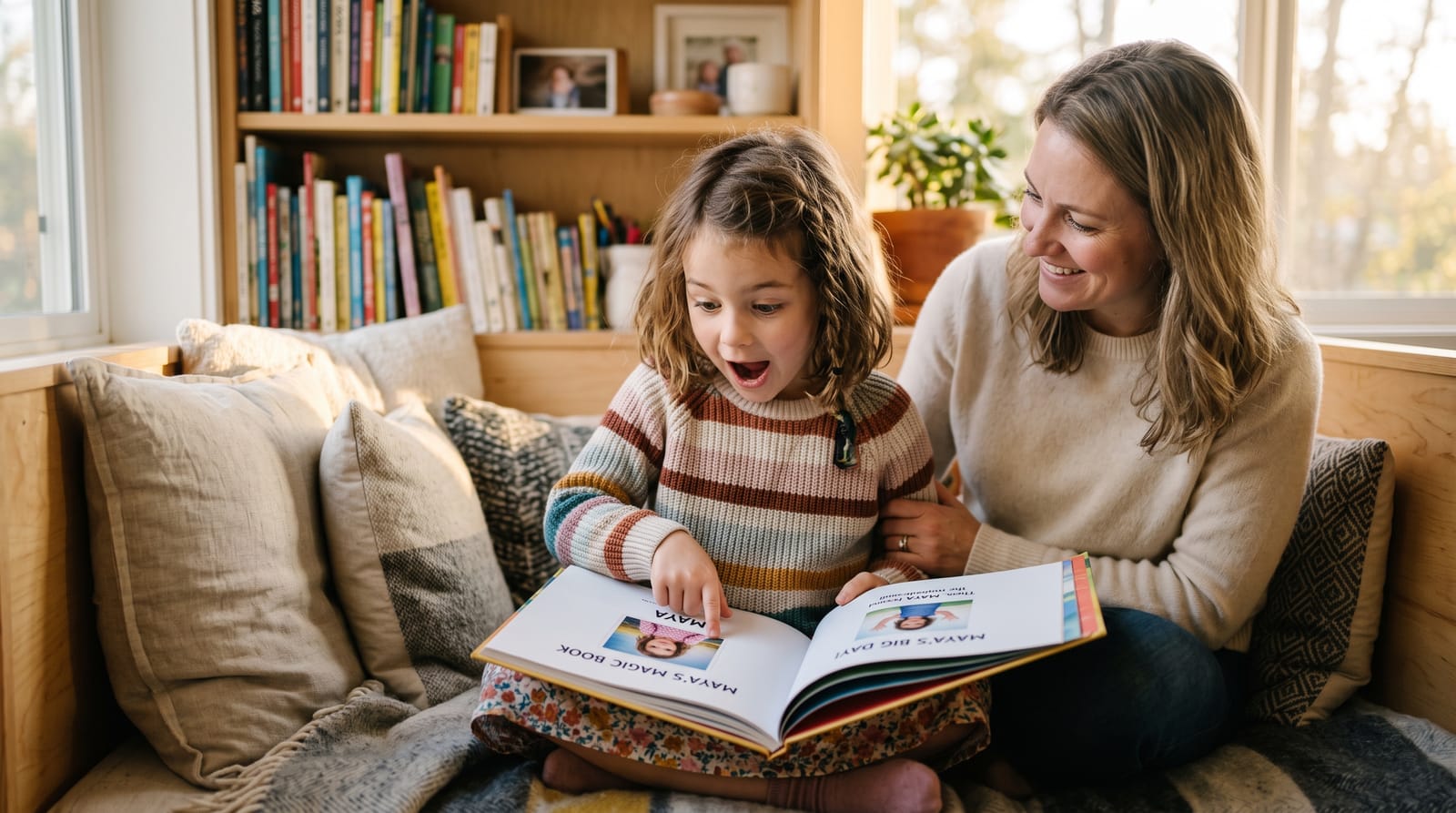
We live in an age of customization, but personalization in children’s books is about more than just putting a name on a cover. It’s about embodiment. When a child sees themselves in a story, they are no longer just a spectator; they are an active participant in the narrative.
This "participatory page" is what distinguishes StorytimeHero from traditional publishing. By integrating the child’s identity into themes of resilience, poetry, and nature, we are creating a "living narrative." This approach addresses the "relevance gap" that sometimes exists in older, more generic children’s stories. It ensures that the book isn't just something to be read once and shelved, but a cherished companion that grows with the child.
The Science of Seeing Yourself
Psychologically, the "Protagonist Effect" is a real phenomenon. Children who see themselves as the main characters in their books show higher levels of engagement, better reading comprehension, and a stronger emotional connection to the material. They are more likely to internalize the moral of the story and apply it to their own lives. In short, when the book is about them, the stakes are higher and the rewards are greater.
Conclusion: The Future of the Picture Book
As we look toward the future of children’s literature, it is clear that the "one-size-fits-all" model is evolving. The modern picture book is becoming more inclusive, more realistic, and more deeply connected to the individual child's needs. Whether it’s navigating a health challenge, discovering the joy of poetry, or exploring the wonders of the changing seasons, the goal remains the same: to help the child feel seen, heard, and empowered.
By choosing personalized books, parents are providing a unique form of "narrative glue" that binds the child’s identity to the positive values and lessons found in great literature. It is a way to ensure that the magic of the picture book remains relevant for a new generation of heroes.
---
FAQ: Frequently Asked Questions
Q: At what age do personalized picture books have the most impact?
A: While children of all ages enjoy seeing their names in print, the peak impact is often between ages 2 and 7. This is the period when children are developing their self-concept and beginning to understand their place in the world. Seeing themselves as the hero of a story during these formative years can significantly boost self-esteem and literacy skills.
Q: Can personalized books help with specific behavioral challenges?
A: Yes! Because personalized books allow for "narrative rehearsal," they are excellent tools for addressing behaviors like sharing, trying new foods, or managing big emotions. When a child sees "themselves" successfully navigating a difficult situation in a story, it provides a blueprint for how to handle that situation in real life.
Q: How do these books fit into a diverse home library?
A: Personalized books should be a cornerstone of a diverse library. While it’s important for children to read about people who are different from them to build empathy, it is equally important for them to have "mirror" books where they are the star. Balancing "window" books (about others) with "mirror" books (about themselves) creates a well-rounded and emotionally healthy reading experience.
---
Related Reading
Free preview checklist
Get the personalized book gift checklist
Know what photo to use, what to write in the dedication, and what to review before ordering.