Personalized Picture Books: Poetry, Nature & Community | StorytimeHero
Upload a photo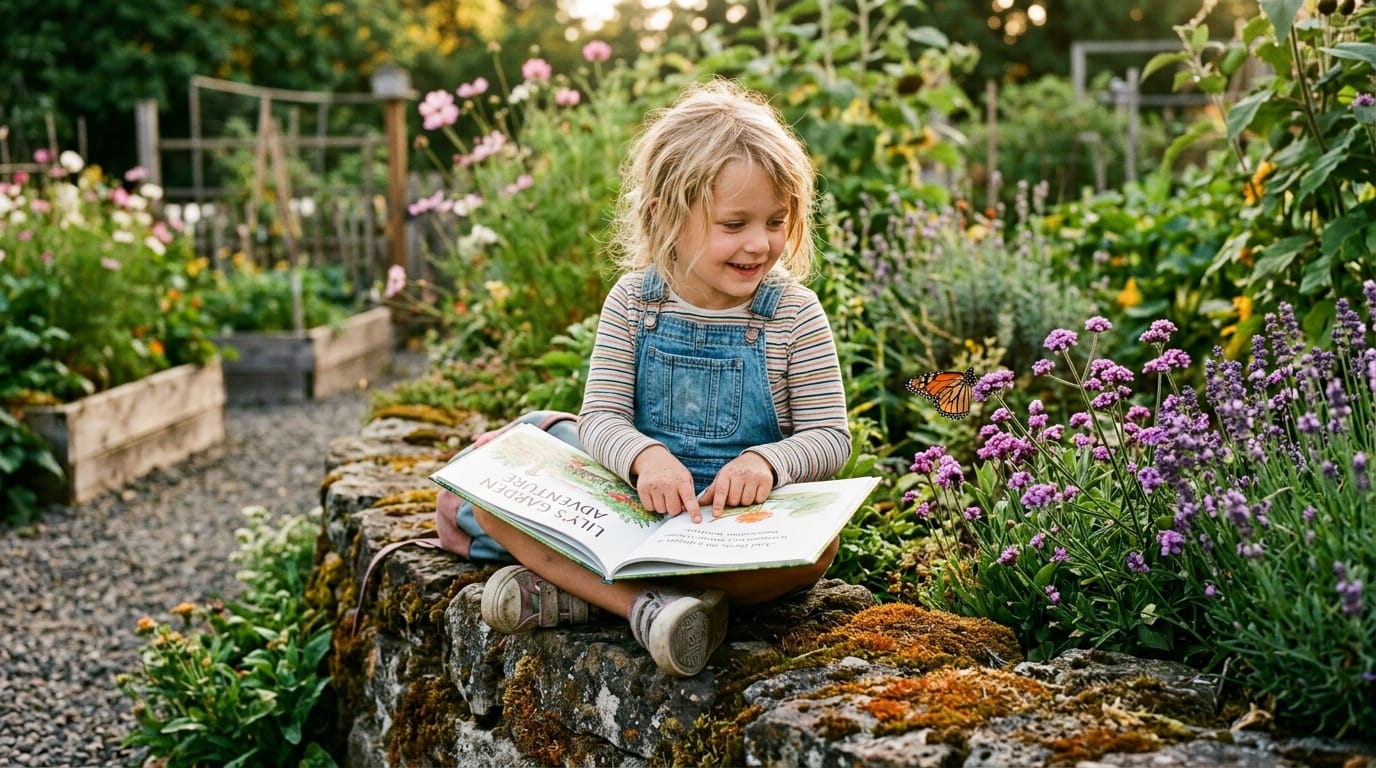
The magic of a picture book lies in its ability to be a window and a mirror simultaneously. For decades, these bound treasures have introduced children to the rhythmic cadence of verse, the silent unfolding of a spring bud, and the quiet strength of a helping hand. However, as we navigate the complexities of {YEAR}, the way children consume these stories is evolving.
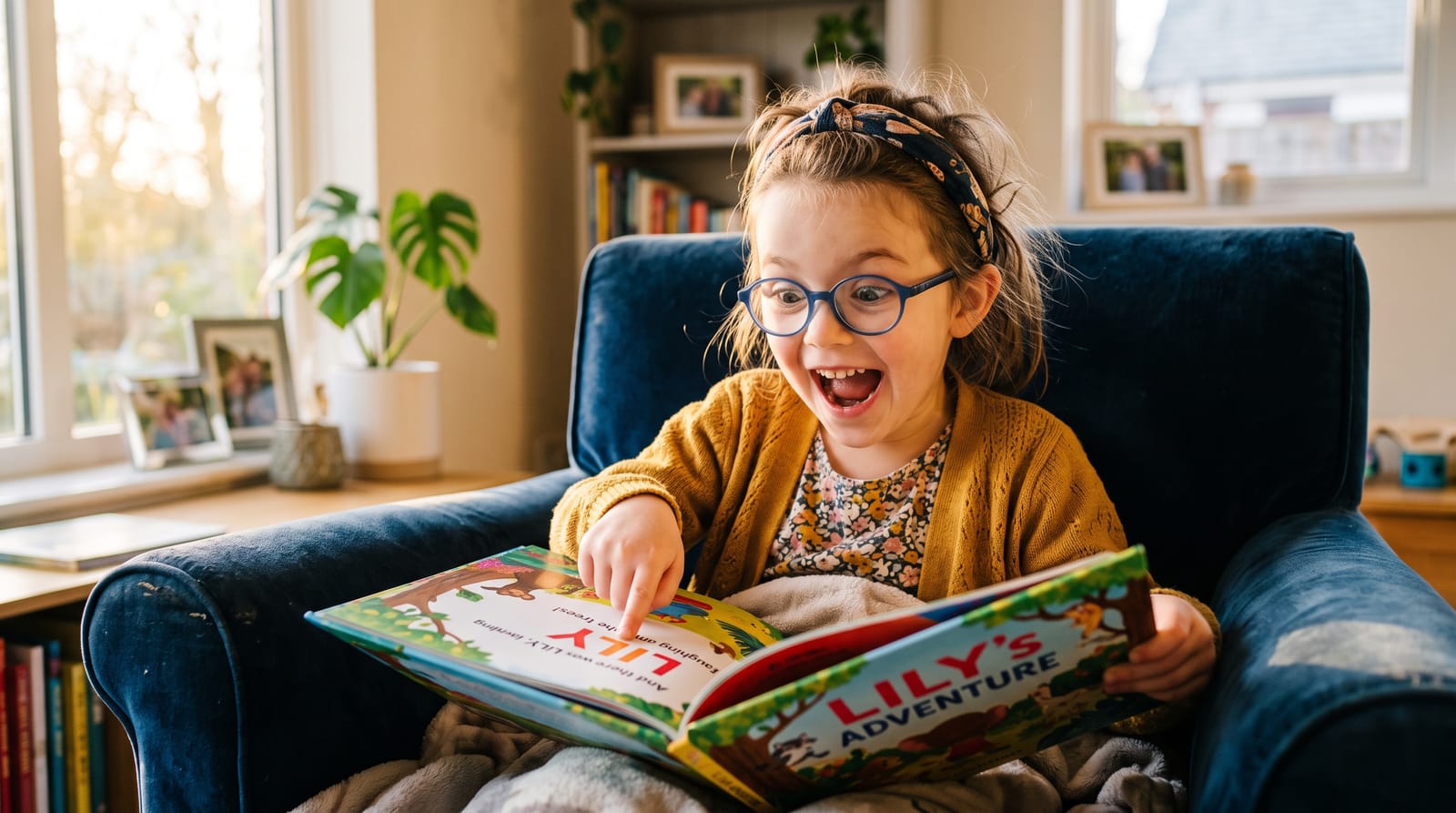
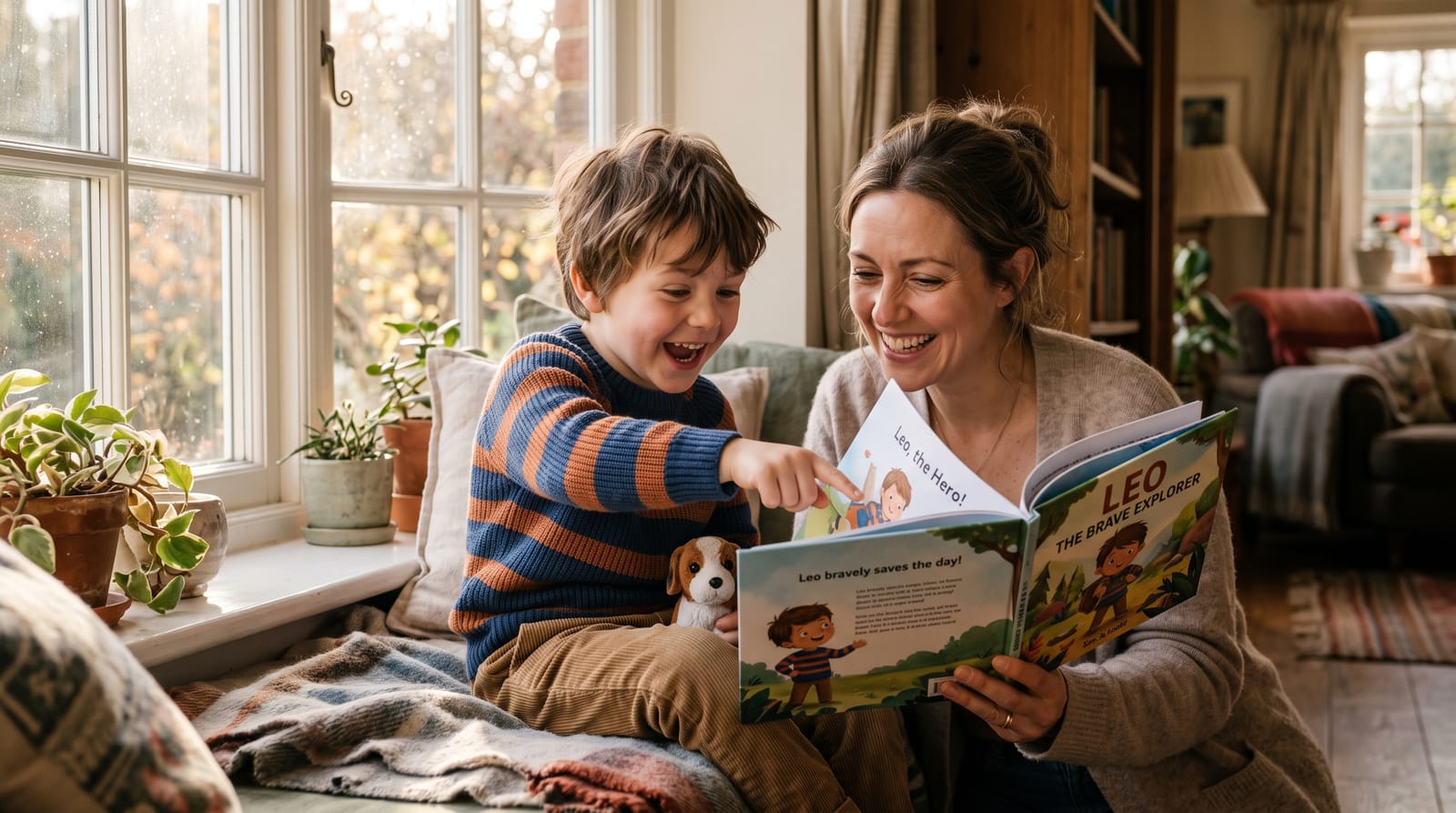
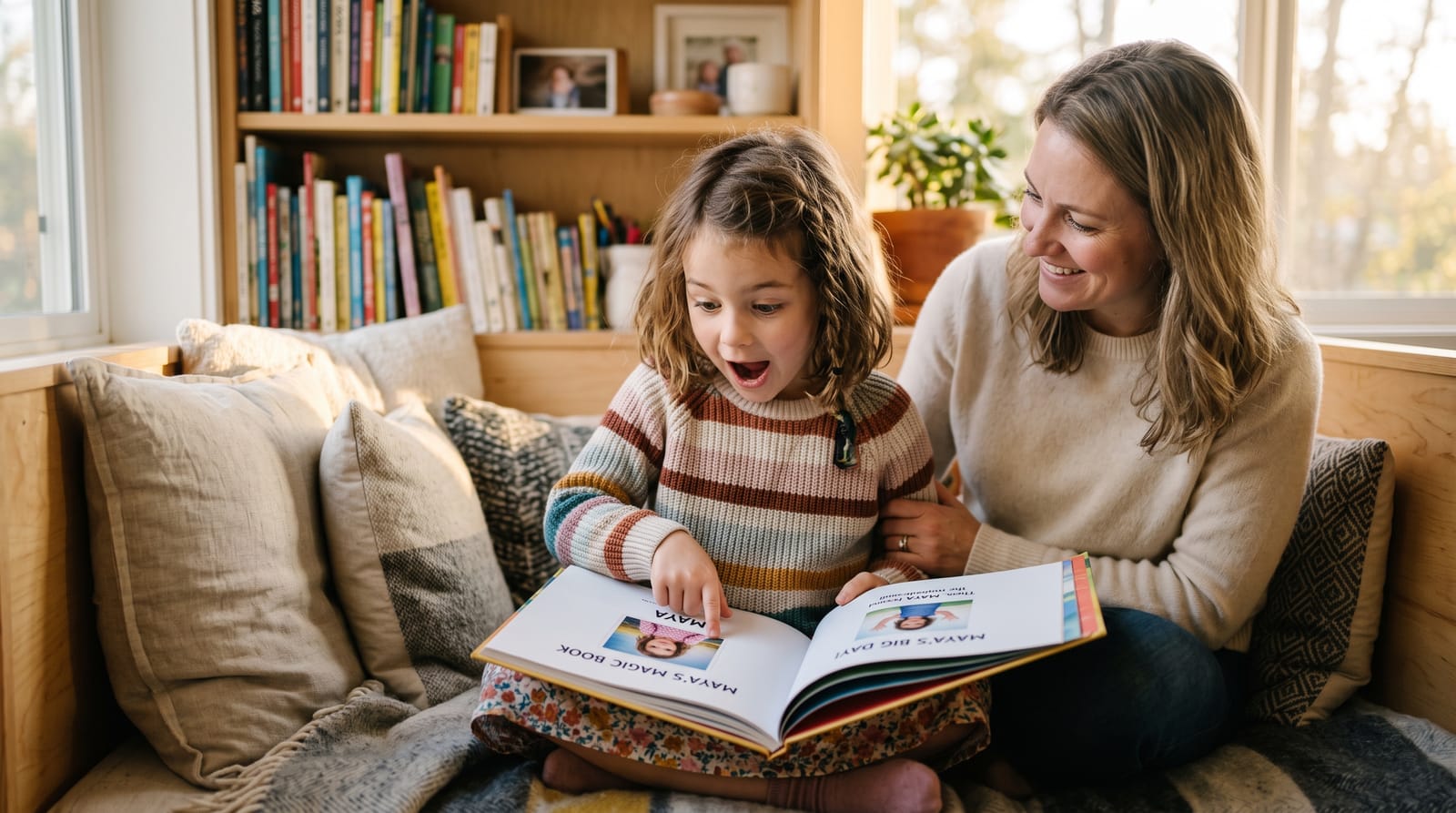
In an era of high-speed digital content and increasing social isolation, the traditional picture book is undergoing a meaningful transformation. At the center of this evolution is personalization—a tool that does more than just insert a name onto a page; it anchors the child within the very themes that make childhood wonder possible. By weaving the reader into the narrative, personalized books take universal concepts like poetry, nature, and community and turn them into lived experiences.
The Lyricism of Identity: Poetry as an Emotional Balm
Poetry has long been described as a "balm for the heart," a sentiment that rings especially true in the hustle of modern parenting. From the rhythmic nonsense of nursery rhymes to the sophisticated imagery of a biography about a Pulitzer Prize-winning poet, verse provides a sensory richness that prose sometimes misses. It teaches children the "joy of sound"—the way words can dance, trip, and soar.
When we introduce personalized books into this poetic landscape, something profound happens. Poetry often relies on the "I" or the "you" to create intimacy. When that "you" is explicitly identified as the child sitting in your lap, the emotional stakes are raised.
Imagine a poem about the tenacity of a young writer, inspired by the life of someone like Gwendolyn Brooks. When a child sees their own name associated with that same passion and grit, the poem ceases to be a distant historical account. It becomes a blueprint for their own potential. Personalization allows the "startling images and deep feeling" of poetry to bypass the analytical brain and settle directly into the heart. It transforms a reading session from a passive observation of art into an active immersion in self-expression.
Navigating the Seasons: Slowing Down with the Natural World
For many families, especially those in bustling urban environments or regions with harsh winters, "cabin fever" is a recurring challenge. The transition from the enclosure of winter to the blossoming of spring is a period of high energy and, often, a bit of chaos. This is where the nature-themed picture book serves as a vital tool for grounding.
The best nature stories encourage children to "slow down and look closely." They highlight the "small details that are easy to miss"—the damp smell of turned earth, the way sunlight warms a patch of grass, or the repetitive "hello" of a returning bird.
By utilizing personalization, these stories become even more effective at fostering environmental stewardship and mindfulness. When a child is the protagonist of an outdoor adventure, they aren't just reading about a flower; they are the ones discovering it. This "hero" lens encourages a sensory engagement that is hard to replicate.
- "Look, [Name], the ants are building a city!"
- "[Name] felt the first drop of spring rain on their nose."
This level of involvement helps bridge the gap between the page and the backyard. It encourages children to step outside and see themselves as part of the ecosystem, rather than just observers of it. In a world that often feels disconnected from the soil, personalization offers a way to ground the modern childhood experience in the tangible rhythms of the earth.
Building the Neighborhood: From Hyper-Independence to Community
There is a growing concern among educators and parents regarding the "pattern of isolation" that modern technology can inadvertently foster. We live in a world where we can order groceries, dinner, and even books without ever speaking to a neighbor. While convenient, this hyper-independence can leave children feeling untethered from their local community.
The modern picture book has a significant role to play in reversing this trend. Stories that celebrate "the people next door" and the "helpers" in our neighborhoods are essential for building a sense of safety and belonging.
Personalized stories take this a step further by modeling the "good neighbor" behavior within the child’s own narrative. When a book depicts the child protagonist sharing a toy, helping an elder, or simply greeting a friend at the park, it creates a mental rehearsal for real-life social interactions. It moves the concept of "community" from an abstract idea to a personal identity.
By seeing themselves as the person who "shows up," children begin to internalize the value of connection. They learn that their best bet for a happy, healthy life isn't just self-reliance, but the strength of the relationships they build with the people around them. This is how we refresh the picture book experience for modern families—by making the child the heart of the community they are learning to inhabit.
The Science of the "Me" Perspective
Why does personalization have such a significant impact on how children digest these themes? It comes down to how the brain processes information. When a child hears their name or sees their likeness, the brain’s "self-referential processing" centers light up. This increases attention, improves memory retention, and heightens emotional resonance.
In a standard picture book, a child might enjoy a story about a brave rabbit. In a personalized book, the child is the brave one. This shift in perspective allows for:
- Increased Empathy: By "living" the story, children can better understand the feelings of other characters.
- Narrative Ownership: The child feels responsible for the outcome of the story, which builds confidence.
- Language Development: Personalization often leads to more "dialogic reading," where parents and children discuss the story more frequently because it feels "real."
At StorytimeHero, we believe that this connection is the key to fostering a lifelong love of reading. When a book feels like it was written specifically for you, the lessons within it—whether they are about the beauty of a poem or the importance of a neighbor—stick in a way that generic stories simply can't match.
Integrating Modern Values into the Classic Format
The "picture book" is no longer just a static object; it is a dynamic tool for modern parenting. Today's parents are looking for ways to solve the modern picture book dilemma—how to compete with screens while teaching deep, meaningful values.
Personalization allows us to update the classic picture book format without losing its soul. We can take the "nostalgic classics" feel of hand-drawn illustrations and marry it with the contemporary need for representation and personal relevance. Whether it's a biography of a diverse historical figure or a simple story about the changing seasons, personalization ensures that every child feels they have a seat at the table.
This approach also helps parents tackle difficult topics. If the world feels "scarier than it used to be," a personalized story can act as a safe harbor. It can remind the child (and the parent) that "most people are good" and that they have the power to be a "helper" in their own world.
Conclusion: A New Chapter for Every Child
As we look toward the future of children's literature, the integration of personal identity into universal themes will only become more vital. The "balm" of poetry, the "calm" of nature, and the "safety" of community are the pillars of a healthy childhood. By using personalized books to deliver these messages, we aren't just telling a story; we are helping a child build their world.
At StorytimeHero, we are dedicated to this evolution. We understand that the most important story a child will ever read is the one where they are the hero. By grounding children in their own narratives, we give them the roots to grow and the wings to fly, ensuring that the magic of the picture book remains a vibrant, essential part of life in {YEAR} and beyond.
***
FAQ: What Parents Ask About Personalization
Q: Does personalization actually help with learning, or is it just a novelty?
A: Research suggests that personalization significantly boosts engagement and literacy. When children see themselves in a story, they are more likely to stay focused, ask questions, and remember the vocabulary and themes presented. It moves the reading experience from passive to active.
Q: Can personalized books handle "heavy" themes like community safety or emotional resilience?
A: Absolutely. In fact, personalization can make these themes more approachable. By framing the child as a "helper" or a "resilient explorer," the book provides a safe space for them to process complex emotions and social dynamics.
Q: Are these books appropriate for older children who are starting to read on their own?
A: Yes! While picture books are often associated with toddlers, personalized narratives are incredibly effective for "early readers" (ages 5-8). The familiarity of their own name and life details provides "context clues" that help them decode more difficult words and stay motivated to finish the book.
Q: How do I choose the right theme for my child's personalized book?
A: Consider what your child is currently experiencing. If they are struggling with a transition (like a new school or season), a nature-themed book about change might help. If you want to build their confidence, a poetry or "hero’s journey" book is a great choice.
***
Related Reading
Free preview checklist
Get the personalized book gift checklist
Know what photo to use, what to write in the dedication, and what to review before ordering.