Refreshing the Picture Book for Modern Families | StorytimeHero
Upload a photo
There is a specific kind of magic found in the weight of a well-loved volume held between a parent and a child. For generations, the traditional picture book has served as the primary vessel for our cultural values, our bedtime rituals, and our first forays into the world of imagination. We remember the stories our parents read to us—the specific cadence of their voices, the smell of the paper, and the vibrant illustrations that seemed to stretch on forever.
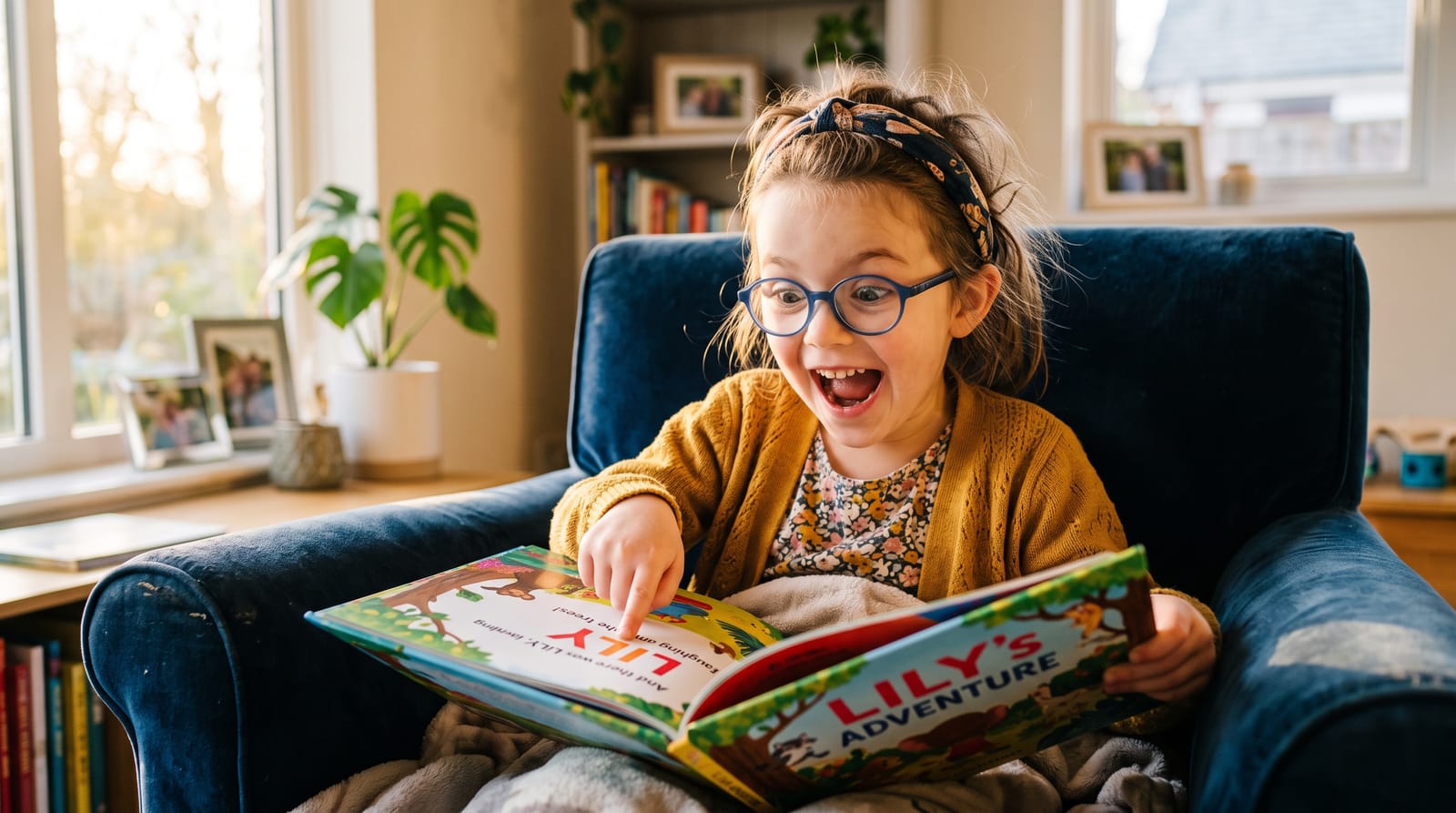
However, as we move through {YEAR}, many parents are discovering a quiet disconnect between the "classics" of their own childhoods and the world their children are currently navigating. While the nostalgia remains potent, the narratives themselves sometimes feel like they belong to a different era. This is where the evolution of the medium begins to take shape. By integrating the child directly into the narrative, personalized books are doing more than just adding a name to a page; they are addressing the inherent limitations of the static picture book and transforming it into a living, breathing tool for modern connection.
Bridging the Gap Between Nostalgia and Modern Reality
Many of us grew up with stories that emphasized a specific kind of stoicism or self-sacrifice that doesn't quite align with today’s understanding of emotional intelligence and boundaries. Consider the common themes in older literature where a character gives everything until they have nothing left, or where "goodness" is equated with never asking for anything in return.
While these stories were written with the best of intentions, modern parents often find themselves pausing mid-sentence, wondering how to explain these concepts to a child who is being taught about self-care, reciprocity, and healthy emotional limits. The traditional picture book is often a fixed artifact—a snapshot of the values held at the time of its printing.
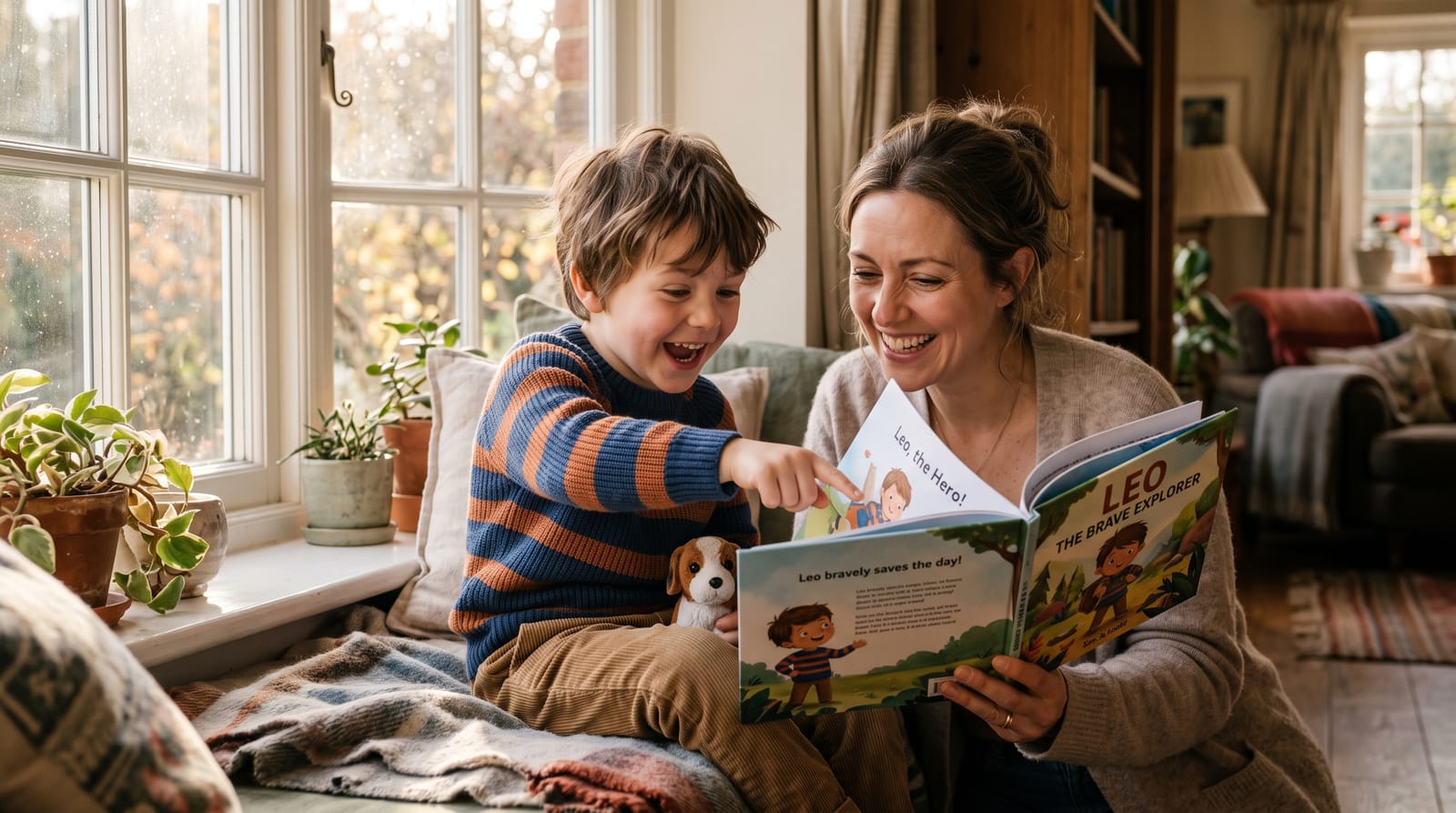
Personalized books solve this "relevance gap" by allowing the story to be centered around the child’s actual life and the modern values their parents wish to instill. Instead of a child observing a character from a distance, they become the protagonist who learns to navigate the world with a sense of agency. This shift from passive observation to active participation is a cornerstone of modernizing the picture book experience. It ensures that the "lesson" of the story isn't just something that happened to someone else—it’s something the child is experiencing themselves.
The Reciprocity Revolution: Learning to Give and Receive
One of the most significant shifts in modern storytelling is the move toward healthy, reciprocal relationships. In many legacy stories, love is depicted as a one-way street, often bordering on the martyrlike. Today’s parents are looking for a different narrative: one where kindness is a shared currency and where community is built on mutual support rather than lopsided sacrifice.
When a child sees themselves in a personalized story, the narrative can be tailored to show them not just how to be "generous," but how to be a part of a thriving ecosystem of care. In these stories, the child might help a neighbor, but they also learn that it is okay to be helped in return. This teaches a vital lesson that static books often miss: that vulnerability and community are two sides of the same coin.
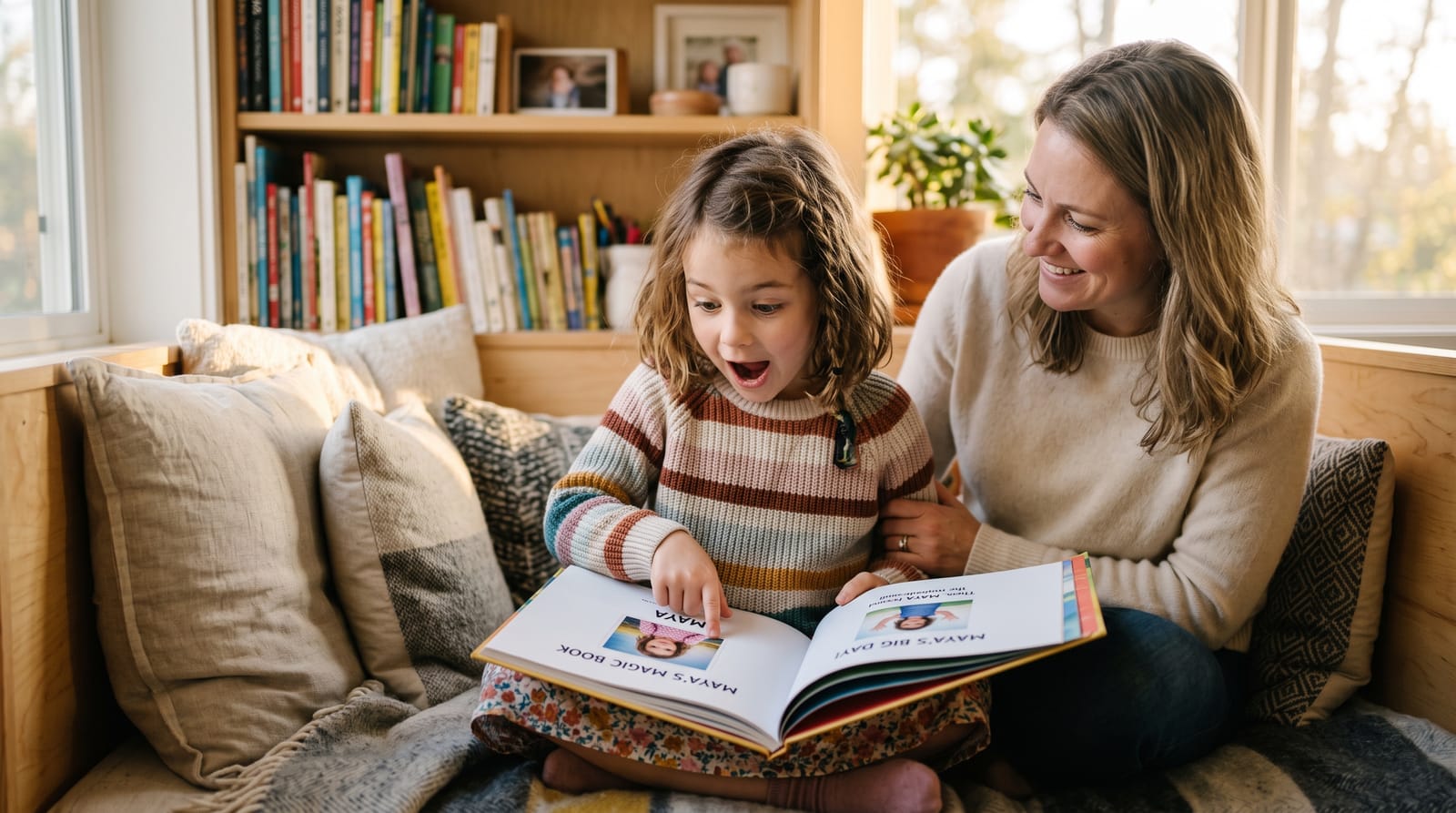
By placing the child at the heart of the story, personalized books help them internalize the idea that they are a valuable member of a group. They aren't just "the boy" or "the girl" in a generic forest; they are a specific person with a specific name who has the power to impact their surroundings. This sense of personalization and the modern picture book allows families to move away from outdated tropes and toward stories that celebrate balanced, healthy connection.
Building the Neighborhood of the Future
We live in an age that often feels increasingly isolated. With the rise of digital conveniences, it is easier than ever to live a life that rarely intersects with the people living right next door. Many parents worry that their children are growing up in a world where "community" is an abstract concept rather than a felt reality.
The traditional picture book has always tried to tackle the theme of community, but there is often a disconnect between the "storybook village" and the child’s actual neighborhood. Personalized books address this by making the child’s role in their community the central theme. When a child reads a story where they are the one "looking for the helpers"—or, better yet, being a helper themselves—the world outside their window begins to feel more accessible and less intimidating.
This is a key way that personalized books evolve the picture book. They take the grand, sometimes scary concepts of the "big world" and shrink them down to a manageable, personal scale. They teach children that most people are helpful, most people are kind, and that by showing up for others, we create the safety we all desire. It’s a way of reclaiming the "phone tree" mentality of previous generations and repackaging it for a child who is growing up in a high-tech, hyper-independent society.
Representation as a Daily Reality, Not a Special Event
Representation in children’s literature has historically been treated as a niche category or a seasonal celebration. We see surges of interest in diverse stories during specific months of the year, but the goal of modern parenting is often to make that diversity a constant, lived reality.
The traditional picture book industry is slowly changing, but it still struggles to provide every child with a "mirror" that reflects their unique identity, family structure, or physical abilities. Personalization levels the playing field. It allows a child to see themselves as a champion athlete, a brave explorer, or a brilliant scientist regardless of whether a major publisher has decided that "their" story is marketable this year.
For example, when a young girl sees herself as the star of a sports-themed story, she isn't just reading about a female athlete; she is the athlete. This "embodiment" is incredibly powerful. It breaks down the internal barriers and stereotypes before they even have a chance to take root. By using personalized books, parents can ensure that representation and embodiment are part of the daily reading routine, rather than something reserved for a special occasion on the calendar.
Why Personalized Books are the Ultimate Tool for Connection
At StorytimeHero, we believe that the most important story a child will ever read is their own. While we have deep respect for the classics that paved the way, we also recognize that the medium of the picture book must grow alongside our children.
The shift toward personalization isn't about vanity; it's about resonance. When a child’s name and likeness are woven into the fabric of a story, their brain engages differently. They aren't just listening to a story; they are rehearsing for life. They are learning how to be the hero of their own narrative, how to navigate conflict with grace, and how to value the community around them.
In {YEAR}, the "picture book" is no longer just a static object on a shelf. It is a dynamic tool that parents can use to:
- Reinforce specific family values: Choosing stories that emphasize the traits you value most.
- Build confidence: Seeing oneself overcome obstacles in a safe, narrative environment.
- Foster empathy: Understanding that because they are the hero, they have a responsibility to care for the "characters" in their real life.
Frequently Asked Questions
The Future of the Page
The evolution of the picture book is a reflection of our evolution as a society. We are moving toward a world where every child deserves to see themselves as the center of a story that is kind, inclusive, and community-oriented. By embracing the power of personalization, we aren't leaving the tradition of the picture book behind; we are simply giving it the wings it needs to fly in the modern era.
As you look through your child's bookshelf this year, consider adding a narrative where they don't just watch the adventure—they lead it. In the end, the most enduring memories aren't just the stories we were told, but the stories we felt we were a part of.
***
Related Reading
Free preview checklist
Get the personalized book gift checklist
Know what photo to use, what to write in the dedication, and what to review before ordering.