Modernizing the Picture Book Experience | StorytimeHero
Upload a photo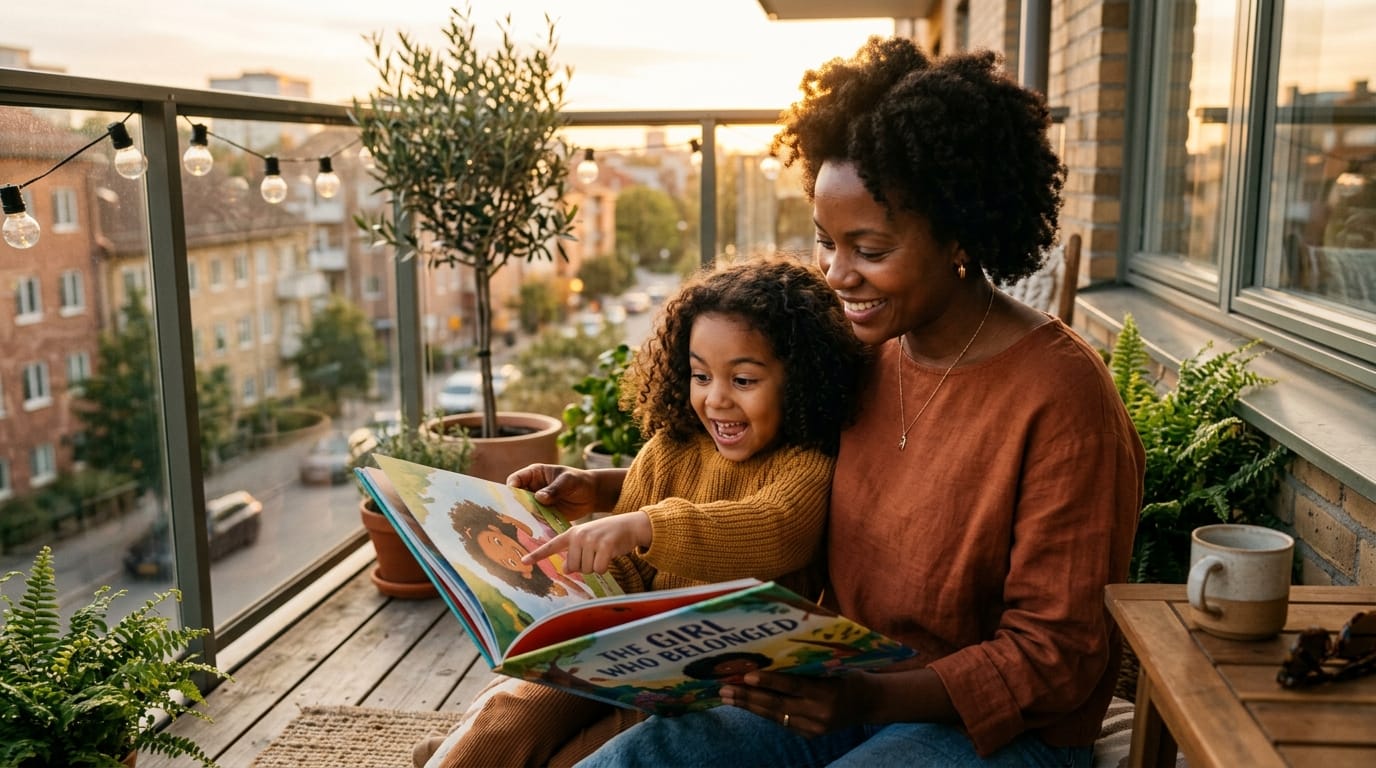
For generations, the picture book has served as a child’s first window into the wider world. It is a sacred space where art meets prose, designed to be held by small hands and read by familiar voices. But as we move deeper into {YEAR}, the landscape of childhood is shifting. The way children interact with information, see themselves in society, and understand their roles within a community is evolving. While the classics will always have a place on our shelves, there is a growing need for stories that do more than just "tell"—we need stories that "involve."
This is where the modern evolution of the picture book takes center stage. By integrating personalization, we aren't just changing a name on a cover; we are addressing the specific emotional and social hurdles of the modern era. From fostering neighborly kindness to ensuring that representation is a daily lived experience rather than a monthly theme, personalized books are redefining what it means to "read together."
The Evolving Role of the Picture Book in a Digital Age
In a world increasingly defined by curated distance—where groceries appear on porches without a word and digital screens often replace face-to-face play—the traditional narrative of the "neighbor" or the "community" can feel abstract to a young child. We live in an era of hyper-independence. While this offers convenience, it can also lead to a sense of isolation.
The traditional picture book often presents community as a static backdrop. A character walks through a town, waves to a baker, and returns home. But for a child to truly internalize the value of being a "helper" or a "good neighbor," the story needs to feel immediate. When a child sees themselves as the one offering a hand or welcoming a newcomer within the pages of a book, the lesson shifts from an observation to a rehearsal.
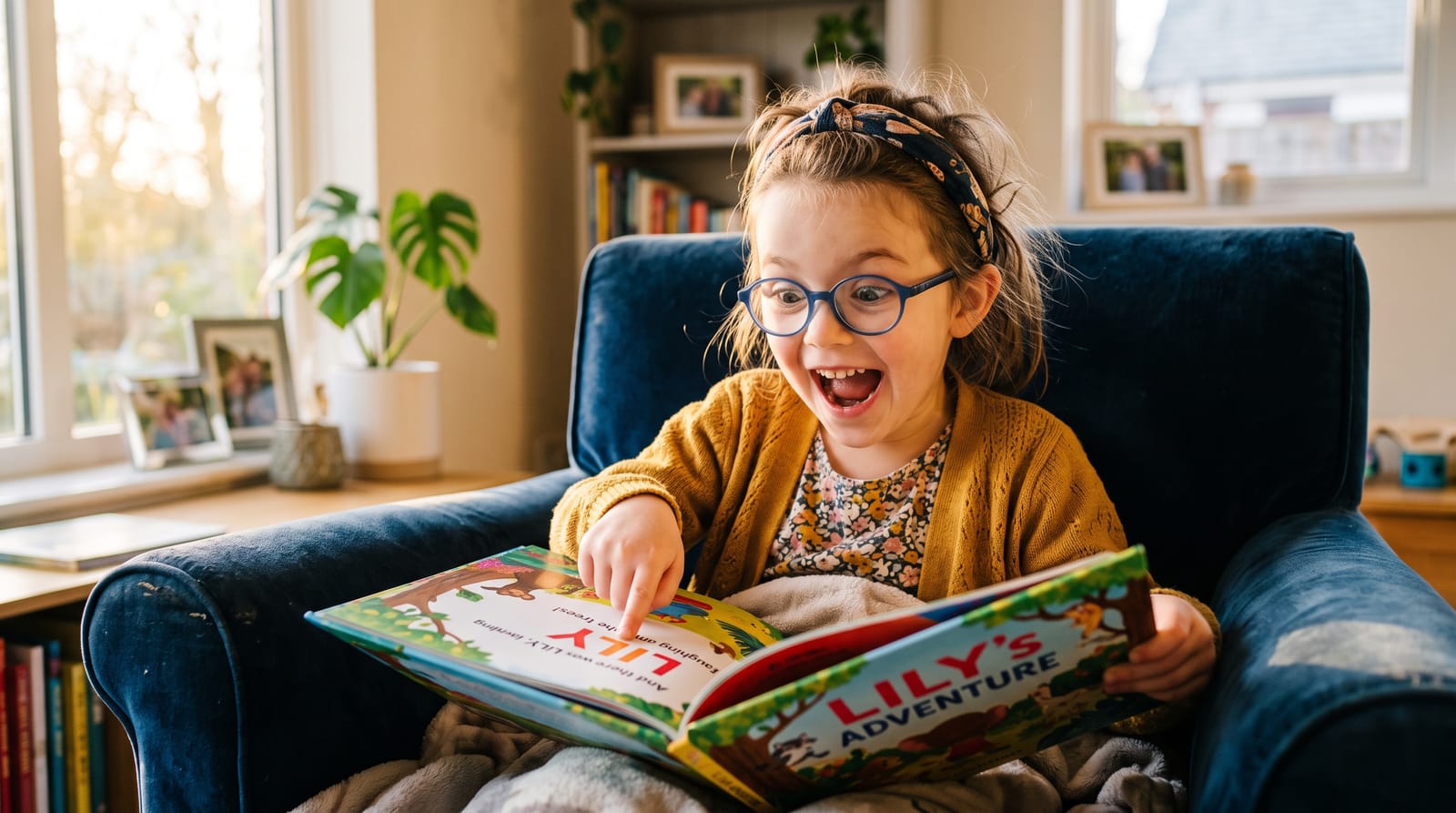
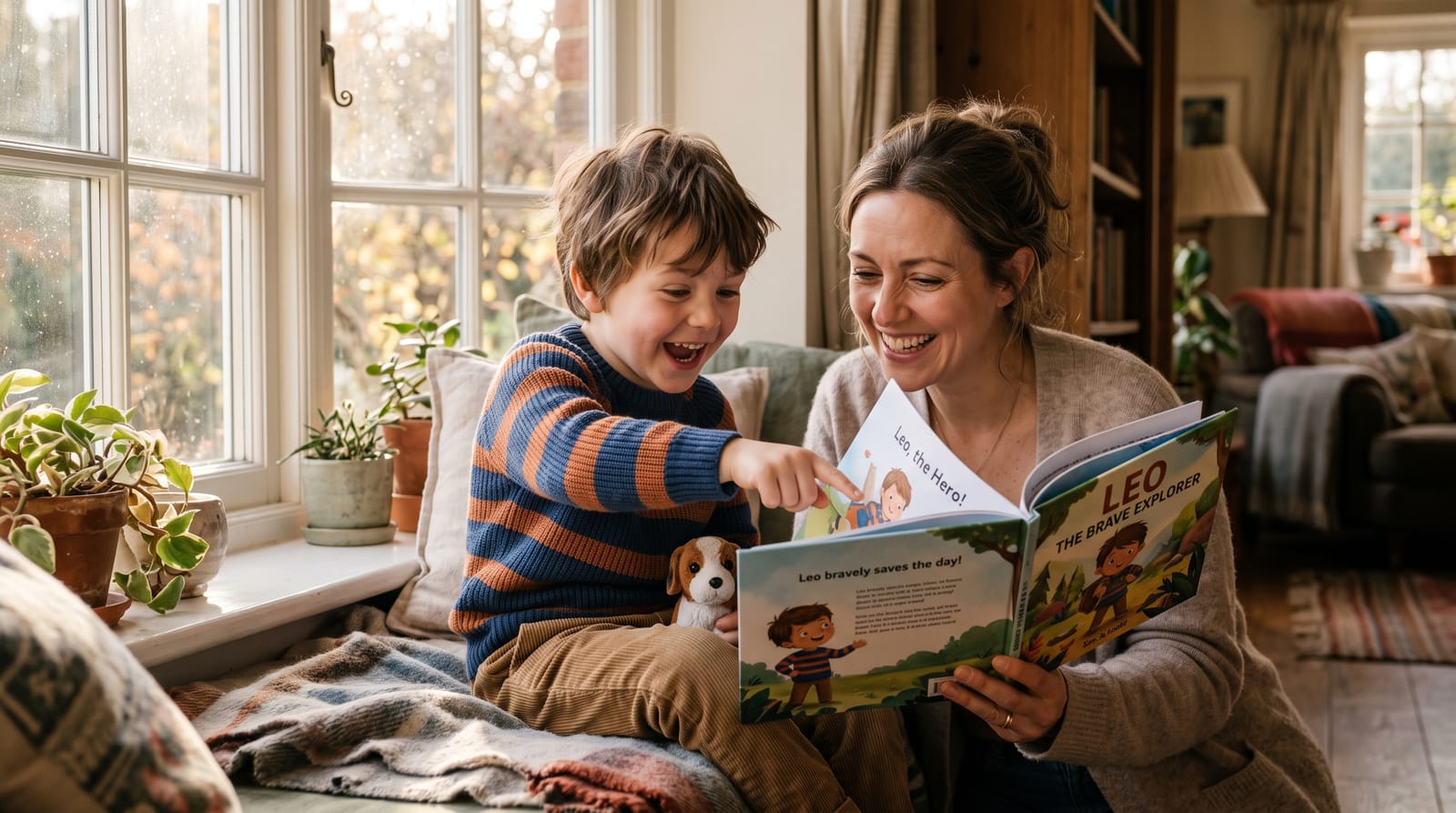
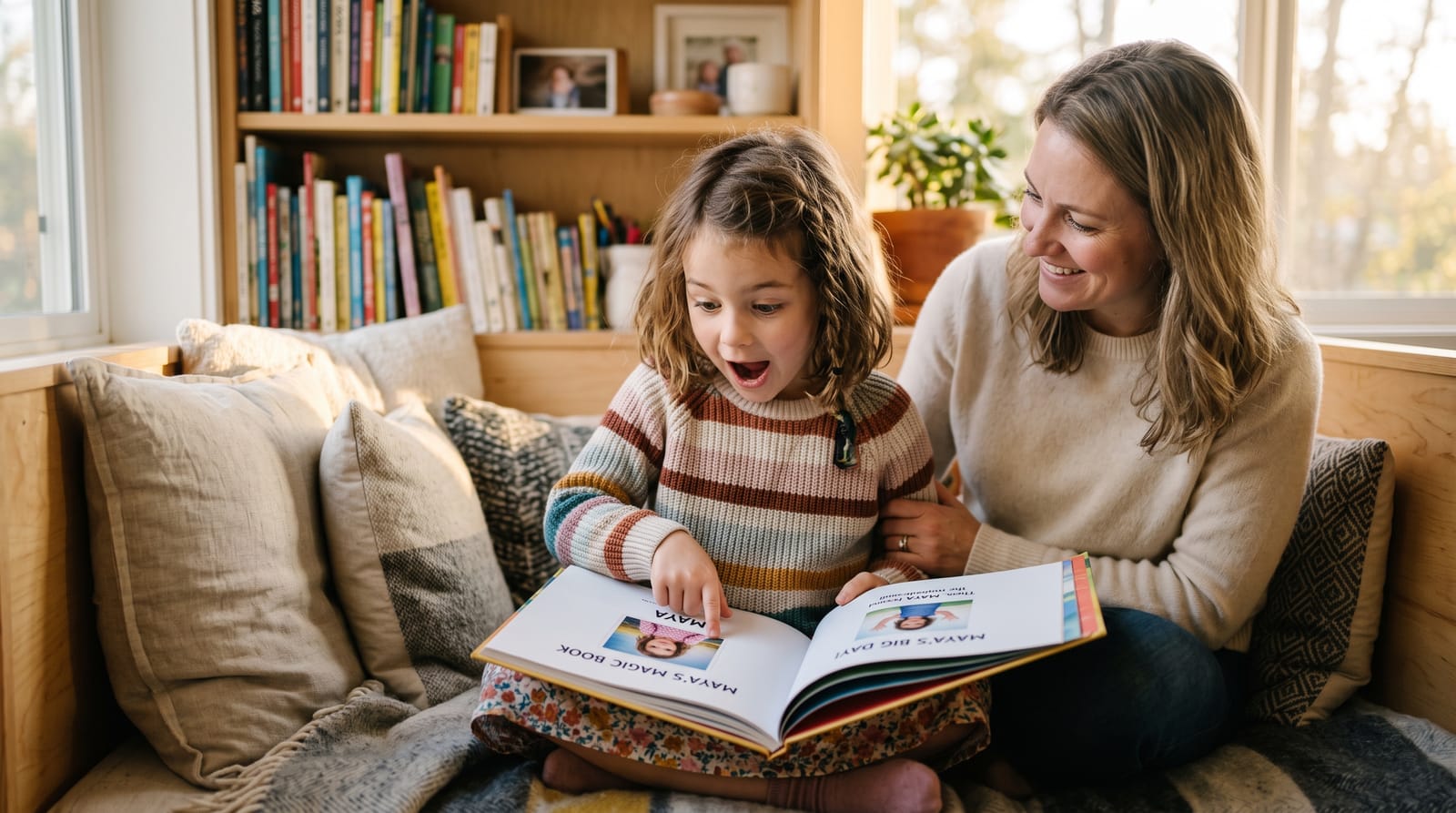
Personalized books allow parents to bridge this gap. Instead of reading about a generic protagonist’s kindness, the child experiences their own name and likeness performing those acts. This creates a psychological "anchor," making the concept of community service feel like a natural part of their identity rather than a distant moral lesson.
Bridging the Gap Between Classic Tales and Modern Values
Many of us hold deep nostalgia for the books of our own youth. We remember the smell of the paper and the specific cadence of our parents' voices as they read certain lines. However, as we revisit these "classics" with our own children in {YEAR}, we sometimes find that the underlying messages haven't aged as well as the illustrations.
Redefining Generosity: Moving Beyond One-Sided Narratives
Consider the themes found in some older, beloved stories that emphasize self-sacrifice to the point of erasure. In the past, "goodness" was often equated with giving until there was nothing left. Modern parenting, however, places a high value on boundaries, reciprocity, and emotional health. We want our children to be generous, yes, but we also want them to understand their own worth and the importance of mutual respect in a relationship.
Personalized storytelling allows us to update these narratives. By placing the child at the center of the story, StorytimeHero helps parents craft narratives where the protagonist practices "healthy" kindness. In these stories, the child can learn that being a good friend involves both giving and receiving, ensuring that the lessons they carry into adulthood are balanced and sustainable.
Cultivating the 'Good Neighbor' Instinct through Storytelling
There is a profound power in the "look for the helpers" philosophy. In a world that can often feel overwhelming or scary, teaching children to identify the goodness in the people living right next door is an essential survival skill—not just for physical safety, but for emotional resilience.
The modern picture book is moving away from global, abstract problems and focusing back on the "hyper-local." How do we treat the person at the post office? How do we welcome a new family to the street? When a child is the star of a personalized book focused on community, they aren't just learning about a neighborhood; they are learning how to build one.
This "neighborly" focus addresses the modern trend of isolation. By making the child the protagonist in a story about local connection, we encourage them to look up from their screens and see the world around them as a place filled with potential friends and allies. It transforms the neighborhood from a collection of houses into a network of relationships.
Representation That Moves Beyond the Calendar
One of the most significant shifts in the literary world is the push for deeper, more consistent representation. For too long, diverse stories were relegated to specific months of the year—celebrating certain histories or identities only when the calendar dictated.
True representation, however, is about the "everyday." It is about a young girl seeing herself as a champion athlete, a scientist, or an explorer on a random Tuesday in June, not just during a designated awareness month. It is about children of all backgrounds seeing themselves as the default hero of their own adventures.
The Power of Seeing Oneself as the Hero
For a child who rarely sees their specific family structure, physical ability, or cultural background reflected on the shelves of a local bookstore, the traditional picture book can unintentionally feel like a closed door. Personalized books act as a universal key.
When we use platforms like StorytimeHero to create stories, we are doing more than gifting a book; we are validating a child’s existence. We are saying, "You belong in this story. You are capable of these feats. You are the hero." This is particularly impactful when it comes to breaking stereotypes. Whether it’s a story about a female athlete shattering records or a quiet child finding their voice, personalization ensures that the message is personal, direct, and undeniable.
Why Personalization is the Next Frontier for Literacy
Beyond the social and emotional benefits, there is a clear cognitive advantage to personalized stories. Research into early childhood literacy consistently shows that "self-referencing" significantly boosts engagement and retention. When a child hears their own name, their brain "lights up" in a way it doesn't for a generic character.
This increased attention span allows for more complex themes to be introduced. A child who might struggle to sit through a standard 32-page picture book about environmental stewardship or social emotional learning (SEL) will often sit enthralled if they are the one saving the forest or navigating a difficult playground conflict.
By addressing the modern child’s need for relevance and engagement, personalized books are not replacing the traditional picture book; they are evolving it. They are taking the core strengths of the medium—visual storytelling and shared reading time—and supercharging them with the power of identity.
Building a Library for the Future
As parents and educators, our goal is to provide children with a "mirror and a map." They need mirrors to see themselves reflected and validated, and they need maps to show them where they can go and who they can become.
The traditional picture book has provided the map for centuries. Now, through personalization, we are finally providing the mirror. This combination creates a powerful tool for navigating the complexities of {YEAR}. It allows us to teach old-fashioned values like neighborliness and courage through a modern lens of inclusion and personal agency.
When you choose a personalized story, you are choosing to make the act of reading an act of connection. You are telling your child that their story is worth writing, and that the values of kindness, strength, and community are not just things we read about in others—they are things we carry within ourselves.
---
FAQ: Common Questions About Personalized Picture Books
1. Won't my child get "bored" of only reading about themselves?
Actually, the opposite is true! While children love variety, they have a natural developmental stage where they are very "ego-centric." Seeing themselves in a book validates their reality and actually makes them more curious about how other characters interact with them. It serves as a gateway to enjoying all types of literature.
2. How do personalized books help with "scary" real-world topics?
Personalized stories allow parents to control the narrative. If you are trying to teach your child about "looking for the helpers" in the world, placing your child in a story where they meet friendly community members can de-mystify the world and reduce anxiety. It makes the "unknown" feel "known."
3. Are these books just for toddlers, or can older kids benefit too?
While the "picture book" format is classic for ages 2-7, personalization is incredibly effective for older children (ages 8-10) who may be struggling with self-esteem or finding their place in social groups. Seeing themselves as a resilient protagonist can be a major confidence booster during the middle-childhood years.
4. Can personalized books really replace the "classics"?
We don't think they should! The best home library is a mix. Classics provide a sense of shared cultural history, while personalized books provide individual validation and modern relevance. They work together to create a well-rounded reader.
---
Related Reading
If you enjoyed exploring the evolution of storytelling, you might find these other articles from the StorytimeHero blog helpful:
- How Personalization Reshapes the Picture Book – A deep dive into the changing mechanics of children's stories.
- The Power of Presence in Modern Picture Books – Why being "seen" in a story matters more than ever.
- Resilience & Representation in Picture Books – How stories help children bounce back from challenges.
- How Personalized Books Support Modern Parenting – Using custom stories to tackle everyday parenting hurdles.
The journey of a young reader is one of the most exciting adventures a family can undertake. By embracing the tools of {YEAR}, we can ensure that the "once upon a time" of the future is as inclusive, kind, and personal as the children we are raising.
Free preview checklist
Get the personalized book gift checklist
Know what photo to use, what to write in the dedication, and what to review before ordering.