Personalized Narratives & Modern Picture Books | StorytimeHero
Upload a photo
The magic of a great picture book lies in its ability to transport a child to another world. Whether it’s the salty spray of a summer beach, the hushed anticipation of a snowy holiday morning, or the internal landscape of a child navigating a new challenge, these stories serve as our children's first windows into the wider world. But in {YEAR}, a new shift is happening in children’s literature. We are moving beyond the window and toward the mirror.
While traditional stories offer beautiful glimpses into other lives, personalized books are redefining the "picture book" category by placing the child directly at the heart of the narrative. This isn't just about changing a name on a page; it’s about synthesizing the best elements of modern storytelling—connection, resilience, and atmosphere—with the unique identity of the reader.
Building Bridges Through Shared Rituals
One of the most enduring themes in children’s literature is the power of ritual. We see this in stories about annual family pilgrimages to the coast or the specific traditions that define our holidays. These stories resonate because they emphasize connection—not just with the people around us, but with the rhythms of time and the environment.
When we look at a high-quality picture book about a family beach day, we see themes of intergenerational love and the joy of simple pleasures like building sandcastles or sharing a meal. However, for a young child, there can sometimes be a "narrative gap." They see a family on the page that looks or acts differently than theirs, which requires an extra step of imagination to bridge the gap between the story and their own life.
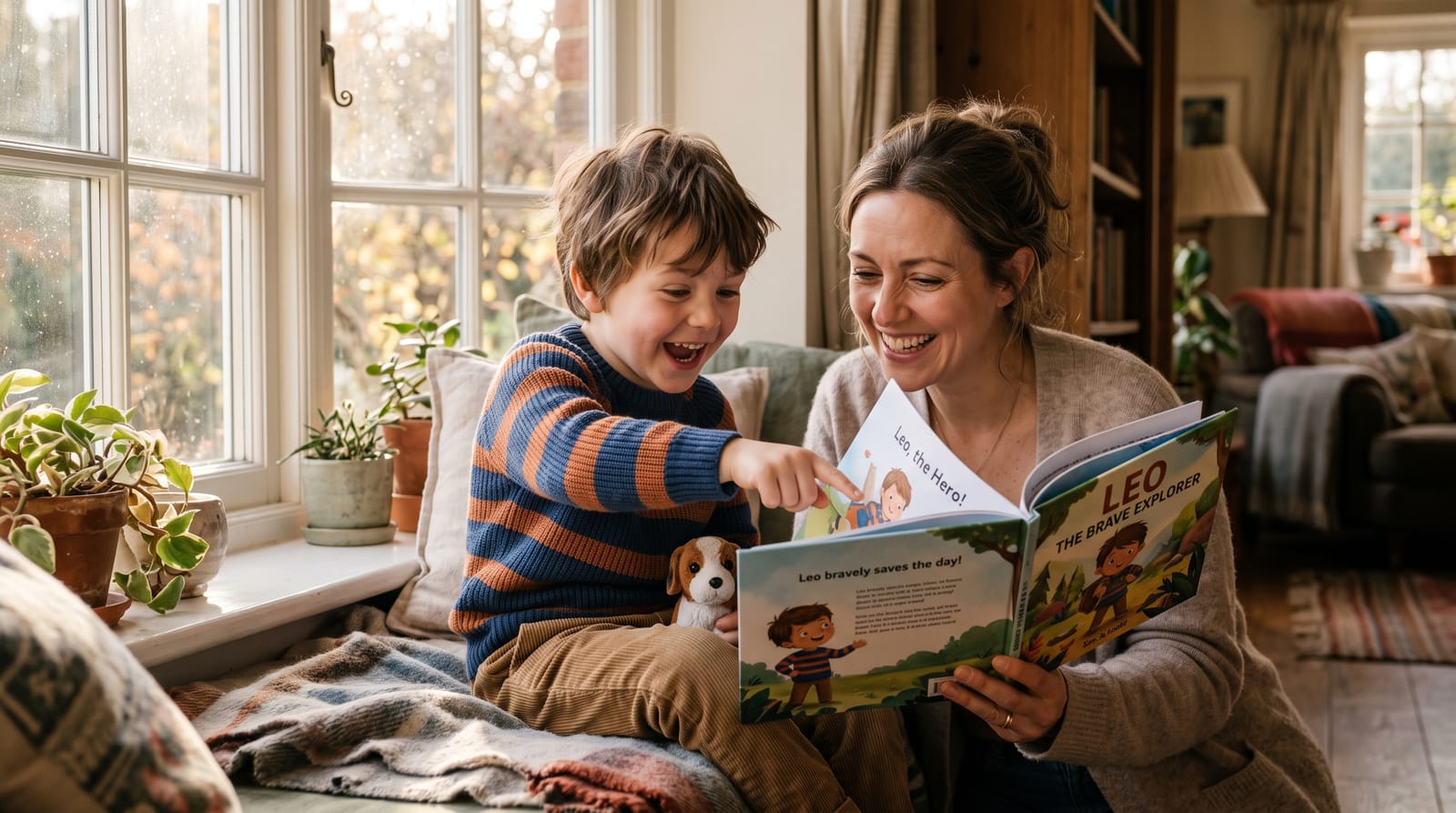
Personalized books bridge this gap instantly. By weaving the child’s own family structure or familiar environment into the story, the "connection" being highlighted isn't just a theoretical concept—it’s a lived reality. This approach helps in strengthening family identity via micro-moments, turning a generic story about a summer trip into a digital heirloom that validates the child’s specific place in their family tree.
Practical Resilience: Addressing Real-World Challenges
Modern picture books have become increasingly sophisticated in how they handle "big" topics. From navigating food allergies and social anxiety to understanding environmental responsibility, today’s authors are helping children develop a growth mindset from a very early age.
Consider the challenge of teaching a child about problem-solving. In a standard picture book, the protagonist might face a dilemma—perhaps a ruined birthday treat or a lost toy—and find a creative way to fix it. The child watches the character grow and learns by proxy.
But when the story is personalized, the child isn't just watching a character find a "sweet solution" to a problem; they are the ones doing the thinking. This subtle shift transforms the book from a passive lesson into an active rehearsal for life. When a child sees themselves navigating a tricky situation on the page, they are more likely to internalize that sense of agency. This is a core part of how personalization enhances modern picture books, turning abstract lessons in resilience into personal victories.
The Role of Environmental Stewardship
Themes of responsibility often appear in stories set in nature. Whether it’s a character noticing litter on a beach or learning to care for a forest, these narratives instill a sense of stewardship. In a personalized context, this message becomes significantly more powerful. It is no longer "the girl in the book" who is helping to keep the ocean clean; it is the reader taking care of their world. This creates a deep, emotional link between the child’s identity and their role as a global citizen.
The Emotional Atmosphere of Personalized Reading
What makes a picture book truly "excellent"? Many experts and parents agree that the best books are those that go beyond the surface. They are the stories that stay in the "tippy-top" favorite stack for years. Often, this excellence is rooted in the "atmosphere" the creator builds—the ability to make a reader feel the chill of a winter forest or the warmth of a crowded kitchen, regardless of where they are actually sitting.
Personalized books take this atmospheric immersion a step further. Because the child is the protagonist, their emotional stakes are naturally higher. The "mood" of the story isn't just something they observe; it’s something they inhabit.
Creating this kind of immersive experience requires more than just a name-change. It requires a narrative structure that respects the child’s intelligence and curiosity. At StorytimeHero, we believe that personalization and the modern picture book should work in harmony to create a "living library" where the child feels both seen and challenged.
Setting the Scene
Just as an illustrator might work in the heat of summer to create a perfectly snowy Christmas scene, personalized storytelling uses technology to "set the scene" for a child’s specific life. Whether it’s incorporating a beloved pet or a specific hometown, these details act as anchors, making the fantastical elements of a story feel more grounded and "real."
Why "Excellence" in Children's Literature is Personal
Parents are often overwhelmed by the sheer volume of choices in the picture book market. We look for books that are "above and beyond"—those that offer more than just a quick distraction. We look for stories that will become part of our family mythology.
The shift toward personalized books reflects a broader trend in modern family narratives. Parents are no longer looking for "one size fits all" stories. They are looking for tools that help their children navigate a complex world with confidence.
An "excellent" book in {YEAR} is one that:
- Validates the child’s identity: Confirms that their story is worth telling.
- Encourages active participation: Moves the child from a passive listener to a hero.
- Strengthens emotional bonds: Creates a shared experience between the adult reader and the child.
By meeting these criteria, personalized stories don't replace the classics; they evolve the medium. They take the timeless themes found in the best children's literature—love, bravery, and curiosity—and make them accessible in a way that is uniquely tailored to the individual.
The Shift from Observer to Participant
In the traditional picture book model, the child is an observer. They stand on the sidelines of the plot, rooting for the hero to succeed. This is a vital part of developing empathy. However, there is also immense value in the "participatory" model of storytelling.
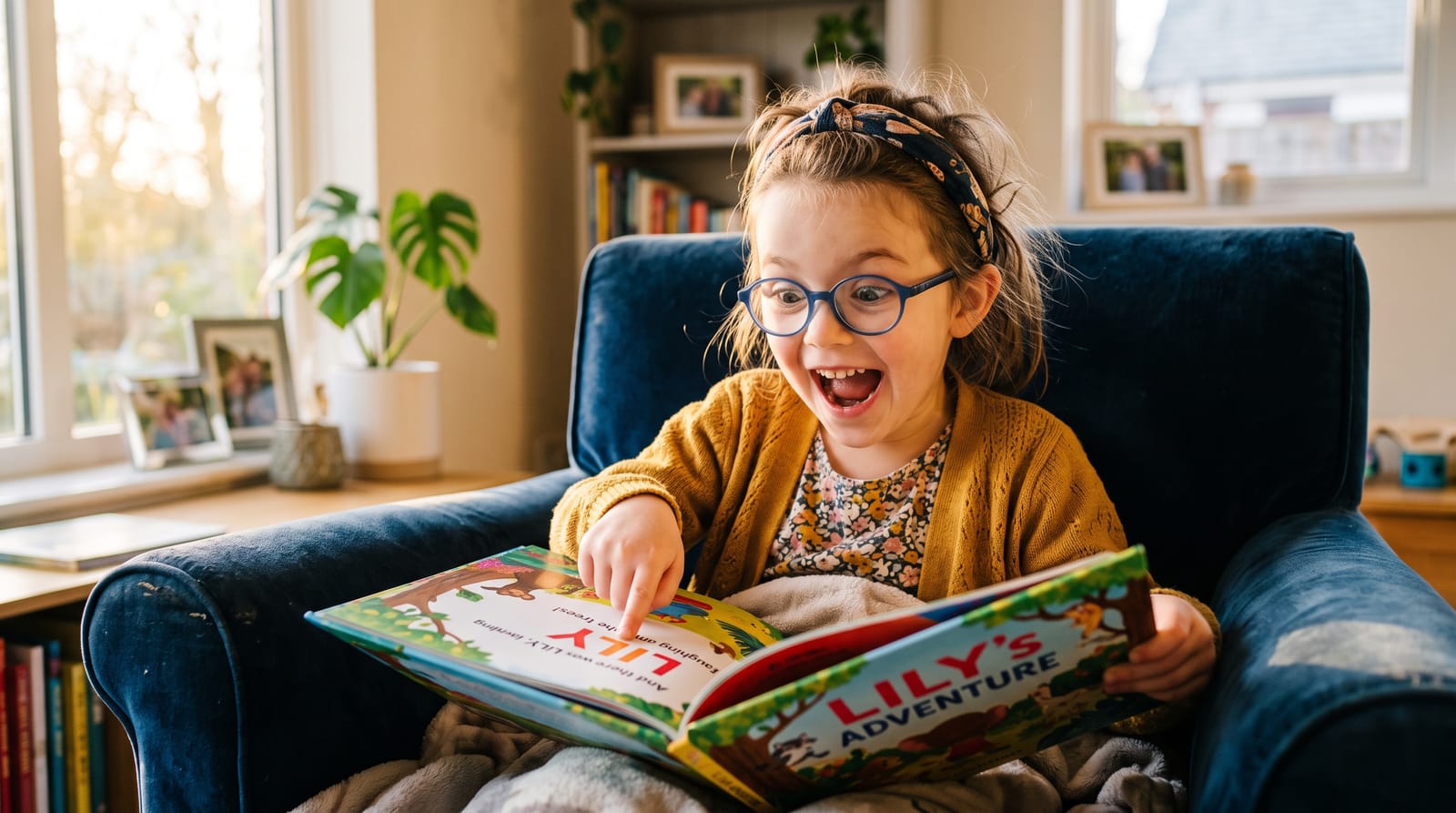
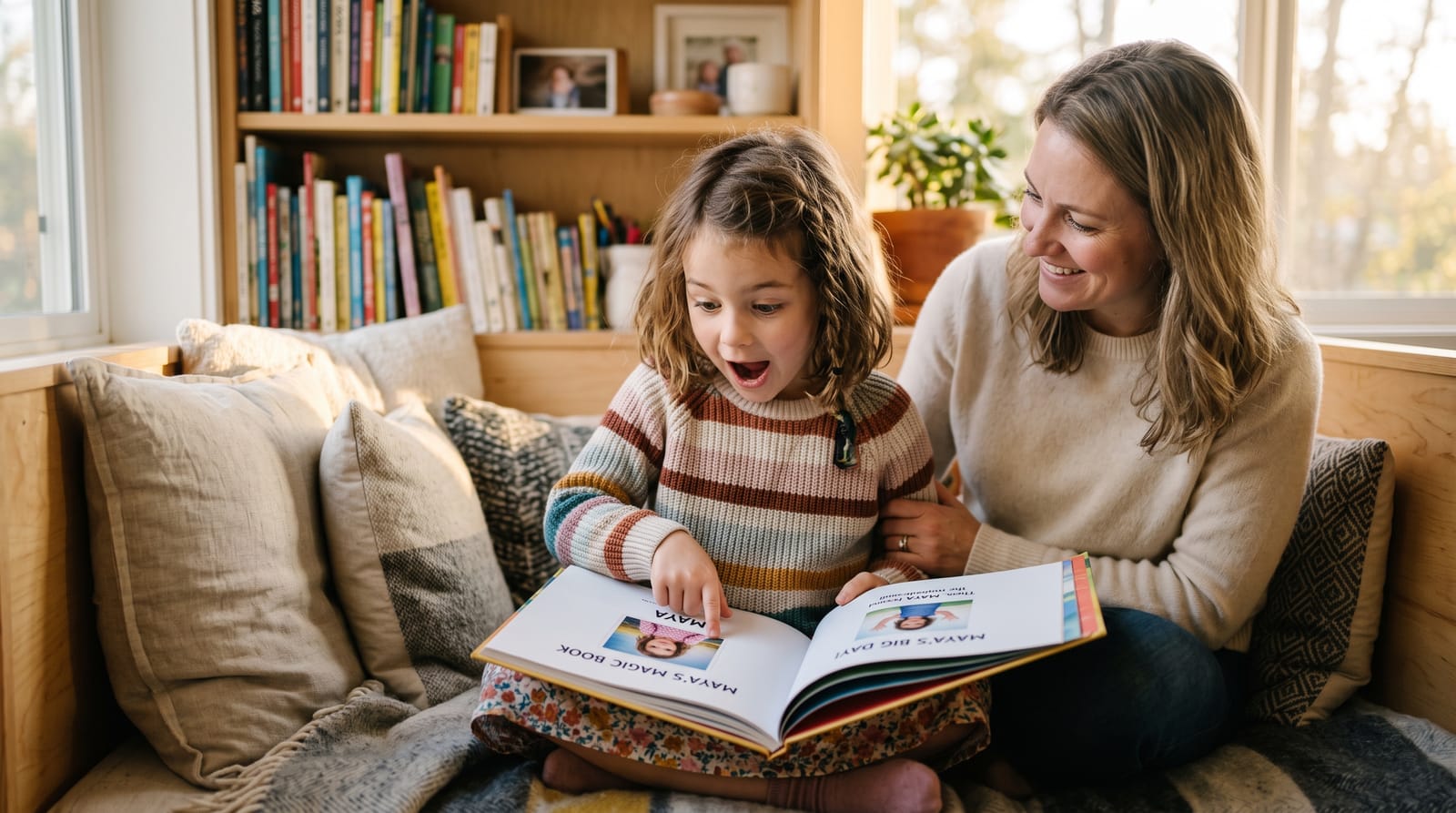
When a child sees their own name and likeness in a story about exploration or discovery, the psychological impact is profound. It signals to the child that they are capable of the same bravery and kindness they see in their favorite characters. This is especially important for reluctant readers, who may find it easier to engage with a text that is literally about them.
This evolution of the picture book isn't just about the technology of personalization; it’s about the philosophy of childhood. It’s an acknowledgment that every child is the hero of their own life, and their reading material should reflect that truth.
Frequently Asked Questions
Related Reading
If you enjoyed this exploration of how stories shape our children's worlds, you might find these articles helpful:
- Small Moments, Big Impact: Family Connection in {YEAR}
- The Bridge of Belonging: Personalized Books & Modern Themes
- Personalization and Modern Picture Book Trends
- How Personalization Redefines the Picture Book
In the end, the best picture book is the one that a child wants to read over and over again. By combining the artistry of traditional storytelling with the intimacy of personalization, we can create a reading experience that isn't just a bedtime routine, but a foundational part of how a child sees themselves and their world. Whether it’s a journey to the stars or a simple afternoon at the beach, the story is always better when you are in it.
Free preview checklist
Get the personalized book gift checklist
Know what photo to use, what to write in the dedication, and what to review before ordering.